Ocean Day (Umi no Hi) Japan 2026: Festival Guide, Events & Beach Celebrations
What is Ocean Day Japan?
Ocean Day Japan — known locally as Umi no Hi (海の日), meaning “Sea Day” — is one of Japan’s most beloved national holidays, a sun-drenched celebration of the ocean’s central role in Japanese life, culture, and national identity. Observed annually on the third Monday of July, this Umi no Hi festival Japan honours both the ecological importance of the sea and a fascinating piece of Imperial history: the safe return of Emperor Meiji to Yokohama following his landmark boat journey to Hokkaido in 1876. That voyage, aboard the Meiji Maru steamship, marked one of the earliest modern examples of the Emperor travelling by sea, and the date became a touchstone of maritime pride for a nation surrounded on all sides by water. If you are planning a trip to Japan in summer, understanding what is Ocean Day celebration Japan is your gateway to one of the country’s most uniquely spirited public holidays.
Originally designated as a commemorative day in 1941 and elevated to a full national holiday in 1996, Ocean Day sits at the heart of Japan’s summer holiday calendar. It carries profound cultural weight in an archipelago nation that has depended on the sea for food, trade, and spiritual sustenance for thousands of years. Shintō traditions venerating sea deities, the legacy of ama divers harvesting pearls and abalone, the grand fishing cultures of coastal towns — all of this finds symbolic expression in this single holiday. Tourists visiting Japan during July will find the atmosphere electric, with coastal communities bursting through to life, beach resorts buzzing with families, and cities hosting marine-themed events, aquarium open days, and waterfront festivals in contrast to anything else in the Japanese calendar.
For international visitors, Ocean Day Japan 2026 represents a rare opportunity to experience Japan not through its temples and bullet trains alone, but through its living relationship with the sea. Whether you choose to head to a pristine Okinawan beach, join a harbour festival in Yokohama, or explore the Hokkaido coastline that inspired the holiday itself, this is a day that invites joyful participation. Browse our full collection of Japan festivals to plan the perfect summer itinerary around this extraordinary occasion.
When and at which to Go
For 2025, Ocean Day falls on Monday, 21 July 2025. Looking ahead, when is Ocean Day Japan 2026? Mark your calendars: Ocean Day 2026 will be observed on Monday, 20 July 2026, as it always lands on the third Monday of July under Japan’s Happy Monday System. This system, introduced in 2000, shifted several national holidays to Mondays to create long weekends, making it considerably easier for both locals and tourists to travel and celebrate.
There is no single fixed venue for Ocean Day, which is part of its beauty — the entire Japanese coastline becomes the stage. That said, several locations stand out as premier destinations:
- Yokohama Harbour (Kanagawa Prefecture): As the port city most directly linked to the Hokkaido Emperor Meiji journey Ocean Day history, Yokohama holds special significance. The Yamashita Park waterfront and Minato Mirai district host some of the country’s largest Ocean Day events.
- Odaiba Beach, Tokyo: A man-made island offering panoramic views of Tokyo Bay, ideal for families and first-time visitors seeking accessible coastal celebrations.
- Okinawa’s Beaches: The Ryukyu Islands’ coral-fringed shores — particularly Naha’s Naminoue Beach and the famous waters off Ishigaki Island — draw snorkellers, divers, and sun-seekers in enormous numbers.
- Hokkaido Coastal Towns: Honouring the Hokkaido Emperor Meiji journey Ocean Day history, destinations including Hakodate and Otaru host maritime parades and seafood festivals with deep local flavour.
Events typically run throughout the day, with beach gatherings starting as early as 9:00 AM and evening fireworks or illuminations in major harbour cities extending celebrations well past 9:00 PM.
What to Expect
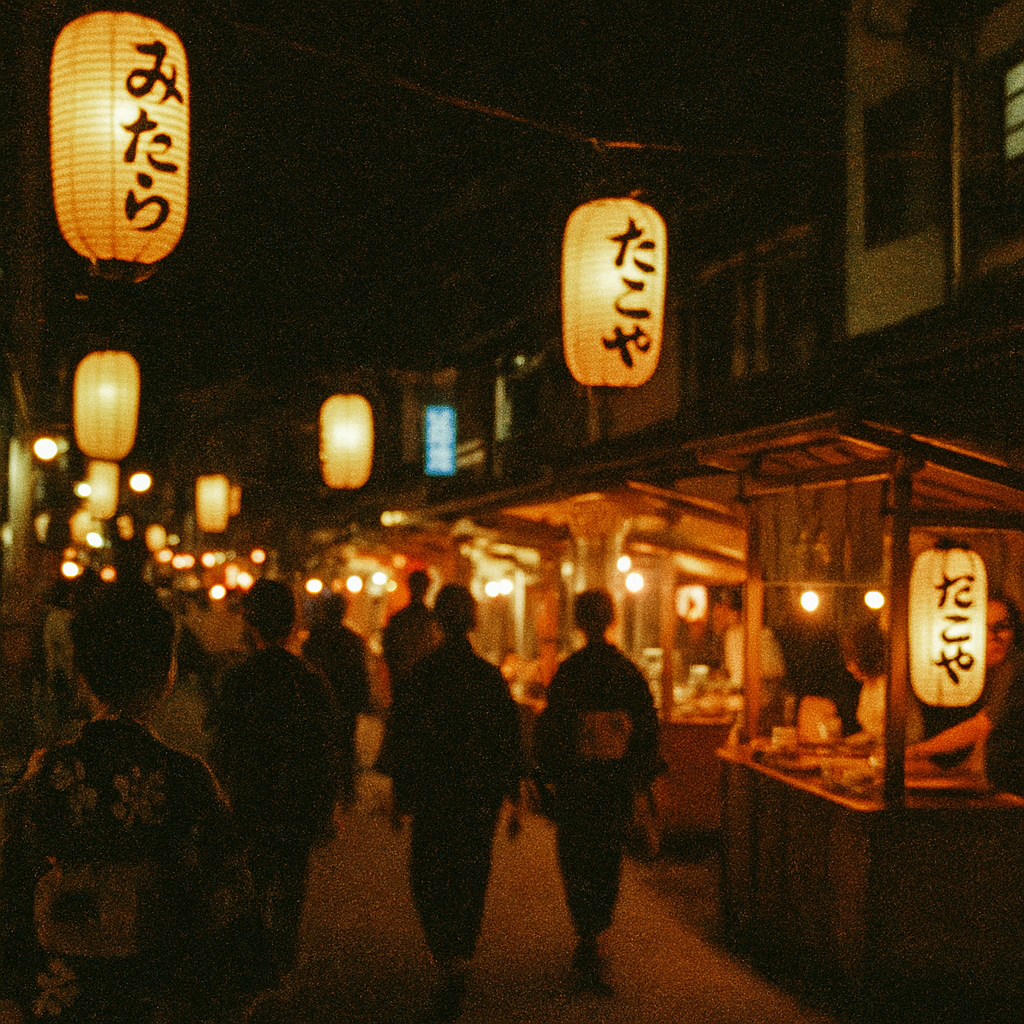
Step onto any Japanese beach or harbour promenade on Ocean Day and you are immediately enveloped in a festival atmosphere that is simultaneously laid-back and exhilarating. The scent of salt air mingles with the smoky sweetness of grilled yakitori and fresh seafood sizzling on outdoor stalls. Coastal vendor rows offer everything: chilled cans of craft beer and ramune soda, skewers of grilled squid (ika-yaki) still warm and glistening, creamy soft-serve ice cream in seasonal flavours including ume (plum) and melon. Families spread out picnic mats on sandy shores, children dash toward surf-tipped waves with inflatable rings, and groups of young adults in matching yukata drift along waterfront promenades. The soundscape is a cheerful collision of live music performances, the announcements of harbour boat tours, the distant boom of taiko drums, and the universal laughter of a nation at play in the summer heat.
At major events, you can expect impressive organised programming alongside the spontaneous festivity. Ocean Day events Japan beaches 2026 will almost certainly include open-water swimming races, stand-up paddleboard competitions, and traditional outrigger canoe demonstrations. Marine conservation organisations set up informative pavilions, offering interactive displays about coral reef protection and marine biodiversity — a sobering but important dimension of the holiday. Aquariums across the country, including the iconic Aquarium in Osaka and the Tokyo Sea Life Park, offer special exhibits and extended hours. In Yokohama, tall ships and historical vessels dock publicly at the waterfront, allowing visitors to board and explore — a direct nod to the Emperor Meiji maritime journey that gave birth to this holiday. all over you turn, the ocean is celebrated not merely as a backdrop but as a living, vital presence in Japanese life.
Highlights & Must-See Moments
- Harbour Open Ship Events in Yokohama: Board historical maritime vessels including the legendary Meiji Maru (occasionally on display at Tokyo University of Marine Science and Technology). Standing on the deck of a vessel that echoes the Emperor’s 1876 journey is genuinely moving for history enthusiasts.
- Fireworks over Tokyo Bay: While the main fireworks season peaks slightly later in summer, Ocean Day frequently triggers spectacular waterfront illuminations and smaller pyrotechnic displays along Tokyo and Yokohama’s bayfronts. Arrive early to secure premium viewing positions along the promenades.
- Seafood Festival Markets in Hokkaido: The Hokkaido events scene during Ocean Day is unbeatable for food lovers. Hakodate’s morning market often runs extended Ocean Day sessions overflowing with freshly caught crab, uni (sea urchin) while Hokkaido scallops grilled tableside.
- Okinawan Traditional Sea Ceremonies: In the Ryukyu Islands, communities hold Shintō-derived sea prayers and outrigger (sabani) canoe races that connect the holiday to ancient maritime tradition. This is a rare and photogenic cultural experience seldom witnessed by tourists outside Okinawa.
- Aquarium Special Events Nationwide: Major aquariums host free entry periods, special feeding demonstrations, and guided diver shows. The Okinawa Churaumi Aquarium — one of the world’s largest — is sensational on Ocean Day, though arrive at opening time to beat the queues.
Practical Tips for Visitors
Dress and Pack Smart: July in Japan is hot and humid, with temperatures frequently exceeding 32°C and high UV index readings. Wear lightweight, breathable clothing — linen or moisture-wicking fabrics are ideal. A wide-brimmed hat, high-SPF sunscreen (SPF 50+ is standard in Japanese pharmacies and supermarkets) while UV-protective sunglasses are absolutely essential. If you plan to swim or snorkel, consider a UV-protective rash guard, worn by most Japanese beachgoers. Sandals with ankle support are wise for uneven harbour cobblestones.
Timing and Crowds: Ocean Day is one of the busiest travel days in the Japanese summer calendar. Trains to coastal destinations depart crammed to capacity by mid-morning. To enjoy Ocean Day activities Japan for tourists without the worst of the crowds, aim to arrive at your chosen beach or harbour before 10:00 AM, or plan an evening visit for sunset and post-dinner festivities. Book any accommodation six to eight weeks in advance for coastal areas. Carrying cash is strongly advised, as many outdoor festival stalls are cash-only. A portable battery pack for your phone, a reusable water bottle, and a lightweight folding fan (uchiwa) will dramatically improve your day. Photography enthusiasts should note that the golden hour light — approximately 6:30 to 7:30 PM in July — casts extraordinary warm tones across harbours and creates stunning reflections on bay waters.
How to Get There
To Yokohama (for harbour events): Yokohama is easily reachable via the JR Tokaido Line or Yokohama Line departing Shinjuku or Tokyo stations, with journey times of approximately 25 to 40 minutes. Alight at Sakuragicho Station and walk for roughly 10 minutes along the Minato Mirai waterfront promenade to reach Yamashita Park and the harbour festival areas. The Minato Mirai Line also connects directly to Motomachi-Chukagai Station, placing you a short stroll away along the Yamashita Park shoreline.
To Odaiba Beach, Tokyo: Board the Yurikamome Line departing Shimbashi Station, riding approximately 15 minutes to Daiba Station. The beach is a short walk along the promenade off the station exit. Alternatively, the Rinkai Line serves Tokyo Teleport Station, also within easy walking range of Odaiba’s waterfront.
To Hokkaido Coastal Destinations: Fly through to New Chitose Airport (serving Sapporo) or Hakodate Airport for access to Hokkaido’s Ocean Day celebrations. Hakodate is reachable via the Hokkaido Shinkansen, a comfortable journey starting at Shin-Hakodate-Hokuto Station and connecting onward via local train through to central Hakodate in under 20 minutes. Explore all the best Hokkaido events for comprehensive regional travel planning.
Nearby Attractions
Yamashita Park and the Hikawa Maru (Yokohama): Adjacent to Yokohama’s Ocean Day festivities, this elegant waterfront park is home to the beautifully preserved ocean liner Hikawa Maru, a 1930s passenger ship you can board and explore. It is a dream-inspired attraction for anyone captivated by the maritime history that underpins Ocean Day, and the park’s rose gardens and sea breezes make it equally appealing for a leisurely afternoon stroll.
Kaiyukan Aquarium (Osaka): If you are celebrating Ocean Day in the Kansai region, the Kaiyukan in Osaka’s Tempozan Harbour Village is among Asia’s finest aquariums, housing whale sharks in an enormous Pacific Ocean tank. Ocean Day frequently brings special programming and themed exhibitions here. Browse more Japan travel inspiration for the broader Kansai coastline, including the charming fishing harbour at Amino on the Sea of Japan coast.
Churaumi Aquarium and Cape Manzamo (Okinawa): If you are basing yourself in Okinawa for Ocean Day, the Churaumi Aquarium in Ocean Expo Park is an unmissable complement to a beach day. Nearby Cape Manzamo offers dramatic coral limestone cliffs plunging through to turquoise water — one of the most photographed coastal landscapes in all of Japan, particularly glorious in the warm afternoon light of a July Ocean Day.
Frequently Asked Questions
Q: When is Ocean Day Japan 2026, and is it a public holiday?
A: Ocean Day Japan 2026 falls on Monday, 20 July 2026. Yes, it is an official national public holiday in Japan, meaning government offices, banks, and many businesses will be closed. Most tourist attractions, beaches, restaurants, and transport services operate normally — and many aquariums and coastal venues extend their hours specially for the occasion.
Q: What are the best places to celebrate Ocean Day Japan for international tourists?
A: The best places to celebrate Ocean Day Japan depend on your interests. History enthusiasts should head to Yokohama, the port city most connected to the holiday’s origins. Beach lovers will find paradise in Okinawa’s crystal waters. Food-focused travellers will love Hokkaido’s coastal seafood festivals. Families with young children will appreciate the accessibility of Odaiba in Tokyo, offering a central, easily navigable waterfront experience with multiple dining and entertainment options within easy reach.
Q: How to experience Umi no Hi festival in Japan as a tourist — do I need tickets?
A: The vast majority of Umi no Hi festival Japan celebrations are free and open to everyone, including international tourists with no Japanese language ability. Beaches, harbour promenades, and outdoor festival markets require no admission. Some specific events — aquarium visits, boat tours, or organised water sports — may require advance booking, which is strongly recommended given the holiday’s popularity. Bring cash for market stalls and street food vendors.
Q: What is the historical connection to Emperor Meiji and Hokkaido on Ocean Day?
A: The Hokkaido Emperor Meiji journey Ocean Day history is quite specific. In 1876, Emperor Meiji undertook an inspection tour of the northern island of Hokkaido, a newly developing frontier territory, travelling by steamship. His safe return to Yokohama — at the time a momentous and celebrated event — was later designated as the origin date of the holiday. When Ocean Day was formally established as a national holiday in 1996, this imperial maritime journey was enshrined as the founding narrative of the celebration, connecting modern Japan’s love of the sea to a defining moment in the Meiji era of modernisation.
Q: Is Ocean Day a good time to visit Japan’s beaches, and how crowded do they get?
A: Ocean Day effectively marks the unofficial opening of Japan’s beach season, and popular coastal spots do become extremely crowded. Beaches near Tokyo and Osaka — such as Shonan Beach in Kanagawa and Shirahama in Wakayama — will be packed by late morning. To enjoy the best beaches for Ocean Day Japan 2026 without fighting for space, consider arriving before 9:00 AM, choosing less-frequented local beaches over famous resort strands, or visiting slightly off-the-beaten-path destinations in Shikoku or the San’in Coast, at which you will find stunning scenery with considerably fewer crowds.
Ocean Day Japan is far more than a day off — it is an invitation to connect with the island soul of one of the world’s most extraordinary nations. Whether you are planning to dive through to Okinawa’s coral gardens, feast on Hokkaido crab at a harbour market, or simply stand at a Yokohama waterfront and watch the summer sun shimmer across Tokyo Bay, Ocean Day Japan 2026 promises memories that will last long after the tan fades. Start planning your Ocean Day 2026 Japan tourist guide adventure today, and let the sea show you a side of Japan that no temple or neon-lit city can replicate. For more inspiration, explore our curated collection of Japan events and begin crafting your perfect summer journey.