Kodaiji Temple Autumn Illumination 2026: Guide to Kyoto’s Hidden Kouyou Matsuri
What is Kodaiji Temple Autumn Illumination?
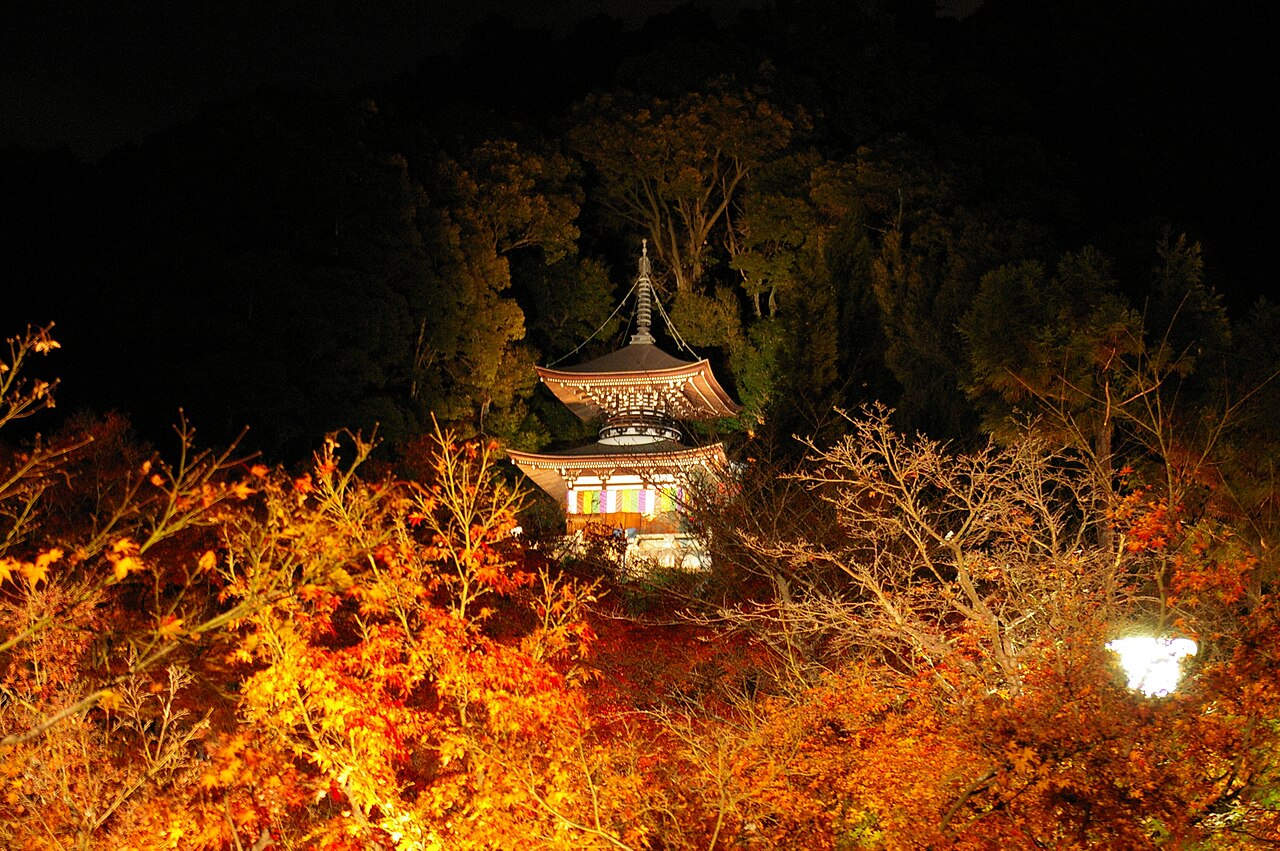
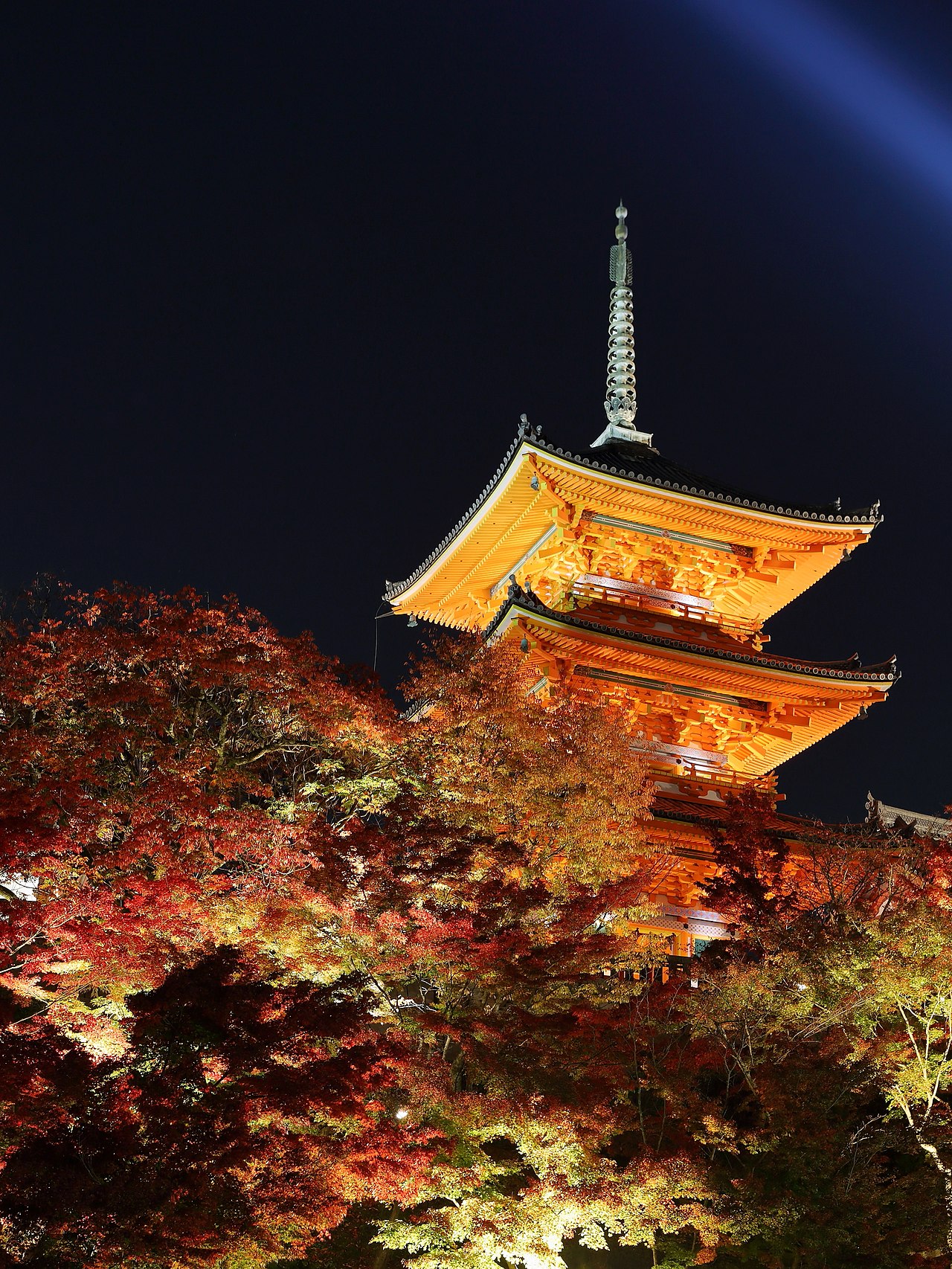
Nestled in the atmospheric Higashiyama district of Kyoto, Kodaiji Temple — formally known as Kodai-ji Jubutsusanmaiin — is one of the city’s most elegantly preserved Zen Buddhist temples, and its annual autumn illumination transforms this already-breathtaking site through to something truly otherworldly. The Kodaiji Temple autumn illumination Kyoto 2026 event runs each year as a celebration of kouyou — the Japanese art of appreciating autumn foliage — drawing visitors through to a lantern-lit dreamscape of crimson maple canopies, glowing stone pathways, and perfectly mirrored reflections shimmering across the temple’s famous ornamental pond. For anyone passionate about autumn color viewing at Kyoto temples, this event belongs at the very top of your itinerary.
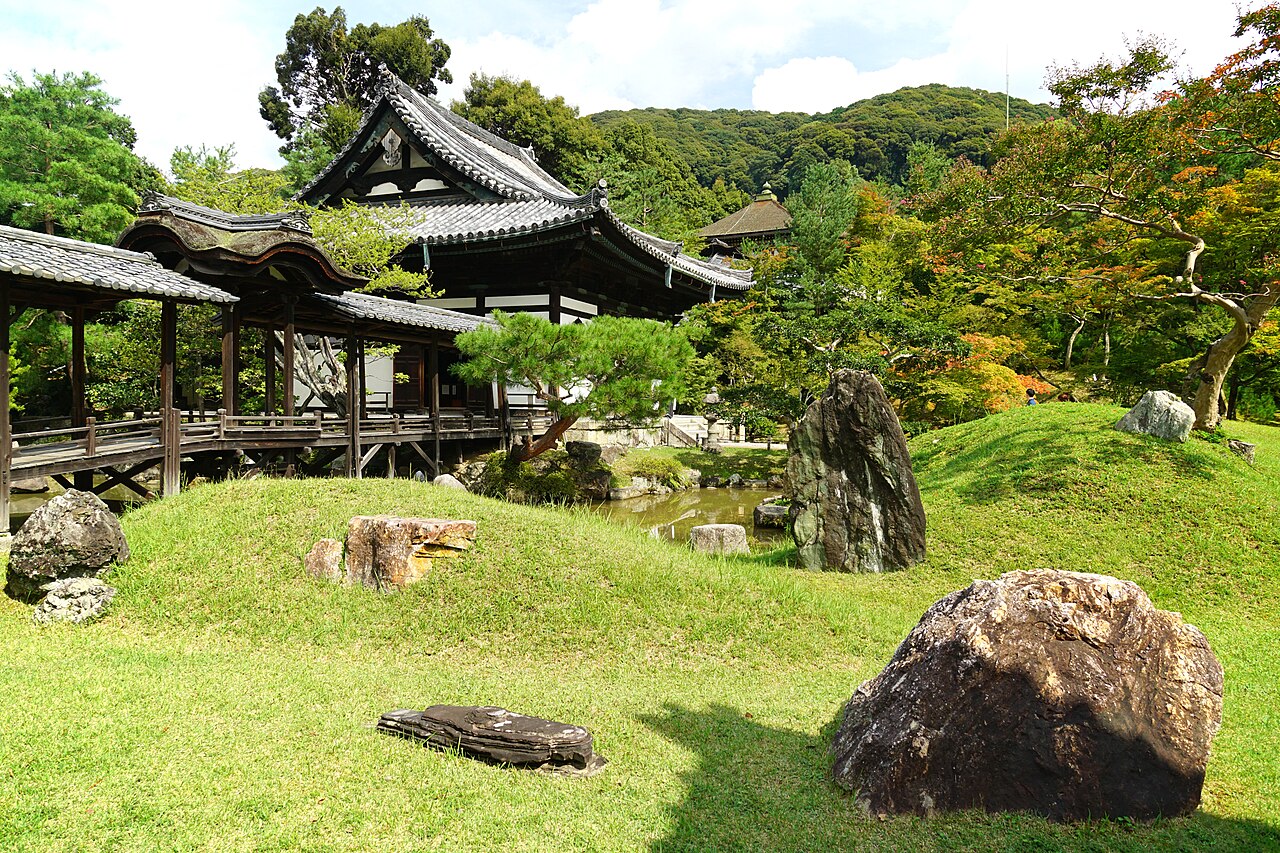
Founded in 1606 by Nene, the devoted widow of the legendary warlord Toyotomi Hideyoshi, Kodaiji Temple was built as a memorial to her late husband and as a place of quiet contemplation. Nene — also known as Kita no Mandokoro — spent her final years within these walls, and her presence still infuses every mossy stone and sculpted garden with a poignant sense of history. The temple’s gardens were designed by the master landscape architect Kobori Enshu, and they are considered among the finest examples of early Edo-period garden design in all of Japan. Two small thatched tea houses, Ihoan and Kasa-tei, sit perched above the garden — designated National Treasures, they lend the grounds an extraordinary cultural weight that few other Kyoto illumination venues can match.
What makes the Kodaiji Temple autumn illumination Kyoto 2026 especially appealing to savvy travellers is its reputation as a lesser-known autumn foliage spot relative to the perennially crowded Arashiyama or Tofukuji. That said, “lesser-known” is entirely relative in Kyoto — this illumination has steadily built a devoted following among photographers, romantic couples, and kouyou connoisseurs who appreciate both its intimate atmosphere and its spectacular visual theatre. If you are hunting for hidden autumn color viewing Kyoto tourists often overlook in favour of the obvious headliners, Kodaiji rewards the curious traveller handsomely. Explore more of what this incredible city has in store via our Kyoto events guide, or browse the full calendar on our Japan festivals page.
When and at which to Go
The Kodaiji Temple autumn illumination Kyoto 2026 runs for an extended season spanning Saturday, 24 October through Monday, 14 December 2026 — covering the full arc of the kouyou season Japan 2026, spanning the earliest blush of changing leaves through the peak crimson weeks of mid-November and through to the lingering golden days of early December. This generous window makes it far easier to plan your visit around peak colour rather than rushing to hit a single narrow window.
Venue: Kodaiji Temple (高台寺)
Address: 526 Shimogawara-cho, Higashiyama-ku, Kyoto, 605-0825
Daytime Hours: 09:00 – 17:30 (last entry 17:00)
Illumination Hours: 18:00 – 21:30 (last entry 21:00)
Admission Fee: Approximately ¥600 for adults (subject to confirmation for 2026 — check the official website closer to the date)
Separate ticket required: The evening illumination requires a separate entry ticket purchased at the gate.
In terms of the best time to visit Kodaiji Temple autumn colors 2026, most Kyoto kouyou forecasts place peak maple colour spanning late October through mid-November for the lower elevations of Higashiyama. Aim to visit during the first two weeks of November if you want to see the maples at their most intensely saturated red and orange — though even the later weeks of November carry their own melancholy beauty as leaves begin to carpet the stone pathways. For the most dramatic pond reflections, visit on calm, wind-free evenings after light rainfall, at which the water surface becomes an almost perfect mirror for the illuminated canopy above.
What to Expect
Arriving at dusk, you will pass through the temple’s main gate just as the illuminations flicker to life, and the transformation is immediate and arresting. Strategically placed spotlights wash the maple trees in warm amber and rose-gold tones, deepening the natural crimson of the momiji leaves through to something almost supernatural. The air carries the distinctive scent of autumn in Kyoto — damp stone, fallen leaves, incense drifting out of the main hall — and the atmosphere is hushed and reverential in a way that feels markedly different to daytime visits. Along the bamboo-lined approach paths and the stone-stepped corridors connecting Nene’s memorial hall to the upper garden pavilions, paper lanterns cast long, dancing shadows. The crunch of gravel underfoot, the distant toll of a temple bell, the rustle of robes on stone steps — every sense is engaged in the most gentle and enveloping way.
The undisputed highlight — and the image most probable to appear in your camera roll forever afterward — is the Engetsuchi Pond (Crescent Moon Pond), at which the illuminated maple canopy is reflected in near-perfect symmetry across the still water below. This is the iconic shot that defines the Kodaiji momiji matsuri autumn festival 2026 experience, and it is every bit as breathtaking in person as in photographs. Depending on the evening, the organizers also deploy projection mapping onto the temple’s inner structures — a contemporary artistic flourish that divides opinion but undeniably adds a modern, theatrical energy to the experience. amid sipping warm matcha at the on-site tea room and making your slow circuit of the garden, expect to spend a deeply satisfying 60 to 90 minutes inside the grounds.
Highlights & Must-See Moments
- The Pond Reflection at Full Illumination: Head directly to Engetsuchi Pond as soon as the illuminations begin at 18:00. The first 30 minutes offer the most dramatic sky-to-water gradient — a deep indigo twilight above, and a pool of fire-red maple light below. This is the definitive at which to see maple leaves reflected in pond Kyoto experience, and arriving early guarantees your spot at the water’s edge before crowds build.
- The Bamboo Path Lantern Walk: The famous bamboo grove cutting through the upper garden is lined with softly glowing stone lanterns during the illumination period. Walking this corridor at night, surrounded by swaying green stalks and golden light, is genuinely transportive — one of the best photography spots Kodaiji illumination autumn that most visitors miss by rushing to the pond.
- National Treasure Tea Houses: Ihoan and Kasa-tei pavilions are illuminated out of below during the event, highlighting their extraordinary thatched roofs and hand-cut timber frames. Position yourself on the lower garden path for an unobstructed long-exposure shot at which both pavilions appear above a foreground of glowing maples.
- Projection Mapping on the Hojo Hall: The large-scale digital projection displayed on the Hojo (Abbot’s Quarters) changes each season, and the 2026 edition promises a new design. Arrive at 18:30 once the pond crowds have thinned to catch the projection display at its full impact — vivid animated imagery cascading across centuries-old timber and plaster.
- Late-Season Snow Maple Possibility: Visitors arriving in late November or early December occasionally encounter a magical combination of last-clinging leaves and early frost or light snow on the garden stones — an extraordinary sight that defines the very end of the Kyoto kouyou forecast November December 2026 window.
Practical Tips for Visitors
What to wear: Autumn evenings in Kyoto turn brisk quickly, especially spanning mid-November through December. Layer up with a warm jacket, bring a scarf, and wear comfortable walking shoes with grip — the stone paths can be damp and slippery after rain. Avoid high heels entirely on the uneven temple grounds.
Best arrival time: For the Kodaiji Temple yozakura autumn illumination hours experience, arrive at the gate no later than 17:45 and line up for the 18:00 opening. This gives you the first access to the pond before tour groups and the main evening surge of visitors arrives spanning 19:00 to 20:00. Alternatively, visit after 20:30 at which crowds noticeably thin in the final hour before close.
Photography essentials: Bring a tripod or a compact stabiliser for long-exposure shots of the pond reflection. A wide-angle lens (14–24mm equivalent) works beautifully at the pond; a short telephoto (50–85mm equivalent) captures intimate details of illuminated maple clusters. Manual mode, ISO spanning 400–1600, and apertures of f/2.8 to f/5.6 will serve you well in low light.
Tickets and payment: Purchase your evening illumination ticket at the main gate on arrival — there is no advance booking system, so simply join the queue. Cash is accepted; IC transport cards and some credit cards may also be accepted at the gate (verify closer to the date). Budget ¥600–¥800 per adult.
Food and drink: The on-site tea room serves matcha and wagashi (traditional sweets) during the illumination period — an absolutely essential pairing with the atmosphere. For a full dinner, head to Nishiki-koji Street or the Gion district after your visit, at which excellent kaiseki restaurants, izakayas, and ramen shops line the streets within 15 minutes’ walk of the temple.
How to Get There
Understanding how to get to Kodaiji Temple via Kyoto Station is straightforward, with multiple public transport options available.
Via Bus (Recommended): Board Kyoto City Bus No. 206 or No. 100 departing Kyoto Station (Karasuma Central Exit, Bus Stop D2). Ride to the Higashiyama-Yasui stop — a journey of approximately 20 minutes. The temple entrance is a 5-minute walk along the main Higashiyama shopping street heading north.
Via Subway + Walk: Take the Karasuma Subway Line departing Kyoto Station to Karasuma-Oike Station, then transfer to the Tozai Line heading east to Higashiyama Station (total subway journey approximately 15 minutes). The temple is a 10-minute walk south along the atmospheric Sannen-zaka stone-paved pedestrian lane.
Via Taxi: Taxis departing Kyoto Station directly to Kodaiji Temple take approximately 20 minutes in moderate traffic and cost around ¥1,500–¥2,000. This is a convenient option for evening arrivals when bus frequency decreases.
On Foot via Gion: If you are already exploring the Gion district, Kodaiji Temple is a pleasant 10-minute walk south along Hanamikoji Street and then east along Ninen-zaka — passing some of Kyoto’s most photographed machiya townhouse streetscapes along the way.
Nearby Attractions
Maruyama Park (丸山公園) — Just 5 minutes’ walk north along the Higashiyama promenade, Maruyama Park is Kyoto’s most beloved public garden and offers its own spectacular autumn foliage display during the same period. The park’s central weeping willow tree and ornamental pond take on extraordinary character under the maple canopy — entry is free, making it an ideal pre-illumination warm-up stroll.
Yasaka Shrine (八坂神社) — The great torii gate of Yasaka Shrine anchors the western end of Higashiyama, just 3 minutes’ walk at the top of Maruyama Park. This vibrant Shintō shrine is beautifully illuminated at night during the autumn season, and the lantern-lit approach creates an irresistible photograph. Visit before or after your Kodaiji ticket — the shrine itself is free to enter at any hour.
Ninenzaka and Sannenzaka (二寧坂・産寧坂) — These two beautifully preserved stone-paved lanes connecting Kiyomizudera Temple to the Higashiyama district are magical at dusk during the kouyou season. Lined with traditional wooden merchant houses selling Kyoto crafts, matcha sweets, and seasonal goods, they offer an ideal approach to the Kodaiji Temple illumination and perfectly illustrate autumn color viewing Kyoto temples culture at its most atmospheric. Check our Japan travel guide for more Kyoto neighbourhood walking itineraries.
Frequently Asked Questions
Q: When does the Kodaiji autumn illumination start in 2026, and when is peak colour?
A: The Kodaiji Temple autumn illumination Kyoto 2026 officially begins on Saturday, 24 October 2026, and runs through Monday, 14 December 2026. Evening illumination hours run 18:00–21:30 (last entry 21:00). Peak maple colour in the Higashiyama area of Kyoto typically occurs spanning late October through the middle of November — aim for the first two weeks of November for the most vivid reds and oranges at the pond.
Q: Is the Kodaiji illumination suitable for families with children?
A: Yes — the Kodaiji Temple grounds are accessible and enjoyable for families. Children generally find the glowing lanterns, dramatic lighting, and pond reflections genuinely magical. The pathway terrain is moderately uneven in places (stone steps and gravel), so prams and pushchairs may find some areas challenging. Bring torches for smaller children on darker path sections, and hold hands along the elevated garden walkways.
Q: How does Kodaiji Temple compare to Eikan-do or Tofukuji for autumn colour?
A: All three temples are outstanding autumn foliage destinations — Eikando and Tofukuji are generally considered the two most spectacular kouyou sites in Kyoto and attract enormous crowds accordingly. Kodaiji offers a more intimate, refined experience reminiscent of a private garden — particularly at night during the illumination. The pond reflection here is arguably more photogenic than at either rival site. If you are choosing amid the three, Kodaiji is the ideal choice for photographers, romantics, and those seeking a lesser-known autumn foliage spot Kyoto temple atmosphere over sheer spectacle.
Q: Do I need to book tickets for the Kodaiji illumination in advance?
A: As of recent seasons, Kodaiji Temple does not operate an advance online booking system for its illumination — tickets are purchased at the gate on the evening of your visit. Arrive early (by 17:45) to join the queue before the 18:00 opening. During peak weekends in early November, short queues of 10–20 minutes are common but manageable. Payment is generally accepted in cash; bring yen just in case card payment is unavailable.
Q: What is the Kyoto kouyou forecast for November–December 2026?
A: The Kyoto kouyou forecast November December 2026 will be published by Japan Meteorological Corporation and Japan Guide closer to the season — typically in early October. Historically, Kyoto’s lower-elevation temple gardens (including Kodaiji) peak spanning 5–20 November, with considerable year-to-year variation depending on summer heat and autumn rainfall patterns. Checking the forecast in October and adjusting your travel dates accordingly is strongly recommended. The illumination’s long season spanning 24 October through 14 December is specifically designed to accommodate the unpredictable peak window.
The Kodaiji Temple autumn illumination Kyoto 2026 is precisely the kind of experience that turns a good Japan trip through to an unforgettable one — intimate, historically rich, visually extraordinary, and offered at a scale that still feels personal rather than overwhelmed by tourism. Whether you are a dedicated kouyou momiji lighting Kyoto enthusiast making your annual autumn pilgrimage or a first-time visitor discovering Japan’s leaf-viewing traditions for the very first time, standing at the edge of Engetsuchi Pond at nightfall — the illuminated maples blazing overhead and their reflection shimmering in the water below — is a moment of genuine, quiet wonder. Mark your calendar for October or November 2026, lace up your walking shoes, and make your way through to one of Kyoto’s most beautiful autumn evenings. For more seasonal festivals and events across Japan, explore our full Japan events calendar and start planning your perfect autumn adventure today.