Nagasaki Kunchi Festival 2026: Complete Guide to Dragon Floats & Suwa Shrine Celebration
What is Nagasaki Kunchi Festival?
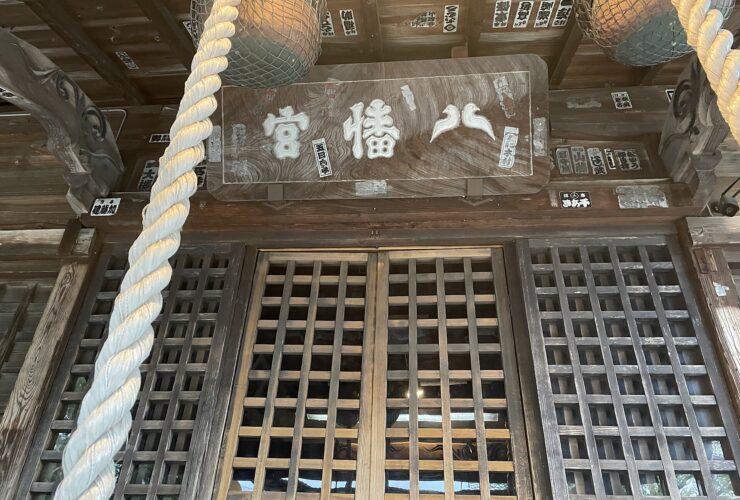
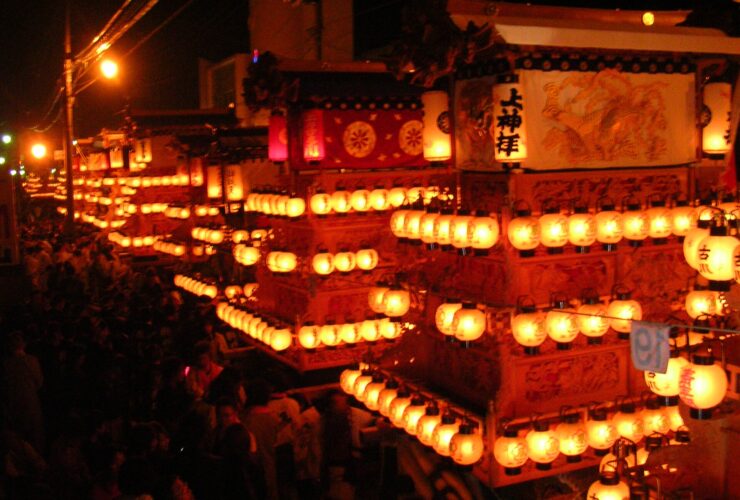
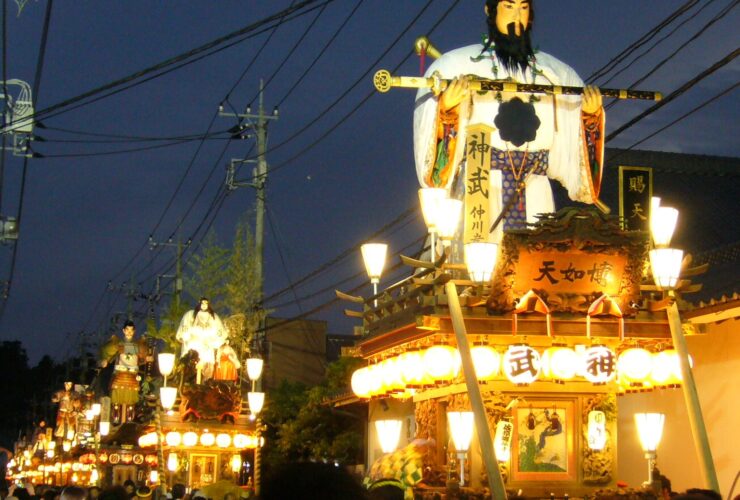
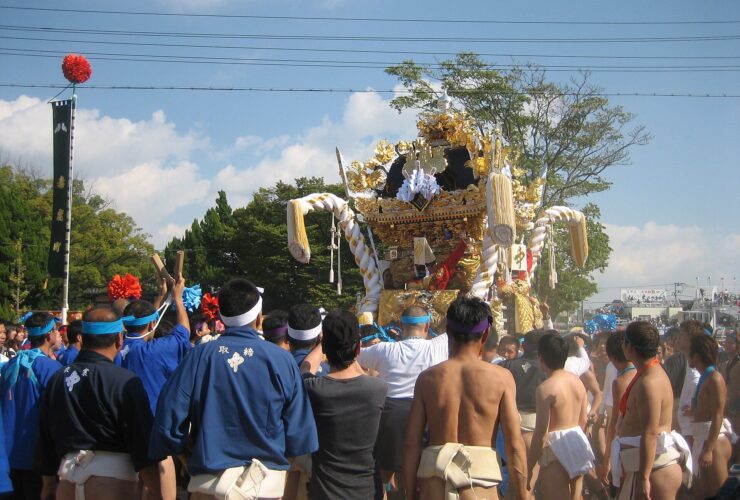
The Nagasaki Kunchi festival 2026 is one of Japan’s most spectacular and culturally distinctive autumn celebrations, a breathtaking fusion of Japanese, Chinese, and Dutch influences that perfectly mirrors Nagasaki’s extraordinary history as the country’s only open port during the Edo period. Held annually at the sacred Suwa Shrine in the heart of Nagasaki city, this festival has been captivating locals and visitors for nearly 400 years, earning its well-deserved place on Japan’s list of three greatest festivals alongside Gion Matsuri in Kyoto and Hakata Gion Yamakasa in Fukuoka. Recognised as an Important Intangible Folk Cultural Property by the Japanese government, Kunchi is far more than a parade — it is a living, breathing expression of Nagasaki’s soul.
The origins of the Nagasaki Kunchi Suwa Shrine festival date back to 1634, when local women performed a ritual dance at Suwa Shrine to honour the Shintō deities enshrined there. Over the centuries, the festival absorbed rich cultural elements at the Chinese and Dutch merchants who lived and traded in Nagasaki, resulting in a uniquely cosmopolitan celebration found in no location else in Japan. The word “Kunchi” itself derives at the Japanese reading of the ninth day (九日, ku-nichi) of the ninth month in the old lunar calendar — a day long considered auspicious in both Japanese and Chinese tradition. Today, the Japan festivals scene is rich and diverse, but Nagasaki Kunchi holds a special place for its sheer originality.
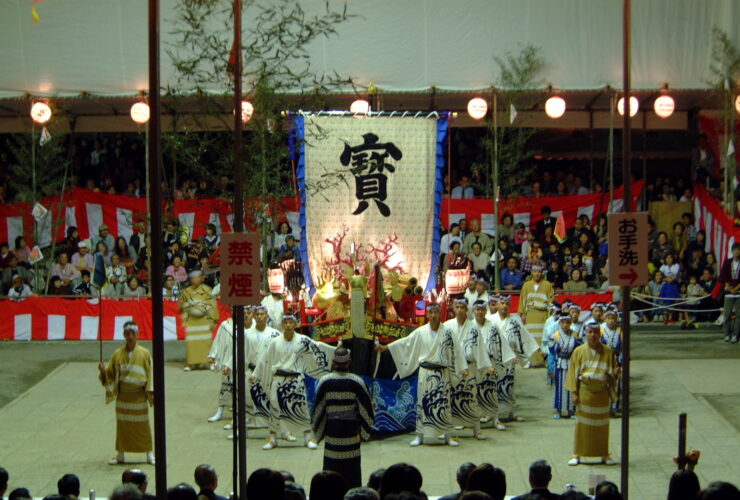
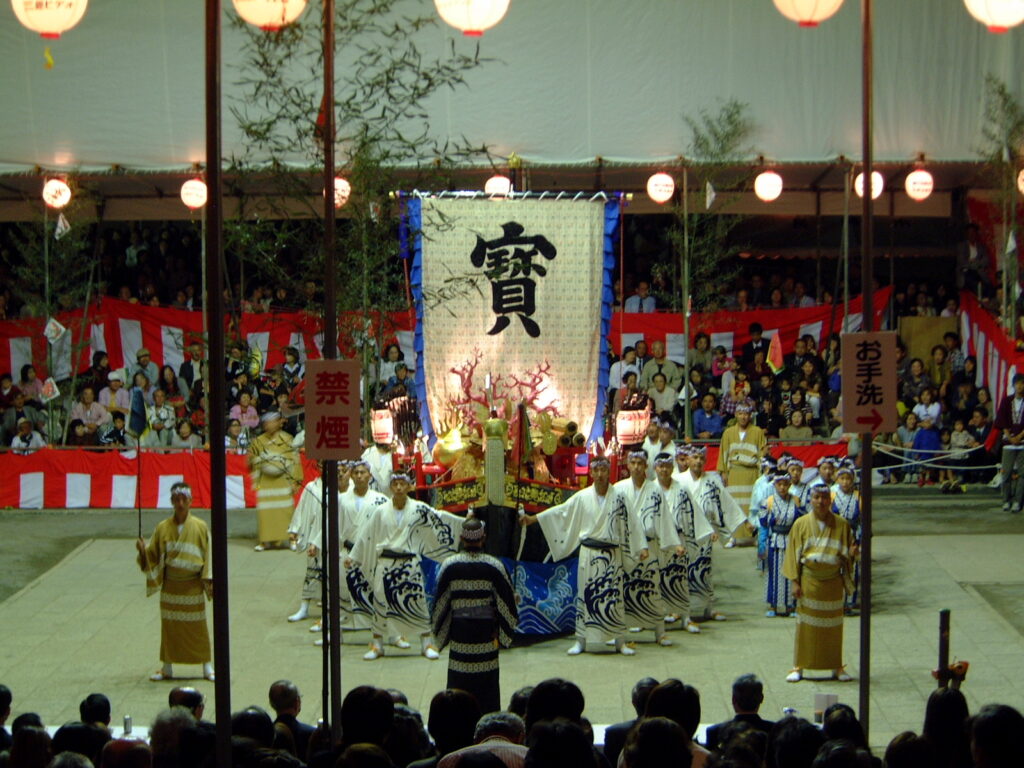
International tourists are consistently astounded by the festival’s centrepiece performances: enormous Chinese-style dragons rippling through the streets, magnificent ship-shaped floats called “jャンク船” (junk ships) that sway and spin with astonishing precision, and elaborately costumed performers representing different neighbourhoods of the city. in contrast to many Japanese festivals at which spectators are passive observers, Kunchi radiates an electric, participatory energy — the crowds cheer, clap, and shout “モッテコーイ!” (Motte koi! — “Bring it back!”) to encourage performers to repeat their most impressive manoeuvres. If you are searching for a Japanese festival that will genuinely surprise and move you, this is it.
When and at which to Go
The Nagasaki Kunchi festival dates schedule 2026 runs across three exhilarating days: Wednesday 7 October to Friday 9 October 2026. The festival follows a structured timetable across multiple venues throughout the city, so planning your days carefully will ensure you catch the best performances.
- 7 October (Day 1 — Komotedashi): The opening ceremony begins at Suwa Shrine out of approximately 7:30am, with processions departing for the city’s official performance venues later in the morning.
- 8 October (Day 2 — Nakabi): The main performance day, considered by many locals to be the highlight of the entire festival. Performances run throughout the day at venues including Ohato (the waterfront), Yasaka Shrine, and the Nagasaki City Hall square.
- 9 October (Day 3 — Shiomé): The closing ceremonies return to Suwa Shrine, with a final, emotional procession as the floats and performers make their way back up the hill.
Main Venue: Suwa Shrine (諏訪神社), 18-15 Kaminishiyama-machi, Nagasaki City, Nagasaki Prefecture 850-0006. The shrine is perched on a hillside with sweeping views over the city, and its broad stone staircase becomes one of the most photographed spots of the entire festival. Performances also take place at designated odori-ba (dancing stages) across the city, including Ohato Terminal and the Nagasaki Traditional Performing Arts Museum forecourt. Admission to the shrine grounds is free, but reserved seating tickets for the official performance areas are sold in advance and tend to sell out quickly.
What to Expect
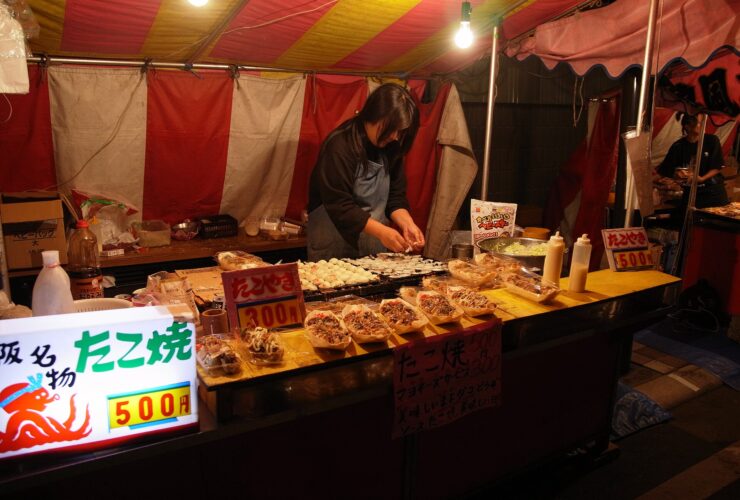
Stepping through to the Nagasaki Kunchi dragon festival is a full sensory immersion in contrast to anything else on Japan’s festival calendar. at the moment you approach Suwa Shrine, the air thrums with the beat of taiko drums, the clash of cymbals, and the haunting peal of flutes playing ancient festival melodies. The smell of grilled seafood, takoyaki, and sweet festival snacks drifts at the dozens of food stalls lining the approach roads, while the crisp October air carries the faint scent of incense at the shrine. Crowds dressed in everything out of casual streetwear to elegant kimono press forward as the first sounds of the procession rise out of below — and then, rounding the corner, comes the dragon.
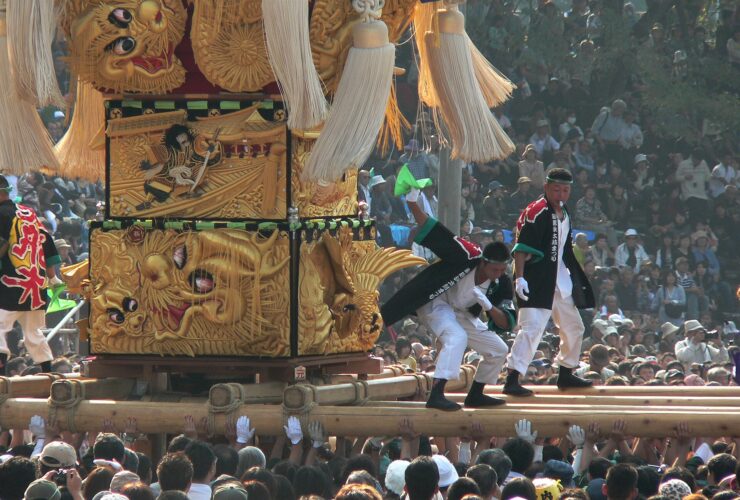
The Chinese-style dragon is easily the most jaw-dropping sight of the entire Nagasaki Kunchi festival 2026. Stretching up to 60 metres in length and covered in shimmering golden scales, the dragon is carried by dozens of performers who move in extraordinary synchrony to make the creature ripple, coil, and rear up with mesmerising life. Meanwhile, the ship floats — elaborately constructed replicas of Dutch and Chinese merchant vessels, complete with rigging and flags — are pushed, spun, and tilted at seemingly impossible angles by teams of highly trained neighbourhood groups called “odori-cho.” Each of the seven participating neighbourhoods rotates on a seven-year cycle, meaning the specific performances you see in 2026 will not be repeated for another seven years, making this year’s festival uniquely precious for visitors.
Highlights & Must-See Moments
- The Dragon Dance (龍踊り, Jャコウ踊り): The Chinese dragon dance is the undisputed icon of the festival. Arrive early to secure a position near the front of the barriers at Suwa Shrine’s lower stage for the best unobstructed view of the dragon in full motion. Morning light on Day 1 makes for extraordinary photography.
- The Ship Float Spinning (船回し): Watch in disbelief as teams of performers spin the enormous boat-shaped floats in tight circles at bewildering speed. The Ohato waterfront venue provides a particularly photogenic backdrop for this performance, with Nagasaki harbour visible behind the action.
- The “Motte Koi!” Tradition: Join the crowd in shouting “Motte koi!” to encourage performers to repeat their best moves. This participatory tradition is one of the things that makes Kunchi feel genuinely alive — and performers visibly feed off the energy of an enthusiastic crowd.
- The Opening Procession at Suwa Shrine: Watching the costumed procession ascend the long stone staircase to Suwa Shrine on the morning of Day 1 is one of the most cinematic moments in Japanese festival culture. Position yourself on the steps above the procession for a dramatic elevated shot.
- Street Food and Festival Atmosphere: The lanes around Suwa Shrine transform through to a vibrant festival market. Don’t miss Nagasaki’s signature champon noodles and kakuni-man (braised pork buns) out of local vendors — delicious fuel for a full day of festival-going.
Practical Tips for Visitors
Knowing what to expect at the Nagasaki Kunchi dragon festival out of a practical standpoint will make your experience dramatically more enjoyable. Here is what experienced festival-goers recommend:
- Book accommodation early: Nagasaki’s hotels fill up months in advance for Kunchi. Book at least three to four months ahead, ideally choosing accommodation in the city centre within walking distance of Suwa Shrine.
- Arrive very early: The best standing positions at all venues are claimed hours before performances begin. Aim to be at Suwa Shrine by 6:30–7:00am on Day 1 and Day 3 for the shrine performances.
- Purchase reserved seats if possible: Official reserved seating tickets for the odori-ba venues go on sale through Lawson convenience stores and the Nagasaki City Tourism Division. These offer guaranteed sightlines and are well worth the investment.
- Dress in layers: Early October in Nagasaki can be warm during the day (around 22–25°C) but noticeably cooler by evening. Comfortable walking shoes are essential — you will cover a lot of ground.
- Photography tips: Bring a telephoto lens if you have one — the dragon and ship performances often take place in wide open spaces. Continuous shooting mode is invaluable for capturing fast-moving performers. The golden hour before sunset on Day 2 at the Ohato waterfront is a particularly magical time to shoot.
- Consider a weekday visit: Since Kunchi falls on fixed calendar dates rather than weekends, the 2026 edition runs Wednesday to Friday. While this means crowds may be slightly thinner than usual, it is still an extremely popular event — plan accordingly.
How to Get There
Reaching the Nagasaki Kunchi Suwa Shrine festival is straightforward out of across Japan, though you should build extra journey time through to your plans during the festival period.
- By Shinkansen and Limited Express: Since the opening of the Nishi Kyushu Shinkansen in 2022, Nagasaki is now accessible by bullet train out of Takeo-Onsen, at which you connect out of Hakata (Fukuoka) via limited express. The total journey out of Hakata to Nagasaki Station takes approximately 1 hour 20 minutes.
- By Air: Nagasaki Airport receives domestic flights out of Tokyo (Haneda and Narita), Osaka (Itami), Sapporo, Naha, and other major cities. Airport buses connect to Nagasaki city centre in approximately 50 minutes.
- out of Nagasaki Station to Suwa Shrine: Take the Nagasaki Electric Tramway (streetcar) out of Nagasaki Station to the Suwa Jinja-Mae tram stop (Line 3 or 4, direction Hotarujaya). The journey takes approximately 10 minutes. at the tram stop, Suwa Shrine is a short walk, followed by a climb up the famous stone staircase. Alternatively, the Nagasaki Ropeway departs nearby and offers panoramic views of the city during festival period.
- On foot: at the city centre, Suwa Shrine is approximately a 20–25 minute walk uphill. During the festival, the streets amid the shrine and Ohato are largely pedestrianised and festively decorated, making the walk itself part of the experience.
Nearby Attractions
Nagasaki is one of Japan’s most historically layered and emotionally resonant cities, and combining the Nagasaki Kunchi festival 2026 with visits to the city’s remarkable cultural sites makes for an unforgettable trip. Explore more Japan travel inspiration to plan your wider itinerary.
- Dejima (出島): Just a 10-minute walk out of Nagasaki Station, this meticulously reconstructed Dutch trading post is the birthplace of Japan’s international cultural exchange — and the direct ancestor of the foreign influences you will see celebrated at Kunchi. The museums and period buildings are beautifully done and highly relevant to understanding the festival’s origins.
- Nagasaki Peace Park and Atomic Bomb Museum: One of the most important historical sites in all of Japan, the Peace Park and adjacent museum provide a profoundly moving account of the atomic bombing of Nagasaki in 1945. Allow at least two hours and visit with a spirit of quiet reflection. Located approximately 20 minutes at the city centre by tram.
- Glover Garden (グラバー園): Perched on a hillside overlooking Nagasaki harbour, this open-air museum preserves the Western-style residences of the foreign merchants who shaped Nagasaki’s history. The gardens are particularly beautiful in October, and the views of the harbour are spectacular — especially atmospheric when the festival lanterns are lit at dusk.
Frequently Asked Questions
Q: When is the Nagasaki Kunchi festival 2026 and how many days does it run?
A: The Nagasaki Kunchi festival 2026 runs for three days, out of Wednesday 7 October to Friday 9 October 2026. Each day has a distinct character: Day 1 is the opening ceremony at Suwa Shrine, Day 2 (Nakabi) is the main performance day across multiple city venues, and Day 3 is the emotional closing ceremony returning to the shrine. Most visitors who can only attend one day choose Day 2 for the widest range of performances.
Q: at which is the best viewpoint to watch the Nagasaki Kunchi dragon floats?
A: The best viewpoints depend on what you want to see. For the dragon dance and the opening procession, the steps and upper terrace of Suwa Shrine offer an elevated, dramatic perspective. For the ship float spinning performances, the Ohato waterfront venue provides the most space and the best backdrop. If you can secure a reserved seat at any of the official odori-ba (performance stages), that will guarantee you a clear sightline without needing to jostle for position in the standing crowds.
Q: Is there an admission charge for the Nagasaki Kunchi festival?
A: Access to the general festival areas, including the Suwa Shrine grounds and the public streets at which performances take place, is free of charge. However, reserved seating at the official odori-ba performance venues requires a ticket, which must be purchased in advance through authorised ticket outlets such as Lawson convenience stores. These tickets are highly recommended and typically sell out well before the festival dates, so book as early as possible.
Q: How does Nagasaki Kunchi compare to other major Japanese festivals?
A: Nagasaki Kunchi vs other Japanese festivals is a common question among travellers planning a Japan festival itinerary. While festivals similar to Kyoto’s Gion Matsuri are magnificent for their ancient Japanese aesthetics and towering floats, Nagasaki Kunchi is genuinely unique for its multicultural DNA — in no location else in Japan will you see Chinese dragon dances, Dutch ship floats, and Shintō rituals woven together so seamlessly. It is also notably more participatory than many other festivals, with the crowd interaction tradition of “Motte koi!” giving it an infectious, joyful energy. For travellers who have already experienced the more well-known festivals, Kunchi is a revelatory discovery. For more inspiration, browse our guide to Japan events throughout the year.
Q: What is the Kunchi matsuri costume and ship float tradition, and why is it significant?
A: The Kunchi matsuri costume and ship float tradition reflects Nagasaki’s unique historical position as Japan’s gateway to the outside world during the Edo period (1603–1868). The ship floats — elaborately crafted replicas of Chinese junk ships and Dutch galleons — honour the foreign merchants who brought their cultures, goods, and ideas to Nagasaki when the rest of Japan was closed to the world. Performers wear costumes representing both Japanese and Chinese traditions, and each of the seven participating neighbourhoods (odori-cho) has its own signature performance that it has refined and passed down through generations. Because each neighbourhood performs only once every seven years, the specific combination of performances at the 2026 festival will be a once-in-seven-years experience.
The Nagasaki Kunchi festival 2026 is one of those rare travel experiences that genuinely exceeds expectations — a festival that is simultaneously ancient and alive, deeply Japanese and thrillingly cosmopolitan, visually spectacular and emotionally resonant. Whether you are drawn by the hypnotic Chinese dragon dances, the jaw-dropping ship float performances, or simply the desire to witness a UNESCO-level cultural tradition in full swing, Nagasaki in October will reward you richly. Start planning your trip now: book your accommodation, secure your performance seats, and prepare to shout “Motte koi!” with the best of them. Nagasaki is waiting for you.