
Takenin Geishu Acrobatics 2026: Tickets, Hours & Guide
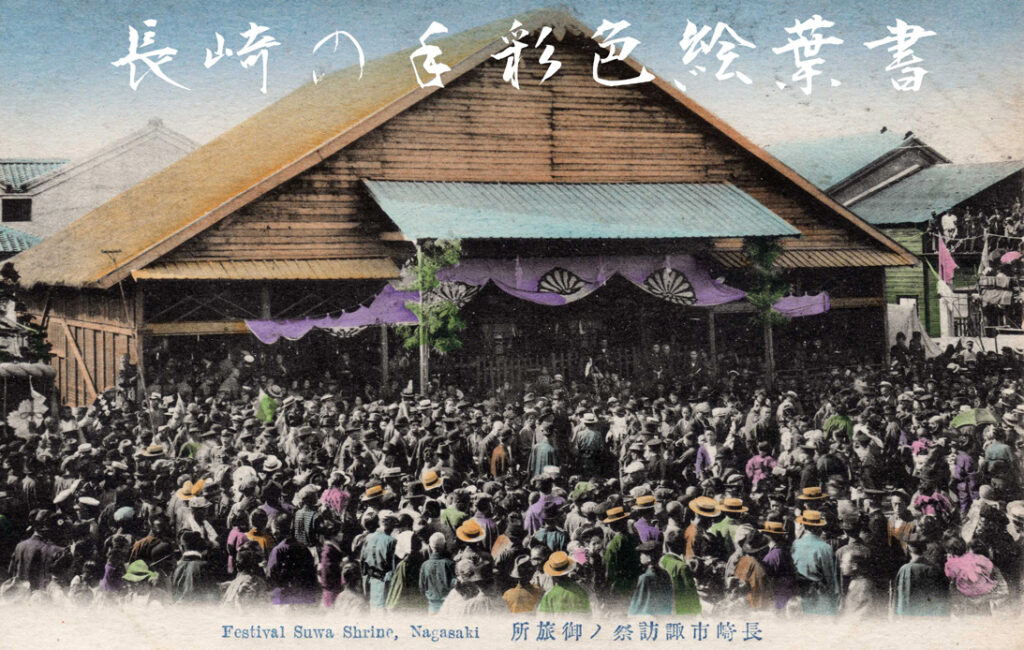
What is Takenin Geishu Acrobatics?
Takenin Geishu Acrobatics is one of Nagasaki Prefecture’s most captivating and distinctive ritual performances, rooted deeply in the traditions of Shintō worship. During this extraordinary event, young performers don fox masks — the sacred messengers of the Shintō deity Inari — and execute a series of breathtaking acrobatic feats as a spiritual offering. The fox, or kitsune, holds a revered place in Japanese religious culture, and watching masked performers channel that mystical energy through physical artistry is a genuinely spine-tingling experience. Events of this kind represent the living thread connecting contemporary Japan to centuries of devotional practice, making this far more than a simple stage show.
For international visitors, the Takenin Geishu Acrobatics 2026 festival offers a rare window through to a side of Japanese culture that rarely appears in mainstream tourism itineraries. in contrast to the commercialised performances found in major cities, this event retains an authentic, community-driven spirit. The sight of masked young performers moving with precision and daring against a backdrop of Shintō ritual creates an atmosphere that is simultaneously sacred and spectacular. Visitors who make the effort to attend often describe it as one of the most memorable cultural experiences of their entire journey through Japan. For anyone passionate about Japan festivals beyond the headline events, this is an essential addition to the 2026 travel calendar.
Best Time to Visit
The Takenin Geishu Acrobatics 2026 event is scheduled across two days: 14 and 15 October 2026. October is an ideal month to visit Nagasaki — the intense summer heat has eased, autumn colours are beginning to emerge across the prefecture’s hills, and outdoor events are genuinely comfortable to attend. The event takes place at a Shintō shrine venue in the Nagasaki region; check the official website at nagasaki-tabinet.com for the precise location, performance start times, and any updated scheduling. Performances may vary in timing across the two days, so arriving early on both days is strongly recommended to secure good viewing positions and soak in the pre-performance atmosphere.
What to Expect
Arriving at the event, visitors enter an environment steeped in the ceremonial weight of a Shintō festival. The grounds will probable be animated with the sounds of traditional music, the scent of incense, and the quiet preparations of performers readying themselves for their ritual duties. Before the main acrobatic sequences begin, there are usually offerings, prayers, and processional elements that underscore the spiritual purpose of the event. Even if you have no prior knowledge of Shintō practice, the solemnity and beauty of these opening moments set a powerful tone. This is not a performance designed purely for entertainment — it is an act of devotion, and visitors are invited to witness it respectfully.
The centrepiece of the Takenin Geishu Acrobatics festival is, of course, the acrobatic performance itself. Young performers wearing fox masks execute feats that genuinely astonish — balancing, tumbling, and moving with a discipline that speaks to years of dedicated training. The combination of the masked costumes, the sacred setting, and the sheer physical skill on display creates a spectacle in contrast to anything most international tourists will have encountered at other venues. The performances are delivered as an offering to the Shintō deity, which lends each sequence a focused intensity. Cameras are generally welcome at outdoor Shintō events, but always observe those around you and follow any instructions issued by event organisers regarding photography.
Highlights & Must-See Moments
- The fox mask acrobatic performance: The defining highlight of the entire event — young performers wearing traditional fox masks carry out extraordinary acrobatic sequences as a sacred offering, blending athletic achievement with spiritual devotion in a way that is deeply unique to this festival.
- Shintō ritual opening ceremonies: The pre-performance ritual elements, including offerings and prayers at the shrine, provide essential cultural context and are deeply moving to witness. Arriving early ensures you experience this often-overlooked dimension of the event.
- The costumed procession: Performers in full ritual attire moving through the shrine grounds create remarkable photographic opportunities and a vivid sense of stepping through to a living piece of Japanese religious heritage.
- The autumn Nagasaki setting: Mid-October in Nagasaki brings pleasant temperatures and early autumn foliage, meaning the natural surroundings of the shrine venue add a further layer of visual splendour to an already spectacular occasion.
Admission & Budget
Admission: Check the official website for current pricing. Many Shintō shrine festivals in Japan are free to attend as public religious events, though some charge a modest entry fee to help cover the costs of staging the performances — the official Nagasaki tourism website at nagasaki-tabinet.com will confirm this ahead of your visit. In terms of overall budgeting, visitors should factor in travel costs to Nagasaki, accommodation in or near the city, and spending money for food stalls and any local crafts or souvenirs that vendors may offer at or near the event venue. October is a popular travel month in Japan, so booking accommodation in Nagasaki in advance is advisable. A day’s budget spanning meals, local transport, and incidental spending in the Nagasaki area might reasonably span ¥5,000 to ¥10,000 per person depending on individual preferences, excluding accommodation.
Practical Tips for Visitors
Comfortable, weather-appropriate clothing is the first priority — October in Nagasaki can be warm during the day and cooler in the evenings, so layering is wise. Wear shoes suitable for walking on shrine grounds, which can include stone paths and uneven surfaces. Arrive at least 30 to 45 minutes ahead of the scheduled performance time to secure a clear sightline, particularly if attending on the first day when crowds may be at their largest. Shintō shrines are sacred spaces, so maintain a respectful demeanour: speak quietly, do not cross barriers or enter restricted areas, and always ask before photographing people in ceremonial dress at close range. Carrying cash is strongly advised, as many Japanese festivals and their surrounding vendors operate on a cash-only basis. A small bottle of water and a folding fan or light jacket will cover most weather scenarios across the two-day event. For broader inspiration on travelling around Japan’s festivals, explore our guide to Japan travel.
How to Get There
The Takenin Geishu Acrobatics 2026 festival is held in Nagasaki Prefecture, on the western coast of Kyushu — Japan’s southernmost main island. Nagasaki City is the primary transportation hub for this region. Visitors travelling via Osaka can reach Nagasaki by shinkansen to Hakata (Fukuoka) and then continuing by limited express train or local rail service; the journey spanning Osaka to Nagasaki City takes approximately four to five hours total by rail. Visitors departing Tokyo should allow around five to six hours by rail via Fukuoka. Nagasaki Airport also handles domestic flights departing Osaka, Tokyo, and other major cities, making a flight-and-train combination a practical option. Once in Nagasaki City, the event venue is accessible via local bus or taxi services; check the official website at nagasaki-tabinet.com for the nearest stop and any shuttle arrangements. If you are travelling by car, Nagasaki City is accessible via the Kyushu Expressway network — check the official website for parking details near the venue. For those planning a broader Kyushu trip, Nagasaki pairs naturally with Fukuoka, Kumamoto, and Beppu, all within reasonable travel distances. Discover more regional event inspiration via our Japan events coverage.
Frequently Asked Questions
When exactly does the Takenin Geishu Acrobatics 2026 take place?
The event runs on 14 and 15 October 2026. Check the official Nagasaki tourism website at nagasaki-tabinet.com for confirmed daily performance times, as these may differ across the two days.
What is the Takenin Geishu Acrobatics admission fee?
Admission: Check the official website for current pricing. The event may be free to attend as a public Shintō ritual, or a modest entry contribution may apply — confirm this detail directly via nagasaki-tabinet.com before your visit.
Can foreigners attend the Takenin Geishu Acrobatics festival?
Absolutely. Shintō shrine events in Japan are generally open to all visitors regardless of nationality, and international tourists are warmly welcomed as respectful observers. English-language information may be limited on-site, so reviewing the official website ahead of your visit and downloading a translation app is highly recommended for first-time visitors.
How do I get to the Takenin Geishu Acrobatics event as a tourist?
The event is held in Nagasaki Prefecture, with Nagasaki City serving as the main access point. Accessible via Nagasaki Station — check current train and bus services for connections departing Fukuoka (Hakata), Osaka, or Tokyo. The official website will provide the most current venue address, local transport options, and any dedicated shuttle or parking information for 2026.
The Takenin Geishu Acrobatics 2026 festival is exactly the kind of extraordinary, off-the-beaten-path cultural encounter that transforms a Japan trip through to something truly unforgettable — so mark those October dates in your travel calendar and make the journey to Nagasaki.


.png)