Chichibu Night Festival 2027: Complete Guide to Japan’s Spectacular Yatai Festival
What is the Chichibu Night Festival?
Counted proudly among the most extraordinary seasonal celebrations in the country, the Chichibu Night Festival 2027 — known in Japanese as Chichibu Matsuri — is one of Japan’s three best festivals, ranking alongside the Gion Matsuri in Kyoto and the Takayama Matsuri in the Japanese Alps. Held annually in early December in the mountain-ringed city of Chichibu in Saitama Prefecture, this festival has been drawing crowds of devoted spectators for over 300 years, its roots stretching back to the Edo period. The celebration centres on the grand Chichibu Jinja shrine, a Shintō sanctuary of considerable spiritual weight, and the festivities serve as an annual thanksgiving offering to the deity Myoken, the guardian of the North Star. What began as a humble market gathering beside the shrine has evolved through to one of the most visually breathtaking winter spectacles in all of Japan festivals.
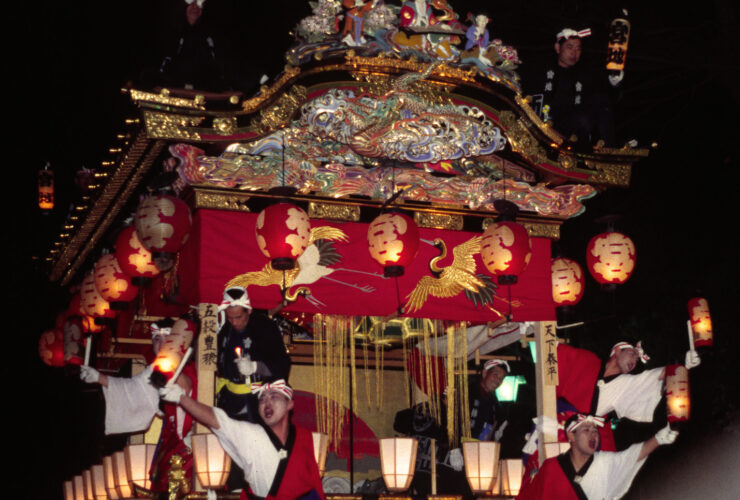
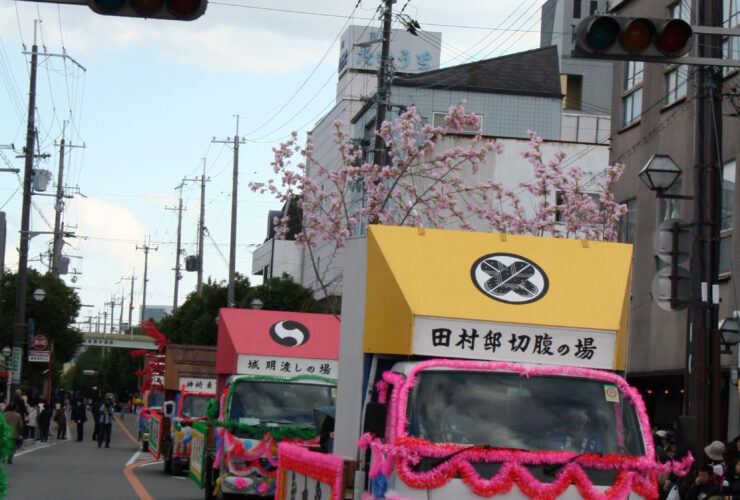
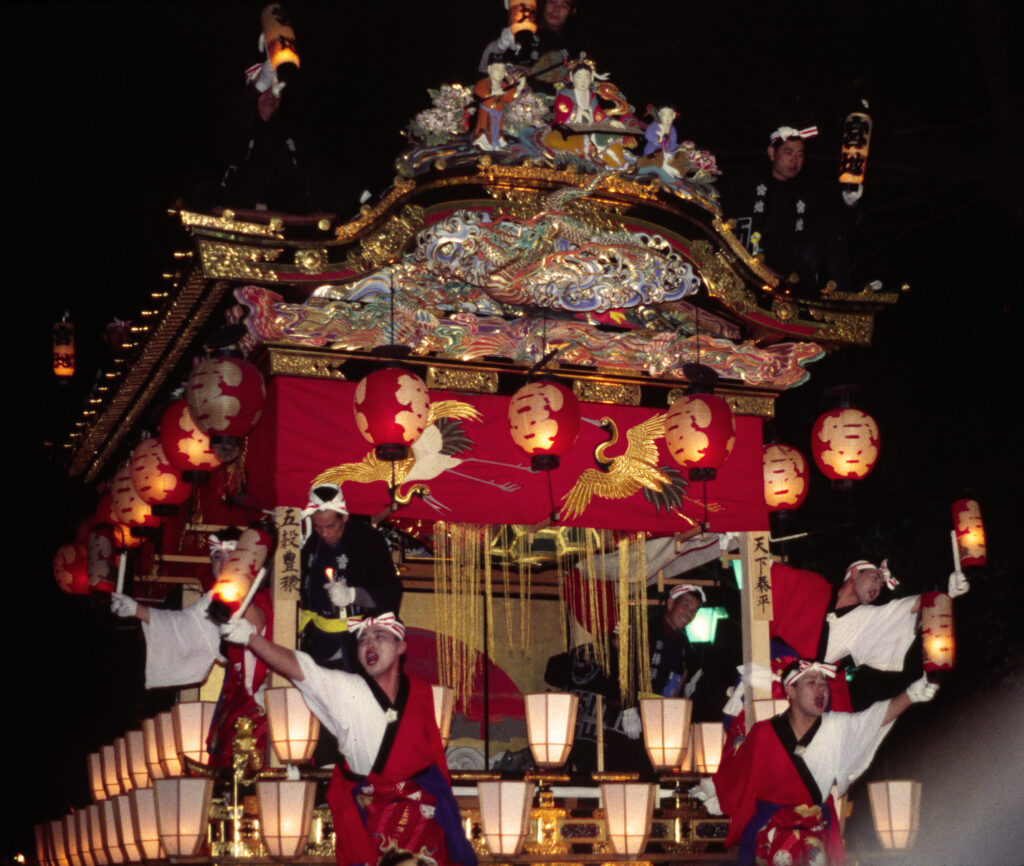
The soul of the Chichibu Matsuri festival lies in its magnificent yatai festival floats — enormous, multi-tiered wooden structures ornately decorated with intricately carved lacquerwork, gold leaf, embroidered curtains, and traditional paper lanterns. These towering floats are not mere props; they are rolling stages upon which performers enact kabuki theatre and traditional music. Each float belongs to a different neighbourhood of Chichibu city, and local residents spend months preparing them with fierce civic pride. International tourists are often stunned by the sheer scale and craftsmanship on display, noting that nothing quite prepares you for the moment a lantern-lit float creaks slowly through to view through the cold December night air. For anyone passionate about Japanese culture, history, and spectacle, this event belongs at the very top of any Japan itinerary.
What makes the Chichibu Night Festival 2027 uniquely compelling for foreign visitors is its deeply authentic character. in contrast to some festivals that have adapted significantly for tourism, Chichibu Matsuri retains its ceremonial heart. The procession involves real community participation — locals dressed in historical costumes, chanting, pulling ropes, and performing roles passed down through generations. It unfolds against a backdrop of cold mountain air, the scent of yakitori grilling on open charcoal fires, and the distant boom of fireworks illuminating the winter sky. Travelling to Chichibu for this festival is not simply attending a cultural event — it is stepping inside a living tradition that has endured wars, earthquakes, and centuries of change.
When and at which to Go
The Chichibu Night Festival 2027 takes place across two days: December 2 (Thursday) and December 3 (Friday), 2027. If you can only attend one day, make it December 3 — this is the main festival day, at which the iconic evening procession of illuminated yatai floats takes place and fireworks light up the sky above Chichibu city. December 2 hosts a gentler, daytime warm-up programme at which visitors can observe float preparations and enjoy the shrine precincts in a less crowded atmosphere.
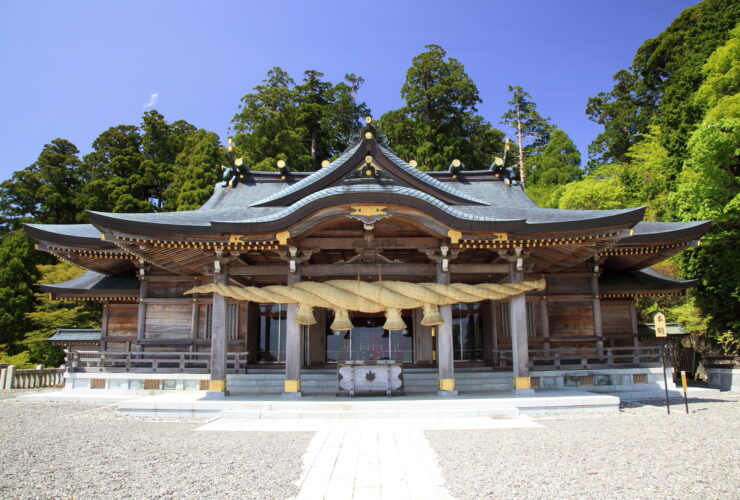
The festival is centred on Chichibu Jinja (Chichibu Shrine), located at 1-3 Banba-cho, Chichibu City, Saitama Prefecture 368-0041. The shrine is approximately a 10-minute walk along the exit of Ohanabatake Station on the Chichibu Railway, or roughly 15 minutes along the exit of Seibu Chichibu Station. The main procession route winds through the central streets of Chichibu city, concluding at Otabashira, the elevated platform area at which the floats are paraded before the fireworks display. Evening events on December 3 typically begin around 6:00 PM, with the fireworks finale launching around 10:00 PM. The daytime programme on December 2 begins at approximately noon. Admission to the public areas is free of charge, though dedicated seating areas may require advance tickets purchased via local tourism offices.
What to Expect
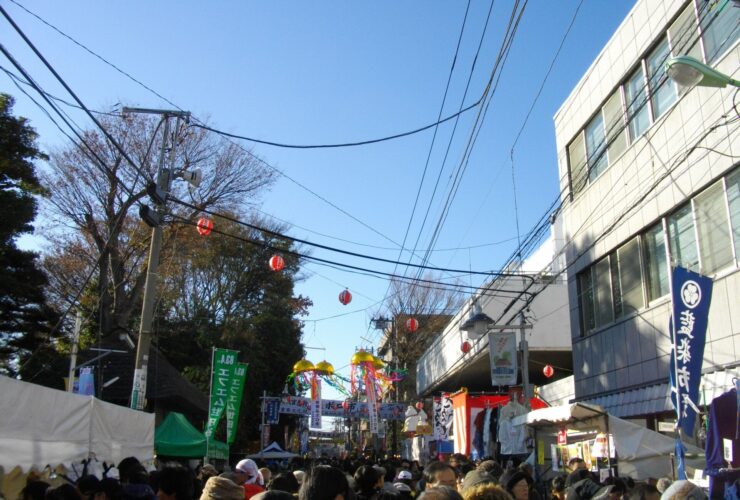
Arriving in Chichibu for the Chichibu Night Festival 2027 is an immediate assault on the senses in the most delightful way possible. The streets surrounding Chichibu Jinja transform through to a dense, bustling corridor of food stalls (yatai) selling steaming bowls of miso-glazed tofu dengaku, skewers of charcoal-grilled yakitori, sweet chestnuts roasted in tumbling black sugar sand, and warm sake poured through to ceramic cups. The smell of woodsmoke mingles with frying batter and the sharp pine-tinged mountain air. Street vendors hawk traditional crafts, paper lanterns, and festival souvenirs, while the steady beat of taiko drums and the piercing sound of flutes builds the atmosphere through to something almost hypnotic. Families in traditional winter haori jackets, groups of friends in yukata layered over thermals, and wide-eyed international tourists all jostle together along the lantern-draped streets — creating that magical combination of intimacy and spectacle that defines Japan’s greatest matsuri.
As dusk falls on December 3 and the procession begins in earnest, the experience escalates to something genuinely extraordinary. Six enormous yatai floats — some standing over six metres tall and weighing many tonnes — are hauled through the narrow streets by teams of robed community members pulling thick hemp ropes, their breath visible in the winter cold. Each float blazes with hundreds of paper lanterns and candles, casting a warm amber glow across the faces of spectators lining every centimetre of the route. Atop the floats, kabuki performers in full make-up and costume deliver dramatic scenes to audiences who crane their necks in reverent silence. The Chichibu Matsuri festival floats evening celebration climaxes in a fireworks display that sends cascades of colour above the dark silhouette of the surrounding Chichibu mountains — a finale so breathtaking it routinely reduces first-time visitors to stunned silence, followed immediately by applause.
Highlights & Must-See Moments
- The Evening Float Procession (December 3, out of 6:00 PM): The undisputed centrepiece of the festival. Watching the six illuminated yatai floats move through the lantern-lit streets is a once-in-a-lifetime visual experience. Secure a spot along the main procession route at least 90 minutes early for the best viewing angle and photography opportunities.
- Kabuki Performances Atop the Floats: Each float doubles as a moving theatrical stage. The decorated festival floats Chichibu Matsuri experience includes watching elaborately costumed kabuki actors perform scenes of classical drama as the float slowly rolls past — an utterly unique juxtaposition of motion and performance.
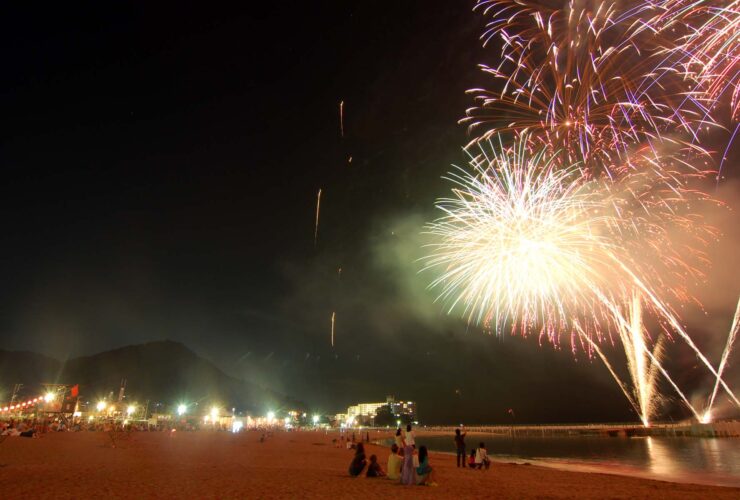
- The Fireworks Grand Finale (approximately 10:00 PM, December 3): The festival closes with a dramatic fireworks display launched above the Chichibu basin. The surrounding mountains act as natural amplifiers, making the booms resonate through your chest. Head to elevated ground near Otabashira for the most panoramic view.
- Chichibu Jinja Shrine Precincts: Visit the shrine itself, a beautifully decorated Shintō sanctuary at which you’ll discover intricately painted carvings and ceremonial sacred spaces rarely described in standard travel guides. Morning visits on December 2 offer the opportunity to observe priests conducting preparatory rituals in relative quiet.
- The Festival Food Street: Do not miss the extraordinary concentration of local Chichibu food culture along the stall-lined streets. Try miso potato (skewered potatoes in miso paste), wara soba (buckwheat noodles unique to the region) while warm sweet sake — all of which are best consumed while standing in the cold December air watching the preparations unfold.
Practical Tips for Visitors
What to wear: December in Chichibu is genuinely cold — temperatures on the night of December 3 regularly drop to amid 2°C and 6°C, with wind chill along the procession route making it feel considerably colder. Layer aggressively: thermal base layer, mid-fleece, and a windproof outer jacket are essential. Hand warmers (kairo, available at any convenience store) are strongly recommended, and waterproof boots or warm ankle boots will serve you far better than trainers on the cold pavement. Do not underestimate how long you may be standing still in the crowd.
Timing and crowd management: The Chichibu Night Festival December 3 evening procession draws crowds well exceeding 120,000 visitors annually, making it one of the most attended December festivals in Japan. Arrive no later than 4:30 PM to claim a good standing spot along the main procession route. Alternatively, attend the December 2 daytime programme for a far less crowded experience of the shrine atmosphere and float preparations. Bring cash — many stalls and vendors operate on a cash-only basis, and ATM access may be limited during peak festival hours. A portable phone charger is wise for a long evening of photography. If you plan to photograph the floats, a fast lens or camera with strong low-light performance will reward you enormously — the lantern lighting is beautiful but challenging for standard smartphone cameras.
How to Get There
Getting to Chichibu for the festival is straightforward, and two main rail routes serve the city out of Tokyo’s western suburban network.
Option 1 — Seibu Chichibu Line (Recommended for speed): Departing Seibu Ikebukuro Station in Tokyo, take the Seibu Ikebukuro Line directly to Seibu Chichibu Station. The Limited Express “Laview” service covers the journey in approximately 80 minutes. Chichibu Jinja is a 15-minute walk along the station exit. Note that during the festival, additional services are laid on, but trains become extremely crowded in the late evening — plan your return journey carefully and consider departing before the fireworks if you prefer a comfortable ride back.
Option 2 — Chichibu Railway: Riders joining via Kumagaya Station (accessible via the JR Shinkansen or JR Takasaki Line departing Ueno or Omiya stations) can board the Chichibu Railway and alight at Ohanabatake Station, the closest stop to Chichibu Jinja — approximately a 10-minute walk along the station exit. This route is useful for visitors travelling out of the greater Kanto area who do not wish to transit through central Tokyo.
By car: Driving is officially discouraged on December 3 due to road closures throughout central Chichibu. If you must drive, use the designated park-and-ride facilities on the city outskirts and take shuttle buses through to the centre. Traffic congestion can be severe spanning the afternoon through to midnight.
Nearby Attractions
Nagatoro Gorge (Nagatoro Valley): Located roughly 20 minutes by rail along the Chichibu Railway out of Chichibu city, Nagatoro offers spectacular riverside scenery at which visitors can experience traditional wooden boat rides through dramatic rock formations. In early December the autumn foliage often lingers at lower elevations, making it a worthwhile half-day addition to any Chichibu trip. The gorge is less crowded in winter and carries a haunting, beautiful stillness reminiscent of a classical Japanese woodblock print.
Mitsumine Shrine (Mitsuminejinja): Perched high in the Chichibu mountains, Mitsumine Shrine is one of the most spiritually significant Shintō sanctuaries in the Kanto region, reachable via bus departing Seibu Chichibu Station. The approach through cedar forests and the dramatic mountain location — at which the shrine is said to be guarded by wolf deities — makes it an unforgettable counterpoint to the festivity of the Night Festival. Visit on December 2 for a serene morning before descending through to Chichibu city for the evening programme.
Chichibu Whisky Distillery (Venture Whisky / Ichiro’s Malt): Chichibu has earned an unexpected but passionate global following among whisky enthusiasts as the home of Ichiro’s Malt, produced at the Chichibu Distillery. While tours require advance reservation and availability is limited, whisky lovers will find bottles of Chichibu single malt available at specialist shops in the city centre — a remarkable souvenir of a festival visit. For fans of Japan travel who appreciate fine spirits, this is a genuine discovery.
Frequently Asked Questions
Q: When is the Chichibu Night Festival 2027, and what are the exact dates?
A: The Chichibu Night Festival 2027 runs across two days: December 2 and December 3, 2027. The main highlight is the evening of December 3, at which the famous yatai float procession and fireworks display take place. The evening programme typically begins around 6:00 PM, with fireworks concluding near 10:00 PM. December 2 features a quieter daytime programme well-suited for visitors who want a less crowded experience of the shrine and float preparations.
Q: How do I get to the Chichibu Night Festival out of Tokyo?
A: The easiest route out of Tokyo is via the Seibu Ikebukuro Line, departing Seibu Ikebukuro Station and taking the Limited Express “Laview” service directly to Seibu Chichibu Station — a journey of approximately 80 minutes. Chichibu Jinja shrine and the festival zone are a 15-minute walk along the station exit. On festival days, additional train services operate, but return trains after the fireworks fill very rapidly, so plan your departure time in advance.
Q: Is the Chichibu Night Festival free to attend?
A: Yes, general admission to the public viewing areas and the procession route is free of charge. However, dedicated seating areas with reserved positions along the route may require tickets purchased in advance through Chichibu City Tourism or authorised booking agents. These tickets can be in high demand, particularly for optimal fireworks-viewing areas, so early research and booking are advised for the Chichibu Night Festival 2027.
Q: What should I wear to the Chichibu Night Festival in December?
A: Dress very warmly. December nights in Chichibu are genuinely cold, with temperatures frequently dropping to 2–6°C, and the wind chill along the open procession streets can make it feel colder still. Thermal layers, a warm outer jacket, gloves, a hat, and sturdy warm footwear are all essential. Japanese convenience stores along the route sell disposable hand warmers (kairo) for a small cost — these are invaluable for a long evening of standing outdoors.
Q: Why is the Chichibu Night Festival considered one of Japan’s three best festivals?
A: The Chichibu Matsuri festival is ranked among Japan’s three great float festivals alongside Kyoto’s Gion Matsuri and Gifu’s Takayama Matsuri. This distinction reflects the exceptional scale and craftsmanship of the yatai floats, the unbroken historical tradition spanning over 300 years, the unique combination of kabuki theatre performed atop moving floats, and the spectacular fireworks display — all set against an atmospheric mountain winter backdrop. Very few festivals in Japan combine cultural depth, artistic achievement, and visual spectacle at this level, making it essential viewing for serious Japan enthusiasts. For more outstanding celebrations across the country, explore our guide to Japan events.
The Chichibu Night Festival 2027 is, without question, one of those rare travel experiences that exceeds every expectation. The sight of great lantern-blazing floats rolling through lantern-lit streets in the cold December mountain air, accompanied by the ancient sounds of taiko and flute and the distant crack of fireworks above the peaks, is the kind of memory that stays with a traveller for decades. Whether you are planning your first visit to Japan or returning as a seasoned explorer of its festivals and traditions, clearing your schedule for December 2–3, 2027 and making the journey out to Saitama Prefecture is an investment in wonder you will not regret. Begin planning early — trains sell out, accommodation in the area fills months in advance, and the Chichibu Night Festival tourist guide 2027 2028 season comes around only once a year. Do not let it pass you by.