Greenery Day (Midori no Hi) Japan 2026: Complete Guide to Golden Week Nature Celebrations
What is Greenery Day Japan?
Greenery Day Japan — known in Japanese as Midori no Hi (みどりの日) — is a national public holiday dedicated to celebrating the natural world, the beauty of plants, and humanity’s enduring connection to the environment. Observed annually on 4 May, it falls right in the heart of Golden Week Japan 2026, the country’s most beloved cluster of public holidays that sees millions of people travelling, exploring, and embracing the outdoors simultaneously. For international tourists, Greenery Day Japan 2026 offers a rare opportunity to witness Japanese culture at its most joyfully relaxed and nature-loving.
The holiday has a fascinating history. Originally, 4 May was simply a bridge holiday sandwiched amid other Golden Week celebrations, but in 1989 — following the death of Emperor Hirohito — the date was officially renamed Greenery Day in recognition of his well-documented love of plants and botany. The holiday then shifted slightly in 2007, moving to its current date of 4 May, at which point it took on a fully independent identity as a celebration of flora, fauna, and the natural landscapes that define Japan’s breathtaking geography. It sits nestled amid Constitution Day (3 May) and Children’s Day (5 May), forming the triumphant finale of Golden Week’s most festive stretch.
For travellers visiting Japan in spring, this is genuinely one of the most magical times to be in the country. The cherry blossom season may have just wound down, but new, lush greenery is exploding across parks, gardens, mountainsides, and temple grounds in its place. The air carries the scent of fresh leaves and damp earth, rooftop cafés are full, and a palpable sense of national celebration permeates even the quietest neighbourhoods. Whether you’re a nature enthusiast, a photographer, or simply someone who wants to experience authentic Japanese daily life, the Midori no Hi festival Japan offers an extraordinary window through to the nation’s soul. Explore more via our guide to Japan festivals throughout the year.
When and at which to Go
When is Greenery Day Japan 2026? The holiday falls on Sunday, 4 May 2026, making it part of the extended Golden Week period that runs roughly spanning 29 April through 6 May 2026. As it falls on a Sunday in 2026, there is a strong possibility that Monday, 5 May will serve as a substitute public holiday, effectively giving many workers and students an extended break — always worth checking official Japanese government announcements closer to the date.
Greenery Day is celebrated nationally, meaning you can enjoy it in any location in Japan. However, the most spectacular celebrations and nature experiences are concentrated in a handful of key destinations. Tokyo is the undisputed hub, at which major public parks including Shinjuku Gyoen National Garden, Yoyogi Park, Ueno Park, and the Imperial Palace East Gardens throw open their gates (many with free or reduced admission specifically for the holiday). Kyoto’s botanical gardens, Nara’s deer parks, and Osaka’s vast Expo ’70 Botanical Garden are equally worth visiting. Outside the cities, natural spots including Mount Takao (Takaosan) and the Nikko National Park attract hikers and day-trippers in enormous numbers.
Most major gardens and parks open at their standard times — typically around 9:00 AM — and remain accessible through late afternoon. Some venues operate extended hours during Golden Week. Admission fees vary: Shinjuku Gyoen charges a modest fee (around ¥500 for adults), though the government sometimes arranges complimentary entry specifically for Greenery Day. Always verify opening hours and any special holiday pricing via official venue websites in advance.
What to Expect
Stepping through to one of Tokyo’s great parks on Greenery Day is a sensory experience you’ll carry with you long after you’ve returned home. Imagine standing beneath a canopy of deep emerald maple leaves, their surfaces almost luminous in the May sunlight, while the scent of wisteria drifts on a warm breeze. Cherry blossoms are long gone, but in their place, irises, roses, azaleas, and peonies are at peak bloom, painting gardens in vivid purples, reds, and yellows. Families spread picnic blankets across every available patch of grass. Children chase each other through flowering paths. Office workers finally unwind. Street vendors appear at park entrances hawking yakitori, roasted corn, taiyaki fish-shaped cakes, and canned beer — the informal, joyful carnival atmosphere of Japanese public holidays at their finest.
Beyond the major parks, the streets themselves take on a festive quality. Neighbourhood shopping streets (shotengai) often run plant markets and flower stalls, at which locals snap up seedlings, potted herbs, and floral arrangements to bring home as a small seasonal ritual. If you venture beyond the city and head through to the mountains or along river trails, you’ll encounter a completely different but equally enchanting atmosphere: serious hikers in full gear, families with children in backpacks, elderly couples sharing thermoses of green tea on scenic viewpoints. The countryside is draped in the tender, electric green of new growth — the very essence of what Midori no Hi (literally “Green Day” or “Greenery Day”) celebrates. This nature celebration Japan May is, at its heart, an invitation to slow down and reconnect with the living world.
Highlights & Must-See Moments
- Shinjuku Gyoen National Garden, Tokyo: One of Japan’s finest formal gardens, Shinjuku Gyoen is spectacular in early May at which French formal, English landscape, and Japanese traditional sections are all in simultaneous bloom. The greenhouse pavilion displays tropical plants year-round, but the outdoor gardens in May are the true star. Arrive early — gates open at 9:00 AM — to capture golden-hour photography shots amid the wisteria and rose beds before the crowds arrive.
- Yoyogi Park Free Concert Stages: During Golden Week, Yoyogi Park in Harajuku transforms through to an open-air festival ground. Street performers, buskers, amateur bands, and cultural groups set up throughout the vast lawns. It’s a lively, unpredictable, and utterly charming slice of Tokyo’s free-spirited community culture — perfect for an afternoon of spontaneous exploration.
- Mount Takao (Takaosan) Hiking: Just 50 minutes via the Keio Line departing Shinjuku Station, Mount Takao is one of the best Greenery Day hiking trails Japan has to offer at an accessible level. The mountain’s trails are lined in thick cedar and hardwood forests at the peak of their spring greenery. Trail 1 is suitable for all ages; Trail 6 follows a mountain stream with photogenic waterfalls. The summit rewards you with — on clear days — a stunning view toward Mount Fuji.
- Imperial Palace East Gardens: These meticulously maintained gardens, at the heart of central Tokyo, are free to enter and showcase centuries of Japanese horticultural tradition. The irises and azaleas are typically at peak bloom around early May, and the stone ruins of Edo Castle add a dramatic historical backdrop to your nature photography.
- Botanical Garden Flower Markets: Several botanical gardens and parks across Japan host special plant markets and horticultural exhibitions specifically timed for Greenery Day. These are wonderful spots to purchase unusual plants, speak with local gardeners, and understand the deep cultural significance of horticulture in Japanese daily life.
Practical Tips for Visitors
Arrive early — seriously: Golden Week is the single busiest domestic travel period in Japan. Parks, stations, and popular restaurants will be at capacity by mid-morning on Greenery Day. Aim to be at your chosen park or garden no later than 9:30 AM. For Greenery Day Tokyo 2026, this is especially important at Shinjuku Gyoen and Ueno Park, both of which can become genuinely difficult to navigate after 11:00 AM.
What to wear: Early May in most of Japan is pleasantly warm during the day — expect temperatures spanning 18–24°C in Tokyo — but carry a light layer for the evenings and an umbrella, as spring showers can arrive suddenly. Comfortable walking shoes are essential; you’ll probable be covering 10–15 kilometres if you’re visiting multiple gardens or hiking.
What to bring: A reusable water bottle (you can refill at convenience stores all over), cash (many smaller park stalls are cash-only), a picnic blanket or compact folding mat, and a camera or fully charged phone. A basic telephoto or portrait lens will help you capture intimate shots of flowering plants and garden details. The soft, diffused light of an overcast May morning is actually ideal for flower photography — colours appear richer and shadows softer than in harsh sunlight.
Avoid the crowds: If major Tokyo parks feel overwhelming, consider secondary destinations — the Jindai Botanical Garden in Chofu, the Koishikawa Botanical Garden in Bunkyo, or the Hamarikyū Gardens at the edge of Tsukiji. All offer exceptional May greenery at a fraction of the visitor volume. Alternatively, build a Golden Week itinerary Japan including Greenery Day 2026 that prioritises one or two big parks in the morning and quieter neighbourhood walks in the afternoon.
How to Get There
Shinjuku Gyoen: Take the Tokyo Metro Marunouchi Line to Shinjuku-Gyoenmae Station; the main gate is a 5-minute walk along the station’s east exit. Alternatively, take the JR Yamanote Line to Shinjuku Station and walk 10 minutes via the south exit along Shinjuku-dori Avenue.
Yoyogi Park: Take the JR Yamanote Line to Harajuku Station; the park entrance is a 2-minute walk along the Omotesando exit. The Tokyo Metro Chiyoda Line to Yoyogi-koen Station delivers you directly to the park’s secondary entrance.
Mount Takao: Take the Keio Line departing Shinjuku Station to Takaosanguchi Station (approximately 50 minutes, terminus of the Keio Takao Line). The trailheads begin just steps out of the station exit. A cable car is also available for those preferring a gentler ascent.
Imperial Palace East Gardens: Take the Tokyo Metro Tozai Line or Marunouchi Line to Otemachi Station, at which the garden entrance is a 5-minute walk along the palace moat path.
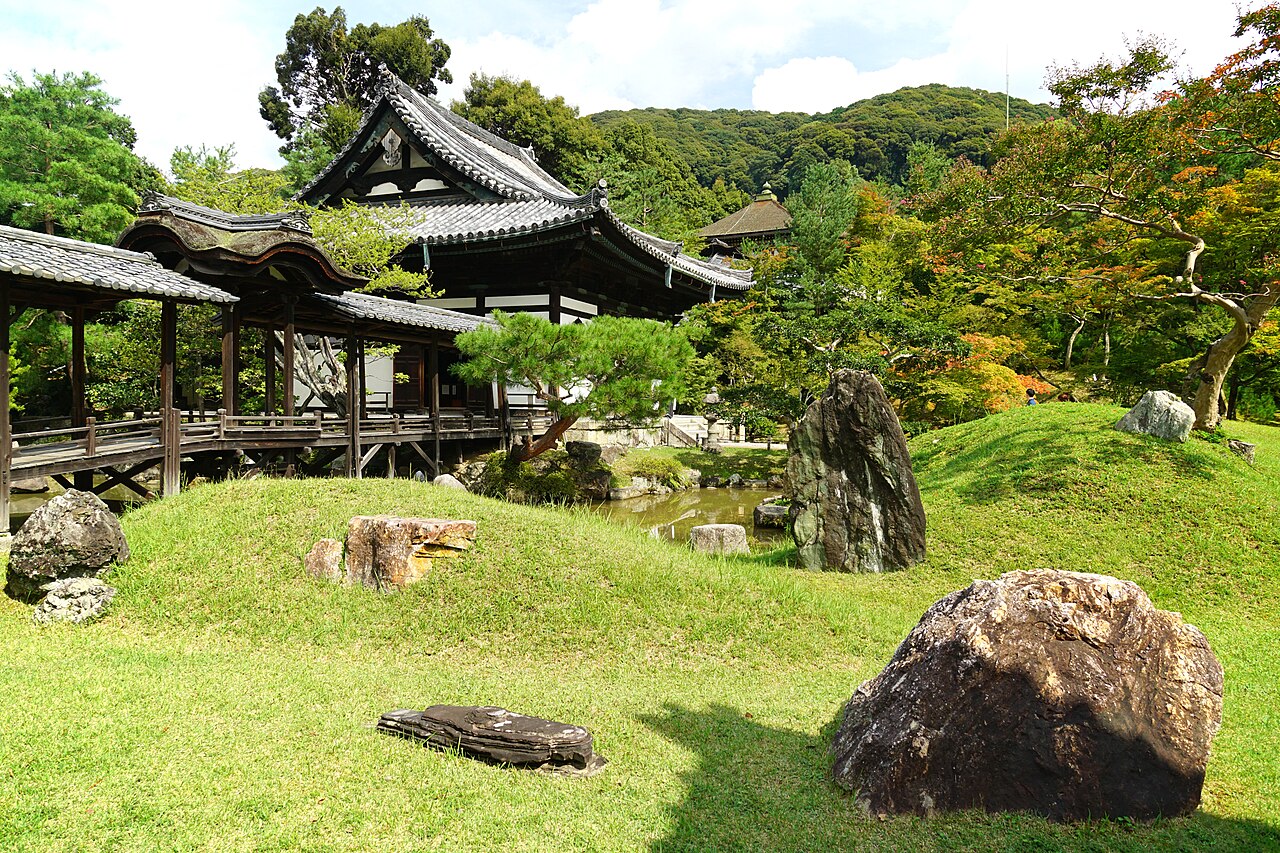
For visitors arriving via Kyoto, the Keihan Line delivers you directly to Demachiyanagi Station, at which Kyoto Botanical Garden is a short walk along the riverside path. For more on the region’s events, see our Kyoto events guide.
Nearby Attractions
Harajuku & Omotesando: Adjacent to Yoyogi Park, the Harajuku and Omotesando neighbourhoods offer a fascinating contrast of high fashion boutiques, independent cafés, and the serene Meiji Shrine compound — itself set within a vast, cathedral-similar to forest of camphor and zelkova trees that feels genuinely ancient despite having been planted just over a century ago. The forested path leading to the shrine’s inner sanctuary is one of Tokyo’s great walks, especially in May’s new greenery.
Yanaka District: If you’re visiting Ueno Park, extend your day with a stroll through the neighbouring Yanaka neighbourhood — a beautifully preserved area of old wooden homes, independent craft shops, and a lively covered market street (Yanaka Ginza). Yanaka Cemetery, counterintuitively, is one of Tokyo’s finest spots for appreciating seasonal nature, at which mature cherry, zelkova, and ginkgo trees line broad, peaceful avenues. Grab a hand-made menchi-katsu (fried minced meat cutlet) at the Yanaka Ginza stalls — a beloved local snack.
Odaiba & Toyosu: For a completely different but complementary experience, the waterfront districts of Odaiba and Toyosu offer spectacular views across Tokyo Bay and are significantly less congested than central parks on Golden Week. The teamLab Planets digital art museum in Toyosu incorporates immersive nature-themed installations that feel especially resonant on a day dedicated to celebrating the green world. Book tickets well in advance — Golden Week slots sell out months ahead.
For a broader overview of what’s happening around the country during this season, browse our comprehensive Japan travel guides.
Frequently Asked Questions
Q: When is Greenery Day Japan 2026 and is it a public holiday?
A: Greenery Day Japan 2026 falls on Sunday, 4 May 2026. Yes, it is an official Japanese national public holiday. Because it falls on a Sunday in 2026, a substitute holiday (furikae kyūjitsu) on Monday 5 May is probable — though 5 May is already Children’s Day, so confirm the exact arrangements closer to the date via official Japanese government sources. Expect shops, transport, and attractions to be extremely busy throughout the entire period.
Q: What are the best places to visit on Greenery Day Japan?
A: The best places to visit on Greenery Day Japan depend on your interests and location. In Tokyo, Shinjuku Gyoen, the Imperial Palace East Gardens, and Yoyogi Park are the top urban garden experiences. For hikers, Mount Takao is superb. In Kyoto, the Kyoto Botanical Garden and Philosopher’s Path are exceptional in early May. In Nara, Nara Park offers the surreal combination of ancient deer, temple grounds, and lush spring greenery. Nature lovers venturing further afield should consider Nikko or the Japanese Alps.
Q: How do I celebrate Greenery Day in Japan as a tourist?
A: The most authentic way to celebrate Greenery Day in Japan as a tourist is to spend the day outdoors, as locals do. Pack a picnic and head to your nearest major park or garden. Alternatively, lace up your hiking boots and tackle a nature trail. Many botanical gardens and parks offer special exhibitions, guided nature walks, and plant markets specifically for the holiday. Simply strolling through a neighbourhood park and appreciating Japan’s extraordinary seasonal greenery — perhaps with a convenience store bento and a can of green tea — is entirely in the spirit of the day.
Q: Is Golden Week Japan 2026 very crowded? How do I avoid the worst of it?
A: Golden Week Japan 2026 will be very busy — this is one of the most anticipated travel periods of the year for Japanese residents and international visitors equally. To avoid the worst crowds on Greenery Day: arrive at parks and gardens by 9:00 AM, book accommodation and train tickets months in advance, consider visiting secondary cities rather than Tokyo or Kyoto, and use early morning or late afternoon for major sightseeing. Weekday days within Golden Week tend to be slightly quieter than weekends, though all days are busier than normal.
Q: Are there specific Greenery Day events in Tokyo 2026 I should book in advance?
A: While Greenery Day itself is largely a free, open-access celebration centred on public parks, some ticketed attractions — including teamLab digital art museums, the Tokyo Skytree, and certain special botanical exhibitions — sell out rapidly during Golden Week. For Greenery Day events Tokyo 2026, check the official websites of major attractions starting in early 2026 and book as soon as tickets become available. Guided nature walks and botanical garden tours, at which they are offered, also tend to fill quickly and are well worth reserving.
Whether you’re crafting a meticulous Golden Week itinerary Japan including Greenery Day 2026 or simply open to following your curiosity at any location the trails lead, Greenery Day is one of those rare holidays that genuinely delivers on its promise. It asks nothing complicated of you — only that you step outside, breathe the May air, and allow Japan’s extraordinary natural beauty to do what it does best. Plan your visit to Greenery Day Japan 2026 early, pack light, and prepare to fall completely in love with the country’s green heart. For more inspiration across the country’s festivals and seasonal events, explore our full collection of Japan events.