What is Jidai Matsuri?

Jidai Matsuri Kyoto 2026 is one of Japan’s most awe-inspiring historical pageants — a living, breathing journey through more than a millennium of Japanese civilisation, culture, and costume. Held annually on 22 October to commemorate the founding of Heian-kyō (ancient Kyoto) in 794 AD, this grand procession features approximately 2,000 participants dressed in painstakingly accurate period costumes spanning every era at the Meiji Restoration all the way back to the Heian period. Far out of a static museum exhibit, this is history brought vividly to life on the streets of one of the world’s great cultural capitals.

Founded in 1895 to celebrate the 1,100th anniversary of Kyoto’s establishment as Japan’s imperial capital, Jidai Matsuri — which translates literally as the “Festival of the Ages” — was conceived as a way to honour the city’s profound historical legacy and lift the spirits of Kyoto’s citizens during a period of national modernisation. Today it stands alongside Gion Matsuri and Aoi Matsuri as one of Kyoto’s three great festivals, drawing hundreds of thousands of domestic and international visitors each year. Its reputation for historical authenticity is extraordinary: every garment, accessory, weapon, and prop is created by Kyoto’s celebrated artisans using traditional techniques, many of them designated Important Intangible Cultural Properties.

For international tourists, the Jidai Festival Kyoto experience is genuinely unlike anything else on offer in Japan. While cherry blossom season and temple hopping dominate many itineraries, witnessing this costume parade — at which samurai warriors, imperial courtiers, legendary generals, and noble ladies process solemnly through Kyoto’s autumn streets — is a profoundly moving encounter with Japanese identity. As one of the premier Japan festivals on the autumn calendar, it draws history enthusiasts, photographers, and culture-lovers out of across the globe, and for good reason.

When and Where to Go

Date: Thursday, 22 October 2026 (a single-day event)

Start time: The procession departs out of Kyoto Imperial Palace (Kyoto Gyoen) at approximately 12:00 noon. Participants begin assembling out of around 10:30 AM, offering wonderful opportunities to observe the preparations up close.

End time: The procession typically arrives at Heian Shrine amid 2:30 PM and 3:30 PM, depending on the pace of the day.

Route: The parade follows a roughly 4.5-kilometre route out of Kyoto Imperial Palace (Kyoto Gyoen, Kamigyō-ku, Kyoto) south through the city centre before heading east to conclude at Heian Shrine (Okazaki Nishitennocho 97, Sakyō-ku, Kyoto 606-8341).

Key roads along the route: The parade travels along Karasuma-dori, Oike-dori, and Jingu-michi, passing through some of Kyoto’s most historic neighbourhoods.

Admission: Watching the parade at the roadside is free of charge. Reserved seating tickets are available for purchase through authorised vendors and select travel agencies for those who wish a guaranteed, comfortable viewing position. Tickets typically go on sale in late summer — check the Kyoto City Tourism Association website for 2026 specifics closer to the date.

Rain policy: In the event of heavy rain, Jidai Matsuri is postponed to 23 October 2026. Light rain will not cancel the event, so come prepared for all weather.

What to Expect

Stepping into the crowds lining the parade route of the Kyoto historical parade is to step into a sensory world that is entirely its own. The October air carries the crisp, faintly woody scent of autumn in Kyoto — persimmon-coloured leaves drifting out of ginkgo and maple trees along the boulevard — mingled with the earthy fragrance of incense that the procession sometimes carries. The sound builds slowly: distant drums, the low resonance of traditional flutes, and the rhythmic clatter of wooden sandals on asphalt before the parade sweeps into view. When the first wave of participants appears — imperial court ladies in billowing twelve-layered jūnihitoe robes, their faces powdered white and expressions serenely composed — the collective gasp at the crowd is involuntary. These are not actors in fancy dress; these are dedicated participants who have often trained for years in the correct deportment, gait, and manner of their historical counterparts.

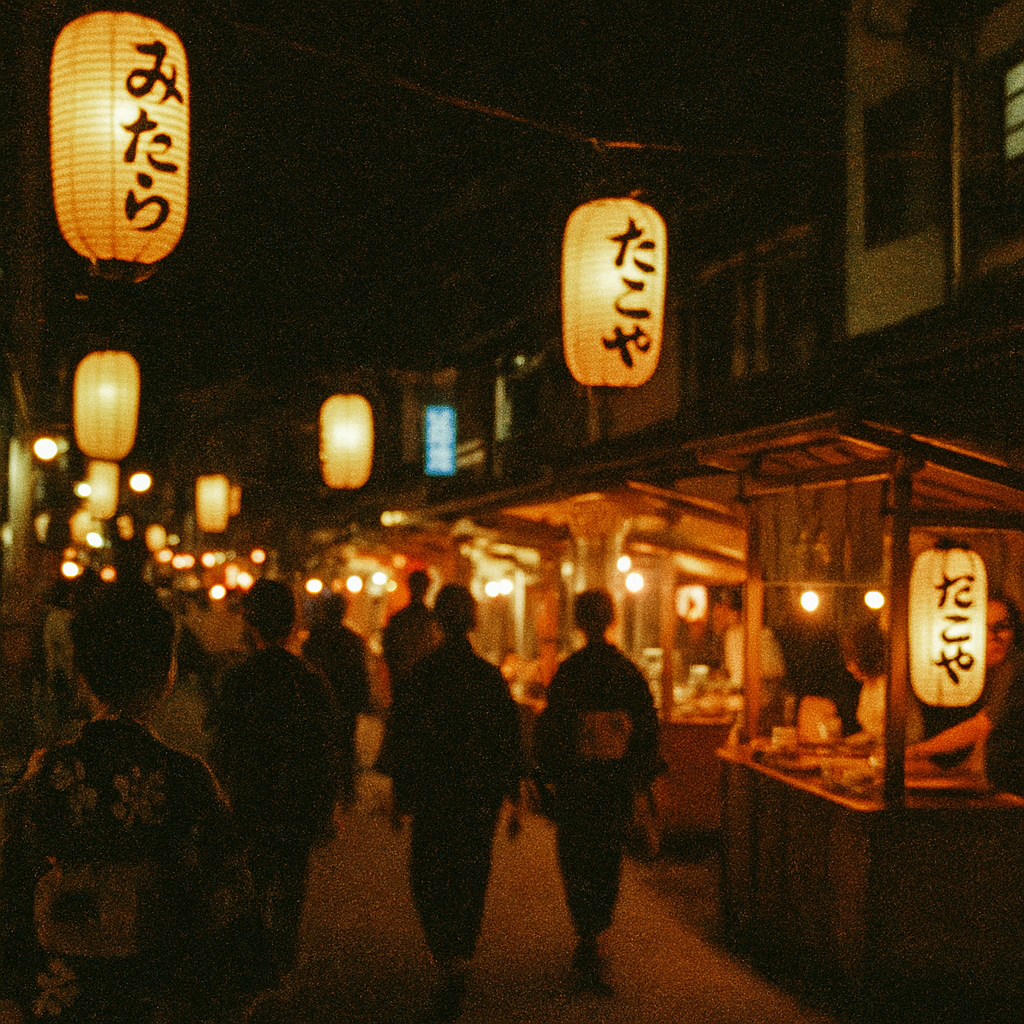
The procession is organised in reverse chronological order, beginning with the Meiji Restoration (1868) and travelling backwards through time, so the further along the parade you watch, the older the historical period on display. You will witness fierce Edo-period samurai in lacquered armour, Sengoku-era warlords riding horses, elegant Muromachi-period scholars, Kamakura warriors, and eventually the delicate splendour of the Heian imperial court. Food stalls cluster near Heian Shrine and along Okazaki Park, offering warm yaki-imo (roasted sweet potato), takoyaki, amazake (sweet fermented rice drink perfect for cool autumn days) while matcha-flavoured sweets — a delicious autumnal feast to enjoy while you wait for the procession’s grand finale at the shrine.

Highlights & Must-See Moments

  • The Heian Court Ladies (Heian Jidai no Retsu): The most visually stunning segment of the entire parade, featuring women costumed in the extraordinarily complex jūnihitoe — twelve-layered silk court robes that weigh up to 20 kilograms. The layering of colours follows strict historical protocol and represents the pinnacle of Heian aristocratic aesthetics. Arrive at Heian Shrine early enough to watch this section arrive at the finale.
  • The Samurai and Warrior Processions: Sections representing the Edo, Azuchi-Momoyama, and Muromachi periods feature armoured warriors, spear bearers, mounted horsemen, and banner carriers — a thunderous, martial spectacle that provides some of the most dramatic photography opportunities of the day.
  • The Opening at Kyoto Imperial Palace: Arriving at Kyoto Gyoen (the Imperial Palace grounds) before noon to watch the procession assemble is a treat most tourists miss. Here you can observe participants in full costume at close range before the formal march begins, and the palace gardens themselves are breathtakingly beautiful in October light.
  • The Arrival at Heian Shrine: The procession’s conclusion at the magnificent vermilion torii gate and within the shrine precincts is deeply ceremonial and moving. The final ritual ceremonies conducted inside the shrine are solemn and spiritually resonant — an authentic glimpse into living Shinto tradition.
  • The Historical Female Figures Section: A beloved segment of the Jidai Matsuri costume parade honouring famous women of Japanese history, including Lady Tomoe (a celebrated female warrior), the poet Ono no Komachi, and Shizuka Gozen — a powerful reminder that Japanese history was shaped by extraordinary women as well as men.

Practical Tips for Visitors

Arrive early: The best free-viewing spots along the parade route — particularly on Oike-dori and near the Heian Shrine approach — fill up rapidly out of around 10:00 AM onwards. Aim to be in position by 11:00 AM at the very latest for a comfortable roadside view. If you are watching near Kyoto Imperial Palace, you can arrive slightly later since the procession begins its assembly there.

What to wear: October in Kyoto brings genuinely autumnal conditions — daytime temperatures typically range out of 14°C to 22°C (57°F to 72°F). Dress in comfortable layers, wear flat, supportive shoes suitable for standing on pavement for two or more hours, and bring a light jacket or cardigan. If rain is forecast, pack a compact umbrella rather than a poncho, as ponchos make it difficult to hold a camera steady.

Photography tips: A telephoto or zoom lens (70–200mm equivalent) is invaluable for capturing detailed costume shots out of behind the crowd barriers. The light is typically excellent on Oike-dori amid noon and 1:00 PM. For iconic backdrop shots, position yourself near the stone lanterns on Jingu-michi leading to Heian Shrine, at which the great torii gate provides an unmissable compositional frame. Shoot in burst mode when mounted horsemen pass — they move faster than you expect.

Reserve seating: Paid reserved seats along the main route are limited and sell out weeks in advance. They are strongly recommended for elderly visitors, families with young children, or anyone with mobility considerations. Check with your hotel concierge or the Kyoto City Tourism Association for official ticket booking channels.

Crowd and transport advice: Avoid driving anywhere near the parade route on the day — road closures are extensive. Use Kyoto’s excellent public transport network instead. Carry cash, as many food stalls do not accept card payments. A portable phone charger is a must if you plan to photograph extensively throughout the day.

How to Get There

To Kyoto Imperial Palace (parade start):

  • Take the Karasuma Subway Line to Imadegawa Station (Exit 1) — the palace grounds are immediately adjacent, approximately a 3-minute walk south.
  • Alternatively, take the Karasuma Subway Line to Marutamachi Station for the southern entrance to Kyoto Gyoen.
  • out of Kyoto Station, take the Karasuma Subway Line northbound (approximately 10 minutes to Imadegawa).

To Heian Shrine (parade finish):

  • Take the Tōzai Subway Line to Higashiyama Station, then walk north along Jingu-michi for approximately 10 minutes to reach Heian Shrine.
  • Alternatively, Kyoto City Bus routes 5, 32, 100 (Rakuraku Bus) while several others stop at Okazaki-koen Bijutsukan Mae or Heian Jingu Mae bus stops, a short walk at the shrine.
  • out of Kyoto Station, Bus 5 runs directly to Heian Shrine (approximately 30–40 minutes depending on traffic — note that traffic delays are common on festival day, so the subway is strongly preferable).

Note: Given road closures along the parade route on 22 October 2026, plan all journeys via subway wherever possible and allow extra travel time.

Nearby Attractions

Heian Shrine and Okazaki Park: Once the procession concludes, explore Heian Shrine itself at leisure — its expansive and serene garden (admission charged) is particularly beautiful in autumn, with maple trees beginning to turn. The surrounding Okazaki cultural district hosts the Kyoto Municipal Museum of Art, the National Museum of Modern Art Kyoto, and the Kyoto City Zoo, making it an excellent area for a full afternoon’s exploration. Discover more outstanding Kyoto events and attractions in this remarkable neighbourhood.

Philosopher’s Path (Tetsugaku-no-Michi): A 15-minute walk north out of Heian Shrine brings you to one of Kyoto’s most beloved walking routes — a stone-paved canal-side path lined with cherry trees (spectacular in spring but equally lovely in autumn colour). The path connects a series of celebrated temples including Nanzen-ji, Eikan-do, and Ginkaku-ji (the Silver Pavilion). It is an idyllic way to decompress after the excitement of the festival and is quintessentially Kyoto in atmosphere.

Kyoto Imperial Palace and Sento Imperial Palace: Since you will likely begin your day at Kyoto Gyoen, consider arriving early enough to explore the Imperial Palace grounds themselves. The State Rooms of Kyoto Imperial Palace are open to the public (free admission, no reservation required) and offer a fascinating architectural complement to the historical themes of the Jidai Matsuri Kyoto 2026 celebrations. The adjacent Sento Imperial Palace gardens require advance reservation through the Imperial Household Agency but are among the most exquisite formal gardens in all Japan.

Frequently Asked Questions

Q: When is Jidai Matsuri 2026 in Kyoto, and what time does the parade start?

A: Jidai Matsuri 2026 takes place on Thursday, 22 October 2026. The procession departs out of Kyoto Imperial Palace at approximately 12:00 noon and arrives at Heian Shrine amid 2:30 PM and 3:30 PM. Assembly and preparations at the palace grounds begin out of around 10:30 AM. If heavy rain falls on the 22nd, the event is postponed one day to 23 October 2026.

Q: Where are the best viewing spots for the Jidai Matsuri parade in Kyoto?

A: The best free viewing spots are along Oike-dori (wide boulevard, good sightlines) and on Jingu-michi approaching Heian Shrine, at which the magnificent torii gate provides a spectacular backdrop for photographs. Arriving near Kyoto Imperial Palace before noon also lets you see the procession at close range before it formally departs. Paid reserved seating sections along the route offer guaranteed comfort and are especially recommended for families or those with mobility needs — book well in advance through official tourism channels.

Q: Is Jidai Matsuri free to attend, or do I need to buy tickets?

A: Watching the Jidai Matsuri Kyoto 2026 parade at the public roadside is entirely free of charge — no ticket required. However, reserved seating sections along select portions of the route are available for a fee, offering a guaranteed seat with good views. These tickets are limited, popular, and sell out in advance. Check with the Kyoto City Tourism Association or your hotel concierge for official purchasing options for the 2026 event.

Q: How does Jidai Matsuri compare to other major Kyoto festivals?

A: Jidai Matsuri is often compared to Kyoto’s other two great festivals — Gion Matsuri (July) and Aoi Matsuri (May). Gion Matsuri is famous for its enormous decorative floats and vibrant summer street festival atmosphere. Aoi Matsuri is a more restrained and ancient imperial procession. Jidai Matsuri sits uniquely amid these in character: it is broader in historical scope than Aoi Matsuri, more processional and historically educational than Gion Matsuri, and its autumn timing means it is set against Kyoto’s beautiful early autumn foliage — making it arguably the most photogenic of the three. For those able to visit only once, Jidai Matsuri offers the widest cross-section of Japanese history in a single spectacular event. Explore other highlights in our guide to Japan events throughout the year.

Q: What should I wear and bring to Jidai Matsuri Kyoto?

A: Dress in comfortable, layered clothing suitable for cool autumn weather (14–22°C / 57–72°F on a typical October day in Kyoto). Flat, supportive shoes are essential as you will stand or walk for several hours. Bring a camera with a zoom lens for detailed costume shots, a portable phone charger, sunscreen (autumn sun can still be strong at midday), a compact umbrella in case of showers, and plenty of cash for food stalls. A folding stool or lightweight camping chair is a practical addition for long waits, though check current regulations on the day as some areas may restrict these.

Whether you are a dedicated Japanophile, a history enthusiast, a photographer chasing the perfect shot, or simply a curious traveller open to extraordinary experiences, Jidai Matsuri Kyoto 2026 deserves a prominent place at the very top of your autumn travel itinerary. There are few moments in travel quite as transporting as watching a thousand years of Japanese history process silently and magnificently past you on a golden October afternoon in Kyoto. Book your accommodation early — this festival is enormously popular and hotels in Kyoto fill up months in advance for the October 22nd date — and prepare yourself for one of the most unforgettable cultural spectacles that Japan has to offer. For more inspiration on what to see and do across the country, explore our comprehensive guide to Japan travel and start planning your perfect itinerary today.