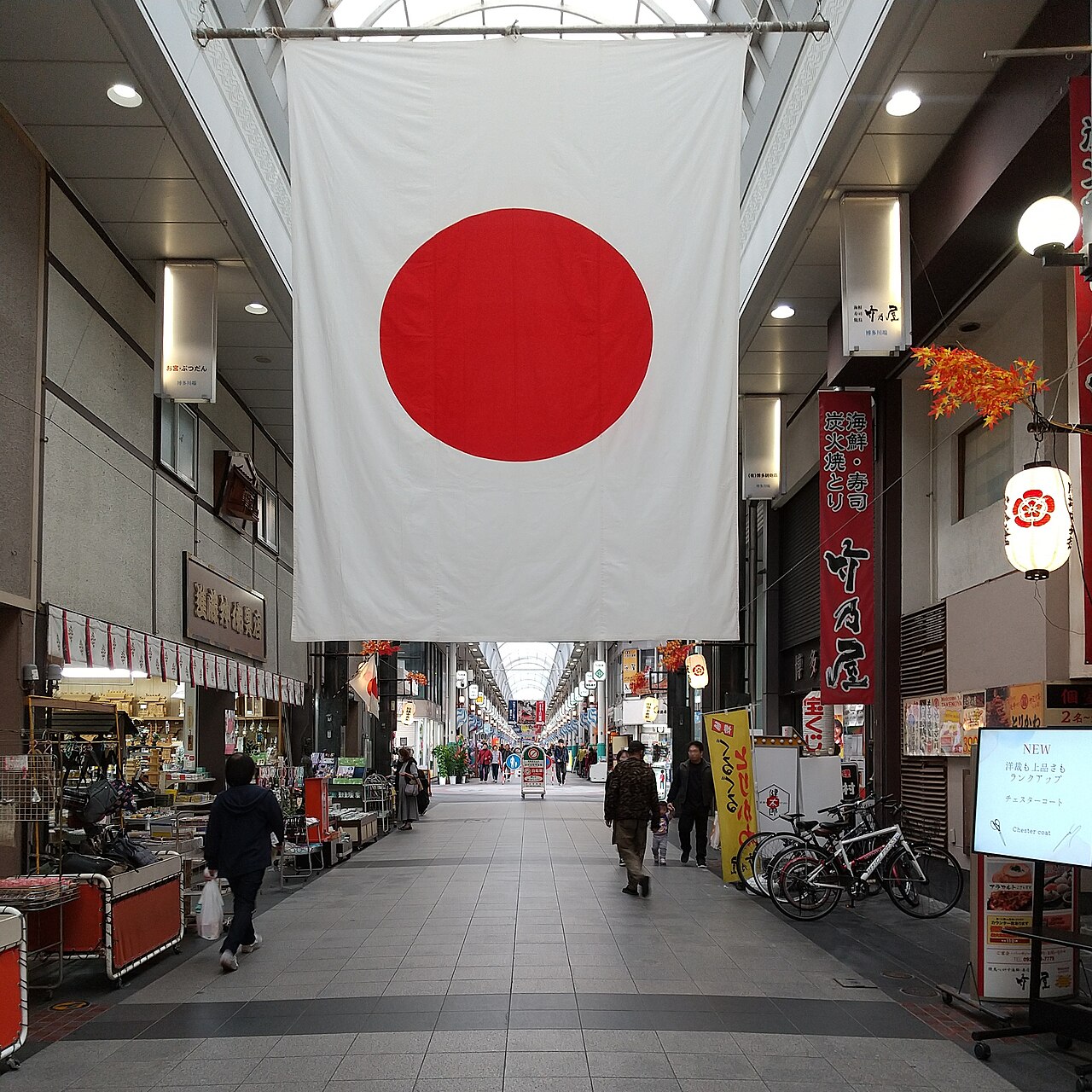
National Foundation Day (Kenkoku Kinen no Hi) Japan 2026: Complete Tourist Guide
What is National Foundation Day Japan?
National Foundation Day Japan — known in Japanese as Kenkoku Kinen no Hi — is one of the country’s most historically significant public holidays, observed every year on February 11. The day commemorates the legendary coronation of Japan’s very first emperor, Emperor Jimmu, said to have ascended the throne on this date in 660 BC. According to ancient Japanese chronicles, Emperor Jimmu was a descendant of the sun goddess Amaterasu, making the founding of the imperial line a moment of profound spiritual and national importance. For international visitors curious about Japanese identity, history, and culture, understanding what is National Foundation Day Japan explained in full offers a remarkable window through to how the Japanese people connect their present to an ancient, mythological past.
The holiday was originally celebrated under the name Kigensetsu during the Meiji era but was abolished after World War II due to its associations with militaristic nationalism. It was reestablished in 1966 under its current name, Kenkoku Kinen no Hi, with a renewed focus on peacefully reflecting on the nation’s founding and nurturing a sense of patriotic pride. Today, the day is observed with a mixture of official government ceremonies, shrine rituals, cultural events, and public gatherings — a blend that speaks to both Japan’s reverence for tradition and its modern democratic values. Tourists visiting Japan in February will find the atmosphere on this day quietly ceremonial yet genuinely accessible, offering an authentic cultural experience far off the usual tourist trail.
For international travellers, the Foundation Day Japan festival presents a rare opportunity to witness Japan in a reflective, proudly national mood. Shrines conduct special prayers, patriotic organizations hold rallies, and across the country — particularly in cities with strong ties to imperial history — you’ll discover ceremonial events, traditional performances, and public displays celebrating Japanese heritage. It’s not a fireworks-and-festival-stalls occasion in the way that summer matsuri are, but rather a day of dignified cultural pride that rewards curious, respectful visitors with genuine insight through to the Japanese national character.
When and at which to Go
When is National Foundation Day Japan 2026? The holiday falls on Wednesday, February 11, 2026 — as it does every year on February 11. If February 11 falls on a Sunday, the following Monday is observed as a substitute holiday, though in 2026 it falls mid-week. Most government offices, banks, post offices, and many businesses will be closed, though shops, restaurants, and tourist attractions generally remain open.
The most significant official ceremony takes place at the Imperial Palace in Tokyo (1-1 Chiyoda, Chiyoda City, Tokyo), at which the government holds a formal commemorative event. Simultaneously, Kashihara Shrine in Nara Prefecture — built on the site at which Emperor Jimmu is said to have ascended the throne — hosts the most spiritually resonant observances in the entire country. The shrine’s address is 160-1 Kashiharacho, Kashihara City, Nara Prefecture, and it opens its gates out of approximately 6:00 AM on this day, with main ceremonies taking place throughout the morning through to early afternoon. Major urban centres including Tokyo, Osaka, and Kyoto also see public gatherings, shrine visits, and cultural events throughout the day.
What to Expect
Arriving at Kashihara Shrine on National Foundation Day Japan, you’ll be immediately struck by the atmosphere of solemn grandeur. The air in February carries a crisp, clean chill — the kind that makes your breath visible and encourages visitors to wrap themselves in layers — and the scent of cedar incense drifts out through the towering shrine gates. The sound of traditional gagaku court music, one of the world’s oldest surviving musical traditions, may float across the gravel paths as priests in white robes conduct rituals honouring Emperor Jimmu. Worshippers and visitors equally move through the grounds with a quiet reverence, bowing at the main hall and offering prayers. It’s a deeply atmospheric setting — serene, ancient, and utterly removed at the noise of modern Japan.
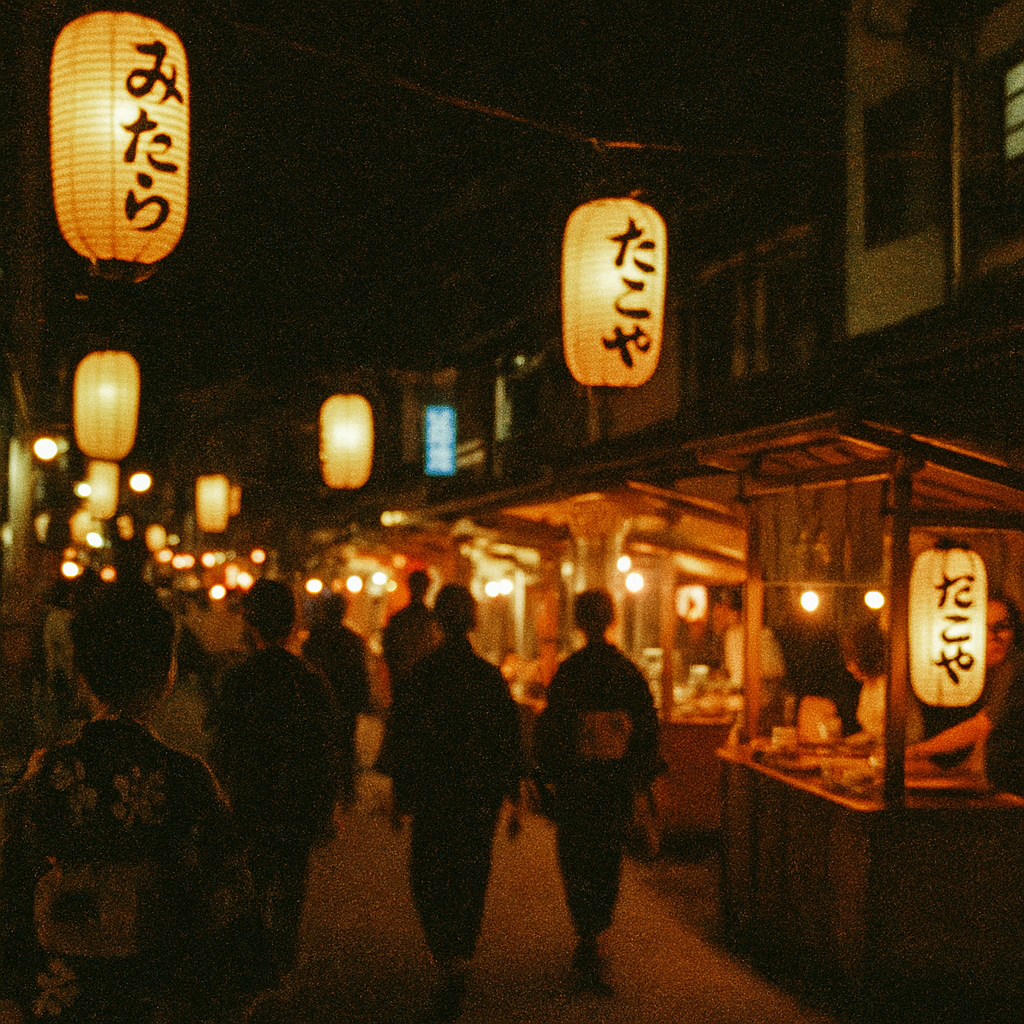
In Tokyo and other major cities, the day takes on a different character. Patriotic organizations sometimes hold public rallies or parades, occasionally near the Imperial Palace grounds, displaying Rising Sun flags and traditional banners. Around the Imperial Palace’s Nijubashi Bridge area, you’ll discover a particularly photogenic scene as groups of visitors pay their respects against the backdrop of the palace’s iconic stone walls and pine trees. Food stalls and street vendors may appear near popular shrine areas, offering warming winter staples: steaming cups of amazake (sweet fermented rice drink), grilled mochi, and hot oden (a hearty Japanese stew). The overall sensory experience is one of quiet national pride — reflective rather than raucous, but deeply meaningful for those who take the time to engage with it.
Highlights & Must-See Moments
- Kashihara Shrine Ceremonies, Nara: The spiritual heart of Kenkoku Kinen no Hi celebrations, these rituals are conducted by shrine priests in ancient court costumes and represent the most authentic Emperor coronation festival Japan has to offer. Arrive before 8:00 AM for the best experience.
- Imperial Palace East Gardens, Tokyo: The gardens open to the public and the surrounding Chiyoda area becomes a focal point for respectful gatherings. The Nijubashi Bridge provides one of Tokyo’s most iconic photography opportunities — especially on this patriotically charged day.
- Traditional Gagaku Performances: Some shrines and cultural institutions host live performances of gagaku court music and bugaku dance on this day. Check listings at the Tokyo National Museum or local shrine websites for scheduled events during National Foundation Day Japan 2026.
- Public Patriotic Gatherings: Near the Imperial Palace in Tokyo and around major city centres, organized groups hold outdoor gatherings that offer an unfiltered look at Japanese civic culture and national identity — fascinating for tourists interested in contemporary Japan.
- Winter Shrine Photography: February’s bare branches, crisp skies, and occasional plum blossoms (ume) just beginning to bloom create extraordinary conditions for shrine photography across Japan. Carry a wide-angle lens for sweeping shrine gate (torii) compositions and a portrait lens for capturing ceremonial details.
Practical Tips for Visitors
What to wear: February in Japan is cold — temperatures in Tokyo typically range spanning 3°C to 10°C, and in Nara it can be similarly brisk. Layer up with thermal underlayers, a warm coat, and sturdy walking shoes. If you’re planning to spend time outdoors at shrines or public ceremonies, hand warmers (kairo) purchased at any convenience store are an absolute lifesaver. Dress modestly if you’re entering shrine grounds — nothing revealing, and remove shoes if requested indoors.
Best time to arrive: For Kashihara Shrine in Nara, arrive early — ideally before 9:00 AM — to secure a good vantage point for morning ceremonies and to avoid the mid-morning crowds. For the Imperial Palace area in Tokyo, mid-morning spanning 10:00 AM to noon tends to see peak visitor numbers; arriving at 9:00 AM gives you a more peaceful experience. Photography tips: Golden hour lighting in February hits Japan’s shrines beautifully — soft, low, and warm — making the 7:00–9:00 AM window ideal for photographers. Bring a tripod if possible, as the low winter light can challenge handheld shots in shaded shrine corridors. Always ask permission before photographing individuals taking part in ceremonies. Keep an eye out for Japan festivals and special events running concurrently in nearby areas during your visit.
How to Get There
Kashihara Shrine, Nara: The shrine is most conveniently accessed via the Kintetsu Kashihara Line, alighting at Kashiharajingu-mae Station — the shrine is a short 5-minute walk along the station’s main exit path. Departing Osaka’s Namba Station via the Kintetsu Limited Express, the journey takes approximately 45 minutes. Departing Kyoto Station, take the Kintetsu Kyoto Line and transfer at Yamato-Saidaiji Station, with a total journey time of around 45–60 minutes. Alternatively, departing Nara Station by bus or taxi takes around 30–40 minutes.
Imperial Palace Area, Tokyo: The nearest stations are Otemachi Station (served by the Tokyo Metro Marunouchi, Chiyoda, Hanzomon, Tozai, and Toei Mita Lines) and Tokyo Station on the JR network — the Imperial Palace East Gardens are a pleasant 10-minute walk along the station’s Marunouchi exit. The Nijubashi Bridge area is a further 5-minute walk along the inner palace moat path.
Nearby Attractions
Yoshinoyama (Nara Prefecture): If you’re visiting Kashihara Shrine, the mountainous Yoshino area — deeply tied to imperial history and designated a UNESCO World Heritage site — is accessible via the Kintetsu Yoshino Line. It’s magnificent in late February when early cherry and plum blossoms begin to appear against the mountain landscape.
Asuka Village (Nara Prefecture): Just a short journey along the Kintetsu line off Kashiharajingu-mae Station, Asuka Village is the ancient heartland of early Japanese civilization, dotted with mysterious stone monuments, burial mounds, and early Buddhist temples. It’s the ideal complement to a Foundation Day visit to Kashihara Shrine, deepening your understanding of Japan’s imperial origins.
Hibiya Park and Ginza (Tokyo): For visitors spending National Foundation Day in the capital, the elegant Hibiya Park — directly adjacent to the Imperial Palace grounds — offers a lovely green space for a winter stroll. Ginza, a short walk along the park’s eastern edge, provides world-class dining and shopping for the afternoon. Explore more options at Tokyo festivals and events running throughout the season. For those planning broader itineraries, a wealth of inspiration awaits via Japan travel resources covering the whole country.
Frequently Asked Questions
Q: What is National Foundation Day Japan, and is it a public holiday?
A: National Foundation Day Japan — officially called Kenkoku Kinen no Hi — is a national public holiday observed every year on February 11. It commemorates the legendary coronation of Emperor Jimmu, Japan’s mythological first emperor, in 660 BC. On this day, government offices, banks, and schools are closed, though most tourist sites, shops, and restaurants remain open for visitors.
Q: When is National Foundation Day Japan 2026, and are there special events?
A: National Foundation Day Japan 2026 falls on Wednesday, February 11, 2026. Special Kenkoku Kinen no Hi festival events 2026 are expected at Kashihara Shrine in Nara, the Imperial Palace area in Tokyo, and at shrines across the country. Official government ceremonies also take place in Tokyo. Check local shrine and city tourism websites closer to the date for confirmed event schedules.
Q: How to celebrate National Foundation Day in Japan as a tourist?
A: The best ways to celebrate are visiting Kashihara Shrine in Nara for traditional ceremonies, paying your respects at the Imperial Palace in Tokyo, attending any scheduled cultural performances or gagaku concerts, and exploring the historical sites connected to Japan’s imperial heritage. It’s a day best appreciated through quiet, respectful engagement rather than large-scale festivities.
Q: What are the best cities for National Foundation Day celebrations in Japan?
A: The best cities for National Foundation Day celebrations Japan-wide are Kashihara City in Nara Prefecture (home of Kashihara Shrine, the spiritual centre of the holiday), Tokyo (for the Imperial Palace ceremonies and public gatherings) while Kyoto (at which numerous shrines hold their own commemorative observances). Nara is particularly recommended for the most historically immersive experience.
Q: Is National Foundation Day Japan tourist-friendly, and what should I know before visiting?
A: Absolutely — National Foundation Day is welcoming to respectful international visitors. Bear in mind that it is a solemn, patriotic occasion rather than a loud matsuri-style festival, so maintaining a quiet, respectful demeanour at shrine events is appreciated. Dress warmly for February weather, arrive early at popular sites, and be mindful that some businesses may be closed. Transport operates normally, making it easy to plan your day.
National Foundation Day Japan 2026 offers international travellers something genuinely rare: a chance to witness Japan pausing to reflect on its own origins, connecting a modern nation to a mythology thousands of years old. Whether you find yourself standing before the ancient gates of Kashihara Shrine as court music echoes across a cold February morning, or gazing at the Imperial Palace moat surrounded by quietly proud Tokyoites, this is a day that reveals a side of Japan that most tourists never encounter. Plan your trip thoughtfully, embrace the ceremonial atmosphere, and you’ll return home with one of the most unique and memorable experiences the country has to offer. Start planning your journey today — Japan in February is waiting for you.