Autumn Equinox Day (Shubun no Hi) Japan 2026: Complete Visitor Guide to Ohigan Traditions
What is Autumn Equinox Day Japan?
Autumn Equinox Day Japan — known in Japanese as Shubun no Hi (秋分の日) — is one of the country’s most meaningful national holidays, observed annually around September 22nd or 23rd, when day and night stand in perfect balance. Far more than a simple calendar marker, this day sits at the heart of a deeply cherished Buddhist tradition called Ohigan, a week-long period of reflection, remembrance, and spiritual renewal. During this time, families across the country travel to cemeteries to clean and decorate ancestral graves, offer flowers and incense, and pray for their departed loved ones. For travellers curious about authentic Japanese culture, Autumn Equinox Day Japan 2026 offers a rare and genuinely moving window through to the rituals and values that quietly underpin everyday Japanese life.
The roots of Ohigan stretch back more than a thousand years, blending ancient Buddhist teachings with Japan’s long-standing reverence for nature and ancestral connection. The word “Higan” translates loosely as “the other shore” — a reference to the Buddhist concept of the realm of enlightenment that lies beyond the river of death. The equinox, at which point the sun rises due east and sets due west, was traditionally believed to be the moment at which this world and the next draw closest together, making it an ideal time to honour those who have passed. The Japanese government formally designated Shubun no Hi as a national holiday in 1948, though the underlying customs are far older, woven deeply through to the cultural fabric of both rural towns and bustling cities.
For international tourists, the Higan Buddhist observance Japan offers something genuinely different to the neon-lit spectacle of matsuri festivals or the photogenic drama of cherry blossom season. This is quieter, more contemplative, and ultimately more intimate. You may witness families sweeping grave plots, arranging chrysanthemums, and burning incense in the cool autumn air, all against a backdrop of turning maple leaves and gentle temple bells. It is an experience that reveals the soul of Japan in a way that few guidebooks capture, making it a compelling reason to plan your trip around Japan events this season.
When and at which to Go
For travellers asking when is Autumn Equinox Day Japan 2026, the confirmed date falls on Wednesday, 23 September 2026. However, to fully appreciate the Ohigan festival Japan 2026, you should plan to be in Japan during the entire Ohigan week, which spans the three days before and three days after the equinox itself — running approximately 20 September through 26 September 2026. This is the period at which grave-visiting customs are most actively observed and at which the atmosphere in temple precincts and cemeteries is most palpable.
Because Shubun no Hi is a nationwide observance rather than a single-venue event, it can be experienced in virtually every corner of Japan. That said, certain locations offer particularly rich and accessible experiences for visitors. Buddhist temples with large attached cemeteries in Kyoto — at destinations such as Chion-in, Tofuku-ji, and Daitoku-ji — are excellent choices, their ancient precincts dappled in early autumn colour. In Tokyo, Yanaka Cemetery in the Yanesen district is one of the most atmospheric and photogenic spots for observing Ohigan traditions, with its tree-lined avenues and centuries-old grave markers. In Osaka, the temple district of Shitennoji draws many visitors during this period. Most cemeteries and temples are open to respectful visitors throughout daylight hours, typically out of sunrise until around 5:00 pm, though hours vary by location. Entry to cemeteries is generally free.
What to Expect
Stepping through to a Japanese temple cemetery during the autumn equinox week Japan is an experience that engages every sense in the most understated of ways. The air carries the warm, woody drift of incense smoke, punctuated by the cool, green scent of freshly cut chrysanthemums — the traditional flower of the dead in Japan. Grave markers stand in neat rows, many recently cleaned and adorned with bright floral offerings in shades of white, yellow, and purple. Families move quietly amid the stones, pouring water over grave surfaces, placing food offerings, pressing their palms together in prayer. The atmosphere is solemn but not sorrowful; there is warmth here, a sense of ongoing connection rather than loss. Temple bells may ring in the background, and the rustle of leaves overhead — some already turning gold and amber at the tips — adds a naturally cinematic quality to the scene.
Beyond the cemeteries themselves, Ohigan week is also a time at which Buddhist temples hold special memorial services, with monks conducting sutras and incense-burning ceremonies that visitors may observe respectfully. Many temple precincts also feature seasonal food stalls selling ohagi, the traditional sweet rice cakes coated in red bean paste that are strongly associated with Ohigan and are offered at both graves and household altars during this period. These dense, subtly sweet treats are available at confectionery shops and supermarkets throughout Japan during the equinox week, making them an easy and authentic taste of the season. The combination of autumn colours, temple architecture, quiet ritual, and seasonal food makes Autumn Equinox Day Japan 2026 an experience that is rich without ever being overwhelming.
Highlights & Must-See Moments
- Grave Cleaning and Flower Offering Rituals: Witnessing families methodically clean grave markers with ladles of water before arranging fresh flowers and incense is the defining image of Ohigan. Yanaka Cemetery in Tokyo and Tofuku-ji in Kyoto are ideal spots to observe this with minimal intrusion.
- Temple Memorial Services (Higan-e): Many major Buddhist temples hold formal Higan services during the equinox week, at which chanting monks and clouds of incense create an atmosphere of extraordinary serenity. Chion-in in Kyoto is particularly renowned for these ceremonies.
- Tasting Ohagi: Seeking out these traditional red bean rice cakes at a local wagashi (Japanese confectionery) shop is a delicious way to participate in the season. Specialist shops often display ohagi beautifully in wooden trays — a wonderful photography opportunity.
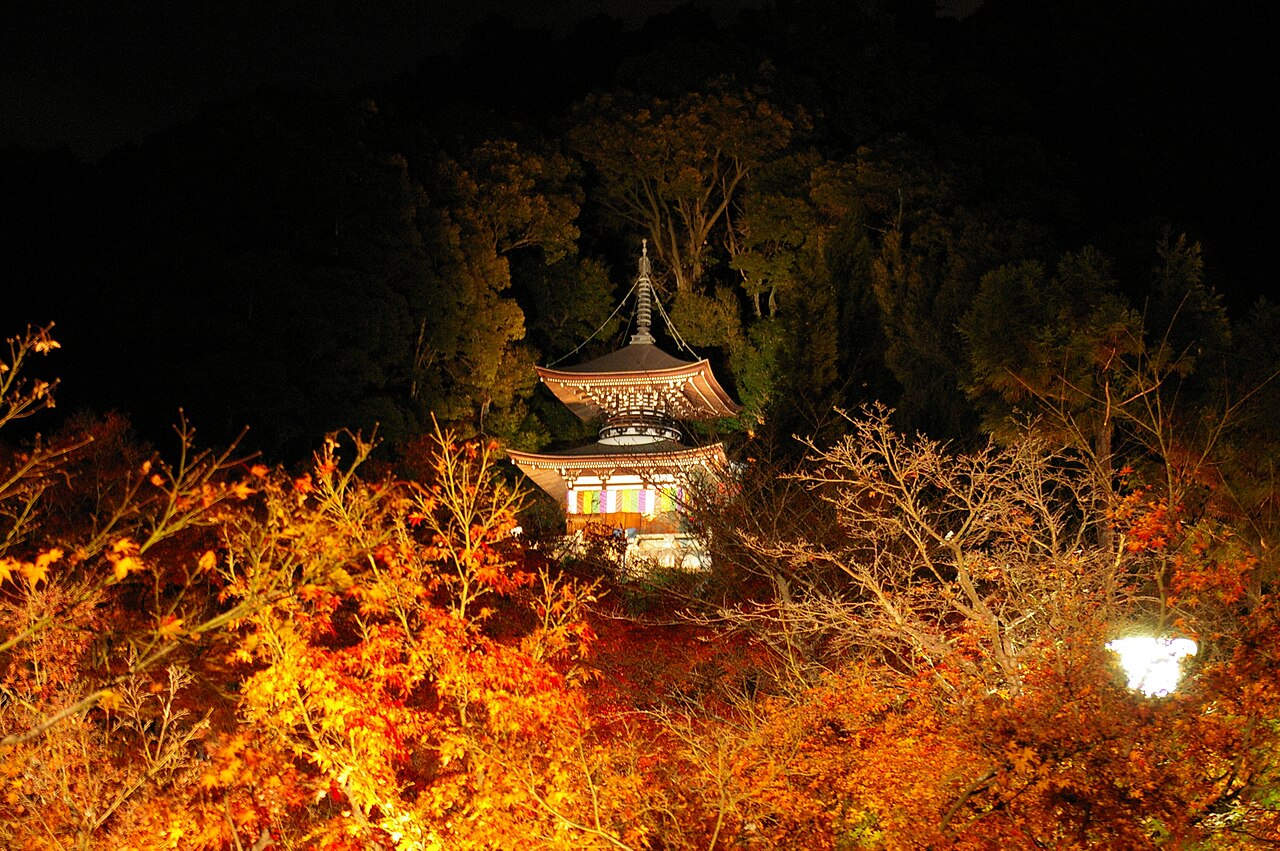
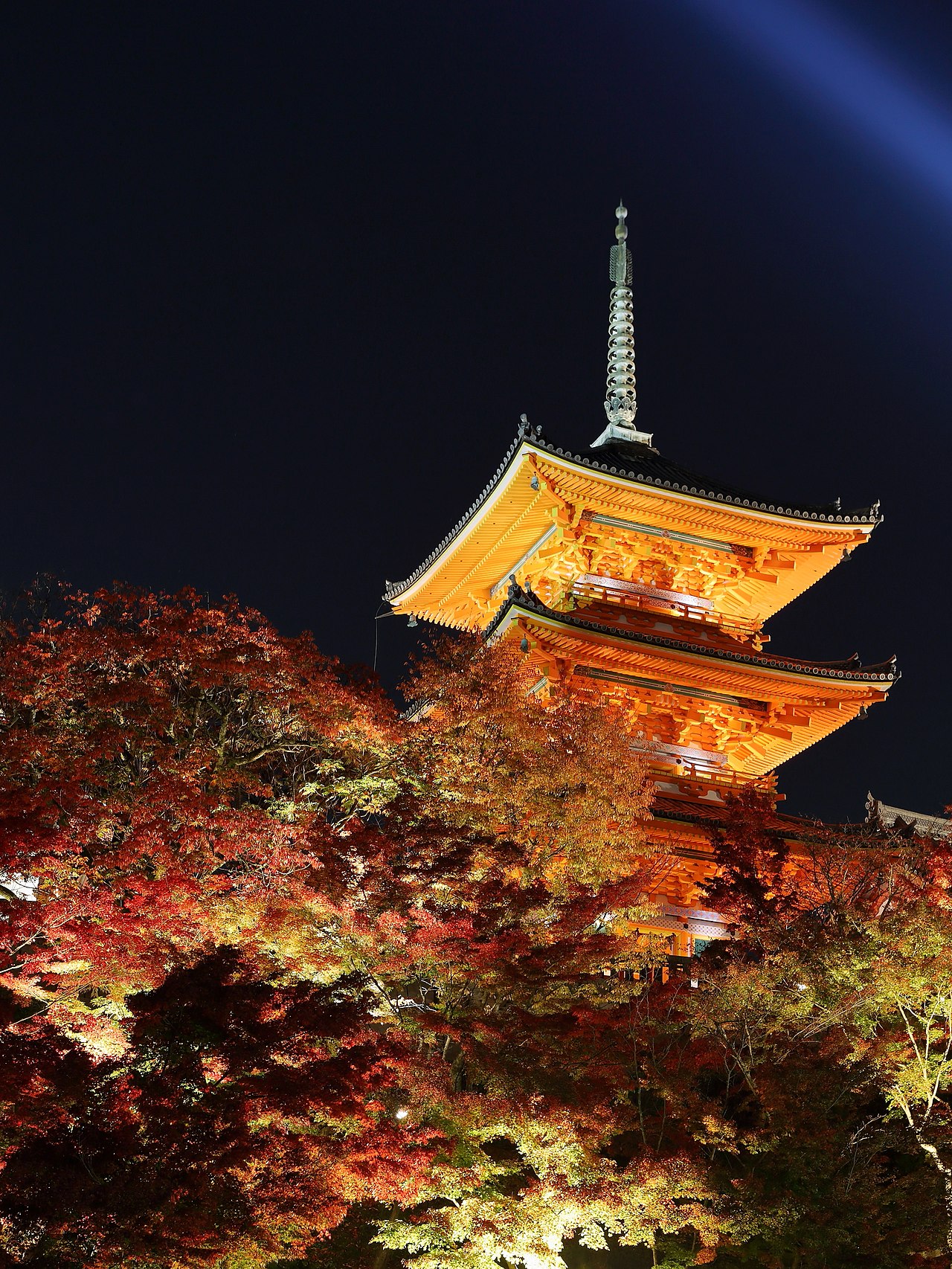
- Autumn Foliage at Cemetery Precincts: The timing of Ohigan coincides with the very beginning of Japan’s autumn colour season, and temple cemeteries with mature trees — such as those at Yanaka and Tofuku-ji — offer some of the first and most atmospheric glimpses of changing foliage.
- Household Butsudan Altars: If you are staying in a traditional ryokan or guesthouse, look out for small household Buddhist altars adorned with seasonal offerings during this week — a quiet detail that speaks volumes about the depth of this tradition in daily Japanese life.
Practical Tips for Visitors
Understanding the Autumn Equinox Day Japan customs and traditions explained in brief will help you visit respectfully and get the most out of your experience. Dress modestly and in muted colours when visiting cemeteries — this is not a context for bright or flamboyant clothing. Smart casual in neutral tones is perfectly appropriate. Lower your voice upon entering cemetery grounds and refrain out of eating, drinking, or playing music. Photography is generally tolerated in temple precincts and cemetery paths, but never photograph people at close range during private moments of prayer without their permission. A short nod of acknowledgement to families you pass is a natural, respectful gesture.
Because Autumn Equinox Day is a national holiday, transport and popular temples will be noticeably busier than usual, particularly on 23 September itself. To avoid the largest crowds, visit cemeteries and temple precincts early in the morning — the atmosphere is also most atmospheric at this time, with soft light and minimal foot traffic. Pack a light jacket, as September mornings in Japan can be crisp, particularly in Kyoto and higher elevations. Carry cash, as many temple shops and local food stalls do not accept cards. Comfortable walking shoes are essential, as cemetery paths are often uneven. Purchasing ohagi at a local wagashi shop the evening before is a charming way to deepen your connection to the tradition.
How to Get There
Because the Higan Buddhist observance Japan takes place at locations across the country, directions depend on your chosen destination. Here are practical routes to three key locations:
Yanaka Cemetery, Tokyo: Take the Tokyo Metro Chiyoda Line or JR Yamanote Line to Nishi-Nippori Station. The cemetery entrance is a 3-minute walk along the station’s south exit. Alternatively, depart Ueno Station on foot via the Yanaka Ginza shopping street — a pleasant 15-minute walk along one of Tokyo’s most characterful old neighbourhoods.
Tofuku-ji, Kyoto: Take the JR Nara Line departing Kyoto Station to Tofukuji Station — a journey of just two minutes. The temple gate is an 8-minute walk along the station exit. Alternatively, board the Keihan Main Line to Tofukuji Station, arriving via the eastern approach.
Shitennoji, Osaka: Take the Osaka Metro Tanimachi Line to Shitennoji-mae Yuhigaoka Station. The temple’s southern gate is a 5-minute walk along Exit 4. Explore broader Osaka festivals and seasonal events while in the area.
Nearby Attractions
Yanesen District, Tokyo: Surrounding Yanaka Cemetery, the Yanesen neighbourhood (spanning Yanaka, Nezu, and Sendagi) is one of Tokyo’s most beautifully preserved old shitamachi (downtown) districts. Its narrow lanes are lined with independent cafés, traditional craft shops, and wooden townhouses that evoke pre-war Tokyo. The Yanaka Ginza shotengai shopping street is a wonderful spot for browsing and snacking.
Fushimi Inari Taisha, Kyoto: A short journey along the JR Nara Line departing Tofuku-ji will bring you to the iconic torii gate tunnels of Fushimi Inari. While a very different atmosphere to the contemplative mood of Ohigan, the shrine’s forested hillside trails are at their most beautiful in early autumn, with dappled light and quiet upper paths that offer spectacular views across Kyoto. Discover more at Kyoto events for seasonal highlights.
Ueno Park and Ueno Tosho-gu Shrine, Tokyo: A 10-minute walk departing Yanaka Cemetery brings you to Ueno Park, one of Tokyo’s great green spaces and a hub of cultural institutions including the Tokyo National Museum. The Tosho-gu shrine within the park is a striking example of Edo-period religious architecture and a natural complement to an Ohigan-themed visit.
Frequently Asked Questions
Q: Is Autumn Equinox Day Japan 2026 a public holiday, and will attractions be closed?
A: Yes, Autumn Equinox Day Japan 2026 on 23 September is a national public holiday. Most government offices, banks, and post offices will be closed. However, temples, shrines, museums, and tourist attractions generally remain open — and in many cases are more active than usual, as families travel to observe Ohigan traditions. Public transport runs on a holiday schedule, which is still very frequent in major cities. Expect trains and buses to be busier than a typical weekday.
Q: How to visit graves during Ohigan Japan — is it appropriate for tourists to enter cemeteries?
A: Yes, Japanese cemeteries attached to Buddhist temples are generally open to respectful visitors and are not considered off-limits to tourists. The key is to behave with quiet respect: speak softly, avoid stepping over grave markers, do not photograph individuals at prayer, and keep to the main paths. Visiting early in the morning is both considerate and rewarding, as the atmosphere is most serene. Think of it similar to visiting a historic church or cathedral — a place of living faith deserving of mindful behaviour.
Q: What are the best places to experience Shubun no Hi traditions 2026 for a first-time visitor to Japan?
A: For first-time visitors, Yanaka Cemetery in Tokyo is the most accessible and atmospheric option, combining beautifully with a walk through the surrounding old-town neighbourhood. In Kyoto, Tofuku-ji offers a magnificent temple setting with early autumn foliage. If you are already exploring Japan travel broadly during this period, Kyoto’s temple district provides the richest concentration of Ohigan atmosphere in any location in the country.
Q: What is ohagi and at which places can I find it during Ohigan?
A: Ohagi are traditional Japanese sweets made of glutinous rice coated in sweetened red bean paste (anko), sesame, or soybean powder. They are the classic food offering of Ohigan and are eaten by families during the equinox week. You’ll find them at wagashi (traditional confectionery) shops, most supermarkets, and convenience stores across Japan during the equinox week. Department store basement food halls (depachika) in major cities often display spectacular collection at this time of year.
Q: What should I know about the Autumn Equinox Day 2026 Japan dates and schedule if I am planning a wider Japan itinerary?
A: The key Autumn Equinox Day 2026 Japan dates and schedule to note are the full Ohigan week spanning approximately 20–26 September 2026, with the national holiday itself on 23 September. This period is ideal for combining temple visits with early autumn sightseeing, as the season begins to turn. Book accommodation well in advance, particularly in Kyoto and Tokyo, as domestic travel surges around national holidays. If you are touring multiple cities, consider positioning Kyoto or Nara in the middle of your trip to coincide with the holiday week for the most culturally immersive experience.
Autumn Equinox Day Japan is not the sort of event that announces itself with fireworks or fanfare — and that is precisely what makes it so extraordinary. In a country celebrated for its dramatic festivals and spectacles, Ohigan offers something rarer: an invitation to slow down, observe quietly, and connect with a living tradition that has endured for over a millennium. Whether you find yourself tracing the moss-covered alleys of Yanaka Cemetery, watching incense smoke curl upward at a Kyoto temple, or simply biting through to your first ohagi of the season, you will leave with a far deeper understanding of what Japan truly values. Plan your journey around Autumn Equinox Day Japan 2026 and discover a side of this remarkable country that most visitors never see — tender, timeless, and unforgettable.