Shichigosan 2027 (Seven-Five-Three): Complete Guide to Japan’s Traditional Children’s Festival
What is Shichigosan? Japan’s Beloved Seven-Five-Three Ceremony Explained
Few moments in Japanese cultural life are as visually breathtaking — or as deeply moving — as Shichigosan (七五三), the traditional children’s ceremony celebrated each November across Japan’s magnificent shrines and temples. The name itself translates directly as “Seven-Five-Three,” referring to the specific ages of the children honoured: girls aged three and seven, and boys aged three and five. On and around November 15th each year, families dress their young children in exquisite traditional kimono and formal hakama, then visit their local shrine to receive blessings for good health, happiness, and a prosperous future. For international tourists lucky enough to witness the Shichigosan festival Japan 2027, it is an experience that lingers in the memory for a lifetime — a rare, unfiltered window through to the living heart of Japanese tradition.
The roots of Shichigosan stretch back to the Heian period (794–1185), though the ceremony took its modern form during the Edo period (1603–1868). Historically, childhood mortality rates in Japan were tragically high, and these specific ages — three, five, and seven — were considered particularly auspicious and vulnerable thresholds in a child’s development. Reaching them was a genuine cause for communal celebration and gratitude. Aristocratic families initially observed the rites, but by the Meiji era the tradition had spread throughout all levels of Japanese society. Today, Shichigosan 七五三 Japan 2027 remains one of the most cherished annual events on the Japanese calendar, blending Shintō ritual, family pride, and sartorial splendour in a way that is utterly unique to this culture.
For foreign visitors, Shichigosan is a photographer’s dream and a cultural anthropologist’s paradise. in contrast to many Japanese festivals that feature large public processions or ticketed events, this is an intimate, family-centred ceremony that unfolds naturally at shrines throughout the country. You are not watching a performance — you are a respectful witness to one of Japan’s most authentic living traditions. The sight of tiny children tottering in their first kimono, clutching chitose-ame (thousand-year candy) bags alongside proud grandparents and parents in formal dress, is one of those rare travel experiences that genuinely transcends tourism. Explore more unmissable occasions via our Japan festivals guide.
When and at which to Go
The official date for Shichigosan festival Japan 2027 is Monday, November 15th, 2027. However, because November 15th does not always fall on a weekend, families frequently visit shrines on the nearest Saturday or Sunday to accommodate working parents and school schedules. In 2027, November 15th falls on a Monday, meaning the peak crowds will be observed on Saturday, November 13th and Sunday, November 14th, 2027, with quieter ceremonies continuing through the following weekend (November 20th–21st). Throughout the broader period spanning late October through late November, you will spot Shichigosan families at shrines across the country.
Shichigosan is celebrated at Shintō shrines (and occasionally Buddhist temples) throughout all of Japan, making it accessible no matter your itinerary. The ceremony is not confined to a single venue — it is a nationwide tradition. That said, certain landmark shrines attract notably larger and more photogenic gatherings:
- Meiji Jingu, Tokyo — 1-1 Yoyogikamizonocho, Shibuya-ku, Tokyo. Open daily; ceremonies typically conducted 9:00–16:00 throughout November.
- Hie Shrine, Tokyo — 2-10-5 Nagatacho, Chiyoda-ku, Tokyo. Open daily 5:00–18:00 (extended hours in November).
- Tsurugaoka Hachimangu, Kamakura — 2-1-31 Yukinoshita, Kamakura, Kanagawa. Open daily 8:00–16:30.
- Fushimi Inari Taisha, Kyoto — 68 Fukakusa Yabunouchicho, Fushimi-ku, Kyoto. Open 24 hours.
- Sumiyoshi Taisha, Osaka — 2-9-89 Sumiyoshi, Sumiyoshi-ku, Osaka. Open daily 6:00–17:00.
Most shrine ceremonies are free to observe, though families pay a modest fee (typically ¥5,000–¥10,000) for the formal gokitou (prayer ceremony) conducted by the shrine priest. There are no tickets required for tourists to visit and respectfully observe the festivities on shrine grounds.
What to Expect
Arriving at a major shrine on Shichigosan weekend in 2027 is a feast for every sense. The visual spectacle begins even before you enter the shrine precincts: along the stone-paved approach paths (sandō), you will encounter streams of families moving in quiet procession, the children blazing with colour amid the muted autumn palette of russet maple leaves and grey stone lanterns. Three-year-old girls wear hifu — a padded vest layered over their kimono — in vivid crimson and gold brocade. Seven-year-old girls are dressed in full formal kimono with elaborately tied obi sashes, their hair pinned with lacquered ornaments. Boys in dark blue or green hakama trousers grip their father’s hands with solemn, wide-eyed gravity. The scent of burning incense drifts through the cool November air, mingling with the faint sweetness of roasted chestnuts sold by vendors at nearby stalls. at some point behind the main hall, the low resonant clap of hands at prayer rings out similar to punctuation.
Inside the shrine hall, families gather for the formal gokitou blessing ceremony, presided over by a Shintō priest in white and gold robes. Drums beat a slow, ceremonial rhythm; the priest chants ancient prayers in classical Japanese; a miko (shrine maiden) in crimson hakama performs a graceful ritual dance. Children clutch the iconic chitose-ame — long, thin red-and-white candy sticks carried in paper bags decorated with cranes and turtles, symbols of longevity. The atmosphere is reverent but not solemn: toddlers fidget, older siblings help straighten each other’s collars, grandmothers dab at their eyes with handkerchiefs, and photographers — both professional studio photographers engaged by the families and tourists — circle the entire beautiful scene. It is Japan’s gift to November: intimate, joyful, and achingly photogenic.
Highlights & Must-See Moments
- The Kimono Procession Along the Sandō: Position yourself along the main approach path of any major shrine in the late morning (10:00–12:00) and you will witness a near-continuous parade of dressed children and their families. This is your single best opportunity for atmospheric photography, especially at Meiji Jingu, at which the long forested avenue creates a spectacular natural backdrop.
- The Gokitou Blessing Ceremony: If you arrive early and linger near the main hall, you can respectfully observe the formal prayer ceremonies through the open doors. Watch the priest present a haraigushi (purification wand) over the bowed heads of the children — a quietly extraordinary ritual moment.
- Chitose-Ame Candy Bags: Look for the distinctive long paper bags decorated with pine, cranes, and turtles. Children and families often pose with these bags for photographs, and you can sometimes purchase the candy yourself at shrine-adjacent shops as a delightful souvenir.
- Professional Photography Sessions: Many families hire professional photographers who set up styled shoots on the shrine grounds. Watching these sessions — elaborate lighting rigs amid ancient stone lanterns — is a fascinating collision of modern Japanese aesthetics and timeless tradition.
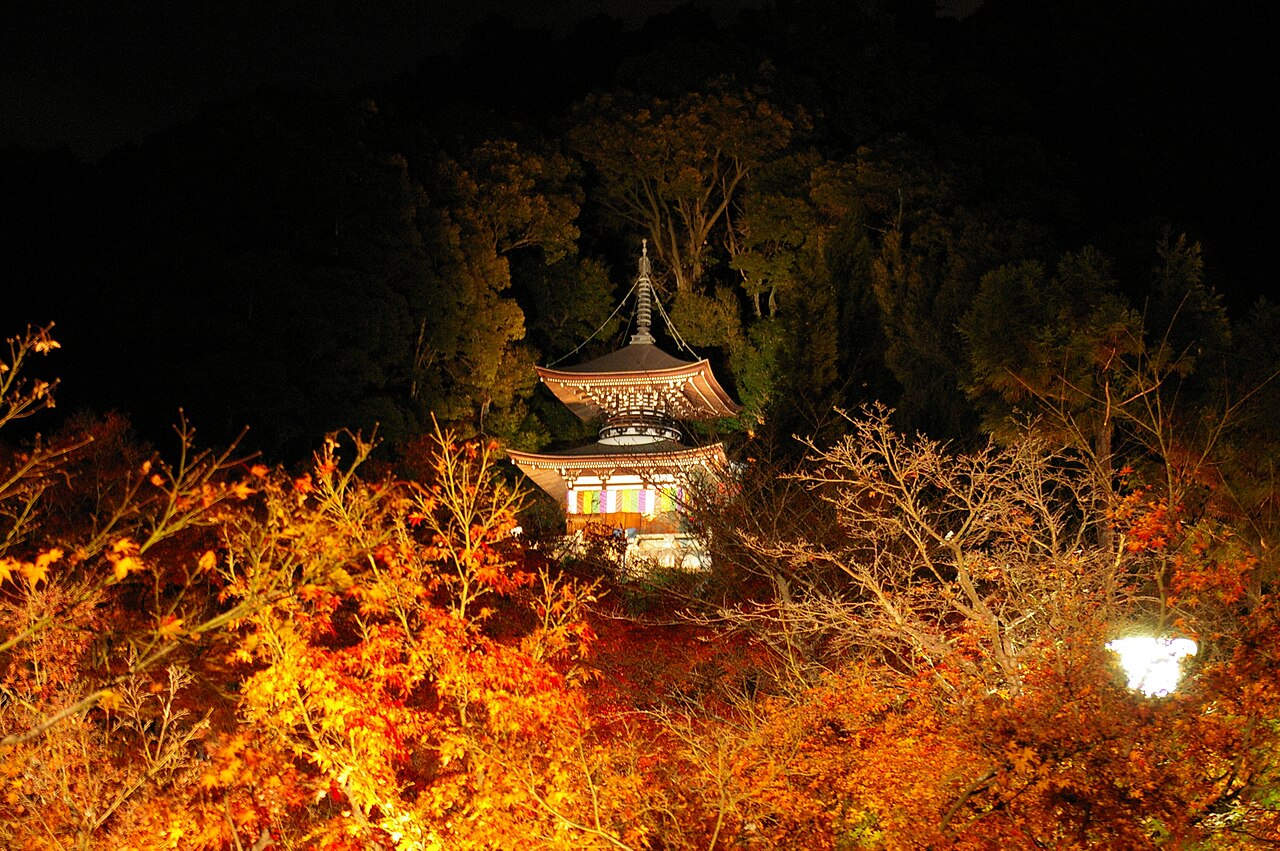
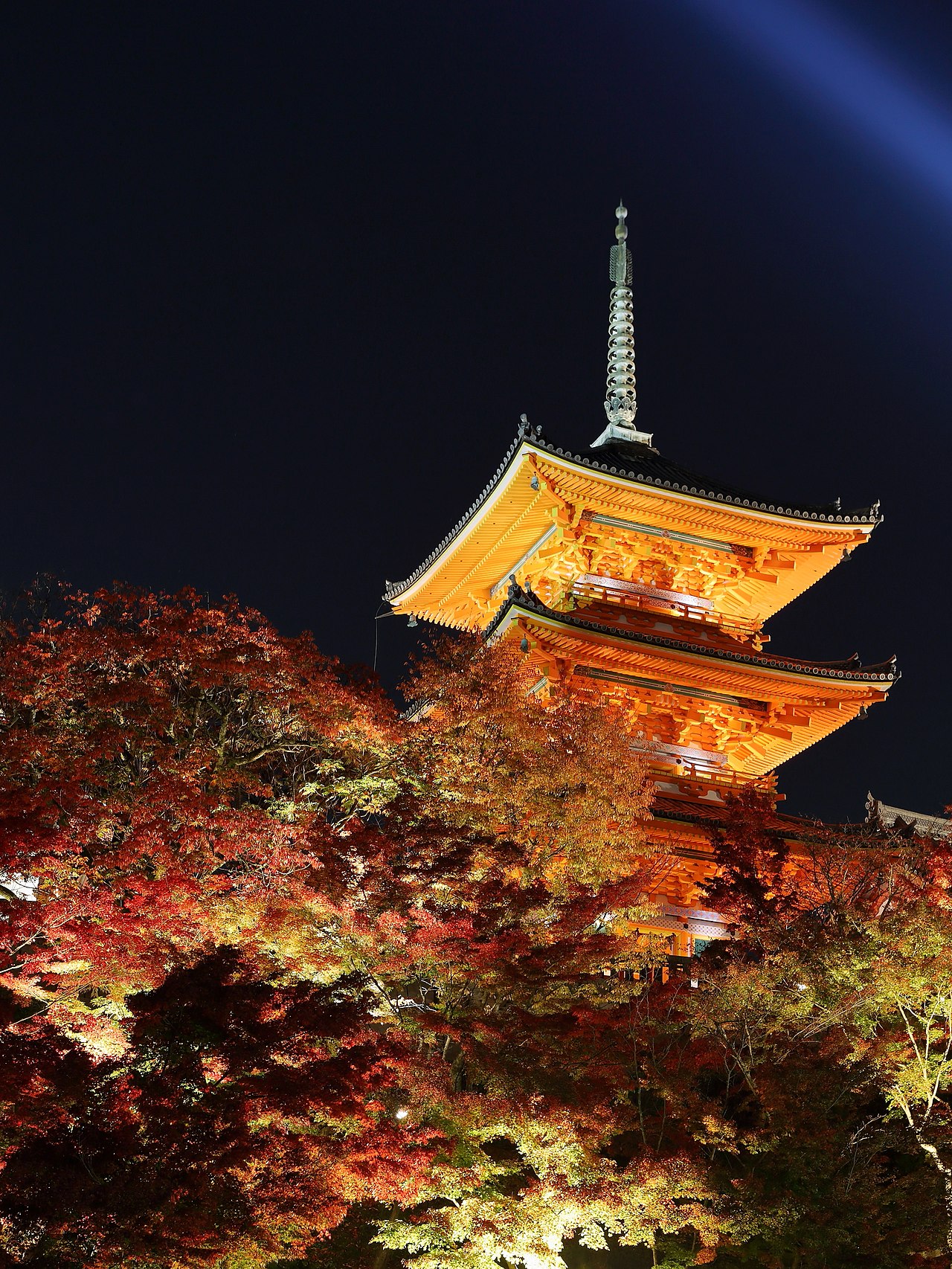
- Autumn Foliage Backdrop: Mid-November is peak autumn colour season across much of Japan. At Meiji Jingu, Tsurugaoka Hachimangu, or any of Kyoto’s great shrine precincts, the combination of children in kimono and blazing koyo (autumn leaves) creates a scene of almost supernatural beauty.
Practical Tips for Visitors
What to wear: Smart-casual attire is perfectly appropriate for tourist observers. There is no requirement to dress formally, but dressing neatly shows respect for the families. Layers are essential — November mornings at Tokyo shrines can be brisk (8–14°C), warming slightly by midday. Comfortable walking shoes are a must, as shrine grounds often involve considerable walking across gravel and stone paths.
Best time to arrive: For the most impressive scenes and best photographic light, arrive at your chosen shrine amid 9:30 and 11:30. Families with very young children tend to visit early to avoid overtiring the little ones. The lunch hour (12:00–13:30) sees a brief lull, after which a second wave of families arrives through mid-afternoon. Peak crowds on the main weekend (November 13th–14th, 2027) will be densest at marquee shrines; visiting a neighbourhood shrine on the actual November 15th date offers a more intimate, uncrowded experience.
Photography etiquette: Always ask permission (a smile, a camera gesture, and a bow will communicate your request clearly) before photographing individual families at close range. Never intrude through to the formal prayer ceremony. The best candid shots come at medium distance along the approach paths — a telephoto or portrait lens (85mm–200mm equivalent) is ideal for capturing children’s expressions without crowding them. Golden morning light along tree-lined approaches is spectacular; bring a fast lens if possible for the dappled shade under shrine canopies.
Shichigosan kimono rental Tokyo 2027 tourists: Several studios in Tokyo and Kyoto offer kimono rental experiences designed to allow tourists to dress in traditional attire and visit shrines during the Shichigosan season. Studios including Kimono Rental Wargo (with locations near major Kyoto shrines) and Kyoto Kimono Rental Yumeyakata offer packages ranging ¥3,000–¥8,000 including dressing assistance and hair styling. Book well in advance for the November peak period.
Avoid the biggest crowds at Meiji Jingu on November 13th–14th by instead visiting Hie Shrine (Akasaka) or any neighbourhood shrine in residential districts of Tokyo or Kyoto. These quieter venues offer equally authentic Shichigosan scenes with considerably more space and ease of access.
How to Get There
Meiji Jingu, Tokyo: Take the JR Yamanote Line to Harajuku Station (Omotesando exit) — the shrine entrance is a 5-minute walk along the main forest approach. Alternatively, take the Tokyo Metro Chiyoda or Fukutoshin Line to Meiji-jingumae Station (Exit 2), at which the forested approach begins immediately. Meiji Jingu is fully accessible via the JR Pass.
Hie Shrine, Tokyo: Take the Tokyo Metro Nanboku Line or Ginza Line to Tameike-Sanno Station (Exit 7), at which the shrine’s dramatic escalator entrance is a 3-minute walk. Alternatively, use Akasaka Station on the Chiyoda Line, a 5-minute walk along the hill path.
Tsurugaoka Hachimangu, Kamakura: Take the JR Yokosuka Line departing Tokyo Station or Shinjuku (via Shonan-Shinjuku Line) to Kamakura Station. The shrine is a 10-minute walk along the iconic Wakamiya Oji approach avenue — a straight tree-lined boulevard stretching out of the station’s east exit.
Fushimi Inari Taisha, Kyoto: Take the JR Nara Line departing Kyoto Station to Inari Station (2 minutes); the shrine gate is a 2-minute walk along the station platform exit. For Kyoto events and shrine access during the November festival season, the JR Nara Line is your most direct option.
Sumiyoshi Taisha, Osaka: Take the Nankai Main Line departing Namba Station to Sumiyoshi Taisha Station (approximately 15 minutes); the shrine is a 3-minute walk along the station’s main exit. Browse additional Japan travel resources for Kansai rail passes that cover this route.
Nearby Attractions
Near Meiji Jingu, Tokyo — Harajuku & Omotesando: After your shrine visit, the fashionable boulevard of Omotesando offers world-class architecture, boutique shopping, and some of Tokyo’s most celebrated cafés and patisseries. Try the seasonal chestnut offerings at Pierre Hermé or warm up with a bowl of ramen at one of the side-street shops along Ura-Harajuku. The Nezu Museum, a 15-minute walk along Omotesando, houses exquisite Japanese and East Asian antiquities in a stunning garden setting — a perfect cultural complement to your Shichigosan morning.
Near Tsurugaoka Hachimangu, Kamakura — The Great Buddha & Komachi Street: Kamakura offers a full day of exploration. The iconic Kotoku-in Daibutsu (Great Buddha) is a 25-minute bus ride or a pleasant 45-minute walk along the Daibutsu Hiking Trail. Closer at hand, the lively Komachi Street — stretching out of Kamakura Station toward the shrine — is lined with shops selling traditional sweets, matcha treats, and local crafts. The November foliage at Engaku-ji and Kencho-ji temples, a short walk north along the station, rivals anything in Kyoto.
Near Fushimi Inari, Kyoto — Fushimi Sake District: The Fushimi neighbourhood, at which the famous sake-brewing district sits just a short walk at the shrine, offers excellent opportunities to sample Kyoto’s finest local sake productions. The Gekkeikan Okura Sake Museum provides an engaging introduction to the brewing process and generous tastings. In autumn, the canal-side streets of Fushimi glow with golden foliage — bring your camera.
Frequently Asked Questions
Q: What is Shichigosan and why is it celebrated in Japan?
A: Shichigosan (七五三), meaning “Seven-Five-Three,” is a traditional Japanese ceremony honouring children at the ages of three, five, and seven — specifically, girls aged three and seven and boys aged three and five. Celebrated around November 15th each year, it originates in Heian-period aristocratic customs and became a nationwide tradition during the Edo period. Families visit Shintō shrines to offer prayers of gratitude for their children’s health and to seek blessings for their continued growth and good fortune. It is one of Japan’s most cherished annual observances and a spectacular event for tourists to witness.
Q: When is Shichigosan 2027 in Japan and which dates should I plan my visit around?
A: The official Shichigosan date in 2027 is November 15th (Monday). However, since many families prefer to visit shrines on weekends, the peak activity for Shichigosan festival Japan 2027 will be on Saturday, November 13th and Sunday, November 14th. A second wave of weekend celebrations occurs on November 20th–21st. For the most atmospheric experience with manageable crowds, consider visiting a neighbourhood shrine on the actual November 15th date, or one of the major landmark shrines on the Saturday morning (November 13th) for maximum spectacle.
Q: What are the best shrines for Shichigosan festival Japan 2027, and can tourists attend?
A: Yes, absolutely — Shichigosan is observed in public shrine spaces and tourists are warmly welcome to respectfully observe. The best shrines for spectacular scenes include Meiji Jingu in Tokyo (ideal for its forested approach and large, photogenic crowds), Tsurugaoka Hachimangu in Kamakura (especially beautiful amid autumn foliage), Fushimi Inari Taisha in Kyoto, and Sumiyoshi Taisha in Osaka. For a more intimate experience away out of tourist crowds, simply locate any neighbourhood Shintō shrine in residential Tokyo or Kyoto — you are very probable to encounter authentic family ceremonies there too.
Q: Can tourists participate in or experience a Shichigosan kimono ceremony in Japan?
A: While the formal Shichigosan blessing ceremony is specifically for Japanese children at the designated ages, tourists can absolutely immerse themselves in the spirit of the occasion. Many kimono rental studios in Tokyo and Kyoto offer seasonal packages allowing visitors to dress in traditional kimono and visit shrines during the November festival period — creating a deeply personal connection to the tradition. Studio photography packages are also available at some shrines. Even as an observer in your own clothing, attending the ceremony is a rich cultural experience. Check with rental studios early, as November bookings fill up rapidly.
Q: How should tourists photograph Shichigosan without being disrespectful?
A: Photographing Shichigosan is entirely appropriate on shrine grounds, provided you follow a few courtesies. Always seek non-verbal permission (a smile and a gesture toward your camera, followed by a bow) before photographing families at close range — most families are genuinely delighted to share the occasion and will often pose happily. Never enter or obstruct the formal prayer ceremony inside the shrine hall. Keep a respectful distance during intimate family moments. Use longer lenses (85mm+ equivalent) for candid shots along the approach path, at which you can capture natural, unposed moments without crowding families. The light along forested shrine paths in the morning hours is exquisite and well worth an early arrival.
Whether you are planning your first trip to Japan or returning for the tenth time, making the effort to witness — and respectfully absorb — the Shichigosan festival Japan 2027 is one of the most rewarding decisions you can make as a traveller. Here is a ceremony that has endured for centuries not because it is spectacular in a theatrical sense, but because it is profoundly, quietly human: parents dressing their children in their finest clothes, standing before ancient stones, and praying for nothing more complicated than their child’s health and happiness. That universal impulse, expressed through the extraordinary visual language of Japanese tradition, is something that transcends language, culture, and geography. Mark November 13th–15th, 2027 on your calendar, book your accommodation early, charge your camera batteries, and come ready to be genuinely moved. For more outstanding seasonal events and cultural experiences across the country, explore our full Japan events calendar — Japan’s festival calendar is as rich and layered as the country itself, and Shichigosan is among its very finest chapters.