Shogatsu: Japanese New Year 2027 Celebration Guide – Traditions, Shrine Visits & Customs
What is Japanese New Year (Shogatsu)?
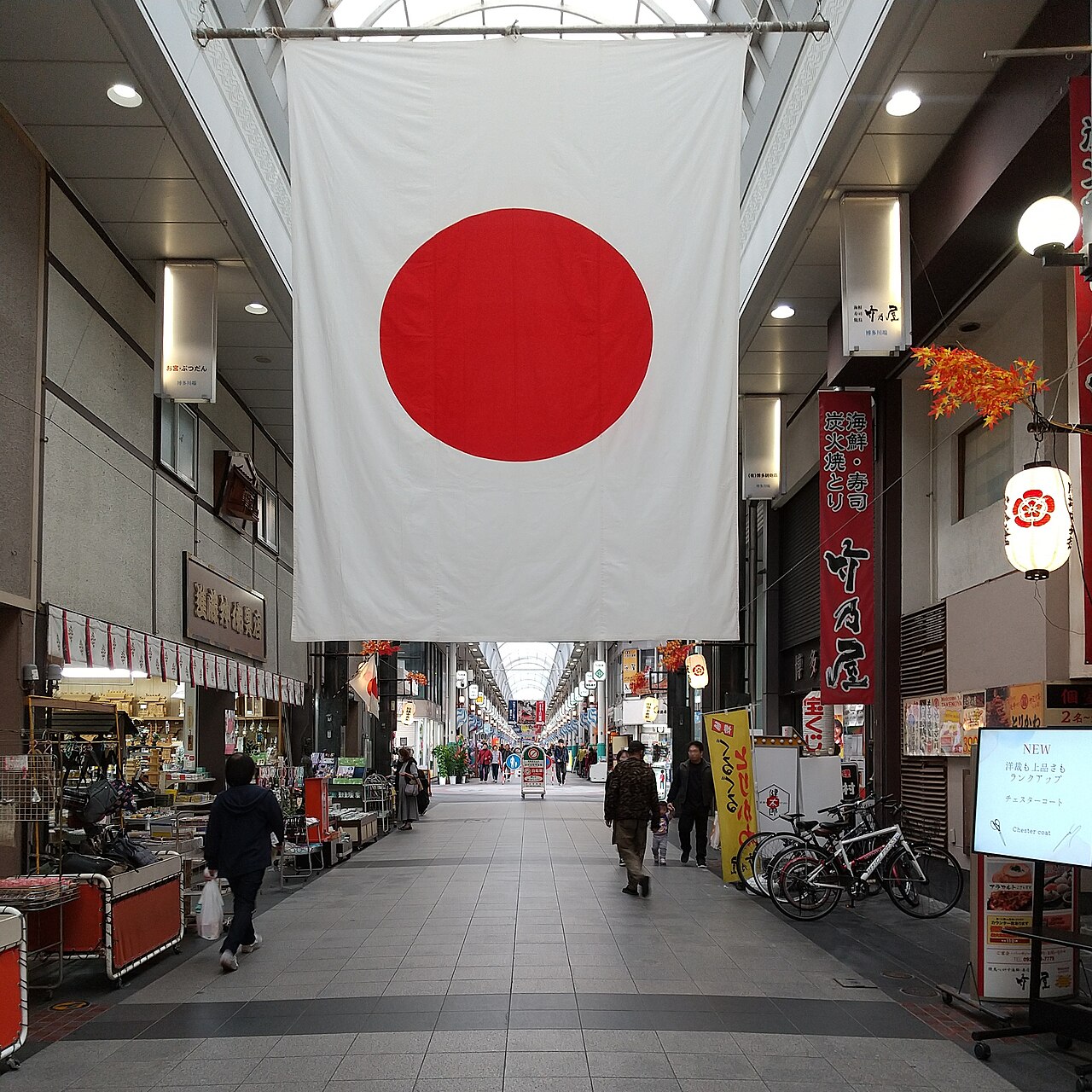
The Japanese New Year celebration Japan 2027 — known locally as Shogatsu (正月) — is without question the most important and deeply cherished holiday in the entire Japanese calendar. Far more significant culturally than Christmas or any other seasonal event, Shogatsu represents a complete societal reset: a time for families to reunite, for debts to be settled, for homes to be cleansed, and for the nation to collectively welcome fresh beginnings. The holiday stretches across January 1st through 3rd, with many businesses and offices remaining closed throughout this period, making it a profoundly quiet, almost meditative time in Japan’s otherwise relentlessly energetic cities.
The roots of the Shogatsu festival Japan stretch back over a thousand years, originally influenced by Chinese lunar calendar traditions before Japan adopted the Gregorian calendar in 1873. Despite that shift, the spiritual customs have remained remarkably intact. Streets that are ordinarily packed with commuters and shoppers fall eerily silent on January 1st, while the interiors of homes glow warmly with family gatherings, the clinking of otoso spiced rice wine, and the rustle of beautifully decorated osechi bento boxes. For international tourists, this contrast — the hushed urban landscape against the vibrant energy of shrine courtyards overflowing with worshippers — creates one of the most uniquely atmospheric travel experiences available in any location in Asia.
What makes the New Year in Japan traditions so captivating for visitors is the sheer density of ritual packed through to just three days. Every gesture carries meaning: the kadomatsu pine and bamboo arrangements flanking doorways, the shimekazari rope decorations hung above entrances to ward off evil spirits, the exchange of nengajo New Year postcards, and the thunderous ringing of temple bells at midnight. Whether you are a first-time visitor or a seasoned Japan traveller, the Japanese New Year celebration Japan 2027 offers a window through to the soul of a culture that balances ancient ritual with modern life in ways that continue to astonish and move visitors deeply.
When and at which to Go
The official dates for the Japanese New Year celebration Japan 2027 run Friday, January 1st through Sunday, January 3rd, 2027. These three days constitute a national public holiday throughout Japan, with the vast majority of shops, government offices, banks, and many restaurants operating on reduced hours or closing entirely. It is essential to plan provisions and accommodation well in advance, as the country essentially pauses for this period.
Knowing when is Japanese New Year 2027 holidays in practical terms means understanding that the lead-up is equally important. The final days of December — particularly December 30th and 31st — are alive with final preparations, and many of the best shrine events begin at midnight on January 1st. For tourists asking at which to visit shrines New Year Japan, the answer spans the entire archipelago, but the following major locations are considered unmissable:
- Meiji Jingu Shrine, Tokyo — Harajuku, Shibuya, Tokyo. Gates open 24 hours around New Year. Japan’s single most visited shrine during Shogatsu, receiving over three million visitors in the first three days alone.
- Naritasan Shinshoji Temple, Narita — 1 Narita, Narita City, Chiba Prefecture. Open daily, with special New Year hours beginning midnight January 1st.
- Fushimi Inari Taisha, Kyoto — 68 Fukakusa Yabunouchicho, Fushimi Ward, Kyoto. Open 24 hours; the iconic vermillion torii gates are breathtaking in the crisp winter air of early January.
- Sumiyoshi Taisha, Osaka — 2-9-89 Sumiyoshi, Sumiyoshi Ward, Osaka. One of Japan’s oldest shrines, drawing over two million visitors in the first three days of January.
- Zojoji Temple, Tokyo — 4-7-35 Shiba Koen, Minato City, Tokyo. Famous for its spectacular countdown event with Tokyo Tower illuminated overhead.
Midnight services at major temples typically begin at 11:45 PM on December 31st. Daytime Hatsumode visits are busiest on January 1st and 2nd, with crowds thinning slightly by January 3rd. Most shrines are accessible around the clock during this period, though arriving before dawn on January 1st is strongly recommended for a transcendent, less crowded experience.
What to Expect
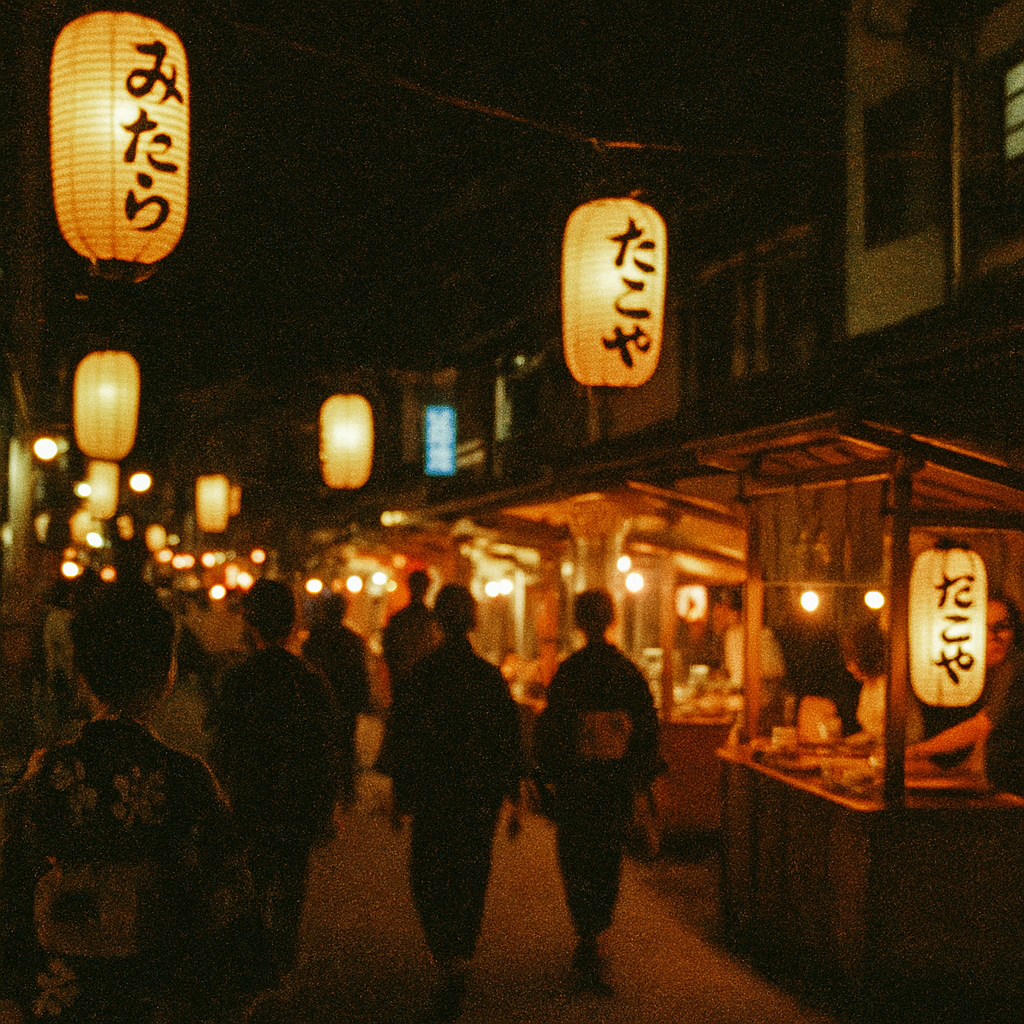
Stepping through to the grounds of a major Japanese shrine during Shogatsu is a full-body sensory experience in contrast to anything else in travel. The air carries the sharp, earthy perfume of burning senko incense mingling with the sweetness of roasted dango rice dumplings and the savoury warmth of amazake — a gently fermented, low-alcohol sweet rice drink served hot at stalls lining the approach paths. Vendors in thick winter jackets hawk omamori protective charms and ema wooden wishing plaques, their voices carrying above the steady murmur of thousands of worshippers shuffling respectfully toward the main hall. The visual spectacle is extraordinary: worshippers dressed in vibrant furisode kimono jostle softly alongside others in modern winter coats, children clutch hagoita decorative paddles, and all over paper lanterns throw amber light across stone pathways dusted with frost.
The atmosphere shifts depending on the hour. At midnight on January 1st, the mood is electric and communal — strangers exchange quiet smiles and nods as the new year ticks over, the deep resonance of the joya no kane bell (rung 108 times at midnight by Buddhist temples to purify the 108 earthly desires) rolling across neighbourhoods in waves. By mid-morning on January 1st, the energy is warmly festive, with families — three and four generations together — queuing patiently for their turn to toss a coin, bow twice, clap twice, and bow once more in the traditional prayer sequence. Food stalls serving ozoni (New Year mochi soup), grilled skewers, and steaming cups of green tea keep the cold at bay. For tourists pursuing the best places to celebrate New Year in Japan 2027, the experience of standing inside a great shrine’s courtyard as dawn breaks on January 1st is, quite simply, one of travel’s great privileges.
Highlights & Must-See Moments
- Hatsumode — The First Shrine Visit: The cornerstone of Shogatsu festival Japan, Hatsumode is the first shrine or temple visit of the new year. Participate fully: purify your hands at the temizuya water basin, offer a coin, pray, and collect your omikuji fortune slip. This is the defining ritual of the holiday and unmissable for any visitor. For a full guide on how to experience Hatsumode shrine visit Japan, watch locals carefully — the protocol is straightforward and welcoming to respectful tourists.
- Joya no Kane — The 108 Bell Tolls: At midnight on December 31st, Buddhist temples across Japan ring their bells 108 times. Attend this ceremony at Zojoji Temple in Tokyo (with Tokyo Tower glowing red and white overhead) or at Chion-in Temple in Kyoto, home to one of the largest bells in Japan — requiring teams of monks to swing it.
- Osechi Ryori — New Year Cuisine: The Japanese New Year food traditions guide begins here. Osechi are elaborately prepared, lacquered bento boxes of symbolic foods: kuromame (black soybeans for health), kazunoko (herring roe for fertility), tazukuri (candied sardines for a good harvest) while kohaku kamaboko (red and white fish cake for celebration). Many hotels and ryokans offer guests an osechi breakfast — do not miss it.
- Shogatsu Decorations — The Visual Language of the Holiday: Understanding Shogatsu decorations traditions Japan explained adds immense richness to your visit. Hunt for kadomatsu (bamboo and pine gate ornaments) outside homes and hotels, shimekazari rope wreaths hanging above doorways, and kagami mochi (stacked round rice cakes topped with a bitter orange) displayed on household altars and shop counters.
- New Year TV Specials and Kohaku Uta Gassen: On the evening of December 31st, gather around a television — in your hotel lounge or a local bar — to watch NHK’s legendary Kohaku Uta Gassen, a red-versus-white singing contest featuring Japan’s biggest pop and enka stars. It has aired every year since 1951 and is as much a national ritual as any shrine visit.
Practical Tips for Visitors
What to wear: January in Japan is cold. Tokyo averages 5–10°C; Kyoto and Osaka are similar; Hokkaido can plunge well below freezing. Layer generously. If you plan to wear a kimono for Hatsumode — a wonderful idea, and rental services are available in most major cities — ensure you hire the appropriate winter undergarments (hadajuban) and request a haori jacket. Comfortable, slip-on shoes are strongly advisable, as you will remove footwear if visiting certain inner shrine buildings.
Crowds and timing: The best Shogatsu celebrations Tokyo 2027 draw staggering numbers. Meiji Jingu alone sees three million visitors in three days. To avoid the worst queues, arrive before 7 AM on January 1st, or visit on January 3rd when crowds have thinned considerably. Alternatively, plan your Hatsumode for a less famous local shrine — the experience is equally moving and far more intimate.
Cash is essential: Many shrine stalls, omamori vendors, and traditional restaurants operate on a cash-only basis during the New Year period. Withdraw yen before December 31st, as some ATMs experience high demand. Bank ATMs inside convenience stores (7-Eleven, Lawson, FamilyMart) remain the most reliable option for international cards.
Transport: Many train lines operate extended or 24-hour services on the night of December 31st through to January 1st — check the specific operator’s website (JR East, Tokyo Metro, Keihan, etc.) for confirmed timetables for 2027. Taxis will be scarce and expensive at midnight. Plan your route in advance.
Photography tips: The best photo opportunities at shrines arise in the blue hour before dawn on January 1st, at which lantern light illuminates stone torii gates against a dark sky. At Fushimi Inari in Kyoto, the tunnel of vermillion gates photographed at 5–6 AM on January 1st, with incense smoke drifting through the cold air, is genuinely spectacular. Always be respectful: never photograph people deep in prayer at close range without permission.
Food and drink planning: Many restaurants close on January 1st. Stock up on convenience store provisions on December 30th. Hotels typically serve special New Year breakfasts — confirm with your accommodation. Look for shrines selling warm amazake and oshiruko (sweet red bean soup with mochi) — both are traditional cold-weather staples and deeply comforting on a frosty January morning.
How to Get There
Tokyo (Meiji Jingu Shrine): Take the JR Yamanote Line to Harajuku Station, then a 5-minute walk along the main exit toward the shrine’s southern entrance. Alternatively, use the Tokyo Metro Chiyoda Line to Meiji-Jingumae Station (Exit 2), then a short walk along the tree-lined approach path. On New Year’s Eve and the early hours of January 1st, expect significant pedestrian density along all approach routes.
Kyoto (Fushimi Inari Taisha): Take the JR Nara Line departing Kyoto Station to Inari Station — the shrine is immediately visible upon exiting the station. Journey time is approximately 5 minutes. The Keihan Line to Fushimi-Inari Station is an equally convenient option, with a roughly 7-minute walk along the eastern exit toward the main torii gate.
Osaka (Sumiyoshi Taisha): Take the Nankai Main Line to Sumiyoshi Taisha Station — the shrine’s main torii gate is directly accessible via a 3-minute walk along the station exit. The Hankai Tramway (Hankai Line) to Sumiyoshi Torii-mae stop deposits visitors even closer to the main entrance.
For visitors arriving in Japan via Tokyo’s Narita or Haneda airports, both are well connected to central Tokyo via express rail services. Browse our guide to Japan travel for comprehensive transport planning resources covering the full country.
Nearby Attractions
Harajuku and Omotesando, Tokyo: A short walk along Meiji Jingu’s southern exit brings you through to Harajuku and the tree-lined luxury boulevard of Omotesando. While many boutiques remain closed on January 1st, the streets themselves are hauntingly beautiful — swept clean, decorated with New Year ornaments, and largely traffic-free. The contrast of quiet high-fashion avenues against the festive tumult of the shrine is uniquely memorable.
Nishiki Market, Kyoto: Known as “Kyoto’s Kitchen,” Nishiki Market — running along a narrow covered arcade in central Kyoto — reopens progressively after January 1st and is a superb destination for tasting local New Year foods: tsukemono pickles, grilled yuba (tofu skin) while seasonal wagashi sweets. It sits a short walk along the Shijo-Karasuma intersection, easily reachable via the Hankyu Kyoto Line. Explore the full range of Kyoto events to plan a longer stay in the ancient capital.
Asakusa and Senso-ji Temple, Tokyo: Tokyo’s most famous Buddhist temple draws enormous Hatsumode crowds, but visiting in the late afternoon of January 2nd or 3rd rewards travellers with a calmer, deeply atmospheric experience. The Nakamise shopping street leading to the main gate is lined with vendors selling traditional crafts, snacks, and omiyage souvenirs — many of which reopen on January 2nd. For a broader picture of the capital’s festival calendar, see our coverage of Tokyo festivals.
Frequently Asked Questions
Q: Is it worth visiting Japan during the New Year holiday as a tourist, given that many shops and restaurants are closed?
A: Absolutely — in fact, many seasoned Japan travellers consider Shogatsu one of the best times to visit. The atmosphere at shrines and temples is extraordinary, the streets take on a rare quiet beauty, and you gain genuine insight through to Japanese culture at its most authentic. The key is preparation: stock up on food and drinks on December 30th, confirm your restaurant bookings in advance, and embrace the slower pace. Hotels, convenience stores, and a growing number of tourist-oriented restaurants remain open throughout the holiday.
Q: How do I participate in Hatsumode correctly as a foreign tourist?
A: The Hatsumode shrine visit Japan ritual is genuinely welcoming to visitors of all backgrounds. Upon approaching the main hall, toss a coin (any denomination — five-yen coins are considered lucky) through to the offering box, bow twice deeply, clap your hands twice, hold them together in a brief silent prayer for the new year, then bow once more. Before approaching the main hall, purify your hands at the temizuya water pavilion: ladle water over your left hand, then your right, then cup a little water to rinse your mouth (or simply symbolically raise it to your lips). Signage in English is increasingly common at major shrines.
Q: What are the best places to celebrate New Year in Japan 2027 for first-time visitors?
A: For first-timers, Tokyo offers the most complete and accessible New Year experience. Meiji Jingu for Hatsumode, Zojoji Temple for the midnight countdown with Tokyo Tower, and Asakusa’s Senso-ji for a more traditional atmosphere cover the full spectrum of the celebration. Kyoto is equally compelling and arguably more atmospheric, particularly at Fushimi Inari and Yasaka Shrine in the Gion district. Osaka’s Sumiyoshi Taisha is a magnificent choice for visitors combining the city with a broader Kansai itinerary.
Q: What traditional foods should tourists try during Japanese New Year?
A: The Japanese New Year food traditions guide is rich and delicious. Prioritise: osechi ryori (the multi-tiered lacquered bento of symbolic dishes — available at hotels, department stores, and some restaurants); ozoni (a clear or miso-based soup with mochi rice cakes, varying by region); toshikoshi soba (buckwheat noodles eaten on New Year’s Eve to symbolise a long life and clean break with the past year); and amazake (hot sweet rice drink) served at shrine stalls. Department store basement food halls (depachika) that reopen on January 2nd are an excellent destination for tasting a wide range of traditional New Year foods in one place.
Q: Are there any New Year events or celebrations in Japan in 2028 I should plan ahead for?
A: Yes — Japan New Year 2028 will follow the same essential structure as 2027, running across January 1st through 3rd. The customs, shrine visits, and regional celebrations remain consistent year to year, making Japan an ideal destination for a repeat New Year visit in a different region. Planning 6–12 months ahead is strongly recommended for both years, as accommodation in major cities — particularly in Tokyo and Kyoto — books out rapidly for the New Year period. Signing up for festival and event alerts via dedicated Japan festivals resources will keep you informed of any special 2028 programming.
The Japanese New Year celebration Japan 2027 is far more than a date on a calendar — it is a living, breathing expression of Japanese identity, community, and hope. For international tourists, it presents a rare and profoundly moving opportunity to stand inside one of the world’s great cultures at its most ceremonially alive. Whether you are pulling on a pair of geta sandals at a kimono rental shop in Kyoto, sipping hot amazake in the lantern-lit courtyard of a Tokyo shrine at 6 AM on January 1st, or unwrapping the silken layers of an osechi box at a traditional inn, Shogatsu will give you memories that outlast any other travel experience Japan has to offer. Book early, dress warmly, carry cash, and prepare to be genuinely moved. Japan at New Year is waiting for you — and it is magnificent.