What is the Tanabata Festival Hiratsuka?
The Tanabata Festival Hiratsuka 2026 is one of Japan’s most spectacular and beloved summer celebrations — and one of the three greatest Tanabata festivals in the entire country. Rooted in an ancient Chinese legend retold for over a millennium in Japan, Tanabata (七夕) tells the story of two celestial lovers, Orihime (the Weaver Star, Vega) and Hikoboshi (the Cowherd Star, Altair), who are separated by the Milky Way and permitted to reunite only once a year on the seventh day of the seventh month. This deeply romantic and wistful myth has inspired one of Japan’s most visually stunning annual events, transforming entire city centres into dreamlike corridors of cascading colour and movement.
Hiratsuka’s version of this Tanabata Festival Japan celebration has been running since the 1950s and has grown into a truly world-class event drawing well over three million visitors over just a few short days. What sets Hiratsuka apart out of other Tanabata festivals — including the famous Sendai celebration far to the north — is its accessibility out of Tokyo, its sheer scale, and the extraordinary craftsmanship of its decorations. Local businesses, schools, community groups, and civic organisations compete fiercely to create the most elaborate and beautiful fukinagashi (streaming decorations) and tanzaku (wish-writing strips), transforming the shopping streets near Hiratsuka Station into an open-air gallery of breathtaking ingenuity. The festival atmosphere is electric, warm, and deeply human — a reminder of why seasonal festivals remain the beating heart of Japanese community life.
For international visitors, the Tanabata 七夕 celebration in Hiratsuka offers something genuinely rare: an immersive, authentic Japanese cultural experience that is entirely welcoming to foreign guests, just a short hop out of central Tokyo. Whether you’re making a dedicated day trip or building it into a wider Kanagawa itinerary, this is the kind of event that lodges in memory permanently — the swaying bamboo, the rustling paper wishes, the smell of yakitori smoke drifting through streets alive with music and laughter.
When and Where to Go
The Tanabata Festival Hiratsuka 2026 dates centre on the traditional date of July 7th, with the full festival typically running out of approximately July 3rd to July 7th, 2026 (exact opening and closing times to be confirmed by Hiratsuka City closer to the event). In past years the festival has run for five to seven days straddling July 7th, with the main decorated streets open out of around 10:00am to 10:00pm daily. The grand finale and closing ceremony traditionally takes place on the evening of July 7th itself — the most atmospheric and emotionally resonant time to visit.
The festival is centred on Hiratsuka Station’s north exit (平塚駅北口), with the main decorated shopping arcades — particularly Naka-dori, Ginza-dori, and the surrounding covered shopping streets — serving as the primary festival zones. The venue is essentially the entire commercial heart of downtown Hiratsuka, meaning the experience begins almost the moment you step out of the station. There is no admission fee to walk through the decorated streets; the festival is free and open to all. A dedicated festival plaza (広場) near the station typically hosts live performances, food stalls, and special events throughout the run.
Address reference point: Hiratsuka Station (平塚駅), 1 Higashiyokohama, Hiratsuka-shi, Kanagawa 254-0041. The festival zone begins approximately 200 metres at the station’s north exit.
What to Expect
Step out of Hiratsuka Station during the Tanabata Festival Hiratsuka 2026 and you’ll be immediately enveloped in a sensory experience unlike anything else in the Japanese festival calendar. Overhead, thousands upon thousands of fukinagashi — long, sinuous streamers made out of coloured paper, fabric, foil, and intricately cut washi — hang amid the buildings and sway hypnotically in the summer breeze. The colours are overwhelming in the best possible way: deep indigos, scarlets, golds, and electric pinks catching the light as you walk beneath them. Each major decoration is a work of art in itself, often constructed around a theme — popular anime characters, traditional Japanese imagery, local Hiratsuka landmarks — and the level of craftsmanship is genuinely astonishing. amid the grand decorations, bamboo trees line the streets, each branch heavy with tanzaku (small coloured paper strips) on which visitors have written their wishes and prayers.
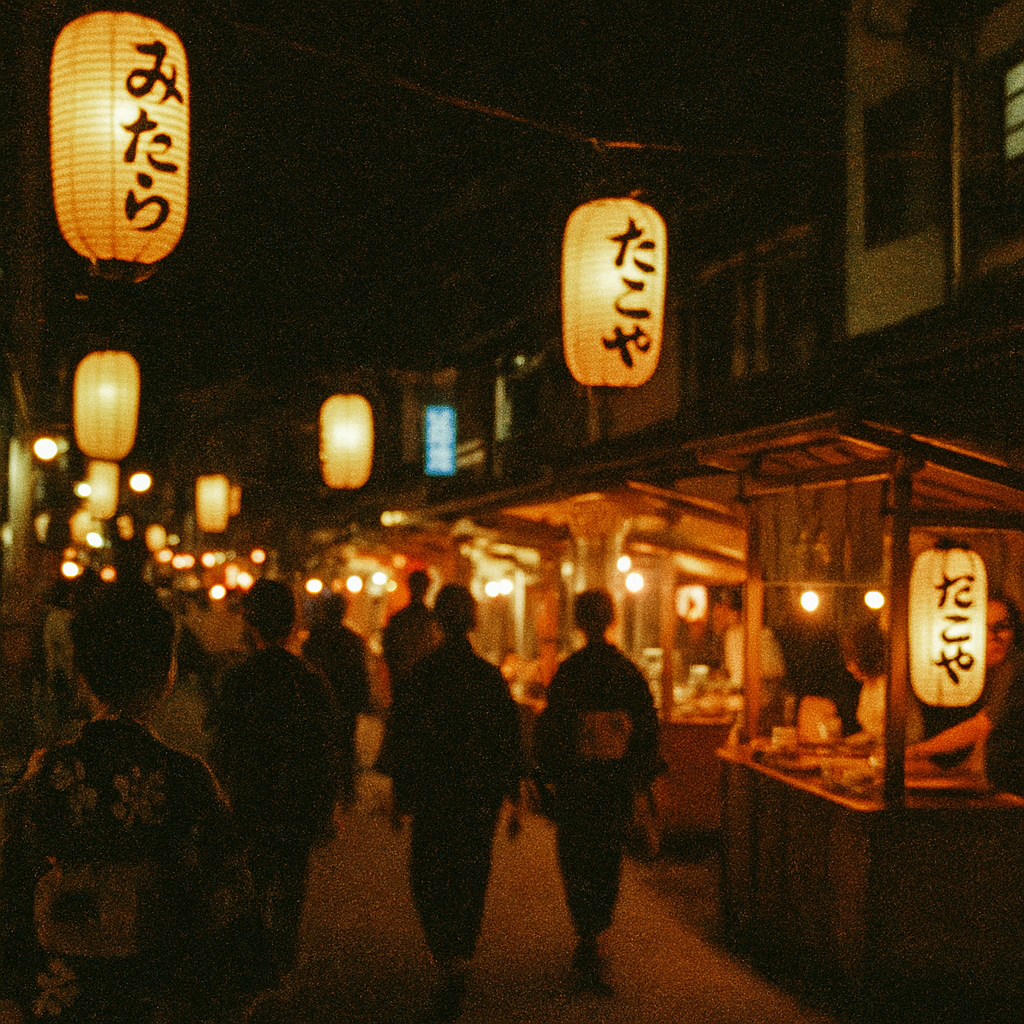
Beyond the visual spectacle, the festival is a full sensory feast. The aroma of street food drifts through every block: grilled yakitori chicken skewers glistening with tare sauce, sweet and savoury takoyaki octopus balls sizzling on iron griddles, shaved ice (kakigori) piled high with luridly bright syrups, and cold cans of Yebisu or Asahi beer being sold out of ice-filled coolers by cheerful vendors. The soundscape shifts block by block — at the taiko drumming of a live performance stage to the delighted shrieks of children winning prizes at shooting galleries, to the low murmur of couples reading wish-tags aloud to each other. Evenings are particularly magical, when paper lanterns and fairy lights illuminate the decorations and the streets take on a warm, golden glow. Wear your yukata (summer kimono) if you have one — you’ll be in excellent company.
Highlights & Must-See Moments
- The Grand Decoration Competition: Each year, local businesses and groups compete to create the most spectacular fukinagashi. Look for the competition winners displayed prominently along Naka-dori — these are often awe-inspiring constructions several metres tall and wide. This is the photographic heart of the festival.
- Writing Your Own Wish (Tanzaku): One of the most meaningful things you can do at a Tanabata star festival wish writing bamboo trees experience is to write your own wish on a tanzaku strip and tie it to a bamboo branch. Tanzaku are typically available at festival stalls and sometimes at tourist information points for a small fee or even free. Wishes can be written in any language — the stars are international.
- The Festival Opening Parade: The opening days typically feature a colourful parade along the main streets, with mikoshi (portable shrines), traditional dancers, and costumed performers. Arriving on the first or second day of the festival gives you the best chance to catch this lively procession.
- Live Performances on the Festival Stage: A permanent stage near the station plaza hosts a rotating schedule of performances throughout the festival — traditional bon-odori dancing, local school ensembles, and musical acts. Check the official Hiratsuka City website for the year’s programme.
- Photography at Dusk: The hour amid sunset and full dark (typically 7:00pm–8:30pm in early July) is the golden hour for photographers. The decorations catch the fading natural light while the lanterns begin to glow, creating a layered, magical effect. Position yourself at the far end of Naka-dori looking back toward the station for a stunning corridor shot.
Practical Tips for Visitors
Planning is everything when attending one of Japan’s biggest summer festivals. Here’s what seasoned Japan travellers wish they’d known before visiting the Tanabata Festival Hiratsuka 2026:
- Best time to arrive: Weekday mornings (10:00am–12:00pm) are significantly less crowded than weekend afternoons. If visiting on a weekend, aim to arrive before 11:00am or after 7:00pm when the evening atmosphere is spectacular but crowds thin slightly. The Tanabata Festival Hiratsuka crowds busy times 2026 peak on weekends and on July 7th itself — plan accordingly.
- What to wear: July in Hiratsuka is hot and humid — typically 28–34°C with high humidity. Wear light, breathable clothing and comfortable walking shoes. A yukata is a wonderful choice and you’ll fit right in; many visitors hire them near the station. Carry a folding fan (sensu) and a small towel for sweat.
- What to bring: Cash is essential — most festival food stalls are cash only. Bring ¥3,000–¥5,000 for snacks, drinks, and small purchases. A portable battery pack for your phone is highly recommended for a full day of photography. Sunscreen and a hat are non-negotiable during daylight hours.
- Photography etiquette: Always be mindful of other visitors when stopping for photos. The crowds are dense — move to the sides of the street rather than stopping in the middle. Ask before photographing people in yukata, especially children.
- Stay hydrated: Heatstroke is a real risk at summer festivals in Japan. Drink water regularly, take breaks in air-conditioned shops along the arcade, and don’t underestimate the heat.
- Luggage: If you’re making a day trip out of Tokyo, leave large bags at coin lockers at Tokyo Station or Shinjuku before travelling. Hiratsuka Station has coin lockers but they fill up quickly during the festival.
How to Get There
One of the great joys of the Hiratsuka Tanabata near Tokyo experience is how effortlessly accessible it is at the capital. Here’s how to make the journey:
out of Tokyo (Shinjuku, Shibuya, or Yokohama): The most convenient route is via the JR Tōkaidō Line (東海道線), which runs directly to Hiratsuka Station (平塚駅). out of Shinjuku Station, take the JR Shonan-Shinjuku Line or change at Yokohama for the Tōkaidō Line. The journey takes approximately 60–75 minutes out of Shinjuku and around 35–40 minutes out of Yokohama. Trains run frequently (every 10–15 minutes during peak times).
out of Tokyo Station: Take the JR Tōkaidō Line directly to Hiratsuka Station — approximately 55–65 minutes, with no transfers required. This is the simplest and most recommended route for visitors staying in central Tokyo.
out of Odawara or Atami: Hiratsuka is also easily reached out of Odawara (about 20 minutes) and Atami on the Tōkaidō Line, making it an excellent addition to a Hakone or Izu Peninsula trip.
IC Cards: Use your Suica or Pasmo IC card for seamless travel — no need to buy individual tickets. The fare out of Tokyo Station is approximately ¥990 each way (2025 pricing; subject to minor changes).
out of Hiratsuka Station: Exit via the North Exit (北口) and walk straight ahead — you will see the festival decorations within two minutes. The main festival zone is a 5–10 minute walk at the station at a leisurely pace, though during busy periods you may be walking slowly through crowds almost immediately.
The festival is covered by the JR Pass if you are travelling on a standard JR Pass, making it essentially free for eligible pass holders.
Nearby Attractions
Hiratsuka and the surrounding Kanagawa coastline offer several compelling reasons to extend your visit beyond the festival itself. Check out our guide to Japan festivals for more seasonal events worth pairing with your trip.
- Shonan Beach (湘南海岸): Just a short bus or taxi ride out of Hiratsuka Station, the famous Shonan Coast stretches along Sagami Bay with wide sandy beaches and a laid-back surf culture. In early July the water is warm enough for swimming, and the beach views — with Mt. Fuji sometimes visible on clear mornings — are spectacular. Combine a morning at Shonan with an afternoon and evening at the Tanabata Festival for a perfect summer day.
- Odawara Castle (小田原城): Approximately 20 minutes out of Hiratsuka by JR Tōkaidō Line, Odawara’s beautifully restored castle sits in a pleasant park and houses an excellent history museum. It makes a dignified, culturally rich complement to the festive chaos of Tanabata. The surrounding Odawara town also offers excellent seafood restaurants.
- Hakone National Park: For those making a multi-day Kanagawa excursion, Hakone is just 40 minutes out of Hiratsuka by train and offers iconic views of Mt. Fuji, hot spring ryokan, and the famous Hakone Open Air Museum. Consider spending the night in Hakone before or after attending the Tanabata Festival — many of the region’s Japan travel itineraries pair these two destinations naturally.
Frequently Asked Questions
Q: When exactly is the Tanabata Festival Hiratsuka in July 2026, and how long does it run?
A: The Tanabata Festival Hiratsuka 2026 dates are expected to run out of approximately July 3rd to July 7th, 2026, centred on the traditional Tanabata date of July 7th. The exact schedule will be confirmed by Hiratsuka City Tourism in spring 2026. In previous years the festival has run for five to seven days, with decorations displayed daily out of around 10:00am to 10:00pm. The evening of July 7th is traditionally the most special time to visit.
Q: How do I get to the Hiratsuka Tanabata Festival from Tokyo, and how long does it take?
A: Getting to the Hiratsuka Tanabata Festival out of Tokyo is straightforward and affordable. Take the JR Tōkaidō Line directly out of Tokyo Station to Hiratsuka Station — the journey takes approximately 55–65 minutes with no transfers required. out of Shinjuku, use the JR Shonan-Shinjuku Line (around 70 minutes). The fare is approximately ¥990 each way and is covered by the JR Pass. Exit at Hiratsuka Station’s North Exit and the festival is within walking distance immediately.
Q: Is the Tanabata Festival Hiratsuka free to attend?
A: Yes, entry to the Hiratsuka Tanabata Festival is completely free. There is no admission charge to walk through the decorated shopping streets and enjoy the decorations, performances, and atmosphere. You will spend money on food, drinks, games, and souvenirs out of stalls if you choose, but the core festival experience costs nothing beyond your train fare.
Q: How do I write wishes at the Tanabata bamboo trees, and what should I write?
A: Writing wishes (tanzaku) is one of the most beloved Tanabata star festival wish writing bamboo trees traditions. At the festival, look for stalls selling coloured tanzaku strips — they are typically very inexpensive (around ¥100–¥200) or sometimes free. Write your wish or prayer in pen on the strip, then tie it to a branch of one of the decorated bamboo trees using the attached string. You can write in any language — English wishes are perfectly welcome. Traditional wishes relate to improving skills, good health, love, and personal dreams. There’s no wrong answer: write what matters most to you.
Q: What is the best accommodation near the Hiratsuka Tanabata Festival 2026?
A: For Hiratsuka Tanabata Festival 2026 accommodation near the venue, there are several business hotels within walking distance of Hiratsuka Station, including the Toyoko Inn Hiratsuka Ekimae and Hotel Mets Hiratsuka. These book up quickly for the festival period, so reserve at least 2–3 months in advance. Many visitors prefer to stay in nearby Yokohama (30–40 minutes away) or central Tokyo and make a day trip, which is entirely practical. If you want a more luxurious experience, the hot spring ryokan of Hakone (40 minutes away) are a wonderful option for the nights surrounding your festival visit.
There are very few summer experiences in Japan that match the pure, joyful magic of the Tanabata Festival Hiratsuka 2026. Whether you’re a first-time visitor to Japan or a seasoned returnee searching for festivals that still feel genuinely alive and rooted in culture, Hiratsuka’s celebration delivers every time. at the extraordinary handcrafted decorations swaying above the streets to the deeply personal ritual of tying your own wish to a bamboo branch beneath a July sky, this is a festival that connects you to something ancient, beautiful, and very human. Start planning your visit now — book your trains, check the schedule as July 2026 approaches, and make sure you’re on that platform when the time comes. The stars will be waiting. For more inspiration on Japan events and summer festivals across the country, explore our full seasonal guide.