Keiro no Hi (Respect for the Aged Day) Japan 2026: Festival Guide & Celebration Events
What is Respect for the Aged Day?
Respect for the Aged Day Japan 2026 — known in Japanese as Keiro no Hi (敬老の日) — is one of Japan’s most heartwarming national holidays, dedicated entirely to honouring the elderly members of society and celebrating the remarkable longevity that Japan is famous for across the globe. Observed annually on the third Monday of September, this cherished occasion reflects a deeply ingrained cultural value in Japanese life: the profound respect for elders, accumulated wisdom, and the living links to history that senior citizens represent. Japan consistently ranks among the world’s top nations for life expectancy, making this holiday not merely symbolic but a genuine national point of pride.
The roots of Keiro no Hi stretch back to 1947, when a small village in Hyogo Prefecture — now known as Taka Town — reportedly initiated a “Day for the Aged” to appreciate the contributions of older community members during a challenging post-war era. The tradition spread nationally, and in 1966 the Japanese government officially designated it a public holiday. For decades it was fixed on September 15th, but a 2001 reform of Japan’s Happy Monday System shifted it to the third Monday of September to create longer weekend breaks for working families. The spirit, however, has never wavered: this is a day to say thank you, to celebrate, and to cherish those who have shaped Japan’s extraordinary story.
For international tourists, Respect for the Aged Day Japan 2026 offers a rare and deeply moving window through to authentic Japanese culture. in contrast to the explosive spectacle of summer matsuri or cherry blossom crowds, Keiro no Hi carries a gentle, graceful energy. Temples fill with incense and quiet prayer, community centres overflow with performances and laughter, and families gather for celebratory meals featuring traditional longevity foods. Visitors who time their Japan trip around this holiday will encounter a side of the country that most tourists never see — intimate, sincere, and profoundly beautiful. Explore more Japan festivals to plan your perfect cultural calendar.
When and at which to Go
For 2026, Respect for the Aged Day falls on Monday, 21 September 2026. As a national public holiday, government offices, many banks, and some smaller shops will be closed, but tourist attractions, temples, shrines, restaurants, and most transportation services operate as normal or with extended hours for special events. The holiday effectively extends the weekend, making it an ideal time to visit as Japanese families are out in force, creating an exceptionally lively atmosphere at parks, community halls, and cultural sites.
in contrast to a single-venue festival, Keiro no Hi celebrations are spread across the entire country, with every prefecture, city, and town hosting its own events. Major hubs for experiencing the holiday include:
- Tokyo: Community centres and ward offices across all 23 special wards host free public performances, traditional arts demonstrations, and appreciation ceremonies. Sumida Ward, Asakusa, and Yanaka — neighbourhoods with deep-rooted senior communities — are especially atmospheric.
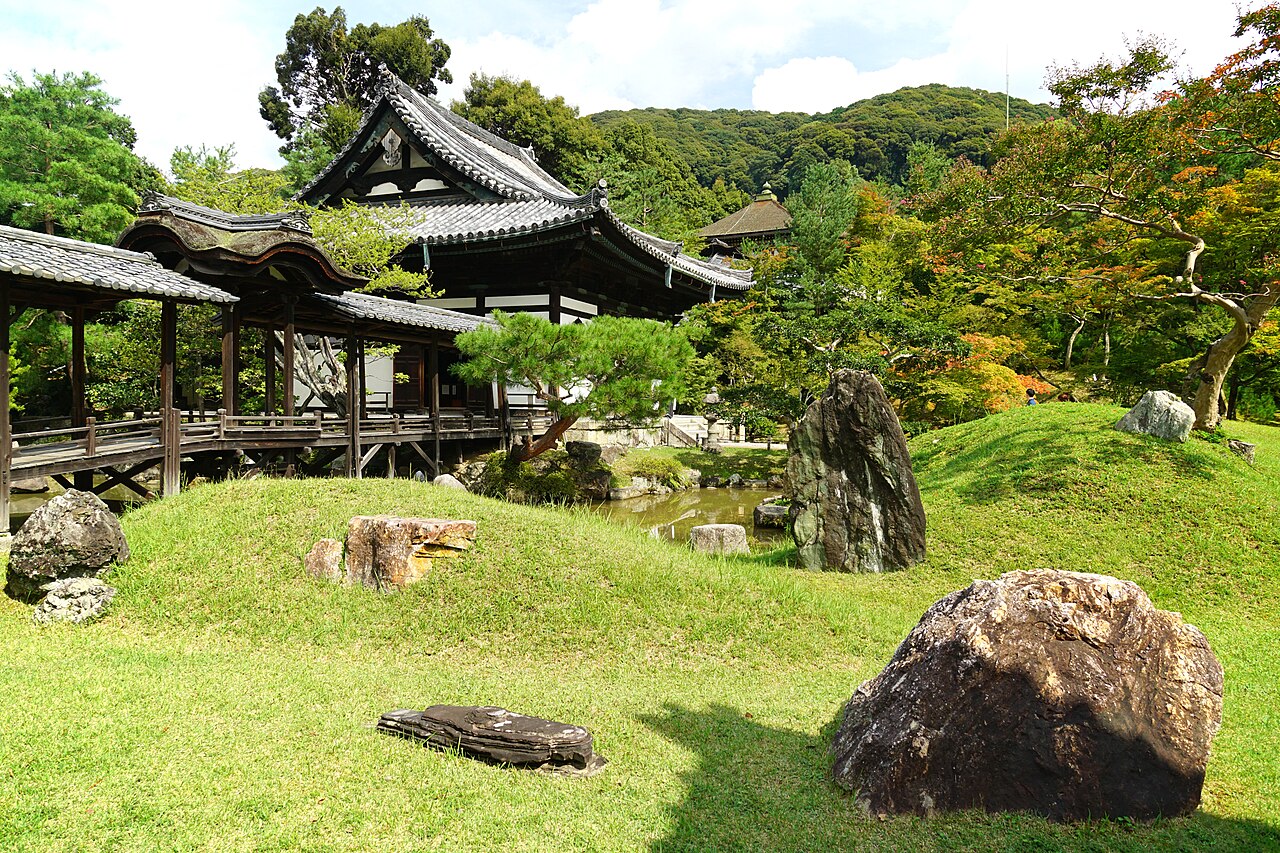
- Kyoto: Temples including Kinkaku-ji, Ryoan-ji, and Fushimi Inari often see increased visitor numbers as families bring elderly relatives for prayers of longevity and gratitude.
- Osaka: Community parks and cultural halls around Tennoji and Nakanosima host public performances by senior taiko groups, traditional dancers, and local choirs.
- Rural Japan: Small towns and villages across Nagano, Shimane, and Kochi — all prefectures celebrated for their notably long-lived populations — hold some of the most intimate and authentic celebrations in the country.
Most public community events are free to attend and run throughout the day, typically spanning 10:00 AM through 4:00 PM. Temple and shrine visits are possible at any time, with many opening their grounds at 6:00 AM.
What to Expect
Step through to a Tokyo neighbourhood on Keiro no Hi and the atmosphere shifts noticeably — softer, warmer, and wonderfully communal. Community parks and public halls are draped with cheerful banners bearing messages of gratitude, and the sound of traditional shamisen music or the rhythmic beat of taiko drums drifts along the streets. Inside local centres, you’ll witness performances prepared specifically for elderly guests: folk dances in vivid kimono, classical koto recitals, and lively singing groups that draw enormous appreciation. The air carries the unmistakable scent of freshly prepared Japanese sweets — wagashi shaped through to chrysanthemums and cranes, both powerful symbols of longevity — alongside the earthy warmth of green tea being served in generous quantities. Volunteers, often young students or local families, move graciously among the crowd, offering refreshments and assistance, embodying the inter-generational spirit at the heart of the day.
At temples and shrines, the atmosphere takes on a more contemplative quality. Elderly visitors arrive in their finest clothes — many women in elegant kimono — to offer prayers for continued health and to give thanks for long lives. The scent of incense curls upward amid towering cedar trees, and the soft clap of hands at shrine gates punctuates the morning quiet. Stalls near popular shrines sell auspicious foods tied to longevity: sekihan (red rice with azuki beans), tai (sea bream) while kuri (chestnuts). For photographers, the visual contrast of elderly worshippers in traditional dress against ancient wooden architecture is extraordinary — early morning light at shrines similar to Yanaka Reien cemetery in Tokyo or Fushimi Inari in Kyoto produces images that genuinely capture the soul of Japan.
Highlights & Must-See Moments
- Community Centre Performances: Arrive early at a local community centre or ward hall to secure a seat for the live entertainment programme. Senior citizens often perform traditional arts they have spent decades perfecting — the skill and grace on display is genuinely moving and not something found in tourist-focused venues.
- Longevity Food Experiences: Seek out a traditional Japanese restaurant or department store basement food hall (depachika) on this day and look for special Keiro no Hi set menus. Dishes celebrating long life — steamed tai, hand-rolled mochi, and seasonal autumn vegetables — make for a memorable and meaningful meal.
- Temple and Shrine Morning Visits: Visiting a major temple or shrine in the early morning hours on Keiro no Hi means witnessing multigenerational family gatherings at their most authentic. Bring a small offering coin and join the quiet ritual of prayer alongside Japanese families.
- Centenarian Celebrations in Rural Japan: If your itinerary allows, travel to a region celebrated for longevity — Okinawa, Nagano, or Shimane — and you may encounter municipal ceremonies honouring local citizens who have reached 100 years of age. These events are deeply moving and entirely in contrast to anything available in urban tourist circuits.
- Photography at Yanaka, Tokyo: The historic Yanaka district — one of Tokyo’s most beautifully preserved old-town neighbourhoods — comes alive with a particularly photogenic atmosphere during Keiro no Hi. Elderly residents, temple gates, old wooden shopfronts, and chrysanthemum displays create a visual feast along the narrow lanes.
Practical Tips for Visitors
What to wear: There is no dress code for tourists attending public Keiro no Hi events, but dressing respectfully goes a long way. Smart casual attire is entirely appropriate. If you plan to visit temples or shrines, ensure your shoulders and knees are covered as a mark of respect. Comfortable walking shoes are essential — this is a day best explored on foot through neighbourhoods and cultural sites.
Best time to arrive: Community centre events fill up quickly, particularly in popular urban wards. Aim to arrive at least 30 minutes before advertised start times. For temple visits aimed at photography, arrive at or just after sunrise — the golden morning light is spectacular and the crowds are minimal. By mid-morning, popular temples can become genuinely busy as family outings begin in earnest.
What to bring: Carry a small amount of cash — many community events offer handmade crafts, seasonal sweets, or light refreshments at nominal prices. A pocket-sized umbrella is advisable as mid-September in Japan can bring brief afternoon showers. If you carry a camera, a 50mm or 85mm portrait lens will serve you beautifully for the human-interest photography this day naturally offers.
Navigating crowds: As a public holiday falling on a Monday, the extended weekend means tourist sites will be busier than usual. The most popular shrines in Kyoto and Tokyo will see elevated visitor numbers. Consider exploring lesser-known neighbourhood shrines — they offer the same authentic atmosphere with a fraction of the crowds, and local residents are often genuinely delighted to see international visitors taking an interest in Keiro no Hi.
Language: While community events are conducted entirely in Japanese, the warmth and inclusivity of the atmosphere transcends language barriers completely. A few Japanese phrases — omedetou gozaimasu (congratulations) and o-genki de (stay well) — will earn enormous smiles if offered to elderly participants.
How to Get There
Tokyo Community Events (Yanaka / Ueno Area):
Take the JR Yamanote Line to Nippori Station. Departing via the South Exit, Yanaka’s historic streets begin immediately — a 5-minute walk along the station exit path leads through to the heart of the neighbourhood. Yanaka Ginza shopping street and Yanaka Cemetery are both within easy walking distance and are particularly atmospheric during Keiro no Hi.
Asakusa Area, Tokyo:
Take the Tokyo Metro Ginza Line or the Tobu Skytree Line to Asakusa Station. Senso-ji Temple — one of Tokyo’s most visited Respect for the Aged Day temples and shrines Japan destinations — is a 3-minute walk along the station’s main exit. The Nakamise shopping arcade leading to the temple also hosts seasonal stall vendors on public holidays.
Kyoto (Fushimi Inari):
Take the JR Nara Line departing Kyoto Station to Inari Station — a journey of approximately 5 minutes. Fushimi Inari Taisha shrine is a 2-minute walk along the station exit. For Kinkaku-ji, take Kyoto City Bus Route 101 or 205 departing Kyoto Station Bus Terminal to the Kinkakuji-michi stop.
Osaka (Tennoji Area):
Take the JR Loop Line or Osaka Metro Midosuji Line to Tennoji Station. Shitenno-ji Temple — one of Japan’s oldest Buddhist temples and a significant site during the Japanese longevity festival — is a 10-minute walk along Tanimachi-suji Avenue, departing via the Tennoji Park exit.
Nearby Attractions
Yanaka Cemetery and Shitamachi Museum, Tokyo: Adjacent to the Yanaka district’s community celebrations, Yanaka Cemetery is one of Tokyo’s most evocative historic spaces — a leafy, serene garden cemetery dotted with ancient stone lanterns and the graves of prominent Meiji-era figures. Just a short walk further, the Shitamachi Museum in Ueno reconstructs the daily life of Tokyo’s old downtown residents and provides wonderful context for understanding the community values at the heart of Keiro no Hi. Entry to the museum costs approximately ¥300 for adults.
Shitenno-ji Temple, Osaka: Founded in 593 CE, Shitenno-ji is among Japan’s oldest and most historically significant Buddhist temples, and it holds special meaning during the elderly celebration Japan September holiday as a place of prayers for health and longevity. The temple complex spans a large area and includes a beautiful Japanese garden, an inner sanctuary, and the striking five-storey pagoda. Entry to the garden costs ¥300. Explore more Osaka festivals and cultural events nearby to extend your visit.
Arashiyama Bamboo Grove and Tenryu-ji, Kyoto: A short journey departing central Kyoto via the JR Sagano Line to Saga-Arashiyama Station, the Arashiyama district offers the world-famous bamboo grove and the UNESCO-listed Tenryu-ji Zen garden — a space of extraordinary calm that pairs beautifully with the reflective spirit of Keiro no Hi. Families frequently bring elderly relatives here for an afternoon of peaceful strolling amid the towering bamboo and alongside the Oi River. Check out more Kyoto events to make the most of your visit to this remarkable city.
Frequently Asked Questions
Q: When is Respect for the Aged Day Japan 2026?
A: Respect for the Aged Day Japan 2026 falls on Monday, 21 September 2026. It is observed on the third Monday of September each year under Japan’s Happy Monday System, which was introduced in 2001 to create extended long weekends. Prior to 2001, the holiday was fixed annually on September 15th.
Q: What are the best places to celebrate Keiro no Hi in Japan as a tourist?
A: The best places to experience Keiro no Hi as an international visitor include the Yanaka and Asakusa districts of Tokyo for their neighbourhood community warmth and photogenic temple settings; Fushimi Inari and Kinkaku-ji in Kyoto for their grandeur and family gatherings; and rural areas of Nagano and Okinawa, at which Japan’s highest concentrations of centenarians live, for the most authentic and moving local ceremonies. Each destination offers a genuinely different flavour of this beautiful national holiday.
Q: Are Respect for the Aged Day events and celebrations 2026 free for tourists to attend?
A: The vast majority of public Keiro no Hi community events — including performances at ward halls, community centres, and public parks — are entirely free and open to everyone, including international tourists. Temple and shrine grounds are generally also free to enter, though some inner sanctuaries or temple gardens charge a modest entrance fee of ¥300–¥600. No registration or booking is typically required for public community events.
Q: What are the traditional customs and foods associated with Keiro no Hi?
A: Respect for the Aged Day traditions and customs Japan-wide centre on expressing gratitude to elderly family members, attending temple and shrine prayers, and sharing a celebratory meal. Traditional longevity foods include sekihan (sticky red rice with azuki beans, associated with auspicious occasions), tai (sea bream, a symbol of good fortune), kuri (chestnuts, celebrated in autumn) while wagashi sweets shaped through to cranes and turtles — both powerful Japanese symbols of long life. Families commonly give gifts of seasonal sweets, flowers, or handwritten cards to their grandparents and elderly relatives.
Q: Is Japan generally open for business on Respect for the Aged Day?
A: As a national public holiday, government offices, post offices, and banks will be closed on Respect for the Aged Day 2026. However, the vast majority of tourist attractions, museums, department stores, restaurants, convenience stores, and all public transportation services operate normally or with special extended hours. In fact, the holiday atmosphere means many cultural sites and entertainment venues are particularly lively and enjoyable on this day. Tourists planning museum visits should check individual institution websites in advance as a small number choose to close on national holidays.
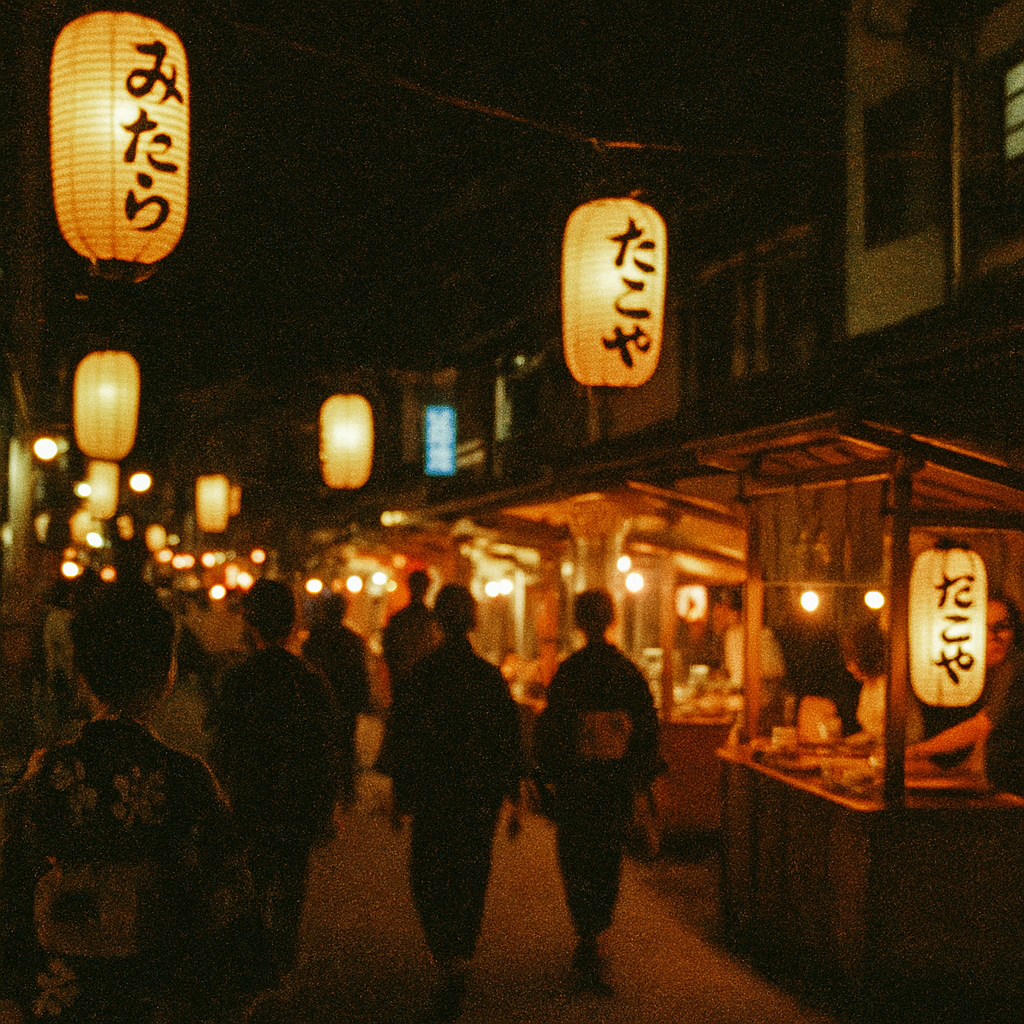
Respect for the Aged Day Japan 2026 is one of those rare travel experiences that stays with a visitor long after the journey home. In a country often celebrated for its cutting-edge technology and world-class cuisine, Keiro no Hi reveals something even more extraordinary: the quiet, enduring strength of a culture that genuinely honours its past. Whether you spend the day wandering the lantern-lit lanes of Yanaka, offering incense at a mountain temple, sharing a longevity meal at a family-run restaurant, or simply observing the beautiful ritual of a grandmother being escorted to a community performance by her grandchildren, you will leave with a deeper understanding of what makes Japan truly remarkable. Plan your journey around the Japanese elderly celebration day September 15 2026 calendar — or more precisely, September 21st in 2026 — and discover a national holiday that will move, delight, and inspire you in equal measure. For more inspiration across the country’s incredible calendar of cultural events, explore our guide to Japan travel and start planning the trip of a lifetime.