Gion Matsuri Festival 2026: Tickets, Guide & Travel Tips
What is Gion Matsuri Festival?
The Gion Matsuri Festival 2026 stands alongside the Anda Matsuri of Osaka and the Kanda Matsuri of Tokyo as one of Japan’s three greatest festivals — a title it has held for over a thousand years. Originally performed as a purification ritual to appease the gods during a devastating plague in 869 AD, this extraordinary celebration has grown through to a month-long cultural spectacle that draws visitors out of every corner of the globe. Rooted in the traditions of Yasaka Shrine in the heart of Kyoto, the festival is a living testament to Japan’s remarkable ability to preserve ancient ritual within a modern city.
For international tourists, the Gion Matsuri Festival represents one of the most visually arresting and emotionally resonant experiences Japan has to offer. The festival is deeply woven through to the identity of Kyoto itself — every neighbourhood contributing, every artisan involved, every family holding its own cherished role in the proceedings. Visitors often describe it as stepping through to a woodblock print brought vividly to life, with lantern-lit streets, the haunting sound of traditional hayashi music, and the sight of magnificent festival floats towering above the crowds.
When and at which to Go
The Gion Matsuri Festival 2026 runs throughout the entire month of July, spanning 1 July to 31 July 2026, making it one of the longest festival periods in Japan. The action is centred on the streets of downtown Kyoto — particularly the Shijo-Kawaramachi and Karasuma areas — with Yasaka Shrine serving as the spiritual heart of all proceedings. The festival builds in intensity across the month, with the grandest events clustering around the legendary float processions in mid-July. Check the official Kyoto tourism website for the precise schedule of individual events, as timings for ceremonies, float displays, and street closures are confirmed closer to the date.
What to Expect
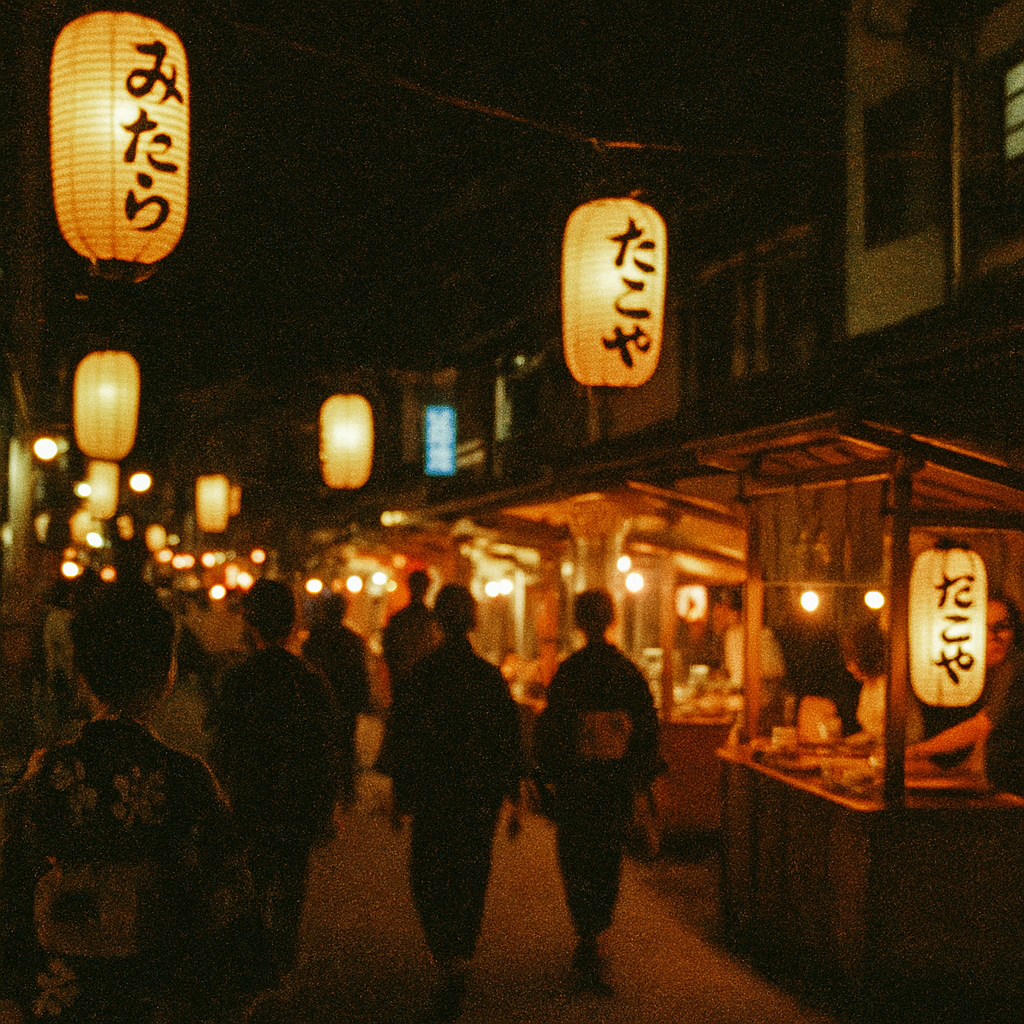
Arriving at the Gion Matsuri Festival in July, you’ll find the downtown Kyoto streets transformed through to a vibrant open-air stage. The festival unfolds in two major phases: the Sakimatsuri (the first procession period, typically centred on 17 July) and the Atomatsuri (the second procession period, typically around 24 July). On the evenings preceding these processions — known as Yoiyama nights — the streets close to traffic and the neighbourhood explodes through to a pedestrian festival of lantern-lit floats, food stalls, and musicians. These evenings are among the most atmospheric of any festival in Asia, and they are absolutely unmissable.
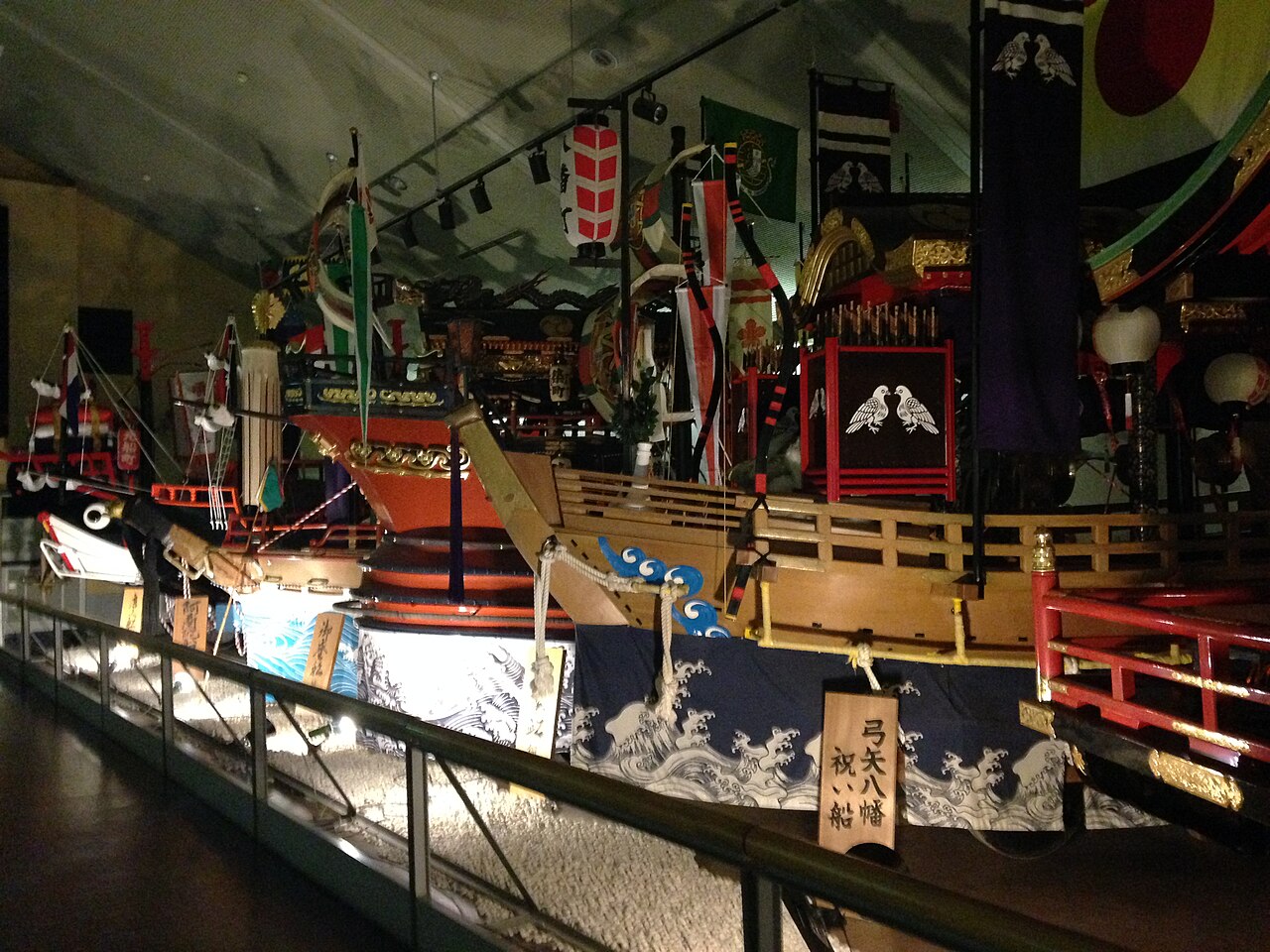
The daytime processions themselves — known as Yamaboko Junko — are the centrepiece of the entire month. Enormous festival floats, some towering up to 25 metres in height and weighing several tonnes, are hauled through the streets by teams of men dressed in traditional attire. Each float (yama or hoko) belongs to a specific neighbourhood and is decorated with priceless tapestries, lacquerwork, and carvings — many of them genuine antiques. The skill required to navigate these massive structures around tight corners, using only ropes and bamboo levers, is breathtaking to witness in person.
Highlights & Must-See Moments
- Yoiyama Evenings (Nights Before the Processions): Wander the lantern-glowing streets amid the ethereal sound of hayashi flute and drum music drifting out of the decorated floats. Street food vendors line the closed roads, and the entire neighbourhood pulses with a festive energy in contrast to anything else in Japan. Aim to arrive early, as crowds build rapidly after sunset.
- Yamaboko Junko Float Processions: Position yourself along the procession route on 17 July (Sakimatsuri) or 24 July (Atomatsuri) to watch the jaw-dropping parade of towering floats. Grandstand seating tickets are available for purchase and offer excellent elevated views — check the official Kyoto tourism website for ticketing details as the date approaches.
- Yasaka Shrine Ceremonies: The spiritual core of the festival takes place at Yasaka Shrine in the Gion district. Attend early-morning or evening ceremonies to experience the quieter, more solemn side of the festival — a powerful contrast to the exuberant street celebrations and a profound insight through to Kyoto’s living religious culture.
Admission & Budget
One of the great joys of the Gion Matsuri Festival for foreigners is that the vast majority of the festival is completely free to attend. Walking the Yoiyama streets, watching the float processions along the public roadside, and visiting Yasaka Shrine all carry no admission fee, making this one of Japan’s most accessible major cultural events. Budget-conscious travellers should, however, factor in costs for food stalls (expect to spend a few hundred yen per snack item), any grandstand seating tickets for the processions, and optional guided tours in English. For the most up-to-date information on Gion Matsuri tickets 2026 and any ticketed events, verify details via the official Kyoto tourism website, as specific arrangements are confirmed each year.
Practical Tips for Visitors
July in Kyoto is hot and extremely humid — dress in lightweight, breathable clothing and carry a folding fan (sold all over in the city) and a reusable water bottle. Wearing a casual summer yukata (cotton kimono) is enthusiastically welcomed and easy to rent in the Gion area. For first-time visitors to Gion Matsuri, the single most important tip is to arrive early: crowds on Yoiyama evenings and procession days are enormous, and the best viewing spots fill up hours in advance. Comfortable walking shoes are essential, as you’ll be on your feet for several hours. Photography is generally welcome throughout the public festival areas, but always be respectful of participants and shrine ceremonies. A Gion Matsuri English guide tour is an excellent investment for deeper cultural context — several reputable operators offer these, bookable in advance online.
How to Get There
Kyoto is superbly well connected and makes an ideal destination for a Gion Matsuri day trip out of Osaka or Tokyo. Departing Tokyo, take the Tokaido Shinkansen to Kyoto Station — the journey takes approximately two hours and fifteen minutes via the Nozomi service. Departing Osaka, Kyoto is just fifteen minutes away via the Shinkansen, or around thirty minutes via the JR Biwako Line or Hankyu Railway, making it one of the easiest excursions in the Kansai region. Once in Kyoto, the festival’s main areas in the Shijo-Karasuma and Gion neighbourhoods are accessible via the Kyoto Municipal Subway (Karasuma Line) or city buses — Kyoto’s bus network is tourist-friendly and well-signposted in English. For specific station exits and bus stop recommendations, consult the Gion Matsuri access transport guide published on the official Kyoto tourism website each year, as route adjustments are common during street closures. For more inspiration on celebrations across the country, explore our guide to Japan festivals and browse the full calendar of Kyoto events to plan your trip around even more unforgettable experiences.
The Gion Matsuri Festival 2026 is, quite simply, one of those rare events that every visitor to Japan should experience at least once in a lifetime — a dazzling collision of ancient tradition, spectacular artistry, and pure human celebration. Start planning your July trip to Kyoto now, and prepare to be completely captivated by one of Asia’s greatest festivals. For more unmissable events, discover our complete guide to Japan travel.