Takayama Matsuri 2026: Guide to Japan’s Iconic Festival
What is Takayama Matsuri?
Takayama Matsuri ranks among Japan’s most celebrated traditional festivals, recognised by the Japanese government as one of the nation’s three greatest festivals alongside Kyoto’s Gion Matsuri and Chichibu’s Yomatsuri. Rooted in centuries of history, this extraordinary gathering takes place in the beautifully preserved Edo-era city of Takayama, nestled deep in the Japanese Alps of Gifu Prefecture. The festival is believed to have originated in the late 16th century, and it has continued largely uninterrupted ever since — a testament to the fierce local pride and dedication of Takayama’s craftsmen and community.
For international tourists, Japan festivals rarely offer the combination of jaw-dropping craftsmanship, intimate atmosphere, and authentic cultural depth that Takayama Matsuri delivers. in contrast to the vast, crowded spectacles of Japan’s big-city festivals, Takayama’s celebration unfolds along narrow, lantern-lined streets of a town that genuinely feels frozen in time. Whether you are a first-time visitor to Japan or a seasoned traveller hunting for something truly unforgettable, this festival belongs at the very top of your itinerary.
When and at which to Go
The autumn edition of Takayama Matsuri 2026 takes place on 9–10 October 2026, centred around Sakurayama Hachimangu Shrine in Takayama’s historic old town district. The festival traditionally runs across two full days, with processions and events typically beginning in the morning and continuing through to the evening hours. Opening hours and specific timings can vary each year, so visitors should verify the exact schedule on the official Takayama Matsuri website before travelling. Note that Takayama also hosts a spring edition each April, so there are two opportunities per year to experience this magnificent event.
What to Expect
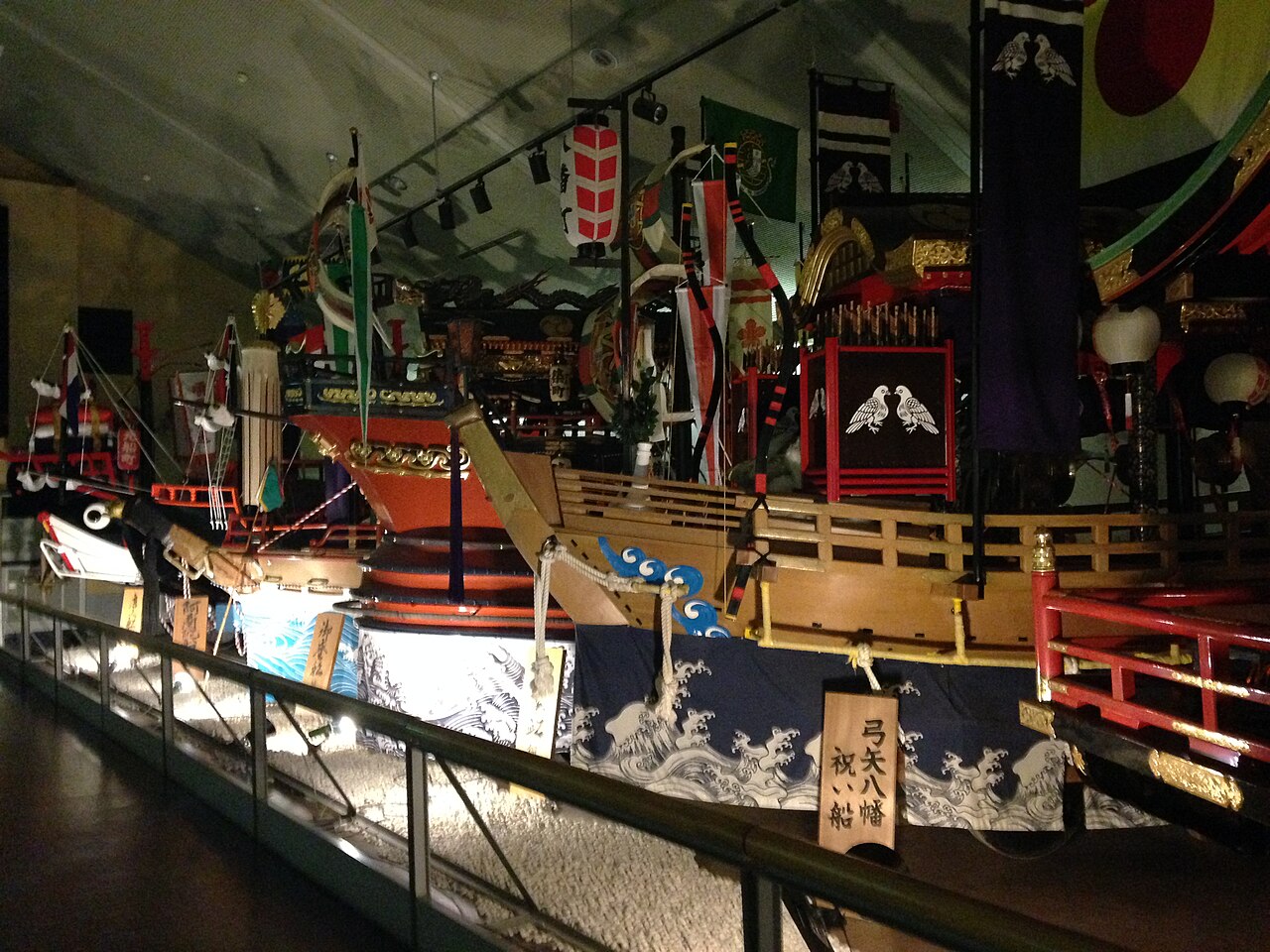
The undisputed centrepiece of Takayama Matsuri is the procession of yatai — elaborately decorated wooden floats that have been painstakingly maintained and handed down through generations of local families. Each float is a masterwork of Edo-period craftsmanship, adorned with intricate wood carvings, lacquerwork, metalwork, and embroidered textiles. A handful of these floats are also equipped with mechanical puppets known as karakuri, which perform remarkable automated displays to the delight of onlookers. Watching these towering, gilded structures glide through the ancient streets is a genuinely spine-tingling experience.
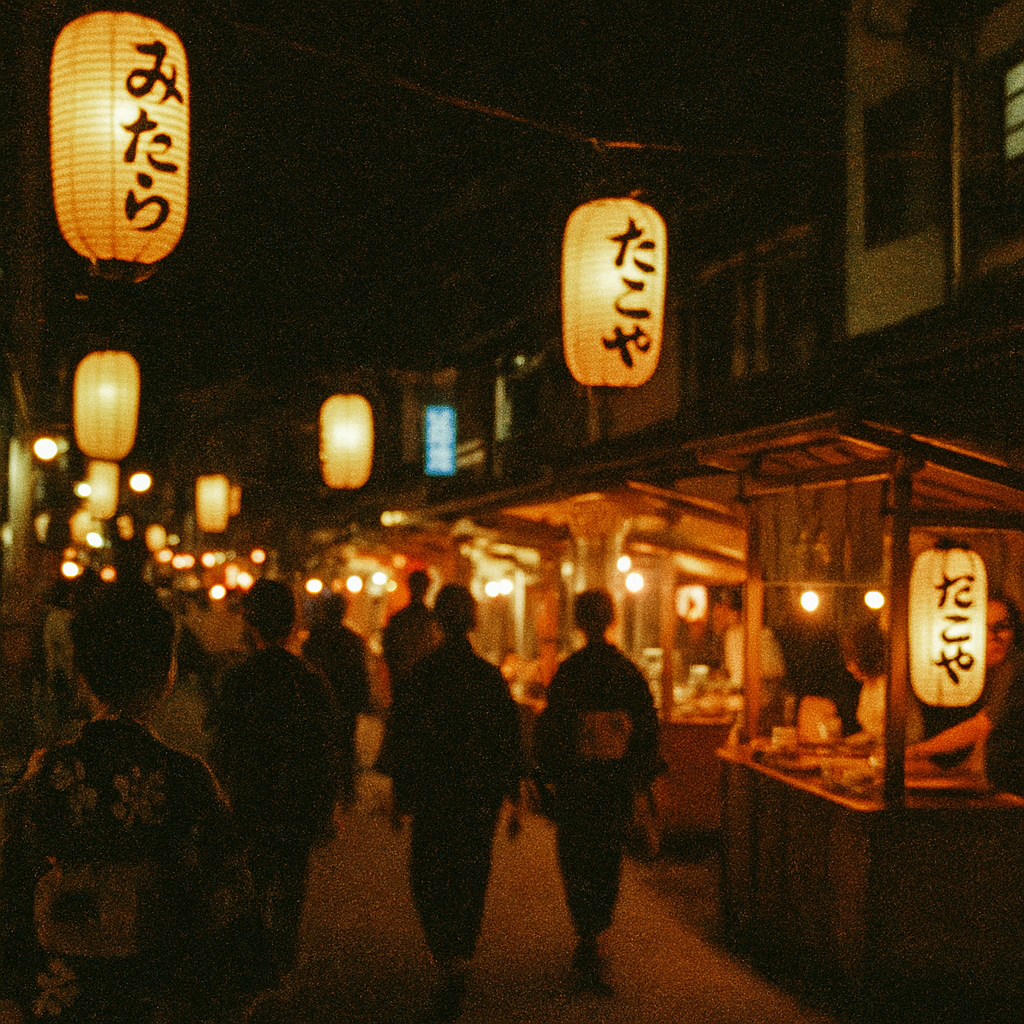
Beyond the main float procession, the festival fills Takayama’s old town with traditional music, ceremonial performances, and the warm glow of hanging lanterns as dusk falls. The surrounding Sanmachi Suji district — a beautifully preserved row of sake breweries, craft shops, and wooden merchant houses — transforms through to a living stage for the celebrations. Expect lively crowds, the scent of festival food stalls, and the sound of taiko drums echoing off timber facades. Even for travellers who have attended many Japan events, the sheer elegance and intimacy of Takayama Matsuri tends to leave a lasting impression.
Highlights & Must-See Moments
- The Yatai Float Procession: The heart of the festival — up to a dozen ornate floats, some standing several metres tall, are pulled through the historic streets by teams in traditional costume. Arriving early to secure a prime viewing spot along the procession route is strongly recommended.
- Karakuri Puppet Performances: choose floats perform intricate automated puppet shows at designated stopping points along the route. These mechanical marvels are extraordinarily rare in the modern world and represent the pinnacle of Edo-era engineering ingenuity.
- Evening Lantern Illumination: As night falls on the first day, the yatai are lit with hundreds of glowing lanterns, casting a warm amber light across the old town’s cobbled lanes. This atmospheric evening display is considered by many visitors to be the single most magical moment of the entire festival.
Admission & Budget
The street festival itself — including viewing the float processions and soaking up the atmosphere throughout the old town — is free admission, making Takayama Matsuri one of Japan’s most accessible major festivals for budget-conscious travellers. Some specific attractions in the vicinity, such as the Takayama Festival Floats Exhibition Hall (Yatai Kaikan), charge a separate entry fee; visitors should check the official website for current pricing. Budget additionally for accommodation (book many months in advance, as rooms sell out rapidly during festival dates), transport, and the irresistible array of local street food and craft stalls throughout the old town.
Practical Tips for Visitors
First-time visitors attending Takayama Matsuri 2026 should arrive in Takayama at least a day before the festival begins, both to enjoy the town itself and to avoid the significant travel congestion on festival mornings. Wear comfortable, flat shoes suitable for extended walking on uneven historic streets, and dress in layers — October mornings in the Japanese Alps can be brisk. Crowds are substantial, particularly along the main procession route, so positioning yourself early is essential for the best views. Respectful conduct is appreciated: avoid blocking other spectators with camera equipment, refrain out of touching the floats, and follow any cordoned-off areas set by festival organisers. An English-language guide or map is often available at Takayama’s tourist information office near the station.
How to Get There
Takayama is accessible via the JR Takayama Line, with direct limited express services departing Nagoya Station and taking approximately two hours. Travellers Japan travelling out of Tokyo can take the Shinkansen to Nagoya and transfer there, making the total journey around three to three-and-a-half hours. Access via Osaka follows a similar route through Nagoya. Highway bus services also connect Takayama directly to Tokyo, Nagoya, Osaka, and Kanazawa for those seeking a more scenic or economical option. Once in Takayama, the old town festival area is easily walkable out of Takayama Station. Confirm the latest timetables and check for seasonal express services on the JR or highway bus official websites before your trip.
Takayama Matsuri 2026 is a rare chance to witness one of Japan’s most treasured living traditions in an impossibly picturesque setting — don’t miss the opportunity to experience it for yourself. Start planning early, book your accommodation well in advance, and prepare to be genuinely moved by one of Asia’s great festivals.