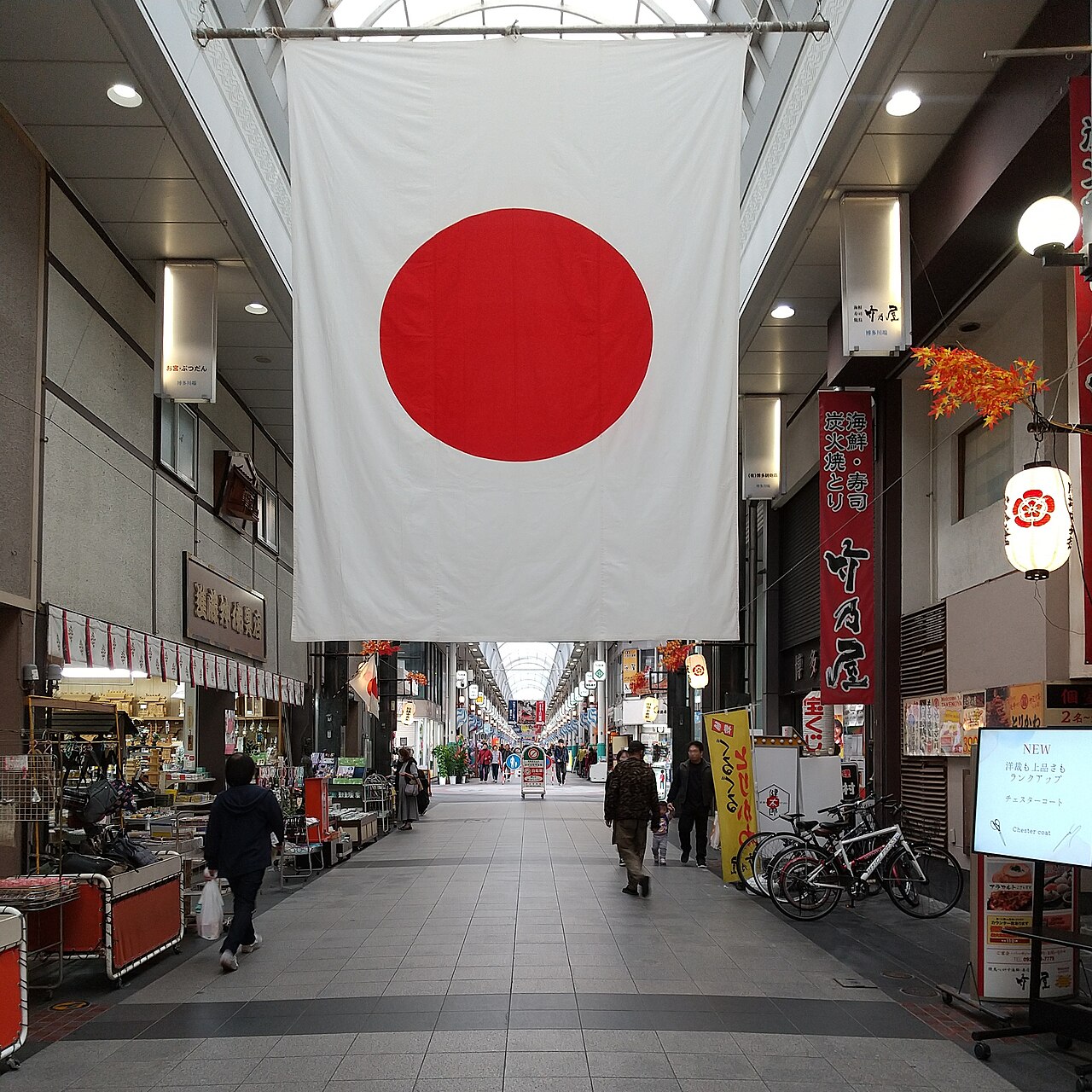
Emperor’s Birthday (Tenno Tanjobi) Japan 2026: Festival Guide & Celebrations
What is Emperor’s Birthday Japan?
Known in Japanese as Tennō Tanjōbi (天皇誕生日), the Emperor’s Birthday is one of Japan’s most significant national holidays — a day of patriotic pride, imperial pageantry, and rare public access to one of the most carefully guarded addresses on earth: the Imperial Palace in central Tokyo. Celebrated annually on February 23, the holiday marks the birthday of His Majesty Emperor Naruhito, who ascended to the Chrysanthemum Throne in May 2019 following the historic abdication of his father, Emperor Akihito. For international tourists, Emperor’s Birthday Japan 2026 offers a once-in-a-lifetime window through to living Japanese imperial tradition — a culture of ceremony, restraint, and extraordinary beauty that has been refined over more than a millennium.
The history of Tennō Tanjōbi stretches back through Japan’s imperial calendar, shifting dates with each new emperor. Under Emperor Hirohito (posthumously known as Emperor Shōwa), the celebration fell on April 29. Emperor Akihito moved it to December 23. With Emperor Naruhito’s accession, February 23 became the new date of national celebration. What makes this holiday remarkable is not merely its royal significance but the genuine warmth with which ordinary Japanese people engage with it. School children wave small Rising Sun flags; television broadcasts the Emperor’s balcony appearance to millions of households; and across the country, a quiet sense of national reflection settles over the day. For visitors exploring Japan festivals, it is an unmissable cultural experience.
For international travellers, the Tenno Tanjobi festival Japan holds a magnetic appeal because it is one of very few occasions each year at which the inner grounds of the Imperial Palace — normally closed to the public — are opened to visitors. Tourists can walk grounds usually reserved for state functions, greet the Imperial Family at their famous public appearance, and absorb the atmosphere of a Japan that exists far beyond the neon-lit streets of Shibuya or Shinjuku. The occasion is solemn yet celebratory, intimate yet sweeping in its sense of history.
When and at which to Go
When is Emperor’s Birthday Japan 2026? The celebration falls on Monday, February 23, 2026. As a designated national holiday, government offices, many banks, and a significant number of businesses will be closed. However, major attractions, restaurants, and public transport run as normal — in many cases at higher capacity to accommodate the increased number of visitors heading to central Tokyo.
The primary venue is the Imperial Palace East Gardens and Imperial Palace Plaza, located at 1-1 Chiyoda, Chiyoda City, Tokyo 100-8111. The main public event — the Imperial Family’s balcony greeting — typically takes place at the Chōwaden Reception Hall balcony within the inner palace grounds. Gates to the general public area open around 9:00 AM, with the Imperial Family appearing at scheduled intervals across the morning (times are confirmed each year by the Imperial Household Agency, so check their official notices closer to the date). The grounds typically close to the public by 3:00 PM. Attendees are encouraged to arrive well before 9:00 AM to secure a position near the front of the gathering area. Admission is free.
Outside Tokyo, regional celebrations, special museum exhibitions, and cultural programmes may be held at shrines and civic institutions across Japan. The Meiji Shrine in Harajuku, Tokyo, also sees increased visitation on this day, as does the Yasukuni Shrine nearby. Travellers based in Kansai can explore Kyoto events tied to the Emperor’s Birthday festival events Kyoto 2026, particularly at Kyoto Imperial Palace Park, at which special seasonal tours and ceremonial exhibitions sometimes coincide with the national holiday period.
What to Expect
Arriving at the Imperial Palace on the morning of February 23 Emperor’s Birthday Japan is an experience that overwhelms the senses in the most dignified way possible. As you approach the famous Nijubashi Bridge — arguably Tokyo’s most photographed imperial landmark — you’ll be met by a sea of small Japanese flags waving gently in the crisp February air. The atmosphere is calm, respectful, and deeply communal. Families arrive in coordinated groups; elderly couples in their finest coats stand side by side with young visitors in university scarves. The sound is a steady murmur of polite conversation, punctuated by the occasional cry of excitement as the Emperor and Empress step onto the balcony. When His Majesty speaks — offering brief, heartfelt words of gratitude and well-wishes to the assembled crowd — a hush falls across hundreds, sometimes thousands, of people at once. It is genuinely moving.
Sensory highlights extend beyond the ceremony itself. The palace grounds in late February are often dusted with the first hints of early-blooming ume (Japanese plum blossom), its delicate fragrance drifting across stone paths and manicured lawns. Vendors outside the palace area sell warm amazake (sweet fermented rice drink) and taiyaki (fish-shaped pastry stuffed with red bean paste) — perfect cold-weather snacks to carry as you wander. The East Gardens, if accessed separately before or after the main ceremony, reveal traditional stone walls and ancient keep foundations, offering photographers extraordinary contrast shots amid the urban skyline. For those keen on capturing the best images, position yourself along the Kokyo Gaien National Garden esplanade early in the morning, at which the low winter light casts a golden tone across the gravel and pine trees.
Highlights & Must-See Moments
- The Imperial Balcony Appearance: The undisputed centrepiece of Emperor’s Birthday celebrations Tokyo 2026. Emperor Naruhito and members of the Imperial Family appear multiple times on the balcony of the Chōwaden Reception Hall to greet the public. Bring a small Japanese flag (available at souvenir shops nearby) to wave along with the crowd.
- Nijubashi Bridge Photo Opportunity: The double-arched stone bridge reflected in the palace moat is a quintessential Tokyo image, and it looks particularly atmospheric on this day with crowds gathered and flags unfurled. Best photographed in the soft morning light, shortly after the gates open.
- Imperial Palace East Gardens Stroll: Open on most days throughout the year, the East Gardens are especially atmospheric on the holiday. Look for blooming ume trees in the plum grove — a gentle preview of the cherry blossom season still weeks away.
- Kokyo Gaien National Garden Exploration: The broad, gravelled esplanade stretching out in front of the palace plaza is an extraordinary urban space, flanked by meticulously trimmed black pine trees. A slow walk along this boulevard after the ceremony is deeply restorative.
- Yasukuni Shrine and Chidorigafuchi: A short walk away via the Chidorigafuchi moat path, these sites offer a complementary dimension to the day — spiritual reflection, historical context, and early ume blossom viewing all in one afternoon loop.
Practical Tips for Visitors
Dress warmly. February in Tokyo is cold — temperatures typically range spanning 3°C to 11°C, with a biting wind chill near the open plaza. Layering is essential: a thermal base, a fleece mid-layer, and a wind-resistant outer coat. Comfortable, waterproof walking shoes are strongly recommended, as you will be standing on gravel and stone for extended periods. Avoid high heels entirely. Carry hand warmers (disposable kairo packs, available at any convenience store), as the waiting time before the ceremony can be considerable.
Arrive early. To experience Emperor’s Birthday Japan 2026 parades and celebrations at their most atmospheric, aim to be at the Ōte-mon Gate (the main public entrance) no later than 8:30 AM. Security checks are thorough but efficient — bags will be inspected, and large items such as folding umbrellas over a certain size may not be permitted. Leave bulky luggage at your hotel. Bring your passport or photo ID, as it may be requested by palace staff. Photography is generally permitted in public areas, but avoid using flash or drones, and be respectful of other visitors and ceremony participants. Mobile phone coverage can be patchy inside the grounds when large crowds gather, so download offline maps in advance.
How to Get There
The Imperial Palace is one of Tokyo’s best-connected landmarks, reachable via multiple train lines and subway routes.
- By Tokyo Metro (Tozai Line or Chiyoda Line): Alight at Otemachi Station. Use Exit C13b, then walk approximately 5 minutes along the palace moat toward the Ōte-mon Gate. This is the most direct approach for most visitors staying in central or eastern Tokyo.
- By JR Yamanote or Chuo Line: Alight at Tokyo Station (Marunouchi Central Exit), then walk approximately 10 minutes along the broad Gyokoza-dōri avenue toward the Nijubashi plaza and East Gardens entrance.
- By Tokyo Metro (Mita Line or Hanzomon Line): Alight at Hibiya Station or Nijubashimae Station for direct pedestrian access to the Kokyo Gaien esplanade and southern palace grounds.
- By Bus: Multiple Toei Bus routes stop at Wadakura Fountain Park nearby — a useful option for visitors staying in the Ginza or Marunouchi districts.
Note that on the holiday itself, road closures around the palace area are common in the morning hours. Taxis may be redirected around the perimeter, so walking the final stretch is often the fastest option.
Nearby Attractions
Marunouchi and Ginza Shopping Districts: Directly adjacent to the palace, the Marunouchi district is home to elegant boutiques, international dining, and the iconic Brick Square shopping complex. Since many standard tourist shops remain open on the national holiday, an afternoon of browsing high-end Japanese craftsmanship — ceramics, textiles, lacquerware — makes an ideal complement to the morning ceremony. Ginza, a short walk away, offers world-class department stores and some of Tokyo’s finest sushi restaurants. Book lunch reservations in advance, as tables fill up quickly on holidays.
Hibiya Park: Japan’s first Western-style public park sits immediately adjacent to the palace grounds, offering a peaceful green escape after the morning’s festivities. In late February, the park’s ume grove is often in full bloom, making it a lovely spot for a stroll and a takeaway coffee. The park also hosts occasional outdoor events and light installations during the winter season.
The National Museum of Modern Art, Tokyo (MOMAT): Located at the northeast corner of the Imperial Palace grounds at Kitanomaru Park, MOMAT houses Japan’s most important collection of modern Japanese art. It typically remains open on national holidays and offers a warm, contemplative contrast to the outdoor ceremony. The museum shop is also an excellent spot to pick up high-quality art books and beautifully designed Japanese stationery as gifts. For those travelling further afield, check out Japan travel resources for combining this itinerary with a broader Tokyo itinerary.
Frequently Asked Questions
Q: When is Emperor’s Birthday Japan 2026, and is it a public holiday?
A: Emperor’s Birthday Japan 2026 falls on Monday, February 23, 2026. Yes, it is a national public holiday (Kokumin no Shukujitsu) across all of Japan. Government offices, post offices, banks, and many businesses will be closed, but most tourist sites, restaurants, convenience stores, and public transport operate normally.
Q: Can tourists attend the Imperial Palace greeting on Emperor’s Birthday?
A: Yes — the Imperial Palace inner grounds are opened to the general public on Emperor’s Birthday, making it one of only two days per year (the other being January 2nd, the New Year greeting) at which visitors can enter. Admission is free. You will need to pass through a security check, and it is advisable to bring photo identification. The Imperial Family typically appears on the balcony of the Chōwaden Reception Hall two to three times throughout the morning.
Q: Are there Tenno Tanjobi fireworks Japan February 2026 events?
A: in contrast to some other Japanese national holidays and summer matsuri, the Emperor’s Birthday is not typically accompanied by large fireworks displays. The celebration is notably reserved and dignified in character. However, some cities and regional municipalities may organise their own local commemorative events, small concerts, or illuminations. Check local tourism boards in cities such as Kyoto, Osaka, or Nagoya for any regional Tenno Tanjobi fireworks Japan February 2026 events planned in their areas closer to the date.
Q: What should I do if I am not in Tokyo on Emperor’s Birthday — are there Emperor’s Birthday festival events Kyoto 2026?
A: Absolutely. While Tokyo’s Imperial Palace is the focal point of national celebrations, Kyoto — Japan’s former imperial capital — carries a deep resonance on this day. The Kyoto Imperial Palace Park is open year-round and holds special historical significance. Several major shrines and temples in Kyoto observe the day quietly, and museums often run imperial-themed exhibitions. Check with the Kyoto City Tourism Bureau for confirmed Emperor’s Birthday festival events Kyoto 2026 programming as the date approaches. Visitors in western Japan might also consider a visit to Nara, another former imperial capital with strong ties to Japan’s court history.
Q: How early should I arrive at the Imperial Palace for Emperor’s Birthday celebrations Tokyo 2026?
A: For the best possible experience at Emperor’s Birthday celebrations Tokyo 2026, aim to arrive at Otemachi or Nijubashimae station no later than 8:00–8:30 AM. The gates typically open at 9:00 AM, but queues can form well beforehand, particularly at the main Ōte-mon entrance. If you arrive after 10:00 AM, you may find that the prime viewing areas are already packed and that the earliest balcony appearance has concluded. Weekday holidays tend to draw very large crowds, so earlier is always better.
The Emperor’s Birthday is not a fireworks-and-festival spectacle in the conventional tourist sense — and that is precisely its power. It is a rare, quiet, and profoundly authentic glimpse through to Japan’s living imperial heritage, offered freely to anyone willing to wake up early on a cold February morning. Whether you stand in the palace plaza with a small flag in hand as Emperor Naruhito addresses the gathered crowd, or simply wander the plum-scented gardens of Kitanomaru Park in peaceful solitude, Emperor’s Birthday Japan 2026 will leave you with memories that no ordinary sightseeing itinerary could replicate. Mark February 23 in your travel calendar now, plan your Tokyo base, and prepare to experience Japan at its most timelessly elegant. Explore more extraordinary occasions via our Tokyo festivals guide and start building the imperial Japan journey you have always imagined.