Culture Day (Bunka no Hi) Japan 2027: Complete Guide to November 3rd Celebrations
What is Culture Day Japan?
Every year on November 3rd, Japan pauses to celebrate one of its most intellectually rich national holidays: Culture Day, known in Japanese as Bunka no Hi. Established in 1948 under Japan’s post-war constitution, this beloved public holiday was enshrined to honour the ideals of freedom, peace, and the promotion of culture — values that were woven through to the fabric of the new democratic Japan. The date itself holds deep historical resonance: November 3rd was the birthday of Emperor Meiji, a period synonymous with Japan’s extraordinary cultural and artistic renaissance during the late 19th century. For travellers planning their autumn itinerary, Culture Day Japan November 2027 offers an unmissable window through to the soul of a nation that has always placed extraordinary value on artistic expression, craftsmanship, and intellectual achievement.
At its ceremonial heart, Bunka no Hi is the day the Japanese government bestows its highest cultural honours. The Order of Culture — a prestigious imperial decoration — is awarded to individuals who have made outstanding contributions to Japanese art, literature, science, and education. Formal ceremonies take place at the Imperial Palace in Tokyo, lent an air of solemnity and grandeur that makes the day feel genuinely significant. Yet the holiday is far more than a government function. Museums throw open their doors free of charge, schools host cultural performances, local communities organise traditional arts demonstrations, and parks across the country fill with autumn colour and festive energy. For international tourists, it represents one of the finest opportunities of the year to immerse themselves in authentic Japanese cultural life without the enormous crowds of cherry blossom season.
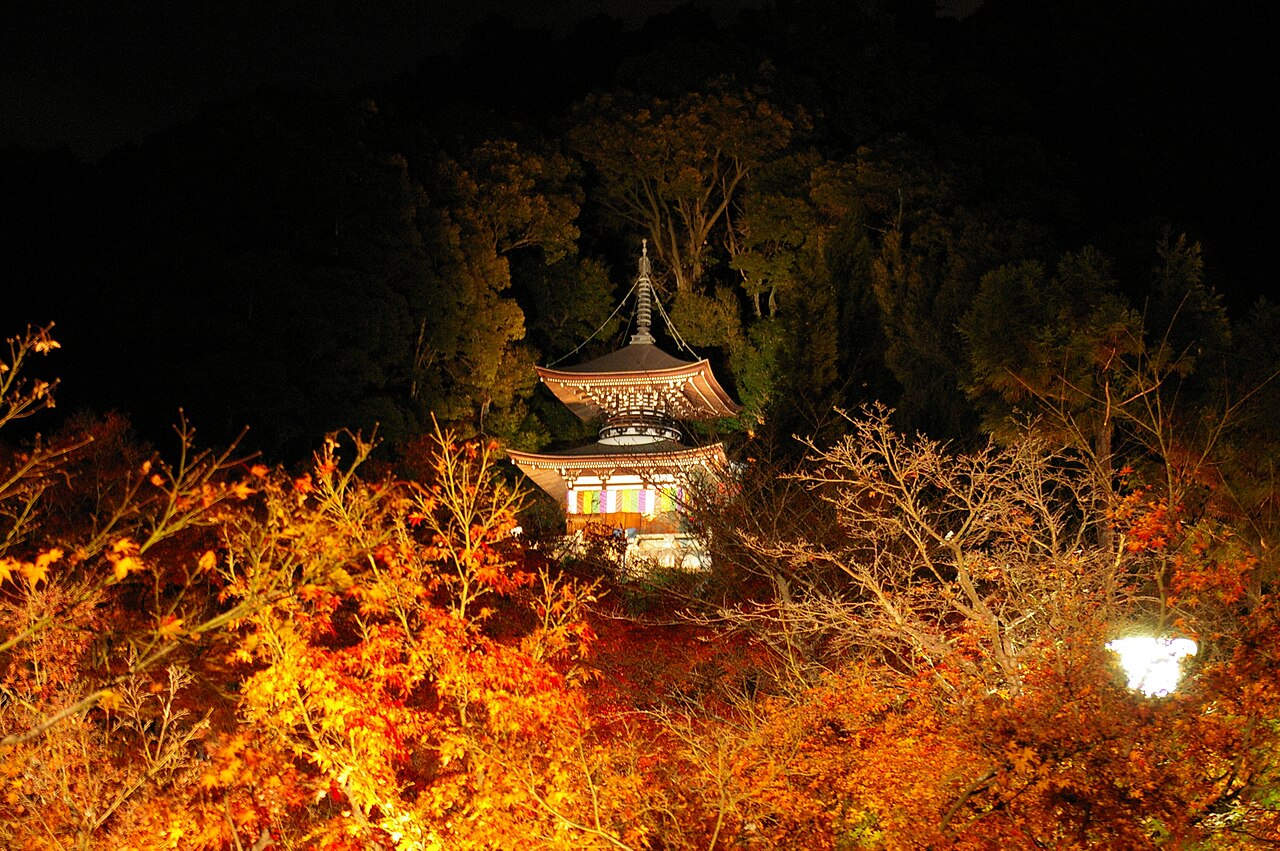
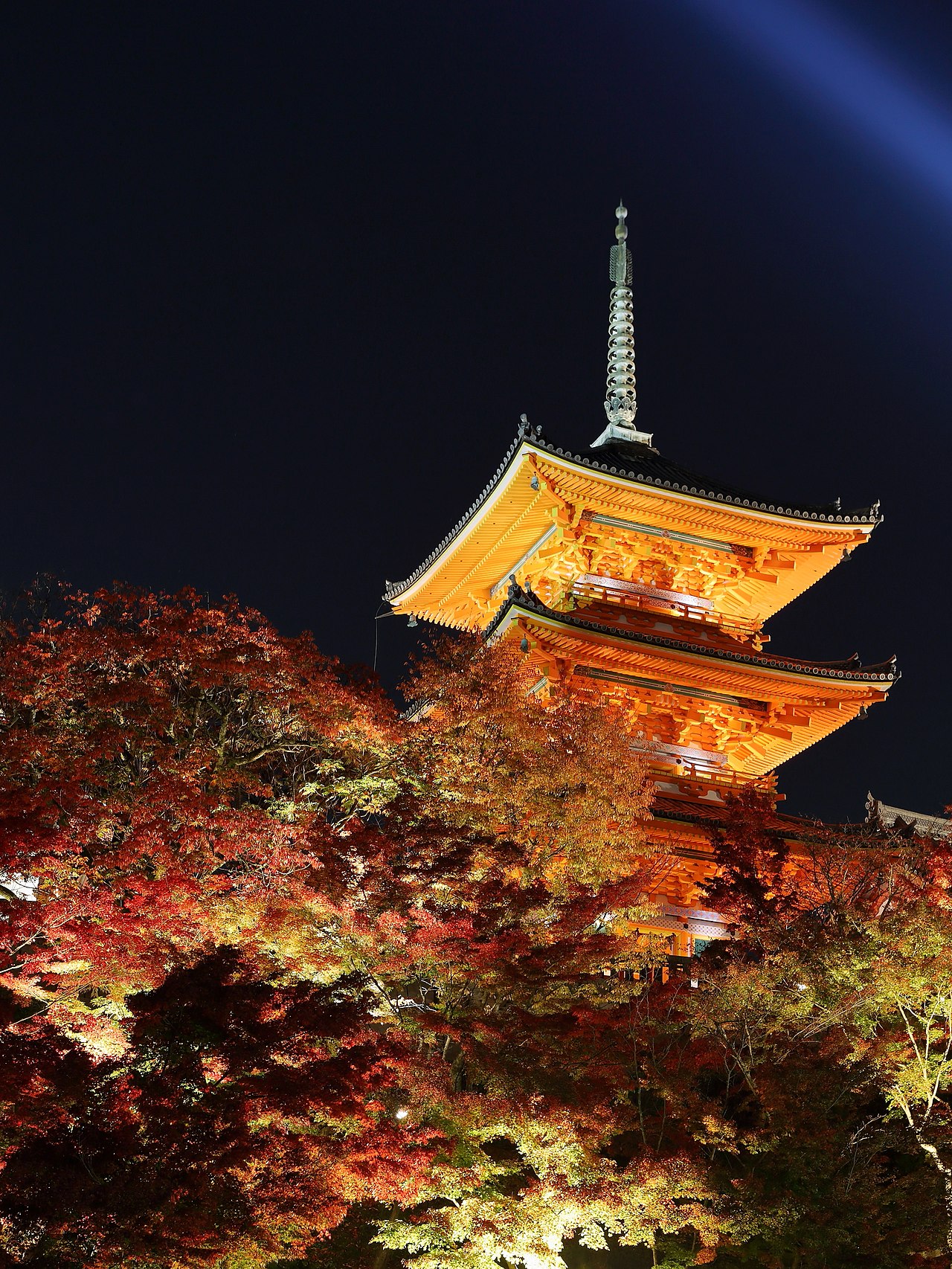
What makes the Bunka no Hi festival Japan truly special for visitors is the sheer breadth of experience it offers. Whether you are drawn to the stately pageantry of a formal awards ceremony, the vibrant colour of a traditional arts parade, the tranquillity of a free museum visit, or the communal warmth of a local school cultural festival, Japan on November 3rd delivers something profound and memorable. Autumn foliage is often reaching its peak in many parts of the country at this time, painting the backdrop of every celebration in spectacular reds and golds. This is, without question, one of the most rewarding dates to be in Japan.
When and at which to Go
Culture Day Japan November 2027 falls on Wednesday, November 3rd, 2027 — a national public holiday across all of Japan. Because it is a nationwide holiday rather than a single-venue event, celebrations unfold simultaneously in cities, towns, and villages across the entire country. That said, certain locations are particularly celebrated for their Bunka no Hi programming.
Tokyo is the epicentre of the official celebrations. The formal Order of Culture award ceremony takes place at the Imperial Palace (Kōkyo), located at 1-1 Chiyoda, Chiyoda City, Tokyo. The palace grounds are not generally open to the public during the ceremony itself, but the surrounding East Gardens (Higashi Gyoen) and the plaza in front of the palace make for a majestic setting to absorb the atmosphere. The Meiji Jingu Gaien area hosts one of the city’s most visually striking Culture Day events: the Meiji Memorial Picture Gallery Parade, a colourful procession of participants in Meiji-era costumes. This takes place along the broad, ginkgo-lined avenue of Gaien, typically beginning around 11:00 AM.
In Kyoto, Culture Day events radiate out across the city’s extraordinary concentration of cultural institutions, shrines, and traditional arts organisations. Many of Kyoto’s national museums and cultural properties offer free or discounted admission throughout the day. Check listings closer to the date via official Kyoto tourism channels for confirmed 2027 programming.
Opening hours vary by venue, but most museum free-admission periods run 9:00 AM to 5:00 PM, with last entry typically at 4:30 PM. Parades and outdoor performances usually run across the mid-morning through early afternoon period.
What to Expect
Stepping through to Japanese Culture Day celebration as a tourist is a genuinely immersive experience. Arrive early to the Meiji Jingu Gaien in Tokyo and you’ll be treated to one of autumn’s finest spectacles: the avenue’s towering ginkgo trees blazing gold overhead as costumed participants assemble for the parade. The procession itself is a visual feast — participants dressed in ornate Meiji-era military uniforms, court costumes, and traditional formal wear march in careful formation, accompanied by brass bands playing period-appropriate music. The atmosphere is simultaneously formal and festive, resembling a living history pageant. Street food vendors line nearby areas offering warm taiyaki (fish-shaped pastries filled with sweet red bean), amazake (sweet warm rice wine, non-alcoholic) while seasonal roasted chestnuts — perfect fuel for a crisp November morning.
Away at the museums, the mood shifts to one of quiet appreciation. Major institutions — including the Tokyo National Museum in Ueno, the Kyoto National Museum, and the National Museum of Modern Art — typically offer free entry on this November 3 Japan national holiday, making it an exceptional day for art lovers on a budget. Galleries fill with a cross-section of Japanese society: school groups clutching notebooks, elderly couples examining lacquerware exhibits, young creatives sketching in front of contemporary installations. The scent of old wood and incense drifts through historic buildings, and the sound of traditional music occasionally filters in through courtyard windows. Outside, temple and shrine grounds host ikebana (flower arranging) demonstrations, kodo (incense appreciation) sessions, and chadō (tea ceremony) performances — each one a portal through to a different dimension of Japan’s extraordinary cultural heritage.
Highlights & Must-See Moments
- The Meiji Jingu Gaien Parade, Tokyo: The signature visual event of Culture Day Tokyo 2027, this procession along the golden ginkgo avenue is a photographer’s dream. Position yourself along the northern end of the avenue by 10:30 AM for the best unobstructed views and the most dramatic backdrop of autumn foliage.
- Free Museum Admission Nationwide: The Tokyo National Museum in Ueno Park houses one of the world’s finest collections of Japanese art and archaeology. On Bunka no Hi, admission is free — arrive at opening time (9:00 AM) to browse galleries before crowds build. Ueno Park itself is magnificent in autumn colour.
- Imperial Palace East Gardens: The Higashi Gyoen gardens adjacent to the Imperial Palace are open to visitors and particularly beautiful in early November. Stone walls, manicured lawns, and seasonal chrysanthemum displays (the chrysanthemum is Japan’s imperial flower) create a serene setting utterly appropriate to the day’s spirit.
- Traditional Arts Demonstrations at Kyoto Shrines: Venues including Heian Jingu and Kitano Tenmangu often host special cultural performances on Bunka no Hi, ranging out of classical bugaku court dance to martial arts demonstrations. These events are frequently free and offer an authenticity that scheduled tourist performances cannot match.
- Local School and Community Cultural Festivals: Many Japanese schools hold their annual bunkasai (cultural festival) around this period. If you are staying in a local neighbourhood, keep an eye out for community events — these grassroots celebrations offer the most genuine insight through to everyday Japanese cultural pride.
Practical Tips for Visitors
What to wear: Early November in Japan can be pleasantly cool, with temperatures in Tokyo typically ranging amid 10°C and 18°C (50–64°F). Layer up with a light jacket or coat — you will be spending significant time outdoors during parades and in parks. Comfortable walking shoes are essential; expect to cover considerable ground across multiple venues. In Kyoto, temperatures may be slightly cooler, so add an extra layer if heading up through to the hills.
What to bring: A quality camera or a smartphone with a strong camera is a must — autumn foliage backdrops combined with costumed parades offer extraordinary photographic opportunities. Bring a portable battery pack, as you will be shooting all day. Cash remains important at smaller food stalls and some museum gift shops, so carry at least ¥5,000–¥10,000 in notes. A pocket Wi-Fi device or local SIM card will help you navigate amid venues efficiently.
Best time to arrive: For parades, aim to arrive at least 45–60 minutes before the scheduled start time to secure a good viewing position. For free museum entry, arrive right at opening — by mid-morning, queues at major institutions can stretch considerably. If crowd avoidance is a priority, consider visiting smaller regional cities such as Nara or Kanazawa, at which Bunka no Hi events Japan 2028 and 2027 equally tend to be less congested but equally authentic.
Photography tips: The Meiji Jingu Gaien ginkgo avenue offers spectacular light in the late morning sun. Shoot slightly against the light for a golden halo effect through the leaves. At museum exhibitions, check photography policies on entry — many permanent collections permit non-flash photography, but temporary exhibitions may not.
How to Get There
For the Meiji Jingu Gaien Parade (Tokyo): Take the Tokyo Metro Ginza Line or Hanzomon Line to Gaienmae Station. The ginkgo avenue is approximately a 3-minute walk along Exit 1, heading north. Alternatively, the JR Chuo Line to Shinanomachi Station places you at the southern end of the venue, roughly a 5-minute walk along the main boulevard.
For the Imperial Palace East Gardens (Tokyo): Take the JR Chuo or Sobu Line to Yurakucho Station, then a 10-minute walk along the palace perimeter. Alternatively, the Tokyo Metro Chiyoda Line or Marunouchi Line stops at Otemachi Station, at which the Ote-mon gate entrance to the East Gardens is a short 5-minute walk along the palace moat.
For Kyoto venues: Kyoto’s extensive city bus network and the Kintetsu and Karasuma subway lines connect the major cultural sites efficiently. The Kyoto National Museum is reachable via Bus 206 or 208, departing Kyoto Station, alighting at the Hakubutsukan Sanjusangendo-mae stop. Heian Jingu is accessible via Bus 5, 46, or 100 starting at Kyoto Station, alighting at the Okazaki-Koen stop.
For broader trip planning, explore our guides to Tokyo festivals and Kyoto events for more autumn celebrations across Japan’s most culturally rich cities.
Nearby Attractions
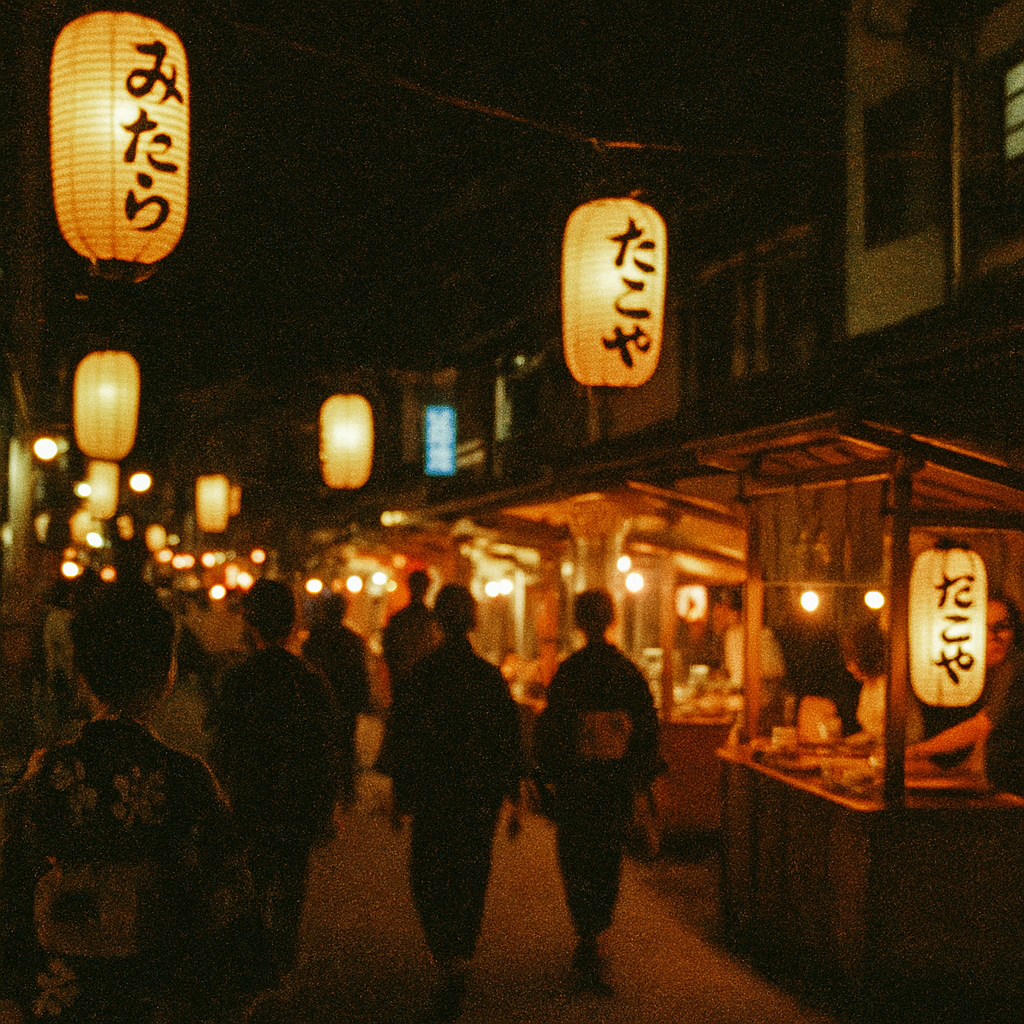
Ueno Park and Ameyoko Market, Tokyo: If you are visiting the Tokyo National Museum on Culture Day, the surrounding Ueno Park is one of the city’s great public spaces — particularly spectacular in autumn. After your museum visit, wander south toward Ameyoko, a bustling open-air market street at which food stalls, fishmongers, and discount retailers create a lively, sensory-rich contrast to the museum’s tranquillity. Sample fresh seafood, snack on taiyaki, or browse imported goods at surprisingly good prices.
Nishiki Market, Kyoto: Known as “Kyoto’s Kitchen,” this narrow, covered market arcade running through central Kyoto is an essential food experience. Stalls sell tsukemono (pickled vegetables), fresh tofu, matcha sweets, skewered grilled fish, and seasonal treats. It is a short walk off Shijo-dori, at which the atmosphere on a national holiday feels particularly vibrant and communal.
Shinjuku Gyoen National Garden, Tokyo: One of Tokyo’s finest parks, Shinjuku Gyoen is exceptional in early November at which late-blooming chrysanthemums and early autumn colour create a peaceful counterpoint to the day’s busier events. The garden blends French formal, English landscape, and Japanese traditional garden styles across its expansive grounds — a perfect late-afternoon wind-down after a full day of cultural immersion.
For more ideas on what to see and do across the country, browse our full collection of Japan festivals and Japan travel guides.
Frequently Asked Questions
Q: What is Culture Day Japan and how do tourists celebrate it?
A: Culture Day (Bunka no Hi) is a Japanese national holiday held every November 3rd, dedicated to promoting culture, freedom, and peace. Tourists can celebrate by attending free museum visits at major national museums, watching traditional parades and performances, visiting shrine and temple cultural demonstrations, and exploring autumn foliage in parks and historic districts. It requires no special tickets or advance booking for most events — simply show up and join in.
Q: When is Culture Day Japan — is it always on November 3rd?
A: Yes, Culture Day is always held on November 3rd each year, regardless of the day of the week. In 2027, November 3rd falls on a Wednesday. If the holiday were to fall on a Sunday, the following Monday would typically be observed as a substitute holiday under Japanese law, though this does not currently apply for 2027.
Q: Which museums offer free entry on Culture Day in Japan?
A: Many of Japan’s national museums offer free admission on November 3rd, including the Tokyo National Museum (Ueno), the Kyoto National Museum, the Nara National Museum, the Tokyo National Museum of Modern Art, and the National Museum of Western Art. Specific 2027 free-entry policies should be confirmed via each museum’s official website closer to the date, as programming can occasionally vary.
Q: What is the best place to experience Culture Day in Japan in 2027?
A: Both Tokyo and Kyoto offer outstanding Culture Day programming. Tokyo is the best choice for spectacle — particularly the Meiji Jingu Gaien parade and the grandeur of the Imperial Palace area. Kyoto offers perhaps the deepest cultural immersion, with its concentration of traditional arts, temples, and shrines. Nara is an excellent choice for those seeking a less crowded but equally authentic experience, at which the combination of free museum entry and the famous free-roaming deer makes for an unforgettable November day.
Q: Are shops and restaurants open on Culture Day in Japan?
A: Yes, the vast majority of shops, restaurants, convenience stores, and tourist facilities remain open on Culture Day. It is a public holiday, so government offices, post offices, and banks will be closed, but this rarely affects tourists. In fact, many shopping districts and food markets become livelier than usual on national holidays, making it an excellent day for exploring local food scenes alongside cultural sightseeing.
Japan in early November is a country at its most vivid and welcoming — the air crisp, the maple leaves blazing, the cultural calendar alive with ceremony and celebration. Culture Day Japan November 2027 offers international travellers a rare chance to experience the country’s deepest values on full, generous display: a reverence for beauty, a commitment to craft, and a genuine pride in sharing its extraordinary heritage with the world. Whether you come for the golden ginkgo avenues of Tokyo, the ancient temple performances of Kyoto, or simply the pleasure of wandering a free world-class museum on a perfect autumn afternoon, this is one national holiday that genuinely deserves a place at the heart of your Japan itinerary. Mark your calendar, book your accommodation early, and prepare to be moved.