Byobu Matsuri Kyoto 2026: Screen Festival Guide
What is Byobu Matsuri (Screen Festival)?
Hidden behind the sliding doors and latticed facades of Kyoto’s historic machiya townhouses lies a world of extraordinary beauty — and for three magical evenings each July, those doors swing open to reveal it. Byobu Matsuri Kyoto 2026 is one of the most intimate and culturally layered experiences available to visitors during the city’s famous Gion Matsuri season. “Byobu” (屏風) refers to the folding decorative screens that have adorned the homes of Japan’s merchant and aristocratic classes for centuries, and this festival is essentially a living, breathing exhibition of those treasures, set within the very homes that have safeguarded them across generations.
The tradition stretches back hundreds of years, rooted in the civic pride of Kyoto’s old merchant quarter, at which wealthy families would air and display their finest heirlooms — folded screens, lacquerware, hanging scrolls, ceramics, and other cultural artifacts — as an offering of prestige and community spirit during the Gion Matsuri celebrations. Far removed in spirit and scale to the bustling portable shrine processions of Gion Matsuri’s main events, Byobu Matsuri is quiet, contemplative, and deeply personal. You are not visiting a museum; you are stepping through to someone’s home, greeted often by the family themselves, surrounded by objects that carry centuries of stories. It remains one of the most authentic encounters with traditional Kyoto culture that any visitor can have.
For international tourists, Byobu Matsuri offers something increasingly rare in modern Japan travel: genuine access to private cultural heritage with no velvet rope in sight. It coincides with the Yoiyama evenings — the spectacular lamp-lit vigil nights before the Grand Procession of Gion Matsuri — meaning visitors can combine both experiences in a single unforgettable evening stroll through the old neighbourhoods of central Kyoto. If you are exploring Kyoto events in July, this festival deserves a prominent place in your itinerary.
When and at which to Go
Byobu Matsuri Kyoto 2026 is scheduled to run across three evenings: 14 July, 15 July, and 16 July 2026, coinciding precisely with the Yoiyama festival evenings of Gion Matsuri. These dates align with a well-established annual pattern, so planning around them is straightforward. For precise opening hours and any last-minute schedule adjustments, check the official Japan Guide resource or Kyoto City’s tourism portal closer to the event.
The festival takes place across the historic neighbourhoods of central Kyoto — primarily in the Shimogyo and Nakagyo wards, the same cobblestoned lanes and preserved townhouse streets that form the heart of Gion Matsuri territory. Look for the lanterns and open doors as you navigate the dense grid of streets spanning Shijo-dori and Oike-dori, and the avenues running amid Nishikikoji and the surrounding alleys. There is no single entrance gate or ticketed venue; the “festival ground” is the neighbourhood itself, and participating houses are scattered organically throughout the district. Signage and local volunteers typically help orient visitors, though having a basic map downloaded in advance is strongly recommended. Exact addresses of participating homes vary year to year, so checking the official website for current guidance is advised.
What to Expect
Arriving through to one of these open machiya homes feels akin to stepping through a portal. The street noise of Kyoto’s festival crowds fades as you cross the threshold onto polished wooden floors, the air carrying the faint cedar scent of aged timber and, occasionally, the delicate fragrance of incense. Displayed along the internal walls and in the tokonoma alcoves are byobu screens of breathtaking craftsmanship — golden-leafed landscapes, ink-brushed cranes, crimson maple scenes — many dating to the Edo or Meiji periods. Alongside the screens you may encounter hanging scrolls, antique ceramics, lacquered boxes, and family heirlooms that would not look out of place in any major museum. The families, often dressed in yukata or traditional attire, are typically present and visibly proud. Some will offer brief explanations; others simply smile and allow the objects to speak for themselves.
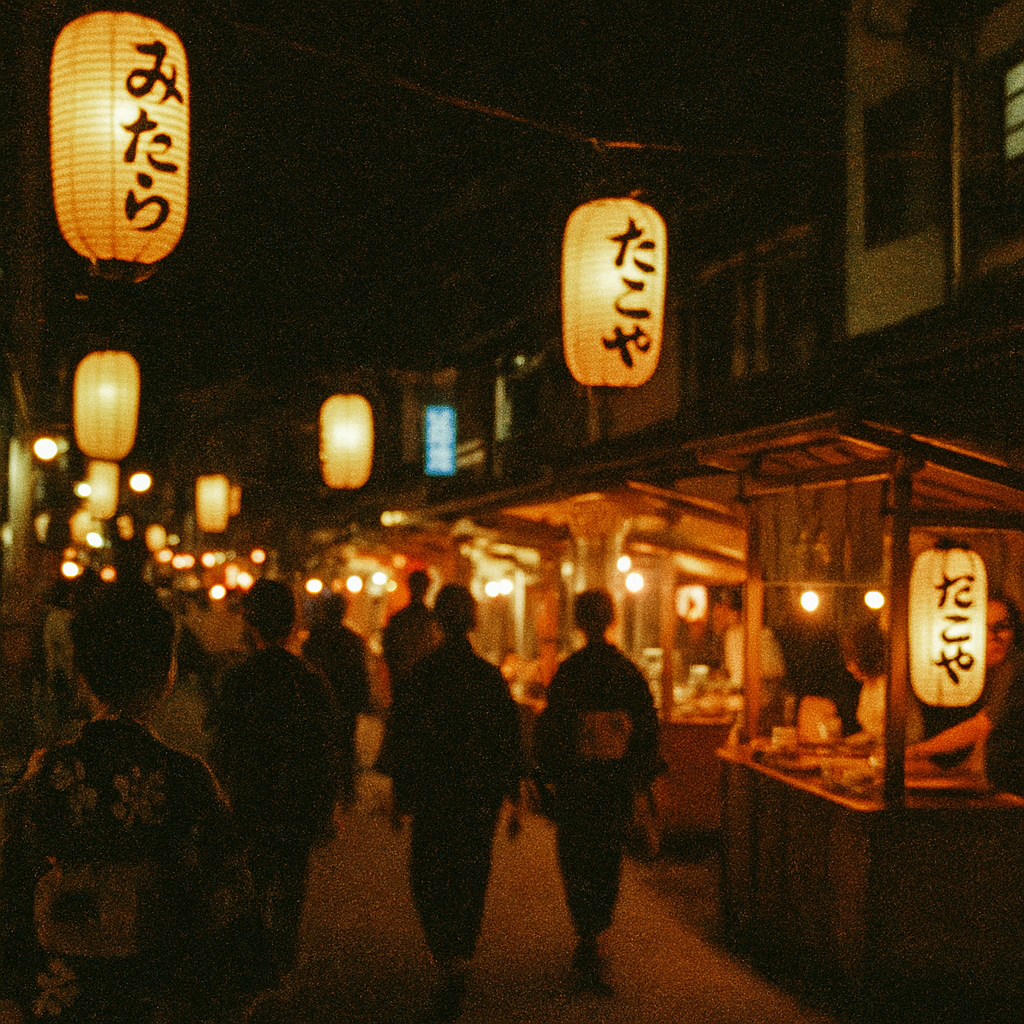
Step back through to the lane and the festival energy intensifies. The Yoiyama evenings surrounding Byobu Matsuri transform these same streets through to a lantern-lit promenade, with enormous festival floats — the towering hoko and yama of Gion Matsuri — illuminated and open for viewing, food stalls sending clouds of grilled skewer smoke and yakitori aromas through to the warm summer air, and the haunting melody of festival flutes threading through the crowd. The contrast amid the hushed reverence inside the machiya homes and the exuberant street festival outside is one of the most vivid cultural juxtapositions Kyoto offers. Carry a folding fan — the July heat is real — and pace yourself. There is plenty to absorb on each of the three evenings.
Highlights & Must-See Moments
- Centuries-old Byobu Screens: The centrepiece of every participating home, these folding screens represent the pinnacle of Japanese decorative art. Look closely at the gold leaf application and ink painting techniques — each screen tells its own visual narrative.
- Machiya Architecture Up Close: The townhouses themselves are exhibits. Notice the latticed wooden facades, the interior garden courtyards (tsuboniwa) while the ingenious spatial design of these merchant homes — an architectural vocabulary you cannot experience via a typical museum visit.
- Meeting the Families: in contrast to any formal cultural institution, Byobu Matsuri puts you face-to-face with Kyoto’s living heritage keepers. A respectful bow, a phrase of appreciation, and genuine curiosity go a long way.
- The Yoiyama Street Atmosphere: Combine your machiya visits with strolling the illuminated festival floats on the evenings of 14–16 July. The visual spectacle of the giant hoko floats glowing in the summer darkness is extraordinary.
- Neighbourhood Exploration: Each street and each home reveals something different. Allow yourself to wander rather than following a rigid route — the best discoveries often come via an unmarked doorway with a lantern glowing softly in the dusk.
Admission & Budget
Byobu Matsuri is a free admission event. There are no tickets to purchase, no entry fees, and no registration required to walk the festival streets and visit participating homes. This makes it one of the most accessible and extraordinary free cultural experiences available in Japan, and genuinely exceptional value for travellers already in Kyoto for Gion Matsuri season.
Your primary costs will be the incidentals of a Kyoto summer evening: food and drink at the Yoiyama street stalls (budget roughly ¥500–¥1,500 per person for snacks and drinks, though these are street stall estimates typical of Japanese festivals rather than event-specific prices), transportation to and around central Kyoto, and accommodation. If you are visiting Kyoto purely for these July festival evenings, book accommodation well in advance — Gion Matsuri is one of Japan’s most popular festivals and hotel availability tightens significantly. For Byobu Matsuri tickets 2026 specifically: there are none. Simply show up.
Practical Tips for Visitors
- Dress for the heat: Mid-July in Kyoto is hot and humid. Lightweight, breathable clothing is essential. A yukata (casual summer kimono) is entirely appropriate and appreciated — rental services are widely available across central Kyoto.
- Footwear matters: You will remove your shoes when entering machiya homes. Slip-on shoes or sandals make the process smooth and polite. Avoid complicated lace-up boots.
- What to bring: A folding fan or small electric fan, a bottle of water, a portable phone battery, and a downloaded offline map of central Kyoto. Cash in small denominations is useful for food stalls.
- Best arrival time: The Yoiyama evenings are at their most atmospheric after dusk — arriving around 18:00–19:00 gives you the transition through to lantern-light. The streets become extremely crowded after 20:00, so earlier arrivals have a calmer, more intimate experience inside the machiya homes.
- Etiquette: Speak quietly inside participating homes. Always ask before photographing — some families prefer you do not. A small bow of acknowledgement upon entering and leaving is always appreciated.
- Accessibility: The festival streets involve uneven cobblestones and wooden threshold steps through to homes. Wheelchair access to the interior of machiya is generally not possible, though the exterior lantern atmosphere is still richly enjoyable.
- English guidance: Byobu Matsuri English guide materials are not consistently available at every home, though Japan Guide and Kyoto tourism apps often provide English overviews of participating streets ahead of the event.
How to Get There
Kyoto is exceptionally well-connected to the rest of Japan via the Shinkansen bullet train network, making a Byobu Matsuri day trip via Kyoto Station entirely feasible even for visitors based in Osaka or Tokyo. Departing Tokyo Station, the Tokaido Shinkansen reaches Kyoto Station in approximately two hours and fifteen minutes on the Nozomi service. Departing Shin-Osaka Station, Kyoto Station is just thirteen minutes via Shinkansen, or approximately thirty minutes via the JR Kyoto Line rapid service — making Byobu Matsuri access out of Osaka extremely convenient.
Once at Kyoto Station, the festival district in the Shimogyo and Nakagyo ward areas is reachable via city bus or the Kyoto Municipal Subway. The Karasuma Line runs north along a convenient corridor. During Gion Matsuri, the streets immediately around the festival become heavily pedestrianised, so arriving via public transport and walking is strongly recommended over taxis or private vehicles. For the most current and specific route guidance — including which bus stops are nearest to participating streets in 2026 — check the official Kyoto City Tourism website or Japan Guide closer to the event dates. Detailed access information is also available via Japan travel resources and Japan festivals planning guides.
Frequently Asked Questions
Q: What are the best times to visit Byobu Matsuri Kyoto 2026, and how long does it take?
A: The festival runs across three evenings — 14, 15, and 16 July 2026 — and is most atmospheric after sunset, roughly 18:30 onwards, when the lanterns illuminate the machiya facades and Yoiyama street energy peaks. Visiting two to three of the open homes plus a stroll along the festival float streets typically takes two to three hours, though you could easily spend an entire evening if you linger and explore. The 14 July evening (Yoiyama’s first night) is often slightly less crowded than the 16 July finale.
Q: Can foreigners attend Byobu Matsuri, and is any English support available?
A: Absolutely — Byobu Matsuri is open to all visitors regardless of nationality, and there are no language requirements to participate. The experience is largely visual and spatial, meaning language barriers are minimal. Some families speak basic English or may have simple bilingual notes about their displayed items. Downloading a translation app and preparing a few basic Japanese courtesies (a bow, “arigatou gozaimasu”) will significantly enrich your interactions. Kyoto tourism offices and Japan Guide offer English-language overviews of the festival each year.
Q: What should I wear and bring to Byobu Matsuri?
A: Comfort and practicality are paramount for a mid-July Kyoto evening. Wear lightweight, breathable clothing — linen or cotton is ideal — and choose slip-on footwear since you will remove your shoes at each home. A folding fan, small water bottle, and portable phone charger are genuine essentials rather than optional extras in the summer heat. If you plan to wear a rented yukata, that is entirely appropriate and adds to the festive spirit. Avoid heavy bags or backpacks that may be cumbersome in crowded lanes and narrow machiya interiors.
If your July itinerary brings you to Kyoto — and during Gion Matsuri season, it absolutely should — then Byobu Matsuri Kyoto 2026 is a non-negotiable addition to your festival schedule. This is Kyoto at its most generous: a city that has preserved its cultural soul for centuries opening its doors — literally — and inviting the world inside. The combination of ancient family heirlooms, luminous machiya architecture, warm community spirit, and the electric backdrop of one of Japan’s greatest festivals makes these three evenings spanning 14 to 16 July 2026 genuinely unmissable. Come early, walk slowly, bow often, and allow yourself to be quietly astonished.