Kyoto Float Assembly Matsuri 2026: Tickets & Guide
What is Float Assembly Viewing?
Few spectacles in Japan’s rich festival calendar rival the sheer theatrical craftsmanship on display during the Float Assembly Viewing — a beloved highlight of Kyoto’s legendary Gion Matsuri, one of the world’s great urban festivals. Every July, the ancient streets of central Kyoto transform through to an open-air workshop, as master craftsmen painstakingly construct enormous, ornate festival floats using techniques refined over more than a thousand years. This is the Kyoto float assembly matsuri 2026 experience at its most raw and authentic: no ropes cordoning off the action, no barriers amid you and the artisans — just centuries of living tradition unfolding at arm’s reach.
What makes this tradition genuinely extraordinary — and a magnet for curious international visitors — is the construction method itself. The floats, known as yamaboko, are assembled entirely without a single nail. Instead, craftsmen bind the towering wooden structures together using an intricate rope-lashing technique called nawanai, a system so structurally sound it has survived earthquakes, monsoon rains, and the test of millennia. The resulting floats can stand several storeys tall and weigh several tonnes, yet are held together purely by the skill of human hands and the tension of braided rope. Understanding this — watching it happen in real time — elevates what might otherwise seem a simple construction site through to something approaching a sacred performance.
Gion Matsuri itself traces its origins to 869 CE, when the festival was established to appease the gods during a devastating plague. Today it endures as a UNESCO Intangible Cultural Heritage event, drawing hundreds of thousands of visitors each year. For international tourists exploring Kyoto events, Float Assembly Viewing offers something that the famous procession itself cannot: intimacy. You are not watching history march past — you are standing inside it.
When and at which to Go
Float Assembly Viewing for the Kyoto float assembly matsuri 2026 takes place across two distinct periods running 10 July to 14 July 2026. These dates correspond to the assembly phase ahead of Gion Matsuri’s celebrated processions. The viewing spans multiple periods within the overall festival calendar, so visitors arriving on different days will catch different stages of construction — an evolving spectacle rather than a static exhibit.
The floats are assembled on the streets and intersections of the Shijo-Kawaramachi neighbourhood in central Kyoto, with much of the activity concentrated around the blocks spanning Shijo Street and Kawaramachi Street. This is the historic heart of the festival district, and the urban staging means you can wander among several floats across a single afternoon without needing transport. Opening hours and any specific site allocations for 2026 are subject to confirmation; check the official Gion Matsuri organisers’ website closer to the event for the latest schedule and any updates.
What to Expect
Stepping through to the float assembly zone is an immersive sensory encounter in contrast to anything else on the Japan festivals circuit. The air carries the clean, resinous scent of fresh-cut cypress and pine, mingling with the faint sweetness of hemp rope and incense drifting out of nearby shrine stalls. All around you, bare-handed craftsmen haul timber beams through to position, calling out instructions in the staccato rhythm of a well-drilled team. The sound of rope pulling taut — a dry, percussive snap — punctuates the background hum of the city. Each float occupies its own city block, so the spectacle fans outward in every direction: look left and you’ll find a team binding the axle housing; look right and you’ll discover artisans hoisting the ornamental lacquered panels that decorate the upper tiers.
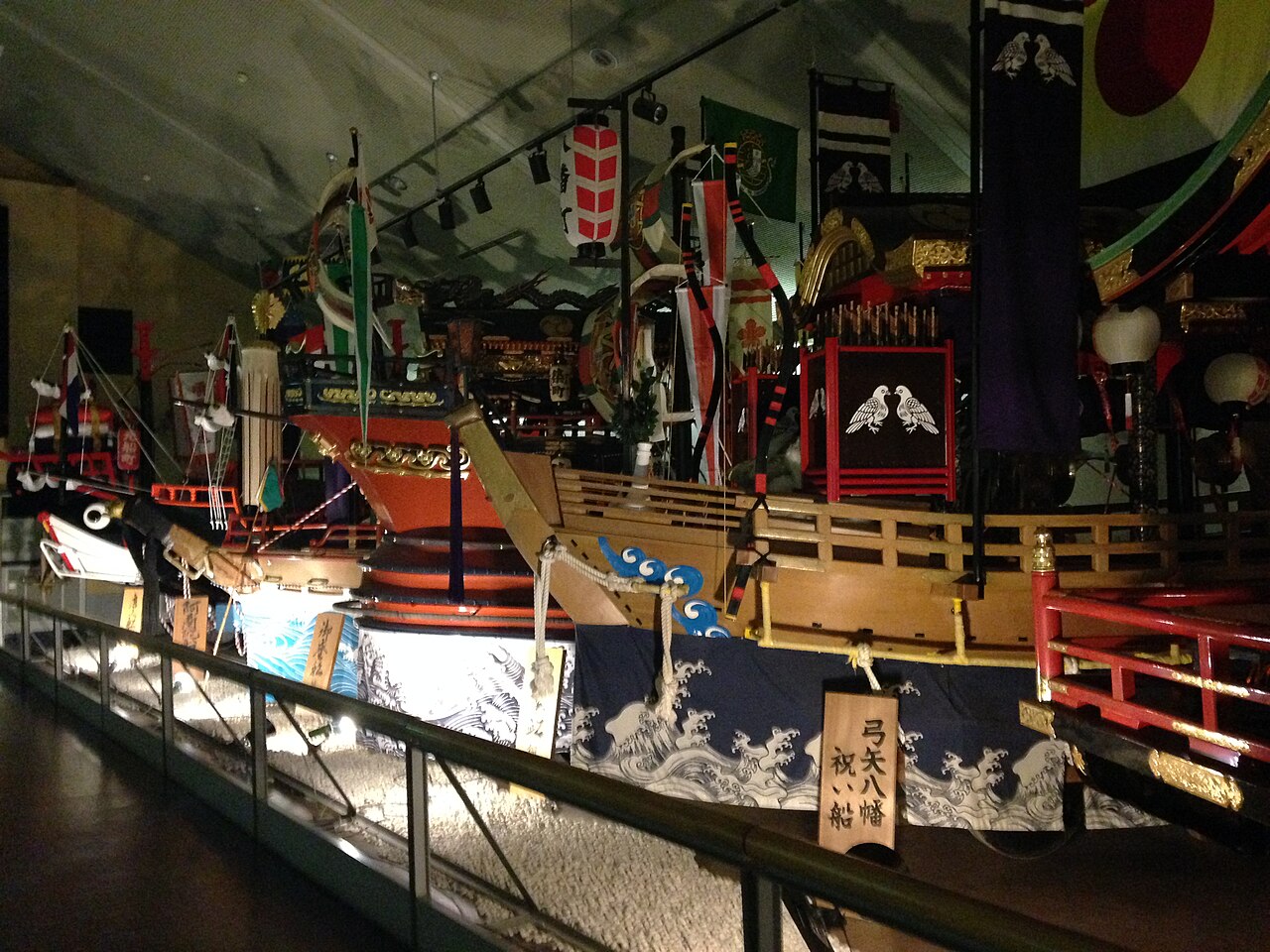
The floats themselves are extraordinary objects even in their unfinished state. The largest, called hoko, can exceed 25 metres in height when fully assembled and are topped with intricate metalwork and hanging tapestries — many of them antique textiles sourced centuries ago via trade routes stretching as far as Flanders and Persia. Smaller floats, called yama, are more compact but no less beautifully detailed. As construction progresses across the five-day window, you witness a transformation: skeletal wooden frameworks gradually acquire bodies, then decorations, then the dazzling gilded finishes that will gleam under the summer sun during the grand procession. Many float preservation societies welcome curious onlookers and some even allow visitors to climb inside completed floats during designated viewing hours — an extraordinary privilege.
Highlights & Must-See Moments
- The rope-lashing technique (nawanai): Watch master craftsmen demonstrate the nail-free binding method up close. This is the defining skill of Kyoto float assembly matsuri tradition and is listed among Japan’s Intangible Cultural Heritage techniques — genuinely unmissable.
- The raising of the central pillar (shingi): On the earlier days of assembly, the central mast of each hoko float is hoisted through to position — a collective effort involving dozens of workers and a moment of real drama as tonnes of timber rise skyward.
- Antique tapestry display: As the floats near completion, the priceless decorative hangings — some dating to the 16th and 17th centuries — are draped through to position. Art historians and textile enthusiasts rank this among the finest public displays of antique fabric in Asia.
- Float interior viewings: Several preservation societies open the interiors of completed floats to the public during specific hours. Check notice boards posted at each float’s base for the current day’s schedule.
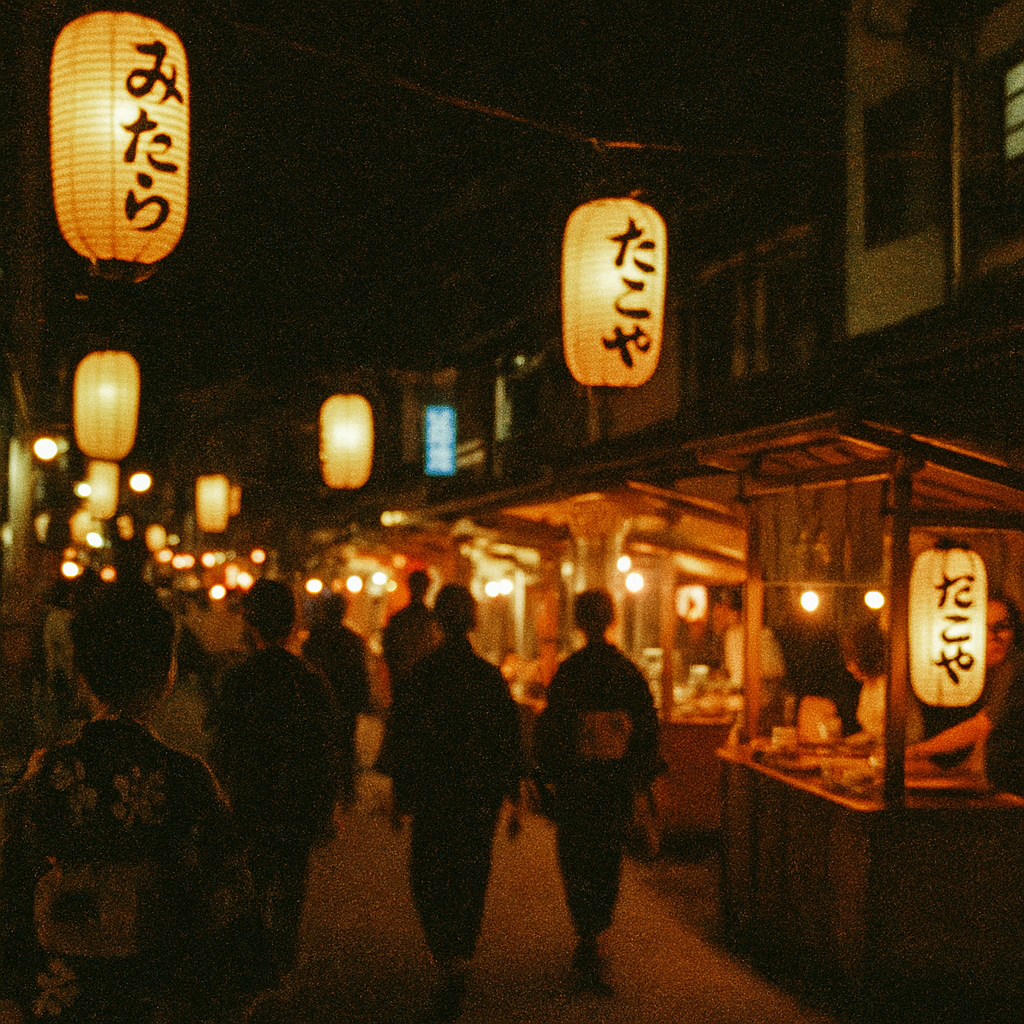
- Evening atmosphere: On the nights spanning the assembly period, the surrounding streets become a full festival scene, with lantern-lit yatai food stalls, traditional music, and the glow of paper lanterns illuminating the half-built floats — one of the most atmospheric settings in all of Kyoto.
Admission & Budget
Watching the float assembly on the public streets is free admission — the streets remain open to pedestrians throughout the construction period, making this one of Japan’s most accessible major cultural events. There is no ticketed entry required simply to walk among the floats and observe the craftsmen at work.
However, some individual float preservation societies charge a small fee for access to float interiors during designated viewing windows. These fees, typically modest, go directly toward the enormous annual cost of float maintenance and restoration. Check the official website for current details on any such charges for 2026. Budget additionally for food and drinks at the surrounding stalls, transport, and any souvenir purchases — the neighbourhood is lined with festival goods, fans, and traditional crafts.
Practical Tips for Visitors
- Dress for the heat: July in Kyoto is intensely hot and humid. Lightweight, breathable cotton clothing is essential. Carry a folding fan (sensu), a small towel, and a reusable water bottle — hydration stops are critical.
- Arrive early or in the evening: Midday crowds can be dense, particularly on weekends. Arriving before 9am gives you a quieter, more intimate experience alongside the craftsmen. Evenings are festive and atmospheric, though busier.
- Wear comfortable footwear: You will be walking on cobblestones and uneven street surfaces for extended periods. Trainers or supportive sandals are far preferable to flip-flops or dress shoes.
- Respect the craftsmen’s workspace: Do not touch the floats or their components unless expressly invited. Keep a respectful distance when craftsmen are active on structural work. Photography is generally welcome but always read posted signage at each float.
- Accessibility considerations: The streets are largely flat and paved, making the area navigable for wheelchair users, though crowds can complicate movement at peak times. Early morning visits are strongly recommended for accessibility needs.
- Cash is useful: Many stalls and smaller float interior viewings operate on a cash-only basis. Carry adequate yen in small denominations.
How to Get There
Kyoto is superbly connected to Japan’s major cities and is an easy destination for a day trip or multi-night stay. Visitors travelling out of Tokyo can reach Kyoto via the Tokaido Shinkansen (bullet train) in approximately two hours and fifteen minutes, alighting at Kyoto Station. Visitors departing Osaka can reach Kyoto via the JR Special Rapid Service on the JR Biwako Line in around fifteen minutes, making Kyoto a straightforward day-trip destination — ideal for anyone basing themselves in Osaka during the festival period.
The float assembly district is concentrated in central Kyoto’s Shijo-Kawaramachi area, reachable via the Hankyu Kyoto Line (alighting at Kawaramachi Station) or the Kyoto Municipal Subway Karasuma Line (alighting at Shijo Station). Both options place you within a short walk of the main assembly streets. For exact exit recommendations and any temporary route adjustments during the 2026 festival period, consult the official Gion Matsuri website or Kyoto City’s tourist information service. For broader trip planning support, explore our guide to Japan travel essentials.
Frequently Asked Questions
Q: What are the best days to visit the Kyoto float assembly matsuri 2026, and what time should I arrive?
A: The float assembly runs 10–14 July 2026, with earlier days offering the most dramatic structural work — the timber frameworks rising nail-free through to the sky. Later days showcase the decorative finishing, including the hanging of antique tapestries. For the best experience with manageable crowds, aim to arrive before 9am on a weekday, or visit in the evening after 6pm, at which point the surrounding festival stalls are in full swing and the atmosphere is electric. Exact opening hours for any ticketed float-interior viewings should be confirmed via the official Gion Matsuri website closer to the event.
Q: Can foreigners attend Float Assembly Viewing in Kyoto, and is there an English guide available?
A: Absolutely — Float Assembly Viewing is fully open to international visitors, and no Japanese language ability is required to enjoy the spectacle. The street-based nature of the event means there are no language barriers to entry. Some float preservation societies post bilingual (Japanese and English) information boards near their floats. The official Japan Guide website and Kyoto City Tourism provide English-language resources covering the festival. For first-time visitors asking how to visit float assembly matsuri as a tourist in 2026, the short answer is: walk in, look around, and let the craftsmanship speak for itself.
Q: What should I wear to the Float Assembly Viewing at Kyoto matsuri in July?
A: July in Kyoto is one of the most humid and hot months in the Japanese calendar, with temperatures regularly exceeding 35°C and high humidity making it feel even warmer. Wear light, moisture-wicking clothing in natural fibres. A wide-brimmed hat or compact umbrella provides essential sun protection. Bring a small portable fan, a cooling towel, and sunscreen. Comfortable walking shoes with good support are a must, as you’ll be navigating busy streets for several hours. Avoid heavy backpacks if possible — a small crossbody bag or day pack keeps you nimble in the crowds.
Float Assembly Viewing is the kind of experience that redefines what a festival can be. This is not a performance staged for tourists — it is a living craft tradition that has endured for over a millennium, unfolding on the streets of Kyoto every July with the same nail-free precision that has always defined it. Whether you are a dedicated culture-seeker, a photography enthusiast, or simply a curious traveller hoping to understand Japan a little more deeply, the Kyoto float assembly matsuri 2026 delivers something rare: genuine, unmediated access to one of the world’s great intangible heritages. Mark your calendar for 10–14 July 2026, and discover why this event belongs on every Japan itinerary.