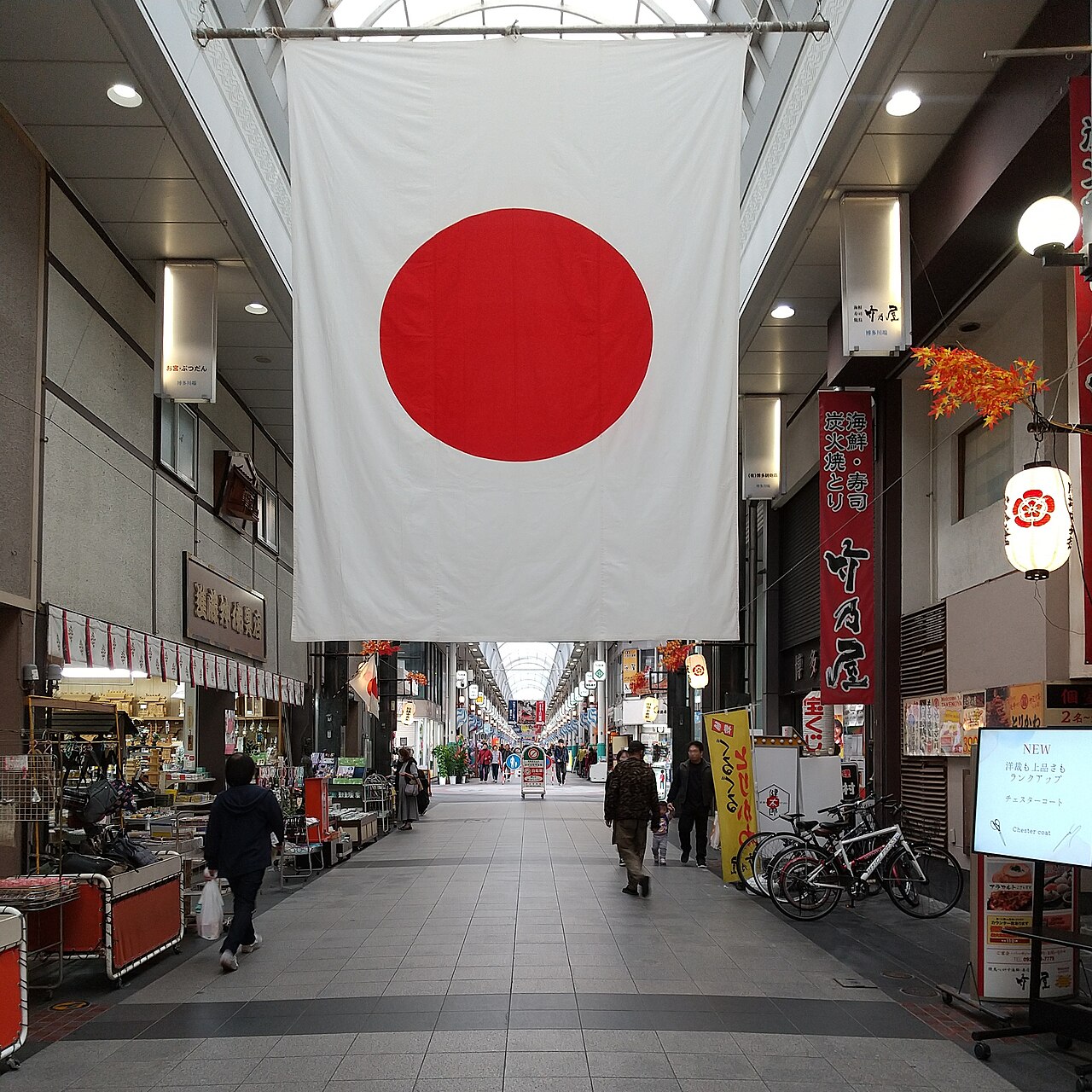
Constitution Day (Kenpou Kinenbi) Japan 2026: Events, Celebrations & Tourist Guide
What is Constitution Day Japan?
Constitution Day Japan 2026 — known in Japanese as Kenpou Kinenbi (憲法記念日) — is one of Japan’s most historically significant national holidays, commemorating the day Japan’s postwar constitution officially came through to force on May 3, 1947. Enacted under the Allied occupation following the end of World War II, the new constitution fundamentally reshaped Japanese society, enshrining democratic principles, the sovereignty of the people, respect for fundamental human rights, and — most famously — the renunciation of war as a sovereign right of the state. This last provision, enshrined in Article 9, continues to generate passionate public debate to this day, making Constitution Day not just a moment of national reflection but a living, breathing political occasion in contrast to many other public holidays around the world.
For international tourists, Constitution Day Japan 2026 offers a rare window through to the country’s civic soul. in contrast to purely celebratory festivals, Kenpou Kinenbi carries a thoughtful, introspective energy. Public discussions, open-air symposiums, political demonstrations, and educational exhibitions take place across the country, giving curious visitors an authentic look at how Japanese citizens engage with their democracy. Major landmarks including the National Diet Building in Tokyo open their doors to the public on this day, providing access that is simply not available at any other time of year. It is, in short, an unmissable occasion for any traveller who wants to understand Japan beyond temples and cherry blossoms.
Constitution Day falls right in the heart of Japan’s legendary Golden Week — a cluster of four national holidays packed through to the span of late April through early May. As part of this May holidays Japan Golden Week extravaganza, Kenpou Kinenbi on May 3 sits alongside Showa Day (April 29), Greenery Day (May 4) while Children’s Day (May 5). The result is one of Japan’s busiest travel periods, with domestic tourists flooding popular destinations and international visitors taking full advantage of the extended holiday. Plan ahead, book accommodation early, and you will be rewarded with an Japan at its most festive and open. Discover more about what’s happening across the country via our guide to Japan festivals.
When and at which to Go
Date: Saturday, May 3, 2026 (Constitution Day Japan 2026 falls on a Saturday, making it an ideal day for a full itinerary of events)
Primary Venue — National Diet Building (Kokkai Gijido-do):
1-7-1 Nagatacho, Chiyoda City, Tokyo 100-0014
The National Diet Building typically opens for free public tours on Constitution Day, running roughly 09:00–17:00 (confirm exact hours closer to the date via official government channels). This is the single most historically relevant venue in all of Japan for Kenpou Day.
The National Archives of Japan:
3-2 Kitanomaru Koen, Chiyoda City, Tokyo 102-0091
Special exhibitions showcasing original constitutional documents are often displayed here during Constitution Day celebrations. The archives are free to enter and located in the beautiful Kitanomaru Park area adjacent to the Imperial Palace grounds.
Hibiya Park, Tokyo: Public forums, citizen gatherings, and outdoor symposiums frequently take place here, drawing both constitutional scholars and everyday citizens voicing opinions on everything spanning Article 9 to civil rights.
Outside Tokyo, Constitution Day events Tokyo 2026 will be the most concentrated, but Osaka, Kyoto, Nara, and Hiroshima also hold commemorative events, lectures, and museum openings. Hiroshima, in particular, carries added emotional resonance given its wartime history and its deep connection to the peace-focused spirit of the postwar constitution.
What to Expect
Arriving at the National Diet Building on the morning of Constitution Day Japan 2026, you’ll encounter something genuinely rare: the grand, imposing structure of Japan’s parliament thrown open to ordinary visitors. The building itself is a commanding piece of 1930s architecture — its granite facade and central tower projecting an air of permanence and authority. Inside, free guided tours lead visitors through ornate chambers, the central hall adorned with busts of parliamentary founding figures, and public galleries overlooking the plenary chambers. Nearby at Kitanomaru Park, the crisp May air carries the scent of late-blooming cherry foliage and fresh grass, and the pathways fill with families, students in school uniforms on educational outings, and elderly couples walking at a leisurely pace. Food stalls occasionally appear around Hibiya Park, offering yakitori skewers, taiyaki (fish-shaped sweet waffles) while warm canned coffee — a quintessentially Japanese outdoor gathering experience.
Beyond the formal venues, the streets around Nagatacho and Kasumigaseki throb with a particular kind of civic energy on Kenpou Kinenbi. Political organisations of all persuasions — conservative groups who wish to revise the constitution and progressive groups who wish to protect it — hold rallies and distribute leaflets. Sound trucks occasionally parade through the streets broadcasting speeches and slogans. This might initially feel unfamiliar to visitors accustomed to quieter national holidays, but it is in fact a vivid demonstration of Japan’s functioning democracy in action. Constitution Day celebrations Tokyo are peaceful, and the atmosphere, though energetic, remains orderly. Photography is generally welcomed in public spaces, and the visual contrast of traditional architecture against modern political banners creates genuinely striking imagery.
Highlights & Must-See Moments
- Free Tour of the National Diet Building: This is arguably the single best free activity in Tokyo on May 3. Spaces are available without advance booking on a first-come-first-served basis. Arrive before 09:30 to avoid long queues and secure your place inside one of Japan’s most important civic buildings.
- Constitution Day Exhibitions at the National Archives: Original drafts and historical documents related to the creation of the postwar constitution are displayed with English-language information panels. Photography is permitted in designated areas — the aged parchment and official stamps make for extraordinary close-up shots.
- Citizen Forums at Hibiya Park: Whether or not you speak Japanese, attending an outdoor public forum is a fascinating cultural experience. The passion of the speakers, the ordered format of proceedings, and the engaged audience offer a snapshot of Japanese civic life you simply won’t encounter in any guidebook.
- Golden Week Street Atmosphere: The entire Marunouchi and Ginza areas are transformed during Golden Week. Department stores roll out special promotions, street performers entertain crowds along Omotesando, and restaurants offer special Golden Week menus. The festive energy is contagious and makes for superb urban photography.
- Hiroshima Peace Memorial Museum (Day Trip Option): For travellers passionate about the spirit behind the constitution’s peace clause, a Shinkansen day trip to Hiroshima — departing Tokyo Station — pairs extraordinarily well with a Constitution Day itinerary. The museum offers profound context for Article 9’s renunciation of war.
Practical Tips for Visitors
What to wear: Early May in Tokyo averages around 18–22°C (64–72°F), with occasional light rain. Layers are ideal — a light jacket in the morning that you can tie around your waist by midday. Smart-casual clothing is appropriate for Diet Building tours; overly casual beachwear or sportswear may feel out of place in formal civic settings.
What to bring: A valid passport or ID (required for Diet Building entry), a portable battery for your phone (you’ll be taking a lot of photos), a compact umbrella, cash for street food stalls (not all vendors accept cards) while a small notepad if you enjoy recording observations.
Best time to arrive: The Diet Building opens at 09:00. Aim to join the queue by 08:45. Later in the morning, queues can stretch considerably, particularly during the Golden Week rush. If you miss the morning slot, late afternoon after 15:00 is typically quieter.
Crowd management: Golden Week is Japan’s busiest domestic travel season. Trains on the Chiyoda, Marunouchi, and Hanzomon subway lines will be packed, particularly spanning 10:00–13:00. Avoid rush peaks by travelling early or late. Book restaurants in advance — popular spots in Ginza and Marunouchi are frequently fully booked weeks ahead during Golden Week.
Photography tips: The Diet Building’s central hall, the stone-paved plaza in front of the main entrance, and the cherry-tree-lined paths of Kitanomaru Park are all superb shooting locations. Golden hour light — around 18:00 in early May — bathes the Diet Building’s tower in warm amber tones that are particularly photogenic.
How to Get There
To the National Diet Building, Tokyo:
The closest station is Kokkai-Gijidomae Station, served by the Tokyo Metro Marunouchi Line and the Tokyo Metro Chiyoda Line. The building is a 3-minute walk along the main station exit. Alternatively, Nagatacho Station (Namboku and Hanzomon Lines) is approximately a 5-minute walk along the main boulevard leading toward the Diet complex.
To the National Archives of Japan / Kitanomaru Park:
Exit Kudanshita Station (Hanzomon, Shinjuku, and Tozai Lines) and walk approximately 7 minutes along the wide path leading through to Kitanomaru Park. Alternatively, Takebashi Station on the Tokyo Metro Tozai Line offers a direct 3-minute walk along the park’s eastern entrance.
To Hibiya Park:
Exit Hibiya Station, served by the Chiyoda, Hibiya, and Mita Lines. The park entrance is a 1-minute walk along the station’s Hibiya Park exit. The station is also accessible via Yurakucho Station on the JR Keihin-Tohoku and Yamanote Lines, with the park a 4-minute walk along the main boulevard.
All three venues are centrally located and can comfortably be visited in a single day on foot and via Tokyo’s excellent subway network.
Nearby Attractions
Imperial Palace East Gardens (Kokyo Higashi Gyoen): A short stroll along the Imperial Palace moat path puts you at the entrance to this magnificent public garden, open on Constitution Day. The grounds of the former Edo Castle offer towering stone ramparts, manicured lawns, and seasonal flowers in full mid-spring bloom. Entry is free, and the gardens provide a peaceful counterpoint to the civic energy of Kenpou Day events. This is one of the finest photography spots in central Tokyo — particularly the Sannomaru Shozokan (Museum of the Imperial Collections) at the garden’s interior.
Yasukuni Shrine and Chidorigafuchi: Located a short walk along Kitanomaru Park’s northern edge, Yasukuni Shrine is historically and politically intertwined with Japan’s postwar constitutional story. Regardless of one’s views on the shrine’s complex history, it is an architecturally striking and culturally significant site that rewards a respectful visit. Adjacent Chidorigafuchi is one of Tokyo’s most celebrated spots for late cherry blossoms, and by early May the fresh green foliage reflecting off the moat waters creates an ethereal, calming scene.
Ginza Shopping and Dining District: A leisurely 15-minute walk along Marunouchi’s elegant boulevards deposits you in Ginza, Tokyo’s most glamorous shopping precinct. During Golden Week, Ginza’s flagship stores — Mitsukoshi, Matsuya, Itoya — hold special events and exhibitions. For dining, the area around Ginza 6 and Ginza Itchome offers everything spanning high-end Japanese kaiseki cuisine to approachable ramen and sushi bars. Recommended for lunch: Sushisho Masa or any of the standing sushi bars along Ginza’s back streets for an authentic, affordable experience.
For those heading beyond Tokyo during Golden Week, explore our guides to Kyoto events and Osaka festivals for Constitution Day celebrations Kyoto Osaka 2026, as both cities host special museum openings and civic events throughout the Golden Week period.
Frequently Asked Questions
Q: What is Kenpou Kinenbi — Constitution Day Japan — and why is it significant?
A: Kenpou Kinenbi, or Constitution Day, marks the anniversary of Japan’s postwar constitution coming through to effect on May 3, 1947. This constitution replaced the Meiji-era imperial constitution and introduced democratic governance, fundamental human rights, and — uniquely — a clause renouncing war (Article 9). It remains one of the most debated constitutional documents in the world, making this national holiday an occasion of genuine civic importance, not merely a day off work.
Q: When is Constitution Day Japan 2026 and is it a public holiday?
A: Constitution Day Japan 2026 falls on Saturday, May 3, 2026. It is an official national public holiday in Japan. Because it falls on a Saturday in 2026, there is no automatic substitute holiday, but it remains fully observed with government buildings, museums, and special events open to the public. It is part of the Golden Week cluster of holidays spanning late April through early May.
Q: Are there Constitution Day parades in Japan in 2026?
A: Constitution Day in Japan is not typically celebrated with large official parades in the manner of some Western national holidays. However, political groups — both those supporting constitutional revision and those defending the current constitution — often march through central Tokyo with organised processions, particularly around Nagatacho and Hibiya. These are peaceful, legal demonstrations that form a fascinating part of the day’s atmosphere. Check local listings closer to May 2026 for confirmed parade routes and times.
Q: Are there Constitution Day fireworks or special evening events?
A: Constitution Day itself does not traditionally feature dedicated fireworks displays in the way that other summer festivals in Japan do. However, because it falls within Golden Week — one of the most festive periods of the Japanese calendar — various entertainment districts, shopping centres, and parks around Tokyo, Osaka, and Kyoto often host evening events and illuminations. Sumida River fireworks and other Golden Week evening spectacles sometimes overlap with the Constitution Day weekend. Check local city tourism boards for specific Constitution Day fireworks announcements for 2026.
Q: What free activities are available to tourists on Constitution Day in Japan?
A: Constitution Day offers several genuinely excellent free activities for international tourists. The National Diet Building in Tokyo typically opens for free guided public tours. The National Archives of Japan displays special exhibitions at no charge. The Imperial Palace East Gardens are open and free throughout Golden Week. Kitanomaru Park, Hibiya Park, and the Imperial Palace Plaza are all freely accessible public spaces buzzing with Golden Week activity. Many municipal museums across Japan also offer free or discounted entry on national holidays — worth checking individual museum websites in advance.
Constitution Day Japan 2026 is far more than a day off amid the Golden Week rush — it is a profound, distinctly Japanese experience that invites visitors to engage with the nation’s history, politics, and civic identity in ways that no temple visit or food tour can replicate. Standing inside the National Diet Building, leafing through the original constitutional documents at the National Archives, or simply absorbing the passionate energy of citizens debating their nation’s founding principles in Hibiya Park — these are the moments that transform a holiday through to a genuine understanding of a country. Add it to your Japan itinerary, plan your logistics early, and let Constitution Day surprise you. Explore more inspiration for your trip via our curated guide to Japan travel and start planning an unforgettable Golden Week adventure.