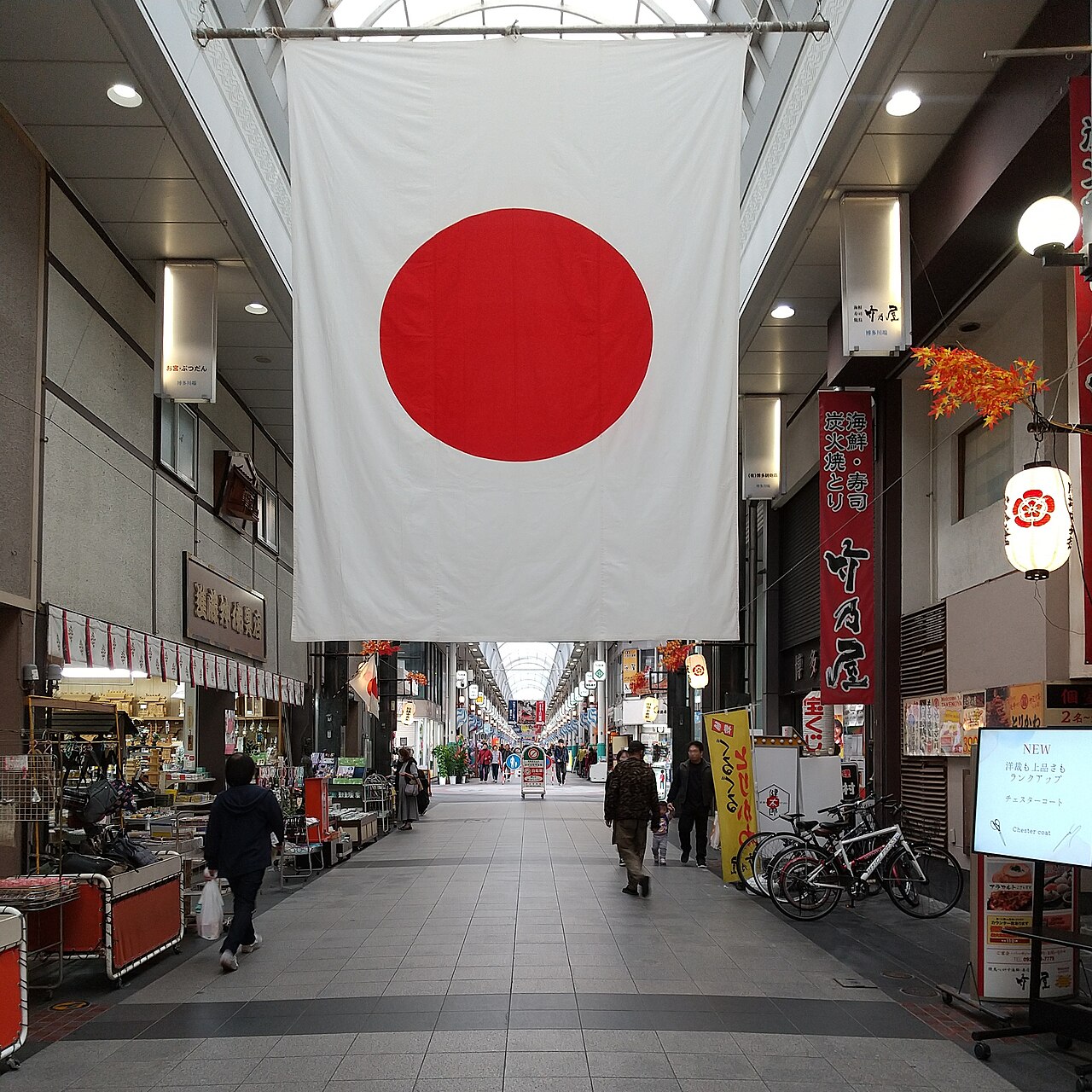
Showa Day Japan 2026: Complete Guide to 昭和の日 & Golden Week Travel
What is Showa Day in Japan?
Showa Day Japan 2026 — known in Japanese as 昭和の日 (Showa no Hi) — is one of Japan’s most historically resonant national holidays, observed annually on April 29th. The day commemorates the birthday of Emperor Hirohito, posthumously referred to as Emperor Showa, who reigned spanning 1926 through 1989 — the longest imperial reign in Japanese history. Far beyond a simple birthday observance, Showa Day invites the Japanese public and international visitors equally to reflect on a turbulent, transformative era that reshaped the nation’s identity, encompassing wartime hardship, post-war reconstruction, and one of the most remarkable economic recoveries the modern world has ever witnessed.
The holiday carries deep cultural weight. Emperor Showa’s 63-year reign — the Showa period, meaning “Enlightened Peace” or “Radiant Japan” — witnessed extraordinary upheaval and ultimately extraordinary renewal. For Japanese citizens, Showa Day is a moment of collective remembrance and contemplation: a chance to consider how far the nation has come. Museums, imperial gardens, and cultural institutions across the country open their doors (many with special programmes) while the mood is quietly celebratory yet thoughtfully reflective. If you’re planning Japan travel in late April, you’ll find this national holiday adds a unique historical dimension to your Golden Week experience.
For international tourists, Showa Day Japan 2026 also marks something intensely practical: it is the first day of Golden Week, Japan’s famous cluster of public holidays spanning late April through early May. Golden Week Japan 2026 is arguably the busiest and most festive travel period in the Japanese calendar, and Showa Day sets the tone with special events, cultural programmes, and the unmistakable buzz of a nation heading through to holiday mode. Whether you’re a history enthusiast, a culture lover, or simply someone who happens to be in Japan during this extraordinary season, Showa Day is an experience well worth understanding — and planning around.
When and at which to Go
Date: Showa Day falls on Tuesday, April 29, 2026. It is a fixed-date national holiday and does not move to accommodate weekends (though a substitute holiday may be declared if it falls on a Sunday). As the opening day of Golden Week Japan 2026, April 29 sees celebrations and special programmes nationwide.
Primary Venues & Cities: in contrast to a single-venue festival, Showa Day events and activities 2026 are spread across Japan. Key destinations include:
- Tokyo: The Imperial Palace East Gardens (1-1 Chiyoda, Chiyoda-ku, Tokyo) open to the public and are among the most atmospheric spots to mark the day. The Showa Memorial Park (3-1 Midori-cho, Tachikawa, Tokyo) hosts family-friendly outdoor events.
- Kyoto: The Imperial Palace Park (Kyoto Gyoen, Kamigyo-ku, Kyoto) offers public access and a peaceful atmosphere tied to Japan’s imperial heritage.
- Nationwide Museums: The Showa-era-focused Showa Kan Museum (1-6 Kudankita, Chiyoda-ku, Tokyo) runs special exhibitions during the holiday period.
Opening Hours: The Imperial Palace East Gardens are generally open 9:00 AM – 4:30 PM (last entry 4:00 PM), though hours may extend slightly during Golden Week. The Showa Memorial Park opens 9:30 AM – 5:00 PM. Always verify current hours via official venues before your visit, as Golden Week schedules can vary year to year.
What to Expect
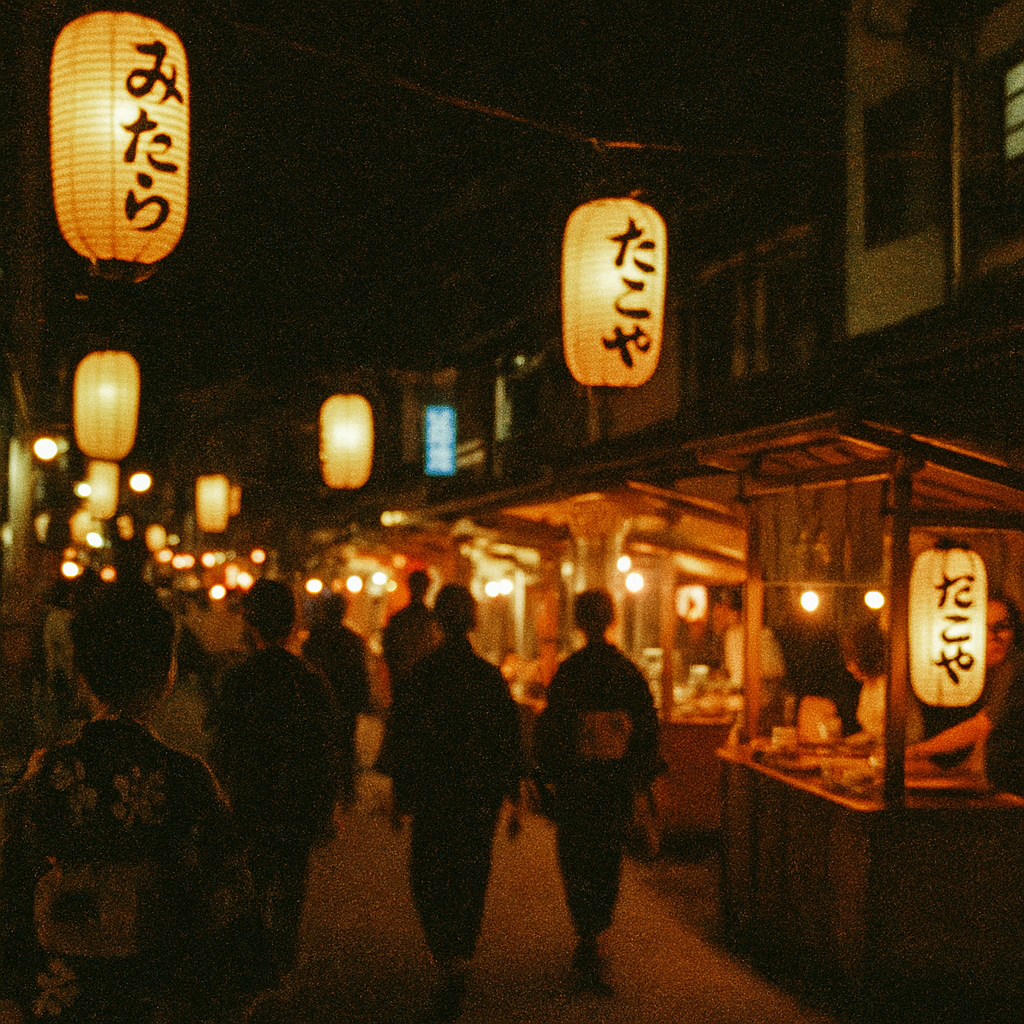
Stepping through to Tokyo on Showa Day is to immerse yourself in a city simultaneously reflective and jubilant. The Imperial Palace grounds glow with late-blooming cherry blossoms and vivid green spring foliage, and the air carries the clean, grassy scent of freshly tended imperial gardens. Families spread out picnic mats on lawns, elderly couples stroll along stone pathways lined with pine and plum trees, and school groups make their way through outdoor history exhibitions. At Showa Memorial Park in Tachikawa, colourful tulip fields stretch across meticulously maintained grounds — a sensory spectacle that draws photographers and casual visitors in equal measure. Food stalls offer seasonal Japanese street snacks: grilled yakitori skewers, warm taiyaki (fish-shaped cakes filled with red bean paste) while paper cups of sweet amazake (a mild, fermented rice drink) — a perfect way to fuel a morning of exploration.
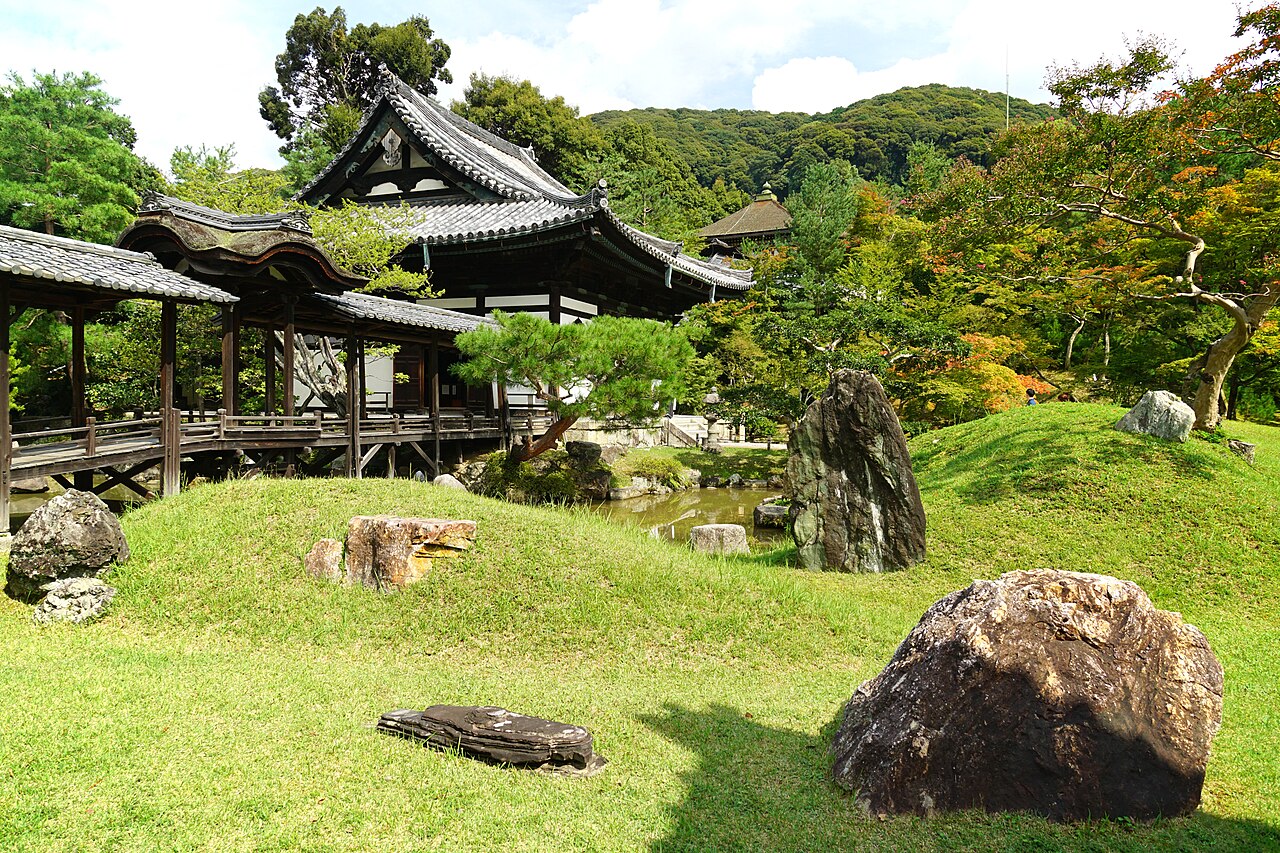
Beyond the visual splendour, Showa Day has a distinctly communal, unhurried character that separates it somewhat at the more frenetic energy later in Golden Week. You’ll discover calligraphy demonstrations, historical documentary screenings, and guided tours at museums honouring the Showa era. In Kyoto, temple districts resemble a living period film set — narrow stone lanes lined with machiya townhouses, the scent of incense drifting out of wooden shrine gates, and the distant sound of temple bells marking the hours. Japan’s convenience stores and bakeries (think 7-Eleven, Lawson, and FamilyMart — all open 24 hours) stock special seasonal onigiri and sakura-flavoured sweets during Golden Week, making it easy to grab delicious, affordable bites on the go. The atmosphere overall is warm, inclusive, and accessible — making it ideal for first-time visitors to Japan.
Highlights & Must-See Moments
- Imperial Palace East Gardens, Tokyo: Walking through the grounds of the palace on Showa Day connects you directly to Japan’s imperial legacy. The Ninomaru Garden, with its ancient stone walls and seasonal blooms, is a must-photograph location — aim to arrive at opening time (9:00 AM) for the softest light and thinnest crowds.
- Showa Kan Museum, Kudanshita: This seven-storey museum near Yasukuni Shrine offers a deeply moving immersive look at civilian life during the Showa period. Special exhibitions during the Golden Week Japan 2026 period often include rare artefacts and documentary footage not displayed at other times of the year.
- Showa Memorial Park Tulip Festival: Located in Tachikawa (a 40-minute train ride departing Shinjuku Station via the JR Chuo Line), the park’s famous tulip fields peak in late April. Over 500 varieties of tulips carpet the landscape in extraordinary colour — one of the finest photography opportunities in the Tokyo metropolitan area during spring.
- Yasukuni Shrine Spring Festival: The Mitama Festival atmosphere around Yasukuni Shrine during late April is contemplative and historically significant. The shrine’s Yushukan war museum provides essential context for understanding the Showa era’s complexity — essential for historically minded visitors.
- Sumo Exhibition Tournaments & Cultural Performances: During Golden Week, several venues across Tokyo and Osaka host traditional performing arts demonstrations — out of taiko drumming to kendo exhibitions — making Showa Day an excellent entry point through to Japan’s living cultural traditions.
Practical Tips for Visitors
What to Wear: Late April in Japan typically brings mild temperatures ranging amid 15°C and 22°C (59°F–72°F), with occasional spring showers. Dress in comfortable, breathable layers — a light jacket or cardigan is advisable for morning visits to gardens and parks. Wear comfortable walking shoes; Japan’s cultural sites involve significant walking on a mix of gravel paths, stone steps, and paved walkways.
What to Bring: A portable umbrella (folding variety, sold in any konbini for around ¥500–¥800) is a practical essential. Bring cash — many traditional shops and smaller food stalls at Showa Day events in Tokyo operate on a cash-only basis. An IC transport card (Suica or Pasmo) loaded with sufficient yen will make navigating trains and buses during Golden Week seamless.
Best Time to Arrive: Arrive at major attractions at opening time — ideally by 9:00–9:30 AM. Midday crowds at popular Golden Week sites can be intense. The Imperial Palace East Gardens and Showa Memorial Park are significantly quieter in the first two hours after opening. Alternatively, late afternoon (post-3:30 PM) often sees crowd levels drop, and the light is beautiful for photography.
How to Handle Golden Week Crowds: Knowing how to travel Golden Week Japan crowds is essential. Book all accommodation and long-distance Shinkansen tickets well in advance — ideally one to three months ahead. If you’re travelling amid cities, consider taking early-morning Shinkansen departures (before 8:00 AM) to avoid peak congestion. Use Google Maps or the Japan transit app (Jorudan) to monitor real-time station congestion levels. Weekday mornings during Golden Week are marginally less crowded than weekends.
Photography Tips: For the Showa Memorial Park tulip fields, shoot in the golden hour morning light for the most vibrant colours. At the Imperial Palace East Gardens, the Ninomaru Garden’s stone walls and traditional archways make for stunning architectural framing. Bring a wide-angle lens if possible — Tokyo’s spring skyline beyond the palace moat is spectacular.
How to Get There
Imperial Palace East Gardens (Tokyo): Take the Tokyo Metro Tozai Line or Marunouchi Line to Otemachi Station. Use Exit C10 and walk approximately 5 minutes along the marked pedestrian path toward Otemon Gate. Alternatively, the JR Chuo-Sobu Line stops at Tokyo Station, a 10-minute walk along the outer moat path to the East Gardens entrance.
Showa Memorial Park (Tachikawa): Board the JR Chuo Special Rapid service departing Shinjuku Station toward Tachikawa. Journey time is approximately 35–40 minutes. Departing Tachikawa Station (South Exit), walk approximately 10 minutes along Midori-cho Avenue to the park’s Akebono Gate entrance. The park is also accessible via the Tama Monorail to Showa Kinen Koen Station, a 3-minute walk along the park’s north entrance.
Showa Kan Museum (Kudanshita): Take the Tokyo Metro Tozai Line, Hanzomon Line, or Toei Shinjuku Line to Kudanshita Station. Use Exit 1 and walk approximately 3 minutes along Yasukuni-dori Avenue. The museum is signposted in English.
Nearby Attractions
Chidorigafuchi Moat (Chiyoda-ku, Tokyo): A 10-minute walk along the palace outer gardens, Chidorigafuchi is one of Tokyo’s most celebrated cherry blossom and spring greenery spots. By late April, the blossoms may have faded but the weeping willows and water reflections remain beautiful. Rent a rowing boat (available on weekends and holidays for approximately ¥800 per 30 minutes) for a memorable experience on the moat.
Yasukuni Shrine & Yushukan Museum (Chiyoda-ku, Tokyo): Located a short walk along Kudanshita Station, Yasukuni Shrine is a historically significant and architecturally impressive Shintō site. The adjacent Yushukan military museum — Japan’s oldest — provides comprehensive historical context for the Showa era. Entry to the shrine is free; Yushukan admission is approximately ¥1,000 for adults.
Jinbocho Book Town (Chiyoda-ku, Tokyo): A 15-minute walk departing Kudanshita, Jinbocho is Tokyo’s famous second-hand bookshop district — a paradise for literary travellers. Many shops carry vintage Showa-era magazines, postcards, and prints that make unique souvenirs. The neighbourhood’s old-fashioned coffee shops (kissaten) serve excellent hand-drip coffee in a setting reminiscent of 1960s Tokyo. Check out Tokyo festivals and events happening nearby during your visit.
Frequently Asked Questions
Q: What is Showa Day in Japan 2026, and why is it celebrated?
A: Showa Day (昭和の日, Showa no Hi) is a Japanese national holiday observed on April 29 each year. It commemorates the birthday of Emperor Hirohito (Emperor Showa), who reigned spanning 1926 through 1989. The day encourages Japanese citizens — and visitors — to reflect on the Showa era, a period of dramatic national transformation encompassing war, recovery, and economic renaissance. In 2026, Showa Day falls on Wednesday, April 29.
Q: When is Showa Day Japan 2026, and how does it fit through to Golden Week?
A: Showa Day Japan 2026 falls on Wednesday, April 29, 2026. It is the opening holiday of Japan’s Golden Week — a cluster of national holidays spanning late April through early May that includes Constitution Day (May 3), Greenery Day (May 4) while Children’s Day (May 5). Golden Week Japan 2026 is Japan’s busiest travel season, and Showa Day kicks off the festive period with its own distinctive historical and cultural character.
Q: Are shops, restaurants, and attractions open on Showa Day in Japan?
A: Yes — the majority of shops, department stores, restaurants, and major tourist attractions remain open on Showa Day. In fact, many businesses extend their hours during Golden Week to accommodate increased visitor demand. However, some smaller local businesses and government offices may be closed. Museums typically operate on Showa Day with special programmes, though it’s always advisable to check individual venue websites in advance. Convenience stores (7-Eleven, Lawson, FamilyMart) operate 24 hours as normal.
Q: How can I avoid crowds during Showa Day and Golden Week Japan 2026?
A: Knowing how to travel Golden Week Japan crowds efficiently is half the battle. Book Shinkansen tickets and accommodation at least one to two months ahead — seats sell out rapidly. Arrive at popular attractions at opening time (before 9:30 AM) or in the late afternoon (after 3:30 PM). Consider exploring less-visited destinations: smaller cities and rural areas are significantly quieter during Golden Week than Tokyo, Kyoto, or Osaka. Travelling on weekday mornings within Golden Week is also advisable — avoid Saturdays and Sundays entirely if possible at peak spots.
Q: What are the best places to visit on Showa Day in Japan?
A: The best places to visit on Showa Day Japan include the Imperial Palace East Gardens (Tokyo) for imperial history and spring scenery; Showa Memorial Park in Tachikawa for its spectacular tulip gardens; Showa Kan Museum in Kudanshita for a deep dive through to Showa-era civilian life; and Kyoto’s Imperial Palace Park for a serene, heritage-rich atmosphere. For travellers visiting Japan festivals during this period, regional spring festivals and cultural events at temples and shrines nationwide also peak beautifully around this date.
Showa Day Japan 2026 offers something genuinely rare in the modern travel calendar: a public holiday that balances festive energy with authentic cultural reflection. Whether you’re strolling through imperial gardens alive with spring colour, exploring a museum that illuminates one of history’s most consequential eras, or simply savouring a paper cup of amazake beside a canal in Tokyo, April 29 rewards the curious traveller at every turn. As the gateway to Golden Week Japan 2026 — one of the most vibrant, immersive travel experiences in all of Asia — Showa Day sets an ideal tone for a Japan adventure you won’t soon forget. Start planning your Golden Week Japan itinerary 2026 now, and explore all that Japan’s extraordinary spring season has to offer via our Japan events guide. Book early, arrive curious, and let Japan’s living history do the rest.