Gion Matsuri Festival Kyoto 2026: Complete Guide to Japan’s Most Famous Festival
What is the Gion Festival?
Widely regarded as the most spectacular and culturally significant festival in all of Japan, the Gion Festival Kyoto 2026 — known in Japanese as Gion Matsuri (祇園祭) — is a month-long celebration that transforms the ancient imperial capital through to a living, breathing museum of traditional Japanese culture. Rooted in over 1,100 years of unbroken history, the festival traces its origins to 869 CE, a year ravaged by plague and natural disasters. Residents of Kyoto appealed to the gods for relief by erecting 66 ceremonial halberds — one for each province of Japan — and parading them through the streets in an act of purification. That single act of faith evolved through to what the United Nations Educational, Scientific and Cultural Organization (UNESCO) now recognises as an Intangible Cultural Heritage of Humanity, drawing visitors seeking to understand what is Gion Matsuri Japan culture at its most authentic and awe-inspiring.
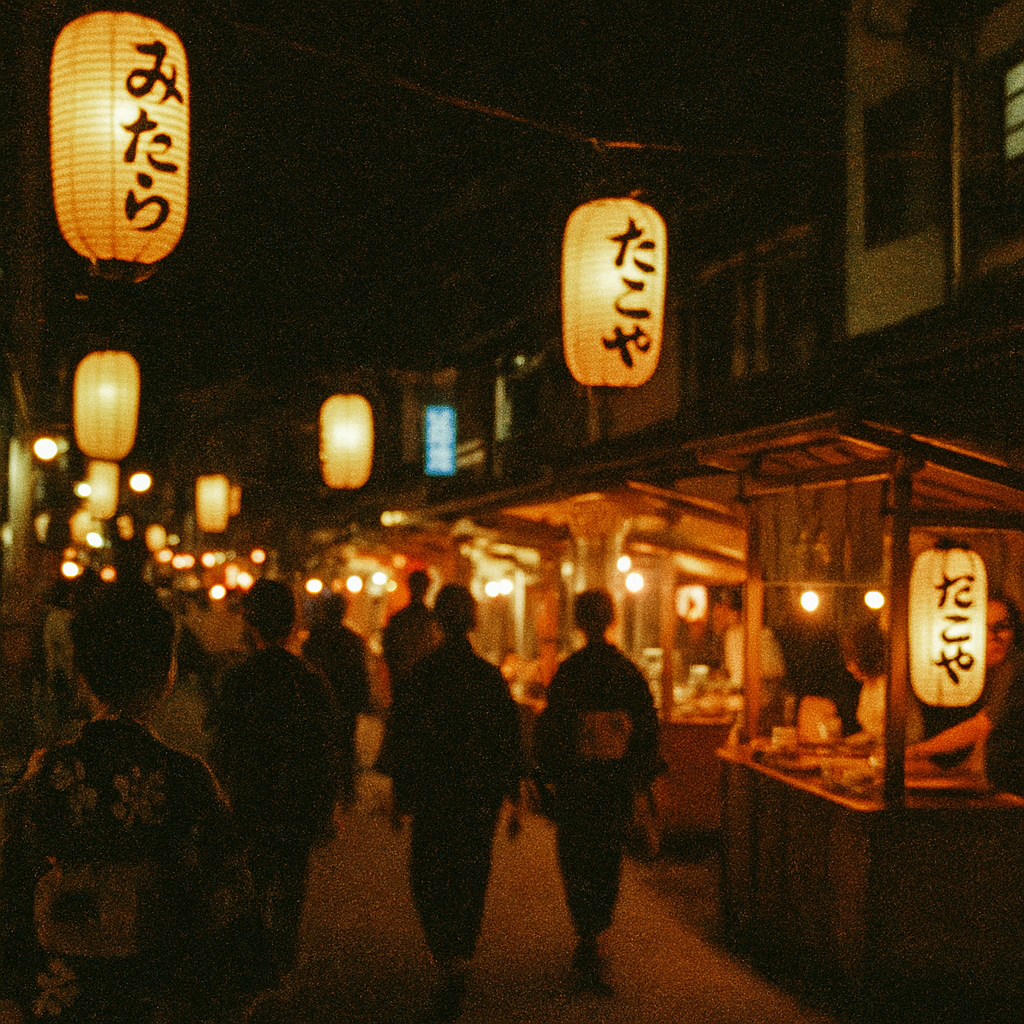
The festival is centred on Yasaka Shrine in the heart of the Gion district, yet it spills magnificently out across the entire city. For international tourists, the Gion Festival Kyoto 2026 represents one of those rare bucket-list experiences that genuinely lives up to the hype. Explore Kyoto events year-round and you will find that nothing rivals this month-long spectacle in scale or emotional impact. The evenings leading up to the grand processions — a period called Yoiyama — see the ancient Shijo and Karasuma streets flood with hundreds of thousands of visitors dressed in summer yukata robes, browsing food stalls and admiring the towering, lantern-lit floats up close. The atmosphere is electric, captivating, and utterly in contrast to anything else on the global festival calendar.
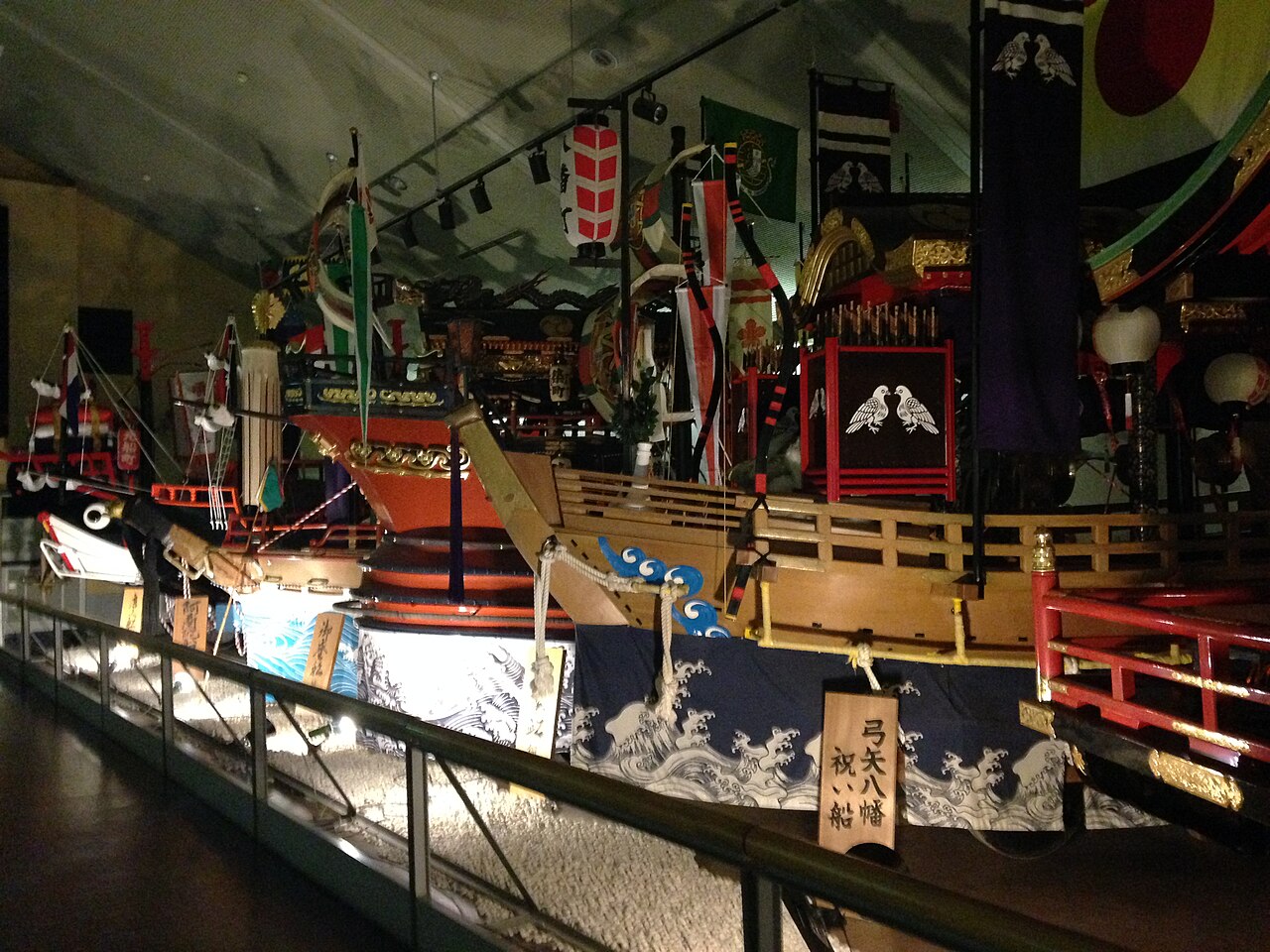
At the heart of the celebration are the legendary Yamaboko floats — colossal wooden structures festooned with intricate tapestries, lacquerwork, and gilded ornaments, some standing more than 25 metres tall and weighing up to 12 tonnes. These rolling architectural masterpieces are assembled entirely without nails, using a traditional rope-binding technique passed down through generations of craftsmen. Understanding the traditional Yamaboko floats Gion Matsuri heritage adds an extraordinary layer of appreciation for the artistry on display. Many floats are decorated with antique textiles collected over centuries — some even feature 16th-century Flemish and Persian tapestries acquired via ancient trade routes, earning the floats the nickname “moving art museums.” For anyone passionate about Japan festivals, attending this event is not merely a tourist activity — it is a pilgrimage.
When and at which to Go
The Gion Festival 2026 schedule events Kyoto spans the entire month of July 2026, running officially Tuesday, 1 July through Friday, 31 July 2026. However, the festival is structured around two major ceremonial climaxes, each preceded by magical Yoiyama evening celebrations.
Key dates for 2026 (based on the traditional annual schedule):
- 1–14 July: Opening rituals, shrine preparations, and smaller ceremonies at Yasaka Shrine
- 10–13 July: Float construction begins — the neighbourhood streets around Shijo-Karasuma become open-air workshops, and the public can watch craftsmen assemble the towering Yamaboko floats
- 14–16 July (Sakiyama Yoiyama): The three evenings preceding the first parade; streets around Shijo and Karasuma are closed to traffic, float stalls open, and the lantern illuminations begin after sunset — the best time to visit Gion Festival Kyoto for atmosphere without the procession-day crowds
- 17 July (Saki Matsuri — First Procession): The main Yamaboko Junko parade begins at 09:00 at Shijo-Karasuma intersection; the procession moves east along Shijo-dori, north along Kawaramachi-dori, then west along Oike-dori, concluding around 13:00
- 21–23 July (Atoyama Yoiyama): A second set of three lantern evenings, often less crowded and equally beautiful
- 24 July (Ato Matsuri — Second Procession): The rear procession, featuring floats including the breathtaking Ofune Hoko, begins at 09:30 along the same Oike-dori route
- 28 July: Kangensai music festival on the sacred mikoshi portable shrines on the Kamo River
- 31 July: Nagoshi-sai purification ritual closes the festival at Yasaka Shrine
Primary venue: Yasaka Shrine, 625 Gion-machi Kitagawa, Higashiyama-ku, Kyoto. The float processions take place along Shijo-dori, Kawaramachi-dori, and Oike-dori in central Kyoto. Parade entry is free along most of the route; however, ticketed grandstand seating is available along Oike-dori for approximately ¥2,000–¥4,500 per seat and typically sells out months in advance.
What to Expect
Arriving in Kyoto in mid-July for Gion Festival Kyoto 2026 means stepping through to a city that has been preparing for this moment for an entire year. The air itself changes during the Yoiyama evenings — thick with the scent of grilled corn (tomorokoshi), sweet taiyaki fish-shaped cakes, and the smoky perfume of incense drifting out of the shrine precincts. The Shijo-Karasuma area becomes a pedestrian paradise after 18:00, the narrow machiya townhouse streets glowing gold under hundreds of paper lanterns strung amid buildings and hanging off the half-assembled floats. You’ll hear the haunting, hypnotic melody of the Gion-bayashi — traditional festival music played on flutes, drums, and gongs — echoing off centuries-old wooden walls. Locals lean out of their machiya windows in full yukata, vendors call out their wares, and the sense of communal joy is absolutely palpable. Approximately one million visitors attend across the festival month, with the Yoiyama evenings drawing upward of 200,000 people per night, so prepare for shoulder-to-shoulder streets that are nonetheless joyfully navigable.
On procession day itself — 17 July — the mood shifts toward ceremonial reverence. The Gion Festival floats parade is a genuinely breathtaking spectacle. The Naginata Hoko float, crowned with a golden halberd, traditionally leads the procession, guided by a young boy known as the Chigo who acts as a divine messenger. As each massive float approaches, you’ll feel the rumble through the pavement before you see it — tens of men in white robes hauling ropes attached to immense wooden wheels, navigating tight corners using bamboo poles and damp bamboo leaves laid under the wheels. The pivot turn, called the Tsujimawashi, is one of the most dramatic moments in the entire festival: the crowd erupts as a 12-tonne float swings its bulk around a 90-degree bend using nothing but human strength and ancient technique. Bring sun protection and water — July in Kyoto is intensely hot and humid, with temperatures regularly exceeding 35°C.
Highlights & Must-See Moments
- The Tsujimawashi Float Pivot Turn: Watch in awe as the enormous Yamaboko floats are manually pivoted at the Shijo-Karasuma and Karasuma-Oike intersections. Position yourself at one of these corners early — at least 90 minutes before the procession arrives — for the most dramatic viewing and best photography angles. This is the defining Gion Matsuri 祇園祭 what to expect moment that no photograph fully captures.
- Yoiyama Lantern Evenings (14–16 July & 21–23 July): The illuminated floats glowing against the night sky are among the most photographically stunning sights in all of Japan. Arrive after 18:30 and stroll through the Shijo-Karasuma grid; each float neighbourhood has its own distinct personality and souvenirs.
- Yasaka Shrine Mikoshi Procession: On the evenings of 17 and 24 July, three sacred portable mikoshi shrines are carried through the streets to Otabisho (their temporary resting place near Shijo-Kawaramachi). The energy of the bearers chanting “Washoi! Washoi!” under swaying lantern-lit shrines is unforgettable.
- Float Museum Displays (10–16 July): Several machiya townhouses in the Yamaboko neighbourhood open their private collections to the public, displaying the priceless antique tapestries and artefacts normally kept in storage. Some charge a small entry fee of ¥500–¥1,000 but offer extraordinary access to 400-year-old artworks.
- Gion-bayashi Musical Performances: Throughout the Yoiyama evenings, musicians perform the traditional festival soundtrack on float stages. Find a spot near the Fune Hoko or Tsuki Hoko floats for particularly well-regarded performances — the music is hypnotic and deeply ancient in character.
Practical Tips for Visitors
Planning your visit with the Gion Festival tourist guide first time visitors mindset means thinking carefully about comfort, timing, and crowd management. July in Kyoto is brutally hot and extremely humid — a heat index regularly pushing 38–40°C during procession day. Wear light, breathable clothing; a traditional yukata (cotton summer kimono) is both culturally appropriate and surprisingly cool, and rental shops throughout Gion offer full sets including obi belts and wooden sandals for approximately ¥3,000–¥5,000 for the day. Bring a folding fan, a small towel, and a refillable water bottle. Sun hats are essential for procession day viewing.
For how to get best viewing spots Gion Festival, the golden rule is: arrive early and stake your position. For the 17 July procession, the best free viewing positions along Oike-dori and at the Shijo-Karasuma corner fill up by 07:00 — two hours before the procession begins. The Gion Festival procession route map Kyoto runs east along Shijo-dori, north along Kawaramachi-dori, and west along Oike-dori, terminating around Shinmachi. The Oike-dori section offers the widest street and the most comfortable viewing; grandstand tickets booked via Kyoto city’s official tourism portal provide reserved shaded seating. For the Yoiyama evenings, avoid arriving before 17:00 — the magic genuinely begins after sunset around 19:00–20:00 and the crowds, while enormous, thin out slightly after 21:00.
Regarding Gion Festival hotels accommodation near parade, book absolutely as far in advance as possible — ideally six to twelve months ahead. Hotels along Kawaramachi-dori, in the Gion district itself, or near Karasuma-Oike subway station offer the most convenient access. Budget travellers should explore guesthouses in Fushimi or Yamashina, both reachable via direct subway. Prices during festival peak week (13–17 July) can triple standard rates, so early booking is non-negotiable.
Regarding Gion Festival food stalls yatai 2026: the street food culture during Yoiyama is world-class. Must-try items include dashi rolled omelette, skewered octopus takoyaki, shaved ice kakigori in seasonal flavours reminiscent of Kyoto’s refined culinary sensibility, and cold Kyoto craft beer. Cash is essential for most stalls; carry ¥5,000–¥10,000 in small denominations. ATMs at convenience stores throughout the festival zone accept international cards.
How to Get There
The Gion Festival Kyoto 2026 parade route is supremely accessible via Kyoto’s excellent public transit network. All major Japan travel itineraries pass through Kyoto Station, served by the Shinkansen bullet train departing major hubs including Osaka (15 minutes), Nagoya (35 minutes) while Tokyo (approximately 2 hours 15 minutes via the Nozomi service).
- Subway (recommended): Take the Karasuma Subway Line to Karasuma-Oike Station (Exit 5 or 6) — you’ll emerge directly onto the Oike-dori parade route. Alternatively, alight at Shijo Station for the starting area of the procession. Both stations are a 0-minute walk to prime viewing positions.
- Hankyu Railway: The Hankyu Kyoto Line terminates at Kawaramachi Station, placing you at the corner of Shijo-Kawaramachi, a 5-minute walk along Shijo-dori toward the float neighbourhood.
- Bus: City bus routes 4, 5, 17, and 205 serve the Shijo-Karasuma area, though buses may face delays due to road closures on parade days. The subway is strongly preferred on 17 and 24 July.
- On foot: Yasaka Shrine is a 15-minute walk along Shijo-dori heading east, past the main float neighbourhoods, making the entire festival zone a single walkable precinct.
Note that Shijo-dori and surrounding streets are closed to vehicle traffic during Yoiyama evenings and on procession days. Taxis will be unable to access the central zone; plan accordingly.
Nearby Attractions
Nishiki Market (“Kyoto’s Kitchen”): A narrow, 400-metre covered arcade running parallel to Shijo-dori, just north via a short walk along the Teramachi or Nishiki shopping street. This centuries-old market is packed with vendors selling pickled vegetables, fresh tofu, Kyoto sweets, and grilled skewers — an ideal pre-festival or morning stop for breakfast and provisions. Open daily, most stalls running 09:00–18:00.
Fushimi Inari Taisha: The legendary shrine of 10,000 vermilion torii gates sits approximately 30 minutes south via the Kintetsu or Nara railway lines, departing Kyoto Station. An early morning visit (05:30–07:00) rewards photographers with atmospheric mist-shrouded gates virtually devoid of crowds — a powerful counterpoint to the festival bustle. The trail leading up Mount Inari takes 2–3 hours to complete in full, or a satisfying 45 minutes to the first summit viewpoint.
Pontocho Alley: Running parallel to the Kamo River amid the Sanjo and Shijo bridges, this atmospheric lantern-lit dining lane is Kyoto’s most celebrated restaurant corridor. Dozens of intimate restaurants serve kaiseki multi-course cuisine, yakitori, and cold sake; many feature kawayuka elevated riverside terraces open during summer evenings — perfect for a post-procession dinner with views across the river. Reservations are essential during festival week; book at least two weeks in advance.
Frequently Asked Questions
Q: When is the Gion Festival 2026 and what are the key dates I should not miss?
A: The Gion Festival 2026 runs the entirety of July 2026 (1–31 July). The absolute highlights are the Yoiyama lantern evenings on 14–16 July and 21–23 July, the first grand procession (Saki Matsuri) on 17 July, and the second procession (Ato Matsuri) on 24 July. If you can only spare two days, arrive on the evening of 15 or 16 July for Yoiyama, then stay through the morning of 17 July for the main parade — this combination gives you both the atmospheric evening magic and the daytime spectacle.
Q: Is the Gion Festival free to attend, and do I need tickets?
A: The vast majority of the Gion Festival — including all Yoiyama street events, general parade viewing, and Yasaka Shrine ceremonies — is entirely free of charge. Grandstand seating along Oike-dori for the procession costs approximately ¥2,000–¥4,500 and provides reserved, shaded seating; these sell out months in advance via the Kyoto City Tourism Association. Some machiya townhouse art exhibitions charge a small entry fee of ¥500–¥1,000. Overall, this is one of the world’s great free cultural events.
Q: How do I get the best viewing spot for the Gion Festival floats parade?
A: For the best free viewing positions on 17 July, arrive at the Shijo-Karasuma intersection or along Oike-dori by 07:00 at the latest — ideally 07:30, as positions along barriers fill quickly. Bring a portable stool, sunscreen, and water. The corner spots at Shijo-Karasuma and Karasuma-Oike are the most dramatic for photography, as you can capture the famous Tsujimawashi pivot turn. For a more relaxed experience, consider booking grandstand tickets via the official Kyoto tourism portal well in advance of your travel dates.
Q: What should first-time visitors to the Gion Festival wear and bring?
A: July in Kyoto is intensely hot and humid, so lightweight, breathable clothing is essential. Renting a traditional yukata (summer kimono) is highly recommended — it is culturally delightful, comfortable in the heat, and makes for wonderful photographs. Pack a folding fan, a small towel or cooling spray, a refillable water bottle, cash for food stalls (most do not accept cards), sunscreen, and a portable phone charger. Comfortable walking shoes are a must; festival days can easily involve 15,000–20,000 steps. A small backpack is preferable to a large suitcase or bag, which becomes very cumbersome in dense crowds.
Q: How many people attend the Gion Festival and how crowded does it get?
A: The Gion Festival attracts approximately one million visitors across the month of July, making it one of Japan’s highest-attended cultural events. Yoiyama peak evenings (15–16 July) draw crowds of 150,000–200,000 people through to the central Shijo-Karasuma area. The 17 July procession route sees similar numbers lining the streets. Crowds are dense but generally well-organised; Kyoto’s city authorities employ excellent crowd management systems. To experience the festival at its most manageable, consider attending the second Yoiyama period (21–23 July) or the Ato Matsuri procession on 24 July, both of which tend to draw smaller crowds than the first-week events while being equally beautiful.
Whether you are a devoted cultural explorer ticking off a lifelong ambition or a first-time visitor to Japan discovering this country’s extraordinary traditions for the very first time, the Gion Festival Kyoto 2026 is an experience that will fundamentally reshape your understanding of what a festival can be. No photograph, documentary, or description does full justice to the sensation of standing on a lantern-lit Kyoto street at midnight in July, surrounded by yukata-clad thousands, the ancient music of the Gion-bayashi rising through to the summer air, and a 1,100-year-old tradition unfolding before your eyes exactly as it has for over a millennium. For the full spectrum of incredible events happening across Japan, explore our guide to Japan events and start planning the trip of a lifetime today. The floats are being assembled. The lanterns are being lit. Kyoto is waiting.