Setsubun Festival Japan 2027: Complete Guide to Bean Throwing Ceremonies & Best Temple Locations
What is Setsubun? Japan’s Ancient Bean-Throwing Festival Explained
If you’ve ever wondered what it looks similar to when thousands of Japanese people hurl roasted soybeans at demons while chanting ancient prayers, then the Setsubun festival Japan 2027 is exactly the experience you’ve been searching for. Celebrated on February 3rd every year at shrines and temples across the entire country, Setsubun — whose name literally translates as “seasonal division” — marks the final day of winter according to the traditional Japanese lunisolar calendar, welcoming the beginning of spring in one of the most joyful, theatrical, and spiritually meaningful festivals in the Japanese cultural calendar. The event predates the modern era by well over a thousand years, with roots stretching back to the Nara period (710–794 AD), making it one of the most enduring living traditions in East Asia.
At the heart of the Setsubun celebration lies a deceptively simple yet deeply symbolic ritual known as mamemaki — the throwing of fortune beans. Participants scatter roasted soybeans either out of their homes or at temple and shrine grounds, crying out “Oni wa soto! Fuku wa uchi!” (“Demons out! Good fortune in!”). The oni — horned, club-wielding demons dressed in colourful costumes — represent evil, misfortune, and disease, and chasing them away with beans is believed to purify the home and usher in a prosperous new year. For tourists visiting Japan, this is the kind of raw, authentic cultural encounter that no museum exhibit can replicate: a joyful crowd of grandparents, school children, salarimen, and foreign visitors all united in cheerful demon-banishing mayhem.
Beyond the bean throwing festival Japan atmosphere, Setsubun is rich with additional customs. Eating ehomaki — a fat, uncut sushi roll consumed in silence while facing the year’s lucky compass direction — is a beloved food tradition that has spread nationwide. Sardine heads skewered on holly branches are displayed at doorways to repel evil spirits. Celebrity toshiotoko and toshionna (men and women born in the current zodiac year) are invited to throw beans at major venues, often including sumo wrestlers, kabuki actors, and sports stars, turning the ceremony through to a glittering spectacle. For travellers planning Japan festivals itineraries, Setsubun sits at the top of the seasonal must-do list.
When and at which to Go
The Setsubun festival February 3 2027 falls on a Wednesday. Events run nationwide, but the largest and most tourist-friendly ceremonies take place at a handful of iconic venues. Most formal bean-throwing ceremonies (mamemaki shiki) are held amid approximately 11:00 and 15:00, though some temples begin earlier morning rituals at 09:00 and evening ceremonies can extend until dusk. Always verify specific schedules directly via each venue’s official website as the 2027 programme is confirmed closer to the date.
Key venues across Japan:
- Naritasan Shinshoji Temple, Narita, Chiba — One of Japan’s most famous Setsubun venues, drawing upwards of 100,000 visitors annually. Celebrity bean-throwers, including professional sumo wrestlers and kabuki stars, participate in spectacular outdoor ceremonies. Address: 1 Narita, Narita City, Chiba 286-0023.
- Zojoji Temple, Shiba Park, Tokyo — Dramatic backdrop against the Tokyo Tower skyline. Address: 4-7-35 Shiba Koen, Minato City, Tokyo 105-0011. Ceremonies typically run 11:00–14:00.
- Sensoji Temple, Asakusa, Tokyo — Tokyo’s oldest temple hosts vibrant crowds for Setsubun. Address: 2-3-1 Asakusa, Taito City, Tokyo 111-0032.
- Yoshida Shrine, Kyoto — One of Japan’s oldest Setsubun ceremonies, renowned for its eerie torchlit night rituals and the fearsome Tsuina demon-expulsion procession. Address: 30 Yoshida Kaguraokacho, Sakyo Ward, Kyoto 606-8311.
- Namba Yasaka Shrine, Osaka — Famous for its giant lion-head stage, at which priests throw beans through to an enormous, gaping demon mouth. Address: 2-9-19 Namba, Naniwa Ward, Osaka 556-0011.
What to Expect
Arriving at a major Setsubun venue on February 3rd is a full sensory event reminiscent of a carnival crossed with a sacred ceremony. The air smells of roasted soybeans — warm, nutty, faintly smoky — mixed with incense drifting out of temple halls and the occasional scent of grilled food vendors lining the approach paths. Crowds gather around raised wooden stages or temple forecourts, clutching small bags of beans distributed by volunteers, phones and cameras raised in anticipation. The atmosphere is electric but family-friendly: children in school uniforms shriek with delight as elaborately costumed oni demons stomp through the crowd, waving papier-mâché clubs and growling theatrically. Then the signal is given, and the sky erupts in a golden shower of flying soybeans — along with gift bags, small envelopes of lucky items, and sometimes even packets of sweets — as distinguished guests on stage hurl them enthusiastically through to the cheering throng.
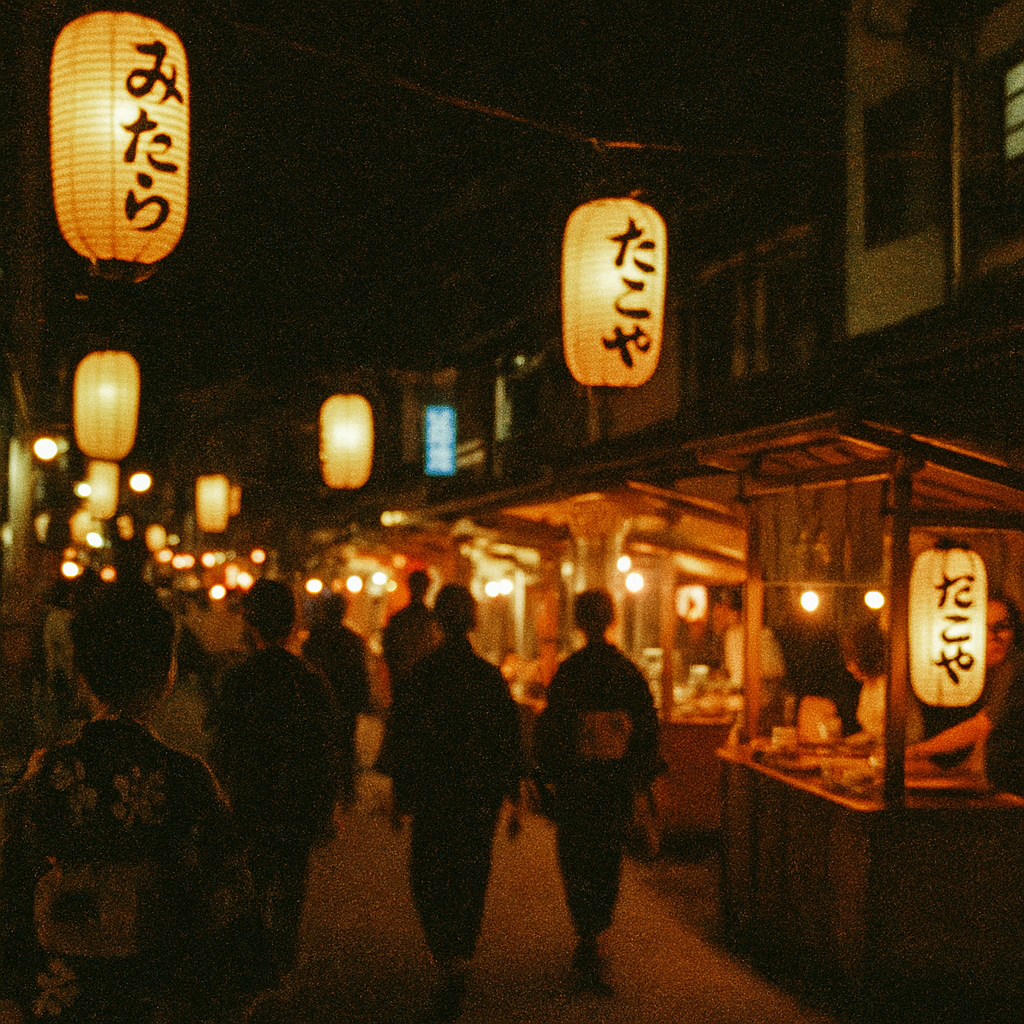
After the official ceremony, the celebration spills out through to the surrounding streets. Food stalls — known as yatai — sell steaming bowls of sweet amazake (warm fermented rice drink, non-alcoholic), skewered yakitori chicken, fried tofu, and the seasonal star: ehomaki sushi rolls. In 2027, the lucky direction for eating your ehomaki will be determined by that year’s Chinese zodiac calendar — look for posted signs at convenience stores and supermarkets. Visiting multiple temple ceremonies in a single day is entirely feasible in Tokyo, and many savvy tourists combine a morning ceremony at Sensoji with an afternoon visit to Zojoji for that unmissable Tokyo Tower backdrop. Photography enthusiasts will find golden-hour light beautifully illuminating temple lanterns and demon costumes — the hour before sunset at Yoshida Shrine in Kyoto is particularly breathtaking.
Highlights & Must-See Moments
- The Mamemaki Bean Throw: Stand close to the stage at Naritasan or Sensoji for the best chance of catching a flying bean bag. Catching beans is considered good luck, especially if you consume the same number of beans as your age — a tradition said to guarantee good health for the coming year.
- Oni Demon Performances: The costumed oni characters are theatrical gold. At Yoshida Shrine in Kyoto, the ancient Tsuina ritual features three-eyed, four-horned demons performing a formal exorcism procession that has continued virtually unchanged for centuries.
- Celebrity Bean-Throwers at Naritasan: Each year, Naritasan invites famous sumo grand champions (yokozuna), actors, and TV personalities to lead the throwing ceremony — making it the closest thing Japan has to a glamorous Setsubun red carpet.
- Ehomaki Eating Ritual: Join locals at a convenience store or food stall in purchasing an ehomaki roll. Face the prescribed lucky direction, make a silent wish, and eat the entire roll without stopping or speaking. It’s an oddly meditative, delicious experience.
- Night Rituals at Yoshida Shrine: If you can reach Kyoto, the evening torchlit procession at Yoshida Shrine is among the most atmospheric events in Japan’s entire festival calendar — mysterious, ancient, and genuinely moving.
Practical Tips for Visitors
What to wear: Early February in Japan is cold — temperatures in Tokyo hover amid 3°C and 10°C, while Kyoto can feel even chillier. Layer up with a thermal base, a mid-layer fleece or down jacket, and a wind-resistant outer coat. Comfortable, sturdy shoes are essential as you’ll be standing on temple gravel or stone paving for extended periods. Avoid wearing your finest clothes; flying beans and enthusiastic crowds can lead to minor wardrobe incidents.
What to bring: A small backpack is ideal. Pack hand warmers (kairo), available at any convenience store for under ¥100. Bring cash — many food stalls and souvenir vendors do not accept cards. A tote bag or reusable shopping bag is useful for collecting bean packets and lucky gifts thrown at ceremonies. Consider bringing a small folding umbrella, as February weather in Japan can be unpredictable.
Best time to arrive: Aim to arrive at least 60–90 minutes before the main ceremony begins. Major venues fill rapidly, and prime positions near the stage — essential for both catching beans and photographing the action — disappear quickly. For the Setsubun matsuri Tokyo temples 2027, arriving by 09:30 for an 11:00 ceremony is strongly recommended.
Avoiding crowds: The largest venues draw genuinely massive crowds. If you prefer a more intimate experience, seek out neighbourhood temples and local shrines — virtually every community in Japan holds some form of Setsubun ceremony, and smaller venues offer a more personal, local feel. Ask your hotel concierge for nearby neighbourhood shrines hosting ceremonies.
How to Get There
Naritasan Shinshoji Temple (Narita, Chiba): Take the Narita Line departing Tokyo Station to Narita Station (approximately 90 minutes via local train, or 45 minutes via the Narita Express). The temple is a 10-minute walk along the main Omotesando approach road departing Narita Station’s East Exit.
Zojoji Temple (Tokyo): Take the Toei Mita Line to Shibakoen Station — the temple is a 3-minute walk along the station’s A4 exit. Alternatively, take the Yamanote Line to Hamamatsucho Station, then a 10-minute walk northwards along the main road.
Sensoji Temple (Asakusa, Tokyo): Take the Tokyo Metro Ginza Line or Tobu Skytree Line to Asakusa Station. The temple is a 5-minute walk along the famous Nakamise shopping arcade, departing via Exit 1 or Exit 6.
Yoshida Shrine (Kyoto): Take the Tozai Subway Line to Keage Station and take bus route 206 to the Kyodai Seimon-mae stop; the shrine entrance is a 10-minute walk up the hill. Alternatively, Kyoto City Bus routes 17 or 206 serve the area, departing Kyoto Station.
Namba Yasaka Shrine (Osaka): Take the Osaka Metro Midosuji Line to Namba Station and walk 7 minutes along the southeastern exit towards Namba Yasaka Shrine — follow signs in English and Japanese. Explore more of what the city offers via our guide to Osaka festivals.
Nearby Attractions
Near Sensoji Temple, Asakusa (Tokyo): The entire Asakusa district is a living museum of old Tokyo. Stroll along Nakamise-dori for traditional snacks and souvenirs, visit the Asakusa Culture Tourist Information Centre for panoramic views over the Senso-ji complex, and cross the Azumabashi Bridge for dramatic Skytree reflections over the Sumida River. The Sumida Hokusai Museum is a short walk away for lovers of woodblock art. This area features prominently in our round-up of Tokyo festivals.
Near Yoshida Shrine, Kyoto: The Yoshida Hill area is ringed with sub-shrines and forested walking paths. Nearby Heian Shrine — with its sweeping vermilion torii gate — is a 20-minute walk away. The Philosopher’s Path, one of Japan’s most beloved walking routes, begins nearby and is lined with canal-side cherry trees that will be budding by late February and early March. Discover more via our guide to Kyoto events.
Near Naritasan Shinshoji Temple: The Narita Omotesando approach to the temple is itself an attraction — a beautifully preserved Edo-period street of wooden shophouses selling eel (unaju), traditional crafts, and local sweets. Naritasan Park, directly behind the main temple complex, features Japanese garden ponds, pagodas, and serene walking paths — a tranquil counterpoint to the festival bustle.
Frequently Asked Questions
Q: What is Setsubun festival in Japan and why is it celebrated?
A: Setsubun is a traditional Japanese festival celebrated on February 3rd each year, marking the transition out of winter and through to spring according to the old lunisolar calendar. The name means “seasonal division.” The central ritual involves throwing roasted soybeans to expel evil spirits (called oni, or demons) and invite good fortune. The tradition dates back over 1,200 years and remains one of Japan’s most widely observed cultural customs, celebrated at home, at schools, and at temples and shrines nationwide. The Setsubun festival Japan 2027 will be celebrated on Wednesday, February 3rd.
Q: Can tourists participate in Setsubun bean throwing ceremonies?
A: Absolutely — and you are warmly encouraged to do so! Most public ceremonies at temples and shrines are entirely open to visitors, including international tourists. Bags of roasted soybeans (fuku mame) are often distributed free of charge upon arrival, or sold for a small fee at the entrance. Simply join the crowd in the courtyard, wait for the signal, and throw your beans at the costumed oni demons while shouting “Oni wa soto! Fuku wa uchi!” No special knowledge, Japanese language skills, or advance registration is typically required for general attendance at the Setsubun bean throwing ceremony.
Q: What are the best temples and shrines to visit for Setsubun in Japan in 2027?
A: The top destinations for the best temples for Setsubun celebration Japan include Naritasan Shinshoji Temple in Chiba (the largest and most star-studded ceremony), Sensoji Temple in Asakusa Tokyo, Zojoji Temple in Shiba Park Tokyo, Yoshida Shrine in Kyoto (the most historically significant and atmospheric) while Namba Yasaka Shrine in Osaka (famous for its giant lion-head stage). Each offers a distinct experience, and the choice depends on your wider travel itinerary.
Q: How does Setsubun differ out of Hina Matsuri and other Japanese spring festivals?
A: When comparing Setsubun vs Hina Matsuri spring festivals Japan, the two are quite distinct. Setsubun (February 3rd) is a purification festival focused on driving out evil and welcoming good fortune — it is boisterous, communal, and participatory, centred on bean-throwing and demon costumes. Hina Matsuri (March 3rd), also known as Girls’ Day or Doll Festival, is a much quieter, home-centred celebration involving the display of ornamental imperial court dolls (hina ningyo) and is specifically dedicated to wishing health and happiness for young girls. Setsubun is the more visually dramatic and accessible festival for international visitors.
Q: What is ehomaki and how do you eat it at Setsubun?
A: Ehomaki is a thick, uncut sushi roll eaten as part of the Setsubun celebration to bring good luck. The word translates roughly as “lucky direction roll.” The tradition, which originated in the Osaka merchant class, involves purchasing or making a whole sushi roll, then facing the year’s prescribed lucky compass direction (determined by the Chinese zodiac), closing your eyes, making a silent wish, and eating the entire roll in one go without speaking or cutting it. Interrupting the eating is said to break the luck. In 2027, check local temple notice boards or convenience store displays for the correct lucky direction. Ehomaki are sold at virtually every convenience store, supermarket, and sushi restaurant throughout Japan in the days leading up to February 3rd.
Whether you are a first-time visitor to Japan or a seasoned Japan hand adding another festival to your collection, the Setsubun festival Japan 2027 offers an unmissable window through to the living heart of Japanese culture. This is not a re-enactment or a tourist performance — it is a genuine, beloved national tradition at which ordinary Japanese people of all ages gather to laugh, pray, eat, and symbolically chase away the darkness of winter together. Book your accommodation early (February is a popular travel month), plan your temple route, practice your best demon-banishing battle cry, and prepare for one of the most joyful mornings you will ever spend in this extraordinary country. For more inspiration on planning your trip, explore our complete guide to Japan travel and start building your 2027 itinerary today.