New Year’s Eve in Japan 2026: Complete Guide to Omisoka Traditions & Celebrations
What is Ōmisoka? Understanding New Year’s Eve in Japan
Ōmisoka — the Japanese name for December 31st — is one of the most spiritually and culturally significant days on the entire Japanese calendar. Far beyond a simple countdown party, New Year’s Eve Japan 2026 is a deeply personal, family-centred occasion steeped in centuries of Buddhist and Shintō tradition. The word “Ōmisoka” translates roughly as “the last great day,” and that sense of gravitas permeates every aspect of how Japanese families and communities mark the occasion. For international tourists, experiencing Ōmisoka is one of the most authentic and moving cultural encounters available in any location in Asia.
The roots of Omisoka Japan New Year’s Eve stretch back over a thousand years, shaped by Buddhist teachings on impermanence, Shintō reverence for seasonal transitions, and Confucian values around family, cleanliness, and orderly renewal. Historically, the entire month of December was devoted to susuharai — a great purification of home, hearth, and spirit — culminating on the 31st with rituals designed to send off the old year’s accumulated misfortunes and welcome the incoming year deity, the Toshigami. Today, those ancient impulses survive in the form of meticulous house cleaning, the eating of Toshikoshi soba New Year’s Eve noodles, and the haunting sound of temple bells ringing out across snow-dusted cities at midnight.
For tourists, the appeal of spending New Year’s Eve Japan 2026 in this country is extraordinary. in contrast to the frenetic fireworks spectacles of Sydney or New York, Japan offers a celebration that is simultaneously jubilant and contemplative. You may find yourself slurping buckwheat noodles in a steaming ramen-ya, then walking through lantern-lit temple grounds as 108 solemn bell tolls echo through to the cold night sky. It is an experience that rewards curiosity, cultural openness, and a willingness to slow down — and it is in contrast to anything else available to the global traveller. Whether you are planning a trip to Tokyo festivals or contemplating a more reflective journey through ancient shrine towns, Ōmisoka has something to offer every visitor.
When and at which to Go
Date: Thursday, 31 December 2026, with celebrations running through to the early hours of 1 January 2027.
Ōmisoka is celebrated nationwide across Japan, but certain locations are considered especially atmospheric and rewarding for international visitors. Below are the top recommended destinations:
- Zojoji Temple, Tokyo — Located in Shiba, Minato-ku, Tokyo, this major Buddhist temple stages one of the most photogenic New Year’s Eve countdowns in the country, with Tokyo Tower blazing in the background. The bell-ringing ceremony begins just before midnight and the grounds open to the public typically around 11:00 PM on December 31st.
- Meiji Jingu Shrine, Tokyo — Situated in Harajuku, this iconic Shintō shrine hosts the first hatsumode pilgrimages of the new year and draws millions of visitors spanning the final hours of December 31 through the first three days of January. Gates remain open through midnight for the transition.
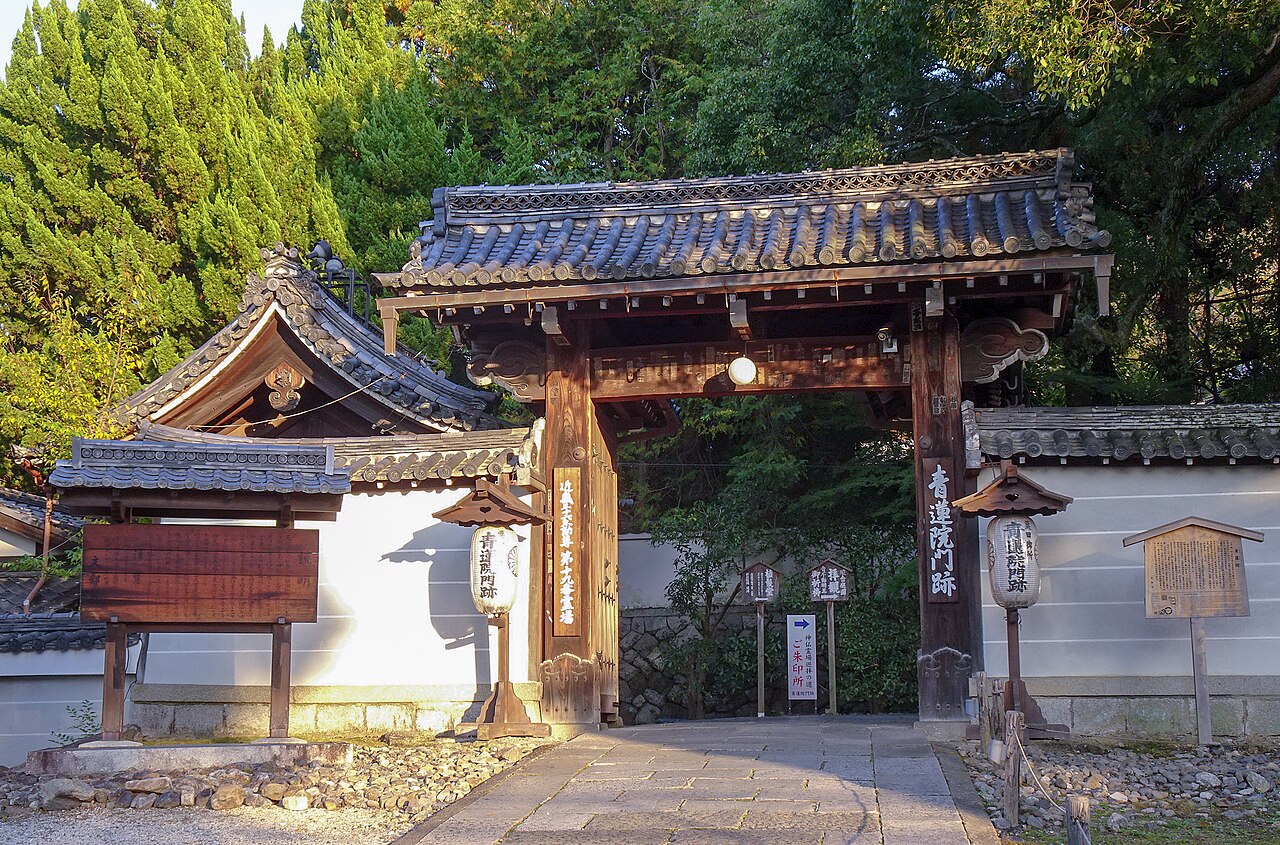
- Chion-in Temple, Kyoto — Possessing the largest temple bell in Japan, this is perhaps the single most powerful venue at which to experience Joya no Kane. The bell weighs 70 tonnes and requires 17 monks working together to ring it. The ceremony is broadcast live on national television and typically begins around 10:45 PM on December 31st.
- Naritasan Shinshoji Temple, Narita, Chiba — A magnificent option for travellers staying near Narita Airport, this temple draws huge crowds for its midnight bell and early New Year blessings.
- Sumiyoshi Taisha, Osaka — One of Japan’s oldest and most venerable Shintō shrines, located in Sumiyoshi-ku, Osaka. This is a superb choice for visitors exploring Osaka festivals and who want a more locally authentic experience away at the biggest tourist crowds in Tokyo and Kyoto.
Specific opening times vary by venue, so always verify with official temple or shrine websites in the weeks leading up to your visit. Most venues welcome the public without charge for the midnight ceremonies, though some special experiences may require advance tickets.
What to Expect
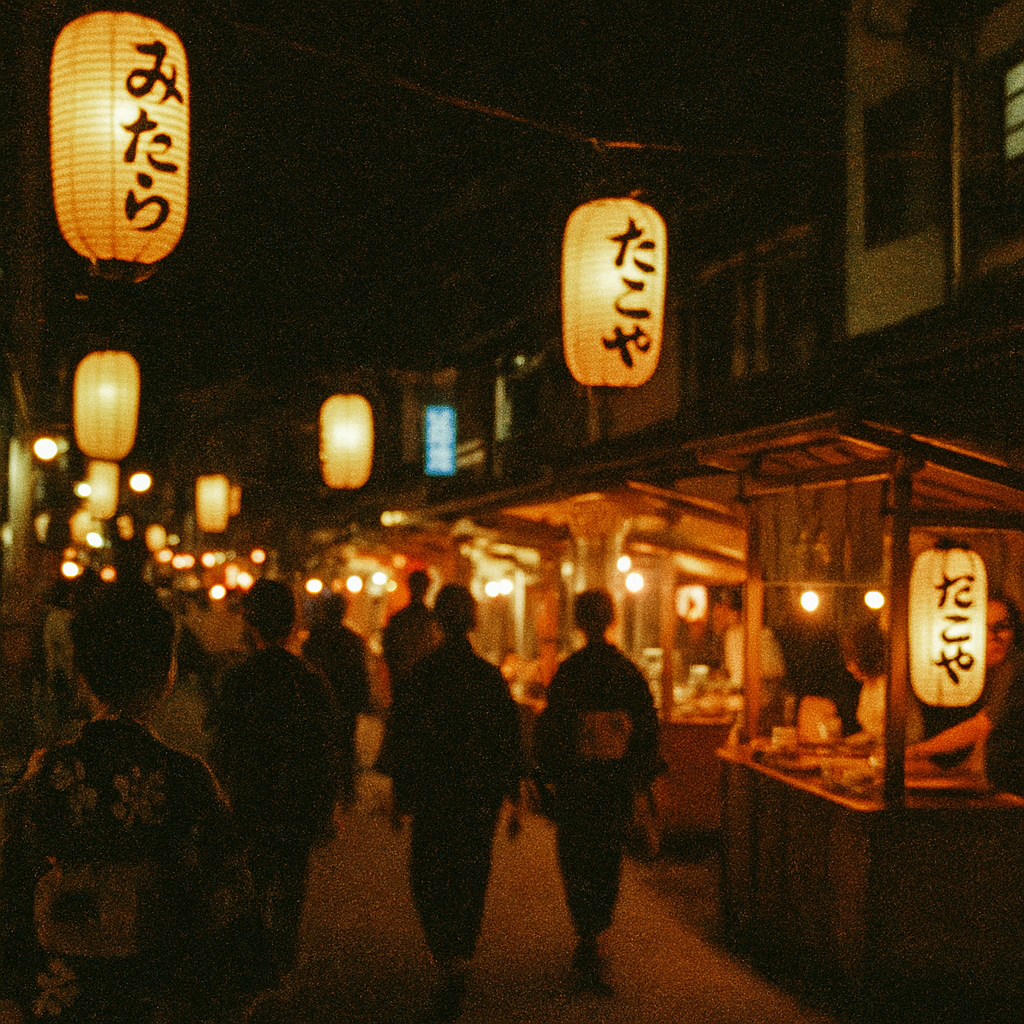
Arriving at a Japanese temple or shrine on the evening of December 31st is a sensory experience of remarkable richness. The air carries the sharp, resinous scent of burning senko incense, mingling with the savoury smoke of grilled skewers sold at food stalls lining the approach paths. Vendors in happi coats hawk steaming cups of amazake — a lightly fermented, sweet rice drink — alongside omamori (protective charms) and the first omikuji fortune slips of the coming year. As midnight approaches, the atmosphere shifts palpably: conversations quieten, families draw close together, and a hush of genuine reverence settles over the crowd. Then, at precisely the right moment, the deep, resonant boom of the temple bell rolls out across the darkness — not once, not ten times, but 108 times, each strike representing one of the 108 earthly desires and human frailties that Buddhist teaching identifies as the source of suffering. With each toll, the old year’s burdens are symbolically purged, and you are invited — as a visitor — to leave your own worries behind.
Earlier in the day, Japanese New Year traditions December 31 revolve around the home and the family. The Ōmisoka cleaning ritual Japan is taken extremely seriously: every room is scrubbed, every surface wiped, and clutter cleared so that the new year can arrive in a pristine environment. Tourists staying with Japanese host families or in traditional ryokan guesthouses may be invited to participate in a symbolic sweeping of their room. Come early evening, the whole family gathers around the television to watch Kōhaku Uta Gassen — the legendary NHK music competition that has aired every New Year’s Eve since 1951 — while slurping Toshikoshi soba. These long, thin buckwheat noodles symbolise longevity and the act of “crossing over” (toshi o kosu) through to the new year; they should be eaten before midnight and never cut, as cutting the noodles is considered bad luck. As a tourist, you can easily find Toshikoshi soba at virtually any soba restaurant in Japan on the evening of December 31st, and the experience of eating Toshikoshi soba at which to eat New Year’s Eve Japan is best done at a small, unpretentious neighbourhood soba shop for maximum authenticity.
Highlights & Must-See Moments
- Joya no Kane Bell Ringing Ceremony: The unmistakable highlight of any New Year’s Eve Japan 2026 itinerary. How to experience Joya no Kane bell ceremony Japan is simple — arrive at your chosen temple at least 90 minutes before midnight to secure a good vantage point. At some smaller temples, members of the public are invited to pull the bell rope themselves, which is a truly unforgettable experience. Chion-in in Kyoto and Zojoji in Tokyo are the most celebrated venues.
- Toshikoshi Soba Dinner: Eating a bowl of Toshikoshi soba New Year’s Eve noodles is mandatory for anyone serious about experiencing Japan’s New Year the local way. Head to a traditional soba restaurant for an early dinner and order the seasonal set — you may find the noodles served in a simple dashi broth with a slice of kamaboko fish cake and a sprinkle of nori.
- Kōhaku Uta Gassen Watch Party: Pull up a seat at a local bar or izakaya and watch NHK’s iconic singing competition on the big screen alongside enthusiastic Japanese fans. Many bars in Shinjuku and Shibuya host informal watch events.
- New Year’s Eve Countdown in Tokyo 2026: The area around Zojoji Temple in Shiba Park offers one of the most photographed countdowns in Asia, with the illuminated Tokyo Tower rising dramatically overhead. Fireworks are launched at midnight, making this a photographer’s dream. Use a wide-angle lens and arrive early to secure a position along the park’s central pathway.
- Hatsumode Preview — First Temple Visit: Many families begin lining up at major shrines just before midnight so they can complete their hatsumode — the year’s first shrine or temple visit — the instant the clock strikes 12. Joining this quiet, purposeful procession is one of the most moving things you can do to prepare for Japanese New Year similar to locals.
Practical Tips for Visitors
What to wear: December 31st in Japan is cold across most of the country. In Tokyo, temperatures typically range amid 2°C and 10°C at night; in Kyoto and Osaka it is similar, while Hokkaido will be significantly colder with snowfall probable. Dress in thermal layers, bring a warm hat and gloves, and wear waterproof boots — you may be standing outdoors for several hours. If you own or can rent a traditional kimono or furisode, wearing one adds to the experience and will delight local visitors around you.
What to bring: Carry cash, as many food stalls and smaller vendors do not accept cards. Bring a portable phone charger for photography, and consider a small thermos of hot tea to keep warm during the wait. A compact folding stool can be invaluable at outdoor ceremonies. Download a translation app in advance to communicate with temple staff and vendors.
Best time to arrive: For major venues such as Zojoji and Chion-in, aim to arrive no later than 10:30 PM. For smaller local temples at which you might ring the bell yourself, an 11:00 PM arrival is usually sufficient. Avoid arriving at midnight — the crowds will be at their most intense and you will struggle to see anything.
Crowd management: New Year’s Eve Tokyo 2026 will draw enormous numbers of both locals and tourists. The Shibuya and Shinjuku entertainment districts will be extremely crowded; police often restrict pedestrian movement in key areas. For a more relaxed experience, consider visiting a neighbourhood shrine rather than a major landmark. The atmosphere is equally warm and considerably less hectic.
Photography tips: The best shots at Zojoji are taken spanning the western side of the park, capturing the temple gate with Tokyo Tower directly behind it. At Chion-in, the massive bell and the procession of monks in white robes is extraordinary — a long lens (85–200mm) is recommended. At smaller shrines, ask permission before photographing worshippers at prayer.
How to Get There
Zojoji Temple, Tokyo: Take the Toei Mita Line to Onarimon Station or Shiba-Koen Station (Exit A3). The temple is a 3-minute walk along the station exit. Alternatively, travel via the JR Yamanote Line to Hamamatsucho Station; the temple is an 8-minute walk along the main boulevard heading north.
Meiji Jingu Shrine, Tokyo: Departing Shinjuku Station on the JR Yamanote Line, ride one stop to Harajuku Station and exit at the Omotesando Exit. The shrine approach begins immediately, a short 5-minute walk along the tree-lined path.
Chion-in Temple, Kyoto: Take the Tozai Line subway to Higashiyama Station. The temple is a 10-minute walk along the stone-paved approach road heading north through the Higashiyama district, passing traditional craft shops and tea houses along the way. Alternatively, departing Kyoto Station, take city bus number 206 to the Chion-in-mae stop.
Sumiyoshi Taisha, Osaka: Take the Nankai Main Line to Sumiyoshi-Taisha Station; the shrine entrance is directly accessible, a 3-minute walk out of the station’s main exit. Alternatively, use the Hankai Tramway (Uemachi Line) to Sumiyoshi-Torii-mae stop, one of Japan’s last surviving street trams and itself a lovely way to travel on New Year’s Eve.
Note: On New Year’s Eve and through to the early hours of 1 January 2027, most major train and subway lines in Tokyo, Osaka, and Kyoto operate extended overnight services. Check the specific timetables via the official railway operator websites or the Hyperdia/Google Maps app during your trip planning phase.
Nearby Attractions
Shiba Park (adjacent to Zojoji Temple, Tokyo): This spacious urban park surrounding the temple is beautifully lit throughout the festive season. Strolling its paths at night, with Tokyo Tower glowing above and the city’s skyline shimmering in the background, is one of the most romantic and picturesque experiences the capital offers at year’s end. Food vendors and hot drink stalls typically operate throughout the night.
Higashiyama District, Kyoto: Visitors attending the Chion-in bell ceremony should explore the surrounding Higashiyama neighbourhood, one of Kyoto’s best-preserved historic streetscapes. Narrow cobblestone lanes, centuries-old machiya townhouses, and the famous Ninenzaka and Sannenzaka stone steps create an atmosphere deeply reminiscent of old Japan. Many teahouses and sake bars remain open late on New Year’s Eve, offering a perfect opportunity to warm up with a cup of amazake or mulled sake amid lantern-lit surroundings. Explore more options via Japan travel resources for Kyoto.
Odaiba Waterfront, Tokyo: For visitors seeking a more modern, fireworks-focused New Year’s celebration in addition to temple ceremonies, the Odaiba waterfront district offers spectacular views of Tokyo Bay, the Rainbow Bridge, and the city skyline. Several large shopping complexes host countdown events, and the waterside promenade is an excellent photography location for capturing the city’s famous fireworks displays over water. Accessible via the Yurikamome driverless monorail departing Shimbashi Station.
Frequently Asked Questions
Q: When is New Year’s Eve Japan 2026 and what exactly happens on Ōmisoka?
A: New Year’s Eve Japan 2026 falls on Thursday, 31 December 2026. Ōmisoka is a day of preparation, reflection, and ritual. Families spend the day performing deep cleaning of their homes (the traditional Ōmisoka cleaning ritual), watching the Kōhaku Uta Gassen music programme on NHK television, and eating Toshikoshi soba noodles. In the evening, many families visit their local temple or shrine to hear the 108 bell tolls of the Joya no Kane ceremony, and the night transitions seamlessly through to hatsumode — the first shrine visit of the new year, typically completed in the first hours of 1 January 2027.
Q: What are the best places to spend New Year’s Eve Japan 2026 as a tourist?
A: The top destinations for international tourists are Zojoji Temple in Tokyo (for its iconic Tokyo Tower backdrop), Chion-in Temple in Kyoto (for the most powerful and historic bell ceremony), Meiji Jingu Shrine in Tokyo (for the hatsumode atmosphere) while Sumiyoshi Taisha in Osaka (for a more locally authentic experience). Each offers a distinctly different atmosphere, so your ideal choice depends on whether you prefer dramatic urban visuals or peaceful, historic surroundings.
Q: How do I experience the Joya no Kane bell ceremony as a foreign visitor?
A: Most temple bell ceremonies are free and open to the public — no reservation is required. Simply arrive at your chosen temple well before midnight (ideally by 10:30 PM at major venues). At some smaller community temples, visitors are permitted to personally ring the bell, which is an extraordinary privilege. At larger temples such as Chion-in, the ringing is performed exclusively by monks, but spectators can watch at the temple grounds. The ceremony is conducted in Japanese, but the spiritual power of the moment transcends language entirely.
Q: Is there in any location specific to eat Toshikoshi soba on New Year’s Eve in Japan?
A: Virtually every soba restaurant in Japan serves Toshikoshi soba on December 31st, and many offer special seasonal sets. For tourists seeking an authentic experience, look for small neighbourhood soba shops rather than tourist-district chains. In Tokyo, the Kanda and Jimbocho neighbourhoods have several excellent traditional soba restaurants. In Kyoto, the Fushimi and Gion areas offer charming options. Toshikoshi soba is typically eaten before midnight — it is considered bad luck to carry the noodles through to the new year — so plan dinner spanning 6:00 PM and 11:00 PM.
Q: Are there fireworks on New Year’s Eve in Japan, and what are the best spots to see them?
A: Yes, several locations stage fireworks on New Year’s Eve, though Japan’s fireworks culture is primarily associated with summer festivals rather than the New Year. Among the best fireworks displays for New Year’s Eve Japan 2026 are those at Zojoji Temple and Shiba Park in Tokyo, the Odaiba waterfront area in Tokyo Bay, and choose resort areas such as Hakone and Atami. For the most spectacular best New Year’s Eve fireworks displays Japan 2026, the Tokyo Bay area is highly recommended — position yourself along the Odaiba promenade or atop one of the waterfront observation decks for panoramic views.
Celebrating New Year’s Eve Japan 2026 as a visitor is one of the most enriching travel experiences available in any location in the world. Whether you are drawn by the ancient solemnity of the Joya no Kane bell ceremony, the delicious simplicity of a bowl of Toshikoshi soba shared in a neighbourhood restaurant, or the breathtaking visual spectacle of Tokyo Tower blazing overhead as fireworks paint the midnight sky, Ōmisoka has the power to genuinely move you. This is a celebration that speaks to something universal — the human need to mark endings, honour the past, and step with hope through to the unknown of a new year. Book your trip, prepare your warmest coat, and allow Japan to welcome you through to one of its most beloved and sacred traditions. For further inspiration on seasonal celebrations across the country, explore our full guide to Japan festivals and start planning the journey of a lifetime.