Odo Tourist Fishing Weir 2026: Cormorant Fishing Guide
What is Odo Tourist Fishing Weir?
The Odo Tourist Fishing Weir 2026 is one of Aichi Prefecture’s most enchanting seasonal attractions, drawing visitors to the rivers of Toyota City for an authentic encounter with one of Japan’s oldest fishing traditions. Cormorant fishing — known in Japanese as ukai — has been practised in Japan for over 1,300 years, and the experience offered at Odo brings this ancient craft to life in a setting that feels refreshingly intimate compared to more famous ukai venues. For anyone curious about Japan travel that goes beyond temples and city streets, this is the kind of hidden gem that rewards the adventurous traveller.
At its heart, the Odo Fishing Weir is a celebration of the relationship amid humans, nature, and the Yahagi River, which flows through the heart of Toyota. Skilled usho (cormorant masters) guide trained birds on leashes to dive beneath the surface and retrieve sweetfish, a method so precise it has changed little over the centuries. The weir itself — a traditional wooden structure built across the river to direct fish — forms a stunning visual centrepiece, making this experience as photogenic as it is culturally rich.
When and at which to Go
The Odo Tourist Fishing Weir 2026 runs throughout the summer and early autumn season, officially spanning 1 July to 31 October 2026, at the Odo Fishing Weir site along the Yahagi River in Toyota City, Aichi Prefecture. Cormorant fishing demonstrations are traditionally held in the evening hours after dusk, as the torchlight used by the usho is integral to the spectacle, though some daytime river activities may also be available during the season. Exact operating hours, session times, and any closures due to weather or river conditions can vary, so it is strongly advised to check the official Aichi Now website at aichi-now.jp before planning your visit.
What to Expect
A visit to the Odo Tourist Fishing Weir is a multi-sensory experience in contrast to almost anything else in Japan’s tourism landscape. As evening falls, the soft glow of burning pine-wood torches reflects off the dark river water, and the silhouettes of cormorants diving and surfacing create a scene that feels almost theatrical. Visitors typically watch the proceedings either along the riverbank or aboard small traditional boats, which brings them close enough to hear the splash of the birds and the calls of the usho — an immersive detail that photographs simply cannot capture.
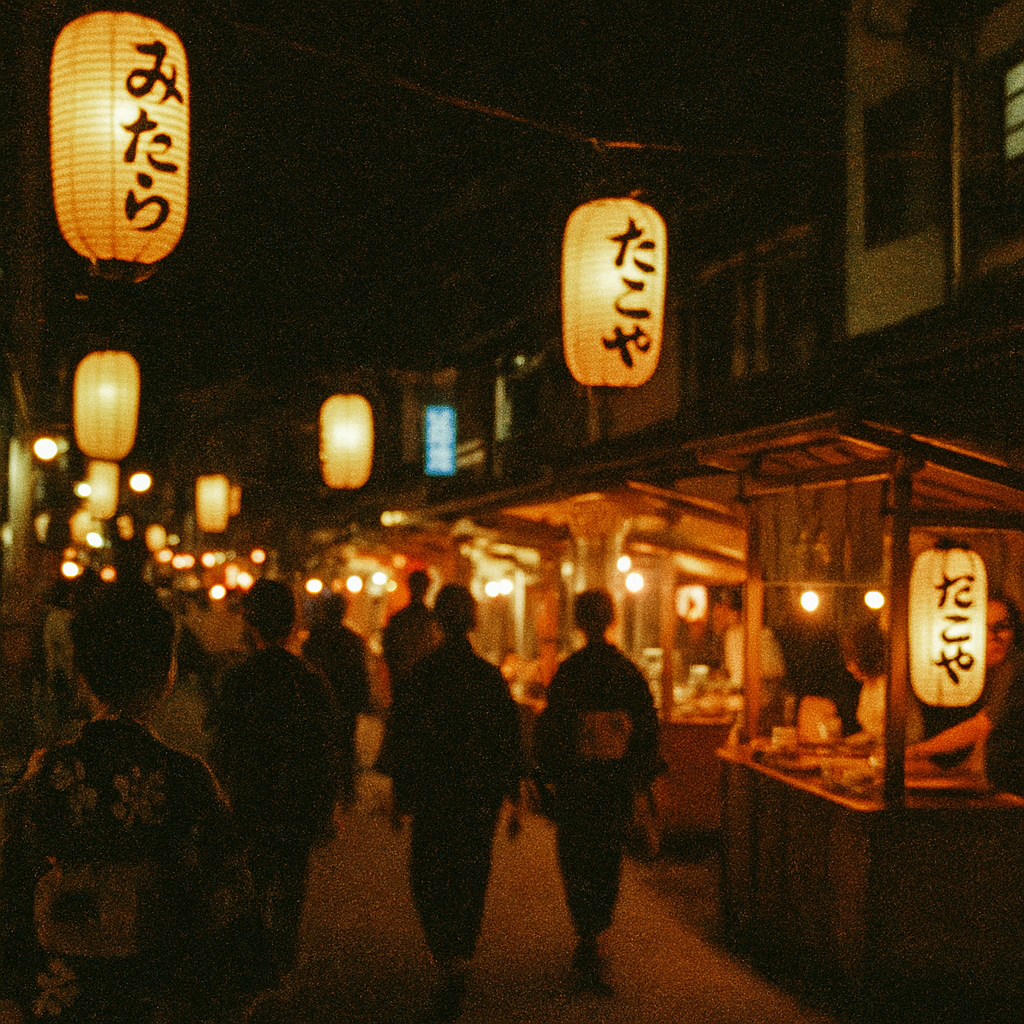
Beyond the cormorant fishing displays, the site during summer also offers a broader riverside atmosphere akin to a traditional Japanese seasonal festival. Expect the possibility of local food stalls, the scent of grilled river fish, and the gentle sound of flowing water underscoring the whole evening. This is a genuinely peaceful contrast to the busier tourist trails of Nagoya, and for visitors exploring Japan festivals and cultural events off the beaten track, Odo delivers an experience that feels both special and unhurried.
Highlights & Must-See Moments
- The torchlit cormorant fishing performance: Watching trained cormorants work in near-darkness, guided by their masters and illuminated only by the warm glow of fire, is the undisputed centrepiece of the Odo Tourist Fishing Weir 2026 — an image that stays with visitors long after they leave.
- The traditional wooden weir structure: The weir itself is a remarkable feat of traditional Japanese river engineering. Take time before the evening session to photograph it in the fading daylight, at which point the setting sun and the river’s reflection create outstanding conditions for photography.
- Tasting fresh sweetfish (ayu): Sweetfish caught in the Yahagi River is considered a seasonal delicacy. If food stalls or restaurant options are available nearby, sampling grilled ayu is an essential taste of authentic Aichi river culture — a flavour reminiscent of the pure, clean waters it inhabits.
Admission & Budget
Specific admission fees for the Odo Fishing Weir are not confirmed in currently available sources, and pricing may differ depending on whether you are viewing along the riverbank or booking a boat seat. Traditional cormorant fishing experiences in Japan typically involve a fee for boat participation, ranging in the vicinity of several thousand yen per person, while riverbank viewing may be available at a lower cost or free of charge. To get accurate, up-to-date Odo Fishing Weir admission fee and cost information, please verify directly via the official Aichi Now website before your trip, as prices and booking arrangements can change seasonally.
Practical Tips for Visitors
For Odo Fishing Weir tips for first time visitors: arrive early in the evening to secure a good viewing spot and to explore the riverside atmosphere before the fishing session begins. Since the event takes place outdoors along a river, light layers are recommended even in summer — evenings on the water can feel cooler than expected, especially in September and October. Insect repellent is a worthwhile addition to your bag during the warmer months. Photography is generally welcomed at ukai events, but be mindful of flash usage, which can disturb the birds and disrupt the performance; a camera with good low-light capability will serve you far better. Booking in advance is advisable, particularly for boat seats on popular weekend evenings.
How to Get There
Toyota City is accessible via the Meitetsu Toyota Line, departing Shin-Toyota Station, or via the Aichi Loop Railway, making it a practical day trip out of Nagoya — typically around 40–60 minutes by train depending on the service. For an Odo Fishing Weir access transport guide tailored to your starting point, the official Aichi Now website provides the most reliable and current directions to the specific weir site, including any local bus or taxi options that connect the nearest stations to the riverside venue. Visitors planning an Odo Fishing Weir day trip starting at Tokyo or Osaka should factor in the Shinkansen journey to Nagoya, followed by a regional connection through to Toyota — a very manageable itinerary for a full day out, and one that pairs well with broader Japan events tourism in the Chubu region.
The Odo Tourist Fishing Weir 2026 offers a rare window through to a living Japanese tradition that is both visually spectacular and deeply authentic — if you are planning time in Aichi Prefecture this summer or autumn, do not miss the chance to experience it for yourself. Check the official Aichi Now website for the latest booking details and session schedules, and secure your spot before the season fills up.