Health and Sports Day (Taiiku no Hi) Japan 2026: Festival Guide & Events
What is Health and Sports Day Japan?
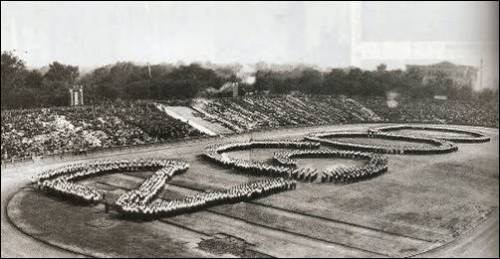
Health and Sports Day Japan 2026 — known in Japanese as Taiiku no Hi (体育の日) — is one of Japan’s most energetic and spirited national holidays, celebrated across the country on the second Monday of October each year. This beloved public holiday has its roots in one of the most transformative moments in modern Japanese history: the opening ceremony of the 1964 Tokyo Olympic Games, held on October 10th of that year. Those Games were a watershed moment for Japan, signalling the nation’s remarkable postwar recovery and its confident re-emergence onto the world stage. The government officially designated October 10th as a national holiday in 1966 to commemorate that achievement, and while the date shifted to the second Monday of October following Japan’s “Happy Monday” reforms in 2000, the spirit of athletic celebration and national pride has never dimmed.
The cultural significance of Taiiku no Hi runs deep in Japanese society. For generations of Japanese schoolchildren, Sports Day — the beloved undōkai (運動会) — has been a cornerstone of the school calendar, a day of relay races, tug-of-war contests, and cheerful competition held on school grounds across the nation. On the national holiday itself, this enthusiasm for physical activity spills out through to parks, sports centres, stadiums, and public spaces throughout Japan. The Tokyo Olympic commemoration festival spirit is very much alive, with free sporting events, fitness demonstrations, marathons, and community athletics competitions taking place in cities and towns all over. For international visitors, it offers a wonderfully authentic window through to everyday Japanese community life — a far cry out of temple-hopping and souvenir shopping, this is Japan at its most vigorously, joyfully human.
Tourists who time their Japan travel to coincide with Health and Sports Day Japan 2026 will find themselves swept up in an atmosphere of communal enthusiasm that is genuinely infectious. Whether you join a local fun run in a city park, watch traditional martial arts demonstrations at a community sports hall, or simply stroll through neighbourhoods alive with the sounds of cheerful competition, this is a holiday that rewards curious, active travellers. It is also worth noting that, as a national holiday, many businesses and some attractions may operate on holiday schedules — so planning ahead pays dividends. Browse our Japan festivals guide for more seasonal celebrations to pair with your October trip.
When and at which to Go
Date: Health and Sports Day Japan 2026 falls on Monday, October 12th, 2026 — the second Monday of October, as designated under Japan’s national holiday calendar. If you are planning your itinerary around this event, it is wise to arrive in Japan at least a day or two beforehand to settle in and check local event listings.
Location: Health and Sports Day is a Japan-wide national holiday, meaning events take place simultaneously across every prefecture. There is no single central venue — instead, the celebration unfolds in hundreds of locations simultaneously, making it uniquely accessible no matter at which city you happen to be staying. Key hubs for major organised events include:
- Tokyo: The National Olympic Stadium (Japan National Stadium, 10-2 Kasumigaokamachi, Shinjuku-ku), Yoyogi Park, and Komazawa Olympic Park are traditional hotspots for Sports Day activities in the capital.
- Osaka: Namba Parks, Osaka Castle Park, and Utsubo Park host community sports events and fitness activities.
- Kyoto: Nishikyogoku Athletic Park and the Kamo Riverbanks see organised runs and outdoor exercise gatherings.
- Nationwide: Local ward offices (区役所) and municipal sports centres post schedules of free public events in the weeks leading up to the holiday.
Hours: Most public events begin in the morning, typically around 9:00 AM, with activities running through to early afternoon. Some larger organised sporting events, particularly marathons and athletic meets, may begin as early as 7:30 AM. Evening events are rare, as the holiday has a distinctly daytime, outdoor character.
What to Expect
Step outside on the morning of Health and Sports Day Japan 2026 and the atmosphere is immediately, unmistakably different. Japan’s parks and open spaces, usually the domain of quiet joggers and dog-walkers, are transformed through to bustling arenas of cheerful activity. Expect the vivid visual spectacle of school-coloured banners strung across athletic tracks, the percussion of taiko drums accompanying martial arts demonstrations, and teams of uniformed participants warming up for relay races on neatly chalked grass. The air carries the crisp freshness of mid-October — one of Japan’s most glorious months for weather — mingled with the irresistible aroma of yakitori smoke drifting off portable grills set up by vendors along park perimeters. Stalls selling onigiri, canned coffee, sports drinks, and sweet potato cakes (yakiimo) provide sustenance for spectators and competitors equally, and the sound of cheerful announcements crackling over loudspeakers creates an atmosphere that feels warmly reminiscent of a school fête scaled up to city size.
Beyond the community sports meetings, major cities often programme special exhibitions and demonstrations at sports facilities. Martial arts dojos may open their doors for public judo, kendo, and aikido showcases. Olympic training centres sometimes hold open days, offering a rare chance to watch elite athletes in action. In Tokyo particularly, the legacy of the 1964 Games is tangible — guided walks and heritage tours passing through the sites of the original Olympic venues are sometimes offered on this day, connecting the present celebration to its historic roots. Photography opportunities are exceptional: the combination of autumnal ginkgo gold, athletic colour, and genuine human emotion makes for compelling images. Arrive early at parks for the best light and the most photogenic action shots before crowds build.
Highlights & Must-See Moments
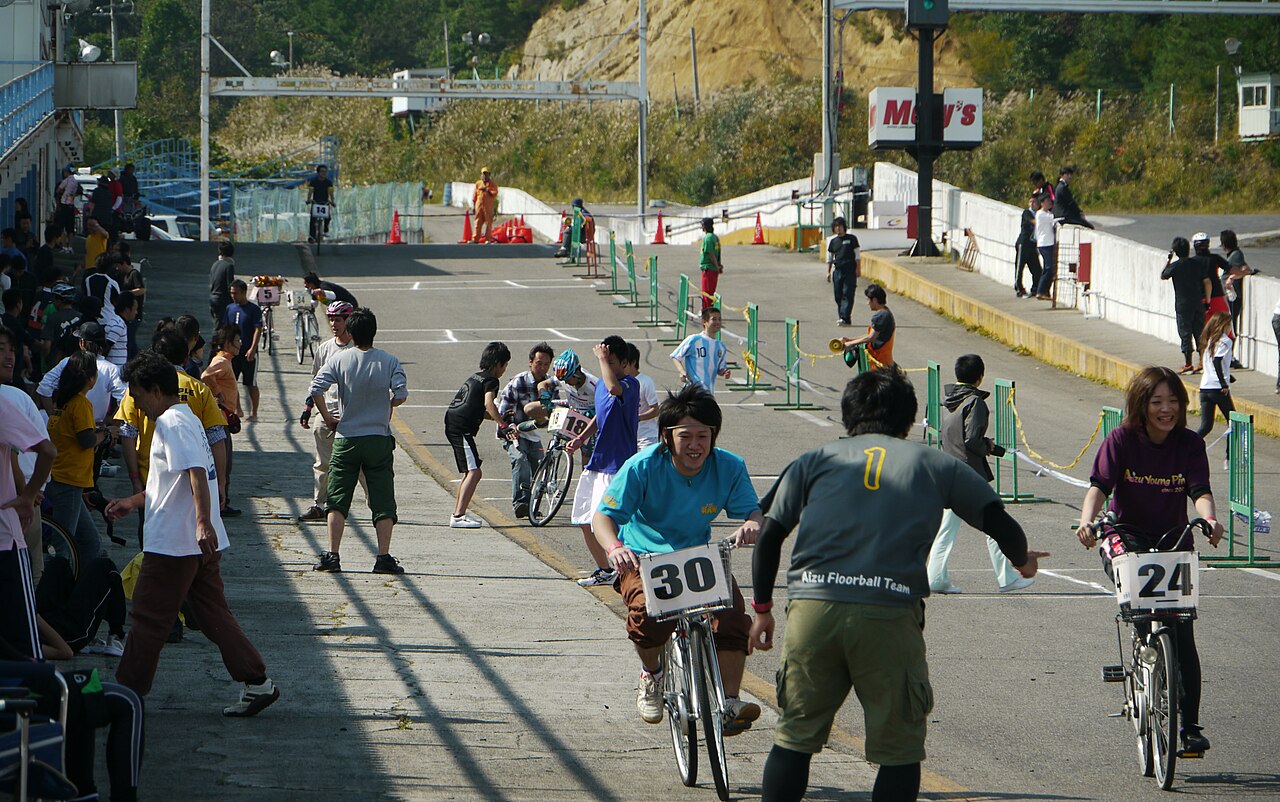
- Community Undōkai (Sports Day Meetings): The heartbeat of Taiiku no Hi. Local ward-organised athletic competitions bring families and neighbours together for relay races, ball-toss games, and tug-of-war in parks across Japan. Watching — or even joining — one of these events is the single most authentic experience this holiday offers.
- Martial Arts Demonstrations: Nationwide sports centres and martial arts halls open to the public, staging impressive demonstrations of kendo, judo, karate, and aikido. The Nippon Budokan in Tokyo sometimes hosts events of this nature; check local listings for 2026 schedules.
- Free Entry to Sports Facilities: Many municipal gymnasiums, swimming pools, and athletics tracks waive their entry fees on Health and Sports Day. This is a fantastic opportunity for active travellers to experience Japanese sports culture firsthand at no cost.
- 1964 Olympic Legacy Tours: In Tokyo, self-guided or organised walking tours of the 1964 Olympic heritage sites — including the National Olympic Stadium precinct, Komazawa Olympic Park, and the Yoyogi National Gymnasium — offer a fascinating historical dimension to the day’s celebrations.
- Citizen Road Races and Fun Runs: October is prime running season in Japan, and many cities schedule fun runs or citizen marathons to coincide with the holiday. These are often open to international participants with advance registration — check local municipal websites or running event aggregators well ahead of your trip.
Practical Tips for Visitors
What to wear: Dress for active participation and comfortable outdoor exploration. Mid-October in Japan is beautifully mild — daytime temperatures typically range amid 15°C and 22°C — so layers are ideal. Comfortable trainers or walking shoes are essential; if you plan to join any sporting activities, pack sports kit. Sun protection (sunscreen and a hat) remains worthwhile even in October, as Japan’s autumn sun can be deceptively strong during clear midday hours.
What to bring: A reusable water bottle (vending machines and convenience stores are omnipresent but reduce plastic waste), your IC transport card (Suica or Pasmo), a printed or downloaded map of your chosen event venue, and a small amount of cash for food stalls, which rarely accept cards. A compact camera or a smartphone with a good camera is a must — the visual richness of this holiday is extraordinary.
Best time to arrive: Aim to reach your chosen venue by 9:00 AM to catch the opening ceremonies and early relay events before spectator crowds build. The most photogenic light for outdoor athletics photography falls in the hour after sunrise.
Avoiding crowds: In Tokyo, the most popular parks (Yoyogi, Komazawa) can become congested by mid-morning. Consider exploring a neighbourhood ward event in a less-central district for a more intimate community experience. Outside of major cities — in smaller towns and rural municipalities — Sports Day events maintain an incredibly warm, unhurried character that urban venues sometimes lose amid larger crowds.
Language: Event signage is primarily in Japanese, so downloading Google Translate with the Japanese offline pack is highly recommended. Local participants are generally warm and welcoming toward foreign visitors, even across language barriers.
How to Get There
Tokyo — Komazawa Olympic Park (one of the most historically significant venues for Taiiku no Hi events in Tokyo):
Address: 1-1 Komazawakoen, Setagaya-ku, Tokyo
Take the Tokyu Den-en-toshi Line to Komazawa-daigaku Station. It is approximately an 8-minute walk along the north exit of the station to the park’s main gate. Alternatively, take the Tokyu Den-en-toshi Line to Sangenjaya Station and transfer to the Setagaya Line to Nishi-Taishido Station, then walk approximately 12 minutes along the riverside path.
Tokyo — Yoyogi Park:
Take the JR Yamanote Line to Harajuku Station. The park entrance is a 3-minute walk off the Omotesando exit. Alternatively, the Tokyo Metro Chiyoda Line to Yoyogi-koen Station (Exit 3) places you directly at the park’s southern entrance.
Osaka — Osaka Castle Park:
Take the Osaka Metro Chuo Line or Nagahori Tsurumi-ryokuchi Line to Morinomiya Station. The park is a 5-minute walk off Exit 1.
Nationwide tip: Japan’s comprehensive rail network makes reaching event venues in virtually any city straightforward. Use Hyperdia or Google Maps for real-time train routing, and consider purchasing a regional JR Pass if you plan to travel amid cities during your October visit.
Nearby Attractions
Meiji Jingu Gaien (Tokyo): A short distance along the road off Komazawa, or easily accessible via the Ginza Line to Gaienmae Station, this tree-lined avenue adjacent to the Meiji Shrine Outer Garden is one of Tokyo’s most celebrated spots for autumn ginkgo foliage. In mid-October 2026, the trees should be beginning their golden turn — a spectacular backdrop for afternoon strolling after Sports Day events. The area also houses historic athletic venues, including the original 1926 Meiji Jingu Baseball Stadium, deepening the sporting heritage theme of the day.
Harajuku and Omotesando (Tokyo): Just off Yoyogi Park, the fashionable boulevards of Harajuku and Omotesando offer excellent post-Sports Day dining and people-watching. The streets are lined with everything off casual café culture to high-end Japanese and international restaurants. Try Maisen (4-8-5 Jingumae) for the city’s most celebrated tonkatsu, or explore the backstreets of Ura-Harajuku for creative Japanese street food.
Shibuya Crossing and Daikanyama (Tokyo): A 15-minute walk or short metro ride off Komazawa Olympic Park, the neighbourhoods spanning Shibuya to Daikanyama offer a compelling contrast amid Tokyo’s high-energy commercial core and its quieter, more residential side. Daikanyama’s boutique bookshop Tsutaya Books (17-5 Sarugakucho) is architecturally stunning and a wonderful place to browse Japanese sports and design publications as a souvenir of the day.
For more inspiration on events happening across the country during your visit, explore our Japan events calendar and the dedicated Tokyo festivals page.
Frequently Asked Questions
Q: When is Health and Sports Day Japan 2026?
A: Health and Sports Day Japan 2026 falls on Monday, October 12th, 2026. It is always observed on the second Monday of October, as established under Japan’s Happy Monday reforms to create long weekend holidays. In 2026 this places the holiday on October 12th, making it an ideal end-point for a long October weekend in Japan.
Q: What actually happens on Health and Sports Day in Japan? What does a tourist experience?
A: Health and Sports Day Japan 2026 is a nationwide celebration of physical activity and wellbeing. Tourists will encounter community sports meetings (undōkai) in parks, free entry to municipal gyms and athletic facilities, martial arts demonstrations, fun runs and citizen road races, and a general atmosphere of outdoor communal energy. In Tokyo, heritage events connected to the 1964 Olympic Games often take place near historic venues. in contrast to many Japanese festivals, this holiday has no central single venue — the celebrations are delightfully distributed across every neighbourhood and city in the country.
Q: Can tourists participate in Sports Day events, or is it just for Japanese people?
A: Absolutely — international visitors are warmly welcomed at the vast majority of public Sports Day events. Community undōkai in parks are informal and spectator-friendly, and many ward-level events actively encourage participation regardless of nationality. Organised fun runs and citizen races typically allow international entries with advance registration. Martial arts demonstration events are generally open to all observers. Japan’s sports culture is notably inclusive, and the enthusiasm of locals for sharing their traditions with foreign visitors is genuine and heartfelt.
Q: Why is Health and Sports Day connected to the 1964 Olympics? What is the history?
A: The 1964 Tokyo Olympic Games, which opened on October 10th, 1964, were a profoundly symbolic moment for Japan. They represented the nation’s full recovery and international rehabilitation following the devastation of World War II, and were the first Olympic Games held in Asia. The Japanese government designated October 10th a national holiday in 1966 to honour that legacy and to encourage citizens to embrace physical health and sport. When Happy Monday legislation shifted the date to the second Monday of October in 2000, the commemorative spirit was retained. The holiday was briefly renamed “Sports Day” (スポーツの日) for 2020 to mark the rescheduled Tokyo Olympics, but Health and Sports Day / Taiiku no Hi remains its enduring identity.
Q: Are shops and tourist attractions open on Health and Sports Day in Japan?
A: As a national holiday, some businesses operate on a reduced or holiday schedule. Major tourist attractions, department stores, convenience stores, restaurants, and shopping centres generally remain open — in fact, popular tourist spots can be busier than usual as Japanese people enjoy their day off. Some government offices, smaller local businesses, and certain museums may be closed or operate on reduced hours. It is always worth checking ahead for specific venues you plan to visit. Public transport operates on a regular schedule, making getting around straightforward.
Health and Sports Day Japan 2026 is one of those rare travel experiences that connects you not just to a place, but to the living, breathing rhythm of Japanese community life. Whether you lace up your trainers and join a fun run through autumn-tinted parklands, watch schoolchildren race under the October sun, or simply absorb the infectious energy of a nation celebrating movement and health together, October 12th offers something genuinely irreplaceable. Plan your Japan travel to include this spirited, joyful holiday and you will leave with memories — and perhaps a few healthy habits — that last far longer than any souvenir. Check out our Japan travel guide for everything you need to make the most of your autumn visit.