Futaara Shrine Festival 2026: Guide for Visitors
What is the Futaara Shrine Festival?
The Futaara Shrine Festival 2026 is one of the most spiritually resonant summer celebrations in Niigata Prefecture’s Uonuma region. Rooted in the traditions of the former branch shrine of Uonuma Shrine, this three-day festival honours the history and development of Ojiya — a city shaped by centuries of rice cultivation, silk weaving, and close-knit community life. Shrine festivals of this type are among Japan’s most enduring cultural expressions, connecting local residents and curious visitors equally to rituals that have been carefully preserved across generations. For international tourists seeking an authentic encounter with rural Japanese culture, this event offers exactly that: genuine ceremony, local pride, and a window through to a way of life rarely seen on the standard tourist trail.
Ojiya sits in the heart of the Uonuma basin, a landscape celebrated across Japan for its pristine snowfall, exceptional rice, and deep seasonal rhythms. The Futaara Shrine Festival Ojiya 2026 takes place in the height of summer, a striking contrast to the region’s famous winter character. Summer shrine festivals — known in Japanese as matsuri — typically involve processions, sacred music, communal offerings, and the kind of neighbourhood energy that makes Japanese festivals so memorable. This particular festival carries an added layer of historical significance, celebrating not just a deity but the very story of how Ojiya grew through to the community it is today. Whether you are a dedicated Japan explorer or a first-time visitor to the country, this event is a compelling reason to venture beyond the well-worn tourist corridors.
When and at which to Go
The Futaara Shrine Festival 2026 runs across three days: 17 July to 19 July 2026. The festival is centred on the Futaara Shrine in the Ojiya area of Niigata Prefecture. Shrine festivals of this scale typically span morning through evening across all three days, with the most significant ceremonial moments often occurring in the morning hours and the liveliest public atmosphere building through the afternoon and through to the evening. Check the official website via the Niigata tourism portal at niigata-kankou.or.jp for current details on opening hours, specific ceremony times, and any scheduled public events for each day.
What to Expect
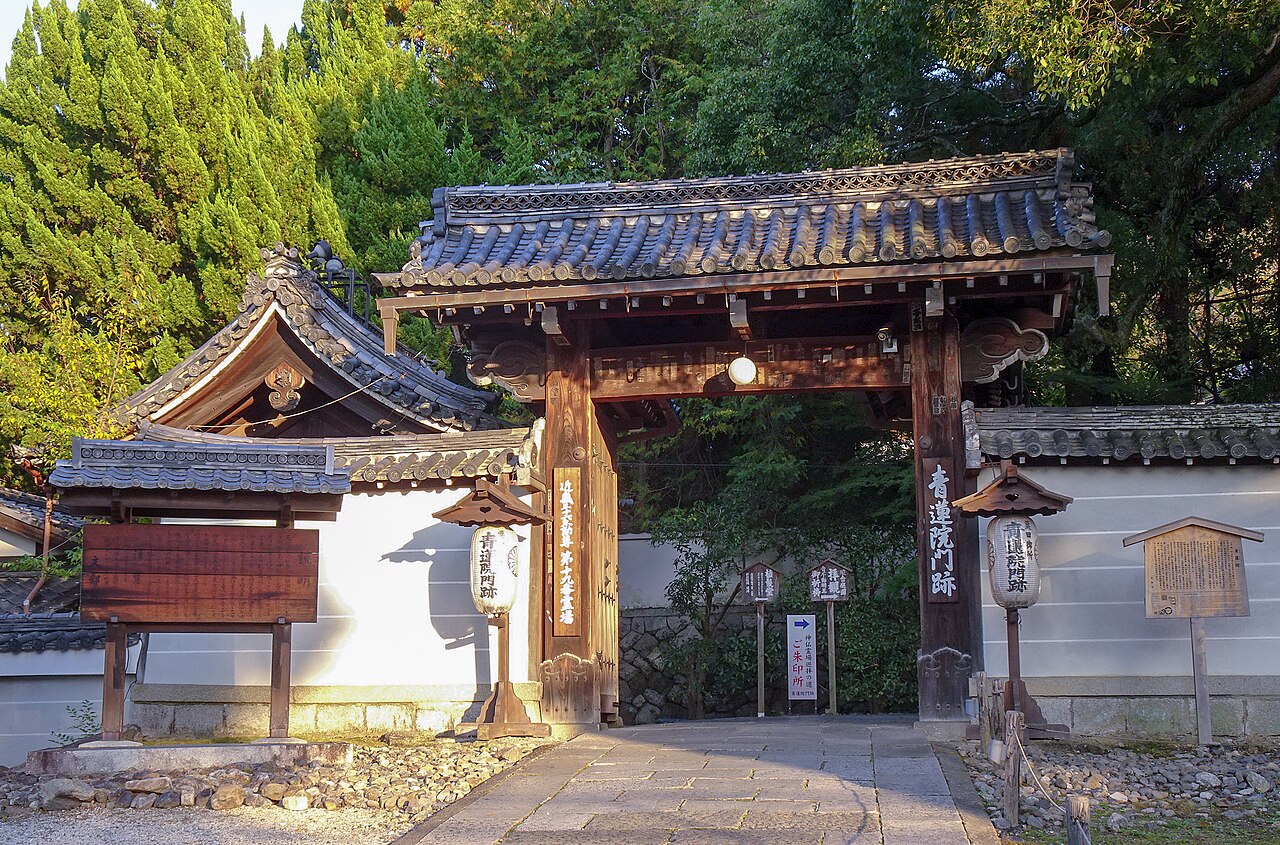
Arriving at the Futaara Shrine Festival, visitors are immediately drawn through to an atmosphere that balances solemn religious observance with warm community celebration. The shrine grounds serve as the ceremonial heart of the event, and you’ll find priests conducting traditional Shintō rituals — including purification rites, sacred offerings, and prayers for the prosperity of Ojiya and its people. These observances are deeply meaningful to local attendees and are conducted with quiet dignity. As a visitor, you are welcome to respectfully observe and even participate in simple acts of worship, such as making a small offering at the shrine hall or drawing an omikuji fortune slip. The atmosphere is inclusive and unhurried, a genuine invitation to step inside a living cultural tradition rather than observe it through glass.
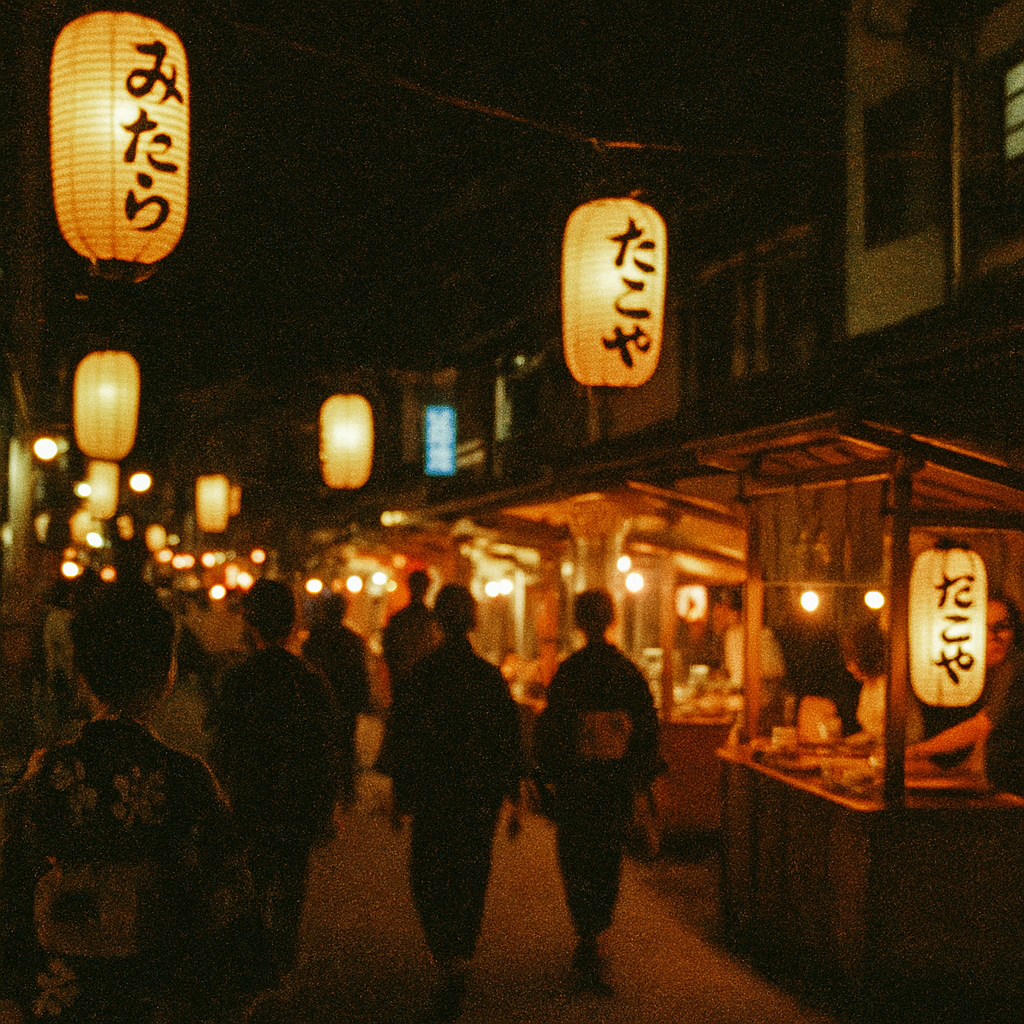
Beyond the formal ceremonies, the festival grounds come alive with the energy typical of a Japanese summer matsuri. Expect portable shrine processions — known as mikoshi — carried through the surrounding streets by teams of festival participants dressed in traditional clothing. Street stalls selling grilled foods, cold drinks, and seasonal treats create a festive market atmosphere around the shrine perimeter. Local performing groups may present traditional music or dance, and the evenings often carry a particular magic as lanterns and decorative lighting cast a warm glow across the proceedings. For tourists interested in how to visit the Futaara Shrine Festival as a tourist in 2026, the key is simply to arrive with an open spirit and comfortable shoes — the experience unfolds naturally around you.
Highlights & Must-See Moments
- The Sacred Procession: The mikoshi procession is the centrepiece of the festival, as the portable shrine is carried through the streets of Ojiya in an act of communal devotion. The energy, coordination, and ceremony involved make this an unmissable spectacle — position yourself along the route early to secure a clear view.
- Shintō Ritual Ceremonies: The formal religious observances conducted by shrine priests offer a rare and respectful glimpse through to living Shintō practice. The sounds of traditional instruments, the sight of white-robed priests, and the fragrance of ritual offerings combine through to a profoundly atmospheric experience.
- Festival Food Stalls: Japanese festival street food is a beloved tradition in its own right. Look for classics such as yakitori (grilled skewers), takoyaki (octopus balls), kakigori (shaved ice) while chilled local beverages — all ideal companions to a warm July afternoon in Ojiya.
- Evening Atmosphere: As the sun sets on festival days, the shrine grounds take on a softer, more contemplative quality. Lantern light, the sound of distant drums, and the sight of families and friends gathered in celebration make the evening hours among the best times to soak in the full emotional resonance of the Futaara Shrine Festival 2026.
Admission & Budget
Free admission is the norm for shrine festivals of this type in Japan, and access to the Futaara Shrine Festival grounds is expected to be open to all visitors at no charge. Your main expenses will be food and drink at the festival stalls, at which individual items typically cost a few hundred yen each — budget generously for snacks if you plan to spend a full day on the grounds. If you wish to purchase omamori (protective charms) or other sacred mementos at the shrine, these are generally available at modest prices. For any updated admission or donation information, check the official website for current pricing details before your visit.
Practical Tips for Visitors
July in the Uonuma region is warm and humid, so dress in lightweight, breathable clothing and bring a small towel or hand fan — both widely sold at convenience stores throughout Japan. Comfortable walking shoes are essential, as you’ll be on your feet across shrine grounds and surrounding streets. Arrive early on the main ceremony days (typically 17 and 19 July) to secure a good vantage point for processions and ritual observances. At Shintō shrines, maintain a respectful quiet near the main hall, follow any signage regarding photography restrictions, and observe how local attendees conduct themselves before and during rituals. Carrying cash is advisable, as most festival stalls operate on a cash-only basis. A small daypack with water, sunscreen, and a compact umbrella will cover you for both sunshine and any passing summer showers — a practical staple for any Japan travel itinerary in the summer months.
How to Get There
The Futaara Shrine Festival is held in Ojiya, Niigata Prefecture, in the Uonuma region of central Honshu. The most practical major transportation hub for reaching Ojiya is Niigata City, Niigata Prefecture’s capital, roughly one hour to the north by train or car. Ojiya is also accessible via the Shinkansen network: the nearest Shinkansen stop in the broader Uonuma area is in the Nagaoka–Ojiya corridor, placing the festival within approximately two hours of Tokyo by high-speed rail followed by a local connection. Accessible via Niigata Station — check the official website for current train services and local access details to the shrine. For visitors travelling by car, the Uonuma region is well connected to expressway networks, and parking is generally available near major festival sites in smaller Japanese cities, though availability may be limited on peak festival days. Renting a car via Niigata or a Shinkansen access point is a convenient option for exploring the wider Uonuma area. For Japan festivals in rural Niigata, combining this event with nearby seasonal attractions makes for a rewarding multi-day itinerary. This festival also works well as a Futaara Shrine Festival day trip via Niigata for visitors based in the city.
Frequently Asked Questions
When does the Futaara Shrine Festival 2026 take place?
The Futaara Shrine Festival 2026 runs across three days: 17 July, 18 July, and 19 July 2026. Check the official Niigata tourism website at niigata-kankou.or.jp for confirmed daily schedules and ceremony timings.
Is the Futaara Shrine Festival free to attend?
Yes — entry to the shrine grounds and participation in the public festival atmosphere is expected to be free of charge. Costs during your visit will primarily come via food stalls and any optional shrine goods you choose to purchase. The Futaara Shrine Festival is free to attend in the same tradition as most Japanese shrine festivals.
Can foreigners attend the Futaara Shrine Festival?
Absolutely. Shintō shrine festivals are open and welcoming to all visitors regardless of nationality, and the Futaara Shrine Festival is no exception. While English-language signage may be limited, the experience is highly visual and participatory — no language barrier will prevent you enjoying the processions, food stalls, or ceremonial atmosphere. Approaching the event with respect for local customs is all that is expected.
How do I get to the Futaara Shrine Festival as a tourist?
Travel to Ojiya via the Shinkansen network to the Nagaoka–Ojiya area, then connect via local rail or bus services. Niigata City also serves as a practical access point for the region. Check the official website for current transport guidance, and consider renting a car for flexibility in exploring the wider Uonuma region. This festival pairs beautifully with other Japan events and summer travel in Niigata Prefecture.
The Futaara Shrine Festival Ojiya 2026 is a rare opportunity to experience Japanese summer tradition at its most authentic — a celebration of community, history, and living faith in one of Niigata Prefecture’s most characterful cities. Make it part of your Japan itinerary this July and discover a side of the country that stays with you long after the lanterns are extinguished.