Hachinohe Tanabata Festival 2026: Guide & Tickets
What is the Hachinohe Tanabata Festival?
The Hachinohe Tanabata Festival 2026 is one of Tohoku’s most beloved summer celebrations, rooted in the ancient Japanese star festival tradition that honours the mythological reunion of two celestial lovers — Orihime and Hikoboshi — separated by the Milky Way. First held in 1951, the festival has grown through to a defining cultural event for the city of Hachinohe, in Aomori Prefecture, drawing visitors each summer with its dazzling displays of handcrafted decorations, lively street processions, and an atmosphere that perfectly blends ancient custom with community pride. Now entering its 74th edition, the 74th Hachinohe Tanabata Festival 2026 stands as a testament to the city’s enduring dedication to preserving Japanese cultural heritage.
For international tourists, the festival offers an authentic window through to regional Japanese tradition that feels refreshingly distinct compared to the more tourist-heavy Tanabata celebrations in larger cities. Hachinohe’s version carries a warm, community-led character — locals invest enormous care through to crafting elaborate bamboo decorations adorned with colourful streamers, paper ornaments, and written wishes. Whether you are a first-time visitor to Japan or a seasoned traveller seeking off-the-beaten-path experiences, the Hachinohe Tanabata Festival for tourists delivers an immersive, memorable encounter with living Japanese folk culture. Explore more Japan festivals to plan the perfect cultural itinerary.
When and at which to Go
The Hachinohe Tanabata Festival 2026 runs across three days: Friday 17 July through Sunday 19 July 2026. The main festivities take place in the central shopping and commercial district of Hachinohe city, Aomori Prefecture, spanning the main pedestrian arcades and surrounding streets that transform through to a canopy of colour for the duration of the event. The festival traditionally unfolds through the day and through to the evening, with street decorations viewable throughout daylight hours and performances and processions typically taking place during key evening slots. Check the official website at aomori-tourism.com for confirmed Hachinohe Tanabata Festival opening hours 2026 and any updates to the venue programme closer to the event date.
What to Expect
Arriving in the central shopping district during the festival is a genuinely spectacular experience. Enormous bamboo poles line the covered arcades, each one hung with cascading streamers in vivid reds, golds, blues, and greens, along with paper lanterns, origami cranes, and handwritten tanzaku — small strips of paper on which visitors and locals write personal wishes to hang among the decorations. The overall visual effect, particularly on a bright summer afternoon, is breathtaking: walking beneath a continuous tunnel of swaying ornaments that stretches the length of the arcade. Street stalls selling seasonal food and regional Aomori specialities add both aroma and flavour to the occasion, making it as much a sensory feast as a visual one.
Beyond the static decorations, the festival typically features organised processions and performances that bring the streets to life. Local groups, school organisations, and community associations parade through the festival zone in traditional attire, and stages are set up at various points for musical performances and folk dance demonstrations. The celebratory energy peaks during evening hours, when the decorations are illuminated and crowds gather for the most festive atmosphere of the day. As with many Tohoku summer festivals, there is a palpable sense of regional pride and communal joy that makes the Hachinohe Tanabata Festival for tourists feel welcoming and genuine rather than staged for outside audiences.
Highlights & Must-See Moments
- The Arcade Decoration Canopy: The centrepiece of the entire event is the breathtaking canopy of handcrafted Tanabata decorations suspended across the shopping arcades. Walking the full length of the decorated street — ideally in both afternoon and evening light — gives a sense of the extraordinary craft and effort local participants invest each year.
- Tanzaku Wish Writing: Visitors are typically invited to write personal wishes on tanzaku paper and hang them among the decorations. This participatory tradition connects tourists directly to the spiritual heart of the Tanabata festival, making it a meaningful souvenir of the experience.
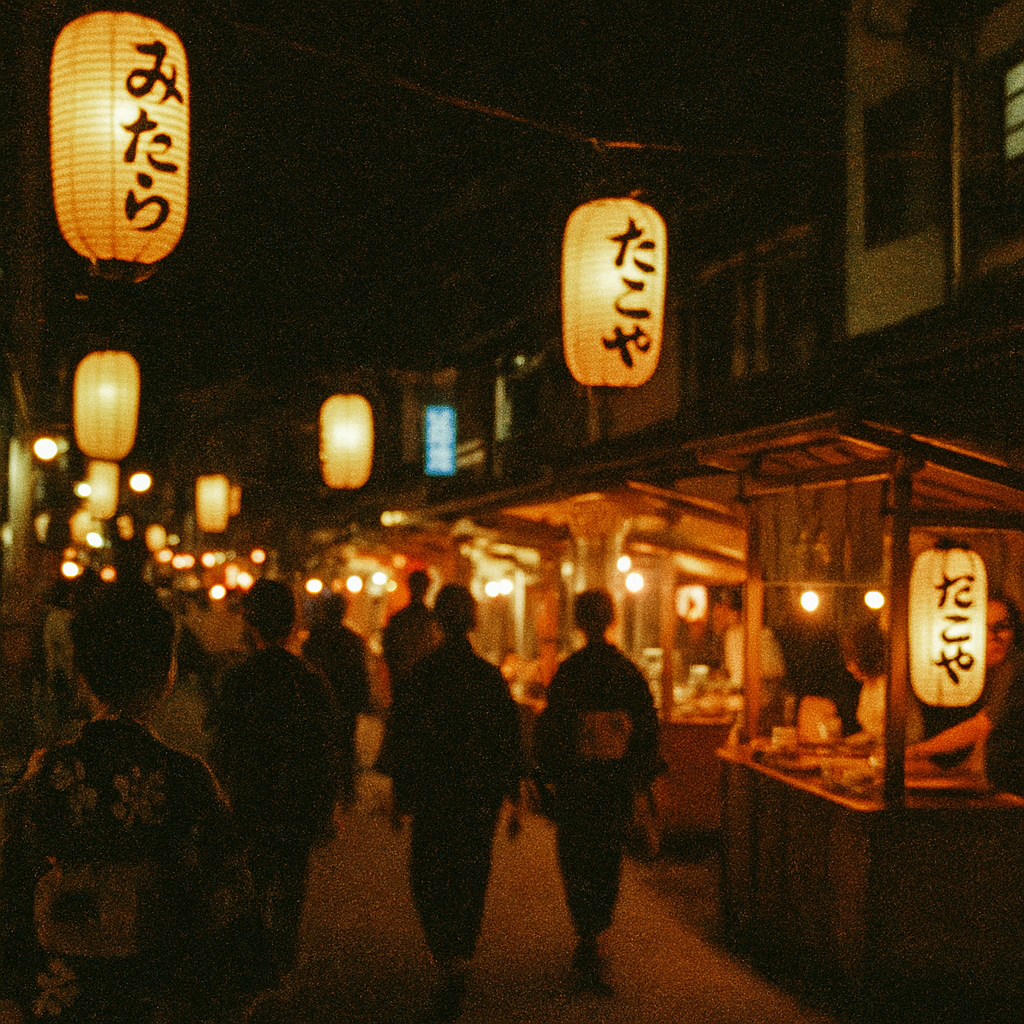
- Street Food Stalls: The festival grounds are lined with yatai (food stalls) offering classic Japanese summer festival fare alongside Aomori regional specialities. Trying local snacks — particularly anything featuring Aomori’s celebrated produce — is an essential part of the visit.
- Evening Illuminations and Processions: As daylight fades, the atmosphere shifts through to something altogether more magical. Decorations glow under evening lighting, and processions of performers in traditional dress bring movement and sound to the festival streets. Arriving early and staying through to the evening gives you the full arc of the festival experience.
Admission & Budget
The Hachinohe Tanabata Festival admission fee and cost is a common question among visitors: the festival is free admission, with no ticket required to enter the main festival streets and enjoy the decorations, atmosphere, and processions. Your main costs will be food and drinks purchased at festival stalls — budget approximately ¥500–¥2,000 per person for snacks, a meal, and a cold drink, depending on appetite. Souvenir shopping in the surrounding arcades is entirely optional but worth budgeting a small amount for, as locally crafted items and Aomori regional goods make excellent travel keepsakes. Overall, the Hachinohe Tanabata Festival represents exceptional value, making it ideal for budget-conscious travellers. Check the official website for current details on any special evening events or performances that may carry separate entry fees.
Practical Tips for Visitors
July in Hachinohe sits firmly in Japan’s summer season, so dress in lightweight, breathable clothing and carry sun protection if you plan to be outdoors before early evening. Comfortable walking shoes are essential — the festival spreads across several blocks of pedestrian space, and you will cover a reasonable distance exploring all the decorated areas. Arrive early in the afternoon to photograph the decorations in good light, then stay through to the evening for the illuminated atmosphere and any processions. The mid-July crowds can be substantial, especially on the Saturday, so arriving on Friday or Sunday morning tends to offer a more relaxed experience. Bring cash for food stalls, as many smaller vendors at Japanese festivals operate on a cash-only basis. Consider learning a few basic Japanese phrases — a simple kirei desu ne (“how beautiful”) to share with locals admiring the decorations goes a long way in fostering warm interactions. For more ideas, browse our guide to Japan travel tips for international visitors.
How to Get There
Hachinohe is located in the southern part of Aomori Prefecture, in the Tohoku region of northern Honshu. For visitors travelling via Hachinohe Tanabata Festival transport access, the city is accessible via the Tohoku Shinkansen bullet train network, placing it roughly three hours departing Tokyo, making a day trip possible though an overnight stay is strongly recommended to experience the full evening atmosphere. Accessible via Hachinohe Station, the central festival area is within comfortable reach of the main station, and local buses and taxis serve the downtown area. If you are combining the festival with wider Aomori Prefecture tourism — the region is rich in summer events and natural scenery — Hachinohe makes an excellent base. Visitors travelling by car will find parking available in central Hachinohe, though spaces fill quickly during the festival period; check the official website for shuttle bus or parking details and any festival-specific transport arrangements. For more Tohoku and northern Japan inspiration, explore Hokkaido events on our regional pages.
Frequently Asked Questions
When exactly is the Hachinohe Tanabata Festival 2026?
The 74th Hachinohe Tanabata Festival 2026 runs on Friday 17 July, Saturday 18 July, and Sunday 19 July 2026. Check the official website at aomori-tourism.com for confirmed daily schedules, opening hours, and any programme changes closer to the event.
Is the Hachinohe Tanabata Festival free to attend?
Yes — the main festival area, street decorations, and general atmosphere are free admission. Food, drinks, and souvenirs at stalls will involve small costs, and any special paid performances or events should be confirmed via the official website before your visit.
Can foreigners attend the Hachinohe Tanabata Festival?
Absolutely. The festival warmly welcomes international visitors, and the visual spectacle of the Tanabata decorations requires no Japanese language ability to enjoy. English-language information may be limited on-site, so downloading a translation app and reviewing the official tourism website in advance is recommended for a smooth visit.
How do I plan a day trip to the Hachinohe Tanabata Festival via Tokyo?
A Hachinohe Tanabata Festival day trip via Tokyo is feasible via the Tohoku Shinkansen, with journey times of approximately three hours each way. However, given travel time and the festival’s extended evening programme, booking a one-night stay in Hachinohe is highly recommended to fully experience both the daytime decorations and the evening illuminations without rushing.
The Hachinohe Tanabata Festival 2026 offers one of Tohoku’s most authentic and visually stunning summer experiences — an event that has captured the spirit of this northern city for over seven decades and continues to inspire all who visit. Add it to your Japan summer itinerary and discover why Hachinohe’s star festival shines so brightly.