Nanrakuen Wind Chime Festival 2026: Guide & Tickets
What is the Nanrakuen All Japan Wind Chime Festival?
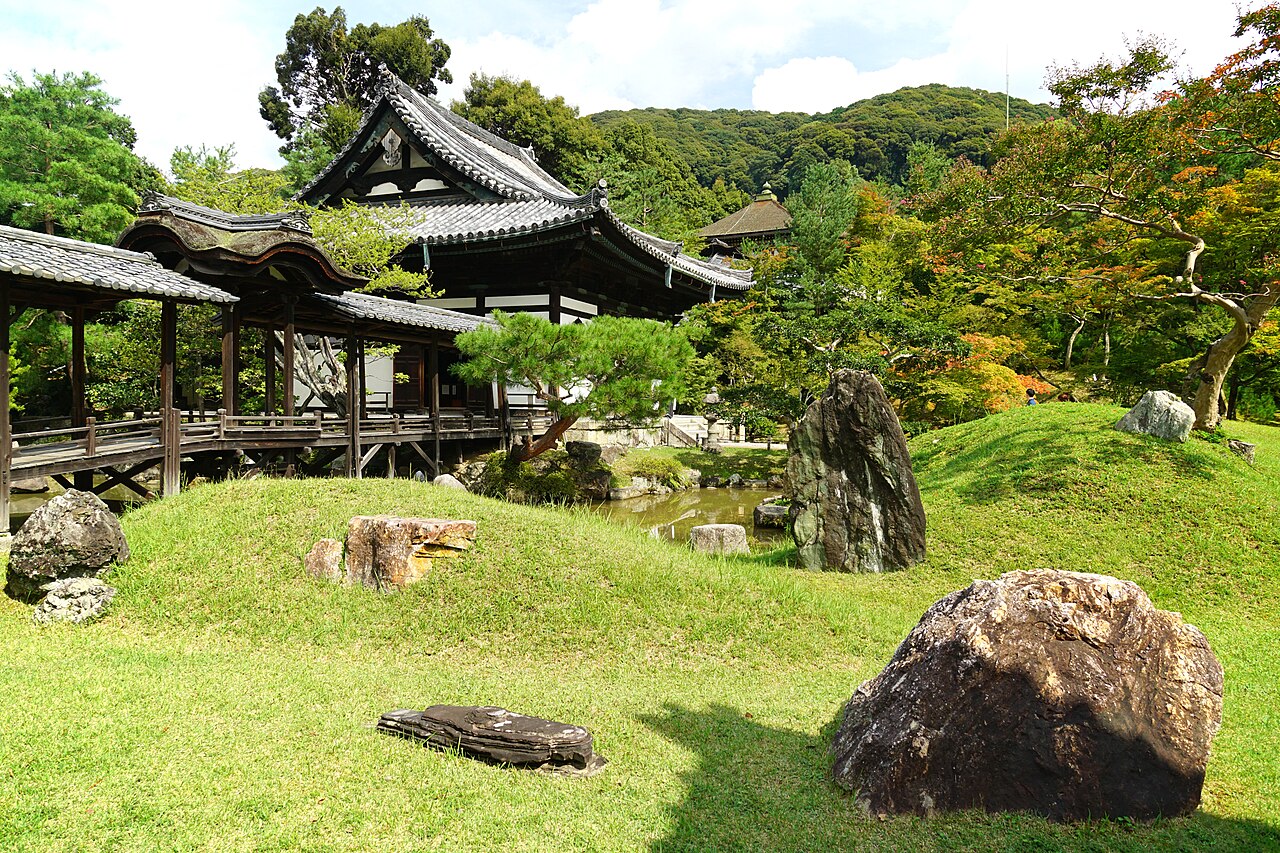
The Nanrakuen All Japan Wind Chime Festival 2026 is one of southwestern Shikoku’s most enchanting summer events, held at Nanrakuen — a celebrated Japanese garden in the Minamiuwa region of Ehime Prefecture. Each year, thousands of wind chimes sourced across Japan and beyond are suspended throughout the garden, transforming its landscapes through to a shimmering, musical sanctuary. The gentle, layered sound of glass, ceramic, and iron chimes swaying in the summer breeze has made this gathering a beloved seasonal ritual, drawing visitors seeking both cultural immersion and sensory delight.
Wind chimes, known in Japanese as fūrin, carry deep cultural resonance in Japan. Their delicate ringing is traditionally associated with cooling relief during the intense summer heat — a psychological trick that has been treasured for centuries. Festivals celebrating fūrin have grown in popularity across the country, and the Nanrakuen All Japan Wind Chime Festival stands out for its sheer scale and the diversity of its exhibits, showcasing regional craft traditions ranging across the entire nation. For international tourists, this is a rare opportunity to appreciate Japanese artisanship in a stunning garden setting, far off the beaten tourist trail.
When and at which to Go
The Nanrakuen All Japan Wind Chime Festival 2026 runs out of 27 June to 23 August 2026 at Nanrakuen garden in the Minamiuwa area of Ehime Prefecture, Shikoku. Minamiuwa is a coastal district in the far south of Ehime, renowned for its unspoiled natural scenery and traditional culture. Specific opening hours for the 2026 festival period have not been confirmed at the time of writing, so visitors should check the official event listing at the source website or contact Nanrakuen directly before planning their trip to ensure they have the most current schedule information.
What to Expect
Stepping through to the festival grounds is an immediately immersive experience. Approximately 4,000 wind chimes are displayed throughout the garden, hanging along walkways, over ponds, and amid carefully manicured greenery. They represent an extraordinary range of styles — handblown glass chimes with painted motifs, rustic iron pieces cast in regional forges, elegant porcelain examples bearing traditional patterns, and colourful contemporary designs. As summer breezes drift through the garden, the overlapping tones create an almost meditative soundscape, reminiscent of a living musical installation. The visual effect — thousands of glinting chimes catching the light — is equally spectacular, and endlessly photogenic.
Organisers have also incorporated summer comfort through to the event experience, with misting stations positioned around the garden to provide cool relief during the height of the Japanese summer. These cooling amenities reflect a genuine consideration for visitor wellbeing, making it feasible to enjoy the festival even on the hottest July and August afternoons. The combination of a traditional Japanese garden, the artistry of fūrin culture, and practical cooling facilities creates a festival atmosphere that is both relaxing and culturally enriching — well suited to travellers browsing Japan festivals of a quieter, more contemplative nature.
Highlights & Must-See Moments
- The Full Wind Chime Display: Walk the full circuit of the garden to take in all 4,000 chimes in their various materials and regional styles — set aside at least an hour to explore at a gentle pace and appreciate the craftsmanship up close.
- Misting Station Breaks: Pause at the cooling misting stations on hot afternoons for a refreshing interlude. These spots are also ideal for photography, as the fine mist creates an atmospheric, dream-inspired quality in images amid the hanging chimes.
- Regional Craft Variety: Seek out chimes representing different prefectures and production traditions spanning the length of Japan. This is a rare chance to compare, side by side, the distinct aesthetics of glass fūrin crafted in Tokyo’s shitamachi tradition, iron-cast pieces typical of Iwate, and the ceramic styles of Arita in Kyushu.
Admission & Budget
Nanrakuen is an admission-charging garden, and the festival is held within its grounds, so an entry fee is expected. However, exact pricing for the 2026 festival period has not been confirmed in available sources. Typical admission fees at comparable Japanese gardens range in the ¥300–¥800 bracket for adults, but visitors should verify current pricing via the official Nanrakuen or Iyokan Net website before visiting. Budget additional funds for on-site refreshments and, if you fall in love with a particular chime, many fūrin festivals offer wind chimes for sale — a wonderful, lightweight souvenir to carry home. Those exploring broader Japan travel itineraries will find this a genuinely affordable day out.
Practical Tips for Visitors
Arriving in the cooler morning hours — before 10 a.m. — is strongly recommended for the best experience at the Nanrakuen All Japan Wind Chime Festival 2026. Midday temperatures in Minamiuwa in July and August regularly exceed 33°C, so lightweight, breathable clothing is essential. Bring a hat, sunscreen, and a small portable fan to stay comfortable. Comfortable walking shoes are advisable, as garden paths can be uneven. Carry cash, as rural Shikoku venues do not always accept international credit cards. English-language information may be limited on-site, so downloading a translation app before arrival is a practical step. Photography is generally welcome at fūrin festivals, but always be mindful of other visitors and avoid using intrusive equipment in quiet areas of the garden.
How to Get There
Minamiuwa sits in the southern tip of Ehime Prefecture on Shikoku island, and reaching it requires advance planning. The most practical approach for travellers arriving via Osaka or other major Honshu cities is to take the Shinkansen or limited express train to Matsuyama — Ehime’s prefectural capital — and then continue south by limited express train along the Yodo Line toward the Uwajima area, followed by local bus or taxi service through to the Minamiuwa district. Journey times are substantial, making an overnight stay in the region highly worthwhile. Specific bus routes and timetables serving Nanrakuen are best confirmed via the official Iyokan Net event page or the Ehime Prefecture tourism portal, both of which offer English-language guidance for international visitors planning Japan events itineraries. Travellers arriving via Tokyo should factor in a full day of travel each way.
The Nanrakuen All Japan Wind Chime Festival 2026 offers something genuinely rare: a peaceful, sensory escape through to Japanese summer culture, far removed at the crowds of major city festivals. Plan your visit early, check the official listings for the latest hours and admission details, and let the music of 4,000 fūrin make this summer unforgettable.