Obi-toki Kodomo Jizo Matsuri 2026 Guide: Tickets & Access
What is Obi-toki Kodomo Jizo Matsuri?
The Obi-toki Kodomo Jizo Matsuri 2026 is one of Nara’s most deeply moving and visually striking traditional festivals, held annually at Obitoki-ji Temple in July. Rooted in centuries of Japanese devotion to Jizo Bosatsu — the beloved bodhisattva regarded as the guardian of children and expectant mothers — this festival draws families, couples, and spiritual seekers together in a shared celebration of new life and maternal wellbeing. The name itself reflects the heart of the ceremony: obi-toki refers to the ritual loosening and offering of the ceremonial sash, or obi, that pregnant women traditionally wear for protection and support. By presenting these belts at the temple, participants place their hopes and prayers in the hands of Jizo, asking for safe and healthy deliveries.
For international visitors, this festival offers a rare window through to one of Japan’s most intimate and human religious traditions. in contrast to the grand spectacles of Nara’s deer parks or the grandeur of Todai-ji Temple, the Obi-toki Kodomo Jizo Matsuri invites you through to a quieter, more personal side of Japanese spiritual life — one centred on family, protection, and gratitude. The combination of a solemn ritual procession featuring red and white ceremonial belts, communal prayers, and the tranquil temple atmosphere makes this a genuinely unforgettable cultural experience. Whether you are curious about Japanese Buddhism, interested in folk traditions, or simply searching for something authentic off the well-worn tourist trail, this festival rewards the effort of attending. For those exploring Japan festivals, this is a hidden gem not to be missed.
Best Time to Visit
The Obi-toki Kodomo Jizo Matsuri 2026 takes place across two days: 23 and 24 July 2026, at Obitoki-ji Temple in the Nara region. July in Nara sits firmly in the heart of Japan’s summer season, bringing warm, humid days typical of the Kansai region — so plan your visit accordingly. The festival spans both days, with the main procession and ritual prayers expected to form the centrepiece of the programme. Check the official website at narashikanko.or.jp for confirmed opening hours, the daily schedule, and any updates to timing before you travel.
What to Expect
Arriving at Obitoki-ji Temple during the festival, visitors are greeted by an atmosphere that blends quiet reverence with communal warmth. The centrepiece of the event is a formal procession in which red and white ceremonial obi belts are carried or displayed with great care, symbolising the prayers of expectant mothers and their families. These two colours carry deep significance in Japanese ritual tradition: red representing vitality, life force, and protection against misfortune, while white signifies purity and sincerity. Watching the procession move through the temple grounds is a genuinely moving experience — even for visitors unfamiliar with the religious context, the dignity and care with which participants carry out these rituals communicates something universal about hope and the protection of new life.
Following the procession, ritual prayers are conducted by the temple’s priests, creating a contemplative and respectful atmosphere throughout the grounds. Visitors can observe the ceremonies, explore the temple architecture, and take in the serene surroundings. It is common at Japanese festivals of this type to find small stalls or temple offerings nearby, and the presence of local families adds to the warm, community-driven feeling of the day. Photography is generally welcome in outdoor areas, though it is always polite to refrain during active prayer rituals unless you receive a clear indication that it is appropriate. The festival carries a gentle pace, encouraging visitors to linger, reflect, and absorb the atmosphere at their own speed.
Highlights & Must-See Moments
- The Ceremonial Belt Procession: The defining spectacle of the festival — a carefully arranged procession displaying red and white obi belts offered by worshippers. This ritual is visually striking and deeply symbolic, making it the single most photographed and emotionally resonant moment of the two-day event.
- Ritual Prayers for Safe Childbirth: Presided over by temple priests, these formal prayers form the spiritual core of the Obi-toki Kodomo Jizo Matsuri. Witnessing this ceremony provides an authentic glimpse through to living Japanese Buddhist practice, with chanting, incense, and offerings creating a genuinely atmospheric setting.
- Jizo Statue Veneration: Obitoki-ji Temple’s Jizo figures are central to the entire festival. Taking time to observe the various Jizo statues on the temple grounds — often adorned with red bibs and surrounded by offerings — gives powerful context to the festival’s meaning and Japan’s enduring relationship with this compassionate deity.
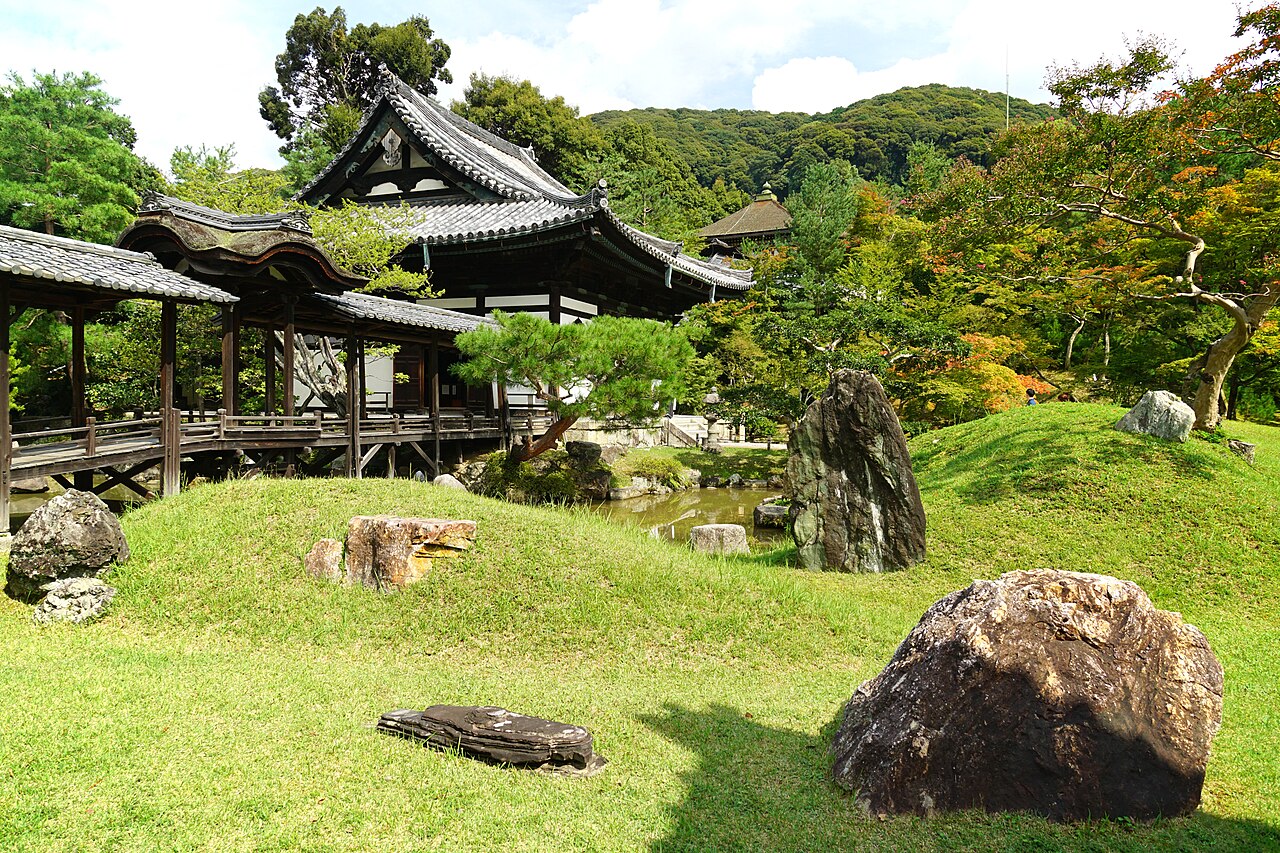
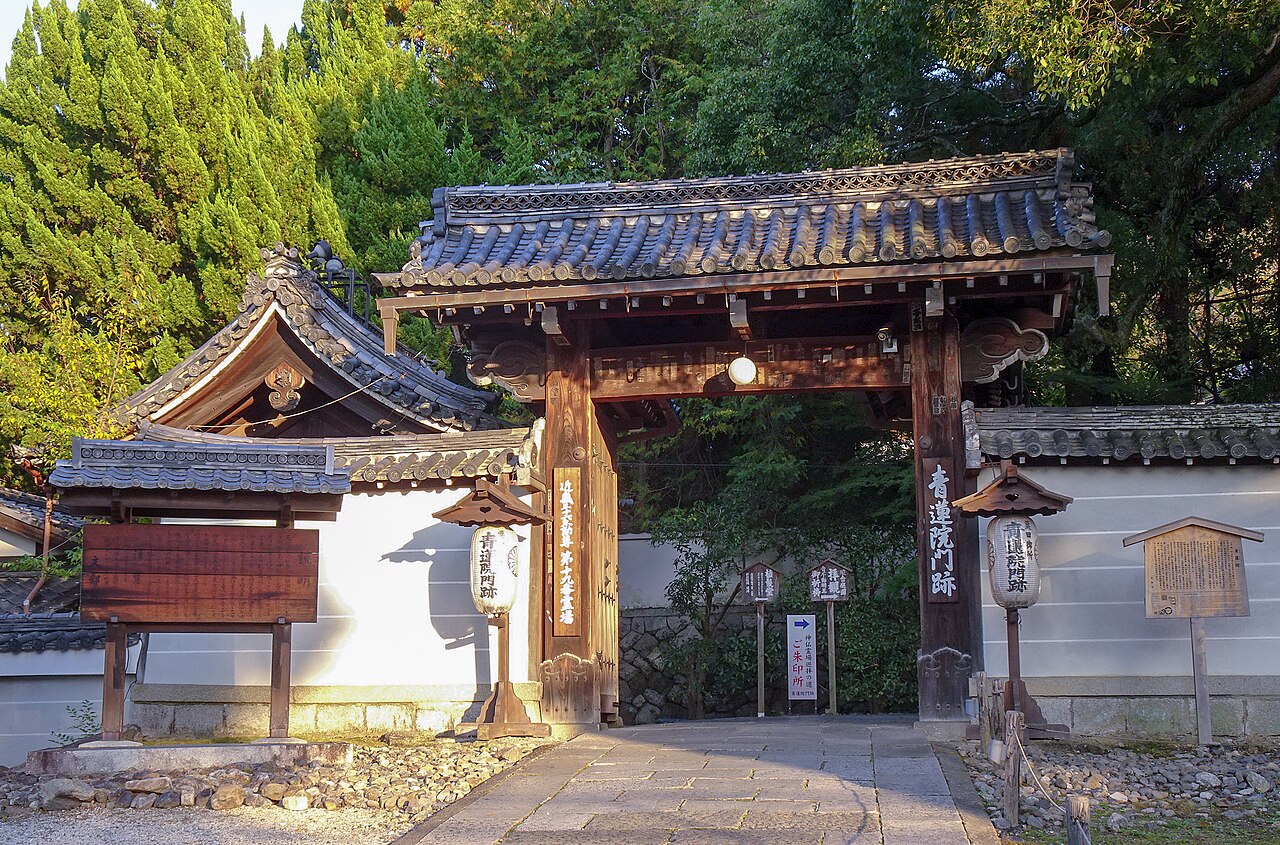
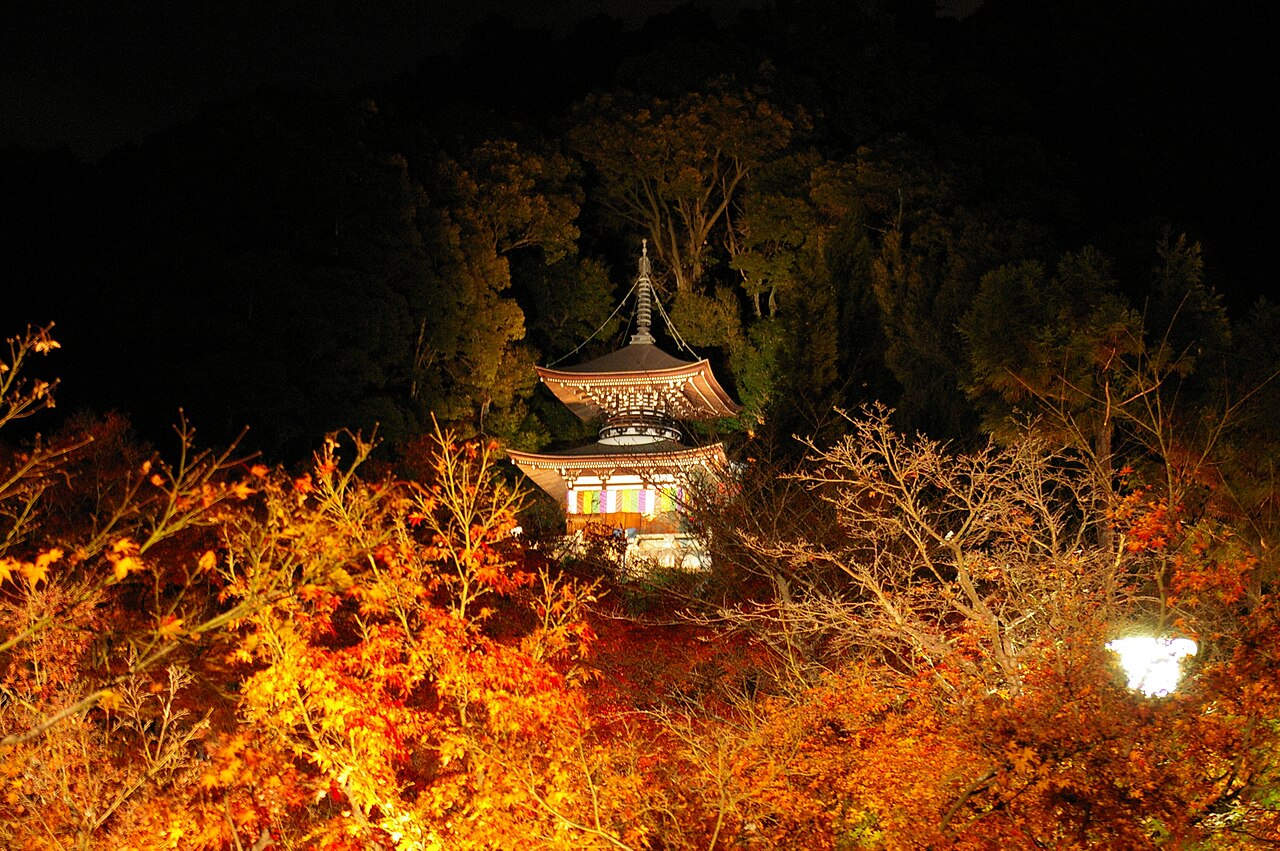
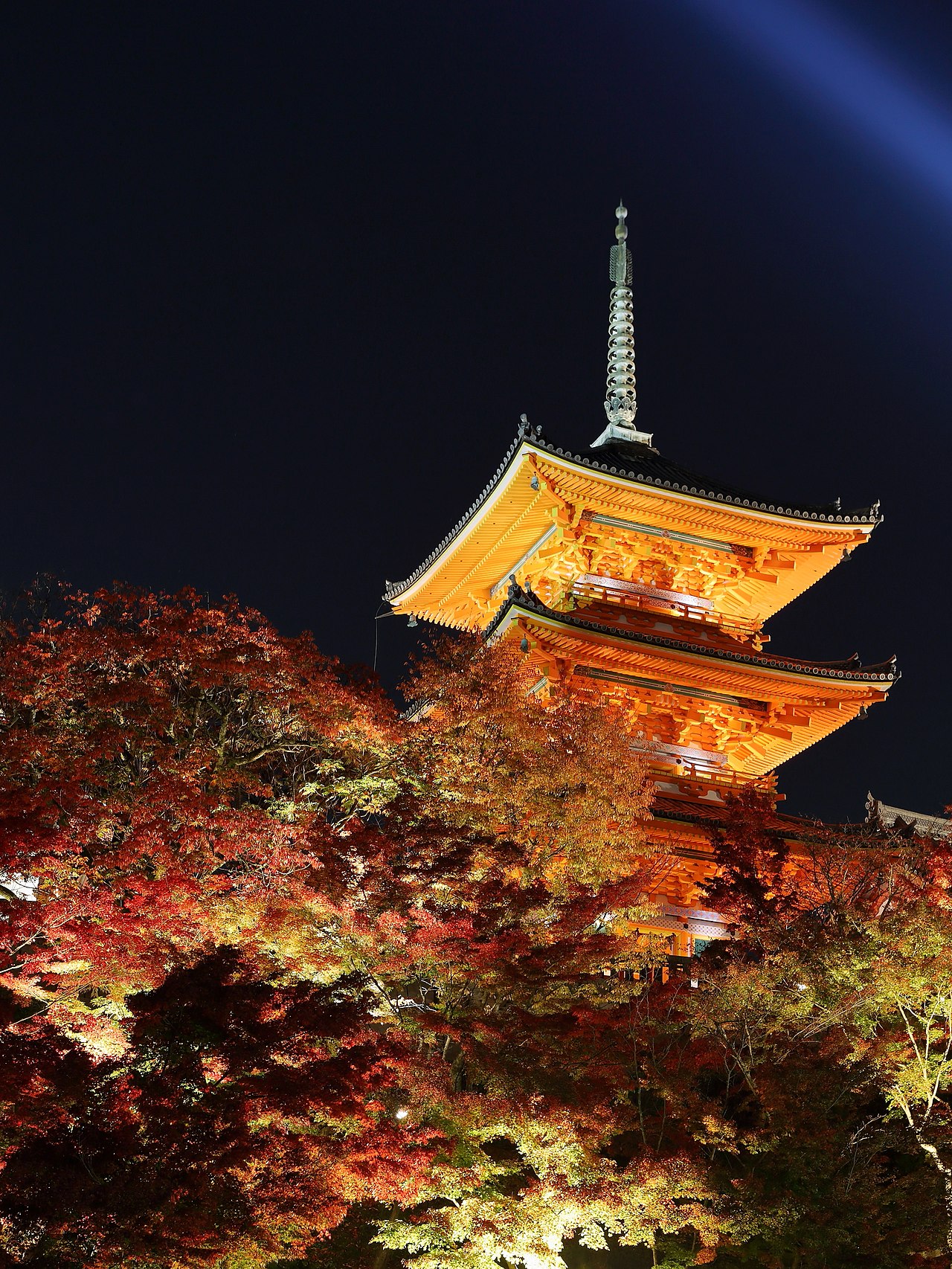
- Temple Atmosphere and Architecture: Beyond the ceremonies themselves, the temple grounds offer a peaceful retreat. Traditional Japanese temple architecture, garden elements, and the quiet forested surroundings typical of Nara’s sacred sites make for a rewarding visit at any time of day.
Admission & Budget
Admission: Check the official website for current pricing. Many traditional Jizo matsuri events of this nature in Nara are accessible without a general entry fee, though specific ceremonies, ritual offerings, or special memorial services may carry a small donation or participation cost. Budget for transport to and around Nara, as well as any food or drink purchased at festival stalls or nearby restaurants. If you are combining this visit with broader sightseeing in Nara, a day’s travel and meals can typically be managed comfortably on a moderate budget. Check the official website at narashikanko.or.jp for the latest information on any admission charges or participation fees ahead of your visit.
Practical Tips for Visitors
Attending the Obi-toki Kodomo Jizo Matsuri as a first-time visitor is straightforward with a little preparation. Dress modestly and respectfully, as you are visiting an active place of worship; lightweight, breathable clothing is essential given Nara’s July heat, but avoid overly casual attire such as beachwear. Arrive early on both festival days to secure a good viewing position for the procession before crowds gather — mornings tend to be cooler and less congested. Carry cash, as small temple stalls and rural venues in Japan often do not accept card payments. Bring a reusable water bottle and sun protection, including a hat and sunscreen, to stay comfortable during outdoor portions of the event. If you are travelling with children, the family-oriented nature of this festival makes it a welcoming environment, though you should keep noise levels low during active prayer ceremonies out of respect for worshippers. A small amount of Japanese will go a long way — even a polite arigatou gozaimasu is warmly appreciated by temple staff and participants.
How to Get There
Obitoki-ji Temple is located in the Nara region of Japan’s Kansai area, making it accessible via the major transport hubs of Nara City, Osaka, and Kyoto. Nara City is the closest major urban base, sitting approximately 45 minutes by train departing Osaka and around 35 minutes departing Kyoto. Accessible via Nara Station — check current train services and timetables before travel, as line options vary. Once in Nara City, access to Obitoki-ji Temple will depend on the temple’s precise location within the wider Nara prefecture; check the official website at narashikanko.or.jp for specific directions, shuttle bus details, and any parking guidance for those arriving by car. Visitors travelling by car via Osaka or Kyoto will find Nara well-connected by expressway, and rental cars offer flexibility for reaching more rural temple sites. Allow extra travel time on festival days, as local traffic around popular Nara destinations can increase significantly in July. For more events across the region, explore our guide to Japan travel and Japan events.
Frequently Asked Questions
When exactly does the Obi-toki Kodomo Jizo Matsuri 2026 take place?
The festival runs on 23 and 24 July 2026 at Obitoki-ji Temple in the Nara region. Check the official website for confirmed daily start times and the full programme schedule before you travel.
Is the Obi-toki Kodomo Jizo Matsuri free to attend?
Admission: Check the official website for current pricing. General access to the festival grounds at many Nara temple events is free or involves only a small voluntary offering, but specific ritual participations may carry a fee. Confirm the latest details via narashikanko.or.jp.
Can foreigners attend the Obi-toki Kodomo Jizo Matsuri?
Yes — international visitors are warmly welcome at the festival. While the ceremonies are conducted in Japanese, the visual and ceremonial elements of the procession and prayers are accessible and meaningful regardless of language background. Respectful behaviour and an interest in Japanese culture are all you need to enjoy the experience fully.
What should I bring to the Obi-toki Kodomo Jizo Matsuri?
Bring cash for any purchases at stalls or for making a small offering at the temple, a water bottle, sun protection (hat, sunscreen) while comfortable footwear suitable for walking on temple grounds. Lightweight, modest clothing is strongly recommended given both the July heat and the respectful atmosphere of an active religious site.
The Obi-toki Kodomo Jizo Matsuri 2026 is a genuinely rare opportunity to witness one of Japan’s most heartfelt and culturally rich local traditions in the beautiful surroundings of Nara — make it a centrepiece of your summer itinerary and you will leave with memories that no standard sightseeing itinerary can match.