Nihondaira Festival 2026: 10,000 Fireworks Guide
What is the Nihondaira Festival?
The Nihondaira Festival is one of Shizuoka Prefecture’s most celebrated summer events, drawing visitors each year to witness a spectacular evening of professional fireworks set against one of Japan’s most admired natural backdrops. Now in its 41st year, this long-running festival has earned a loyal following among both local residents and international tourists who come to experience the magic of a Japanese summer night illuminated by thousands of bursting shells overhead. The Nihondaira Festival 2026 fireworks display is crafted by Ikebun, an award-winning fireworks company with a reputation for elevating the traditional hanabi experience through to something genuinely theatrical and emotionally resonant.
Summer fireworks festivals — known in Japanese as hanabi taikai — are a cornerstone of Japanese seasonal culture, and events crafted by elite pyrotechnic companies carry a prestige all their own. What sets this festival apart is the immersive musical dimension: the fireworks are choreographed to accompany a specially designed soundtrack, transforming each launch sequence through to something closer to a live performance than a conventional display. For international visitors exploring Japan festivals, the Nihondaira event offers an authentic, emotionally charged summer experience that goes far beyond the typical tourist itinerary.
Best Time to Visit
The 41st Nihondaira Festival takes place on Wednesday, 22 July 2026 — a single-night event, meaning there is no alternative date if you miss it. The festival is held in the Nihondaira area of Shizuoka, a plateau celebrated throughout Japan for its panoramic views. As with most Japanese hanabi festivals, the fireworks launch after dark, so the main spectacle unfolds during the evening hours. Check the official website at visit-shizuoka.com for confirmed gate-opening times, the exact display start time, and any updates about venue access closer to the date.
What to Expect
The headline attraction at the Nihondaira Festival 2026 fireworks is a display of approximately 10,000 fireworks, launched in sequences choreographed to music by the renowned Ikebun company. Rather than a simple succession of shells, the show is structured as a unified sensory experience — rhythm, colour, and altitude all vary deliberately to match the soundtrack, creating moments that feel orchestrated and intentional rather than random. Expect enormous starmine bursts, low-breaking chrysanthemum shells that seem to bloom directly overhead, and dramatic finale volleys that light the entire sky. The musical pairing amplifies every visual moment, and many attendees find the combination genuinely moving.
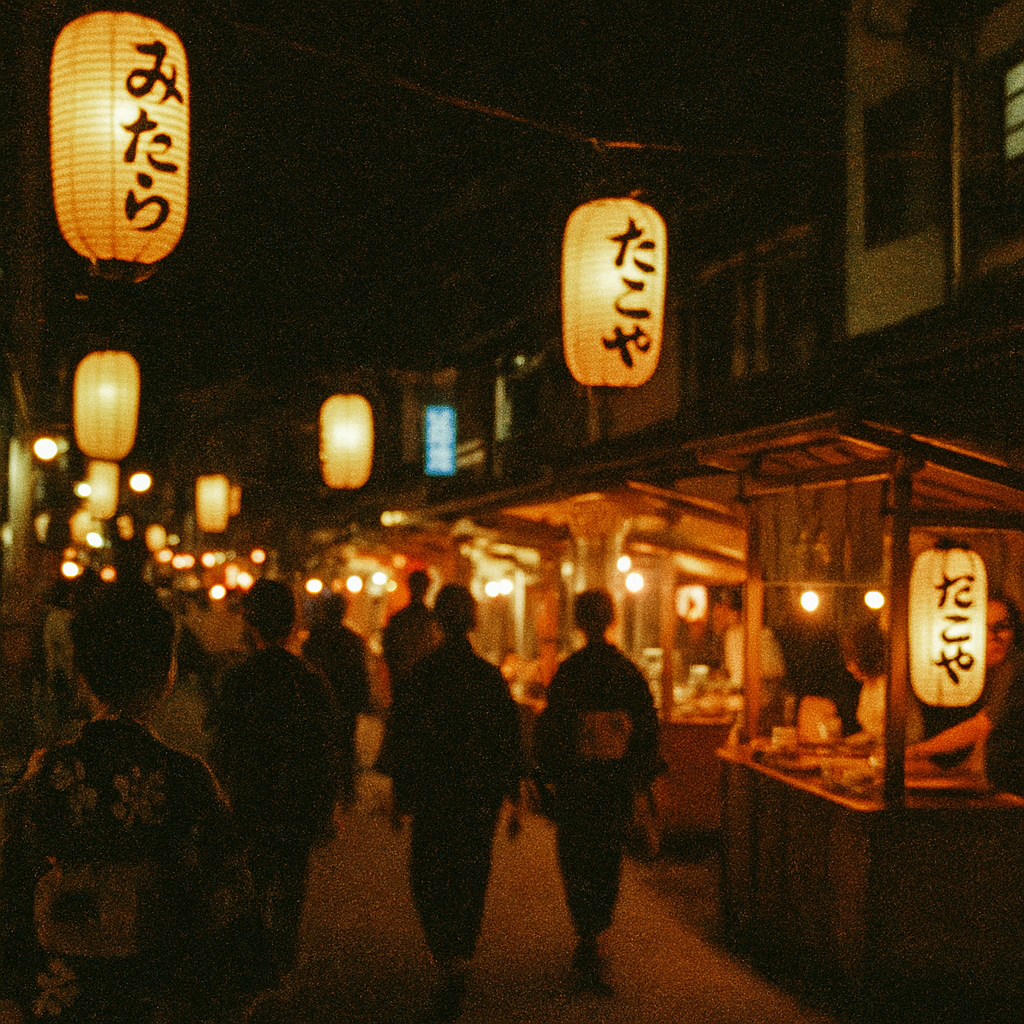
Beyond the main display, summer fireworks festivals in Japan are rich social occasions. Vendors line the approach to the viewing area selling classic festival foods such as yakitori, takoyaki, kakigori (shaved ice) while chilled drinks — all well-suited to a warm July evening. Many visitors arrive dressed in yukata, the lightweight summer kimono, which adds to the festive atmosphere and makes for excellent photographs. The crowd is typically a mix of families, couples, and groups of friends, and the shared anticipation before the first shell launches creates an energy that is genuinely unique to Japanese summer nights.
Highlights & Must-See Moments
- The musical fireworks programme by Ikebun: The award-winning pyrotechnic company’s signature style blends precision timing with artistic ambition. Watch for the moments at which the music swells and the sky responds with coordinated colour — these synchronised sequences are the emotional heart of the entire show.
- The panoramic Nihondaira backdrop: Shizuoka’s Nihondaira plateau is regarded as one of Japan’s finest scenic viewpoints, and having 10,000 fireworks explode against this celebrated night scenery is a combination you will not find at any other festival. On a clear July night, the visual impact is extraordinary.
- The grand finale volleys: Japanese hanabi professionals traditionally save the most powerful sequences for the close of the show. At the Nihondaira Festival, the finale typically involves rapid-fire launches at high volume, filling the entire sky with colour and sound in a crescendo that leaves the crowd breathless.
- Festival food stalls and yukata atmosphere: Arriving early to explore the food vendors is a festival ritual in itself. Sampling street food while the sky darkens and the crowd gathers is an essential part of how to visit Nihondaira Festival as a tourist in 2026 — do not rush straight to your viewing spot without enjoying the pre-show atmosphere.
Admission & Budget
Admission: Check the official website for current pricing. Japanese fireworks festivals sometimes offer a combination of free public viewing areas alongside ticketed premium seating zones, and the Nihondaira Festival may follow a similar structure — but confirmed pricing for 2026 has not yet been published. For the Nihondaira Festival admission fee and cost guide, visit-shizuoka.com is the authoritative source. Outside of admission, budget roughly ¥500–¥1,500 per person for festival food stalls, depending on how many dishes you sample. If you plan to purchase a yukata or any festival souvenirs, allow additional spending money. Bringing cash is strongly recommended, as many outdoor food vendors at Japanese festivals do not accept card payments.
Practical Tips for Visitors
For Nihondaira Festival tips for first time visitors, preparation is everything. July in Shizuoka is hot and humid, so wear lightweight, breathable clothing — or embrace the occasion fully and rent or purchase a yukata for the evening. Bring a compact folding fan, insect repellent, and a small towel for perspiration. Arrive well ahead of the display start time to secure a good viewing position; popular festivals in Japan fill up quickly, and latecomers often find the prime spots already occupied. Carry sufficient cash, a portable phone charger, and a light rain layer in case of sudden summer showers. Crowds disperse rapidly after the finale, so prepare for busy exits — staying calm, following crowd-management guidance staff, and waiting briefly before leaving can make the departure considerably smoother. Nihondaira Festival crowd avoidance is largely a matter of patience: arriving early and leaving slightly after the initial rush subsides makes a significant difference.
How to Get There
The Nihondaira Festival is held in Shizuoka Prefecture, on the Pacific coast of central Honshu. For visitors planning a Nihondaira Festival day trip via Tokyo or Osaka, Shizuoka city is well-positioned amid both: it sits roughly 60–90 minutes via shinkansen departing Tokyo, and approximately 60–80 minutes via shinkansen departing Nagoya, making it accessible as an extended day trip or a short overnight stay. Accessible via Shizuoka Station — check the official website for shuttle bus routes, local transport options heading up toward Nihondaira, and parking details for those travelling by car. For Nihondaira Festival access via train Shizuoka, confirm current local services at visit-shizuoka.com, as connections to the plateau area may involve a combination of train and bus. Visitors travelling as part of a broader Japan travel itinerary will find Shizuoka a natural stop along the Tokaido corridor. If you are travelling by car, check the official website for designated parking areas, as access roads near festival venues can become congested on event nights.
Frequently Asked Questions
When exactly is the Nihondaira Festival in 2026?
The 41st Nihondaira Festival takes place on Wednesday, 22 July 2026. It is a single-night event, so there is no rain date or alternative evening. Check the official website at visit-shizuoka.com for any schedule changes or cancellation notices closer to the date.
Can foreigners attend the Nihondaira Festival 2026?
Absolutely — the Nihondaira Festival is open to all visitors, and international tourists are warmly welcomed. Japanese fireworks festivals are visually and musically accessible regardless of language, making them ideal events for overseas guests. For this Nihondaira Festival for foreigners English guide, the key preparation steps are checking the official website for ticketing, planning your transport in advance, and arriving early.
How much does it cost to attend?
For the Nihondaira Festival admission fee and cost guide, check the official website for current pricing, as 2026 ticket details had not yet been confirmed at the time of writing. Set aside ¥500–¥1,500 for festival food stalls, and bring cash for any on-site purchases.
What should I bring to the Nihondaira Festival?
For the Nihondaira Festival 10,000 fireworks, what to bring includes: cash, a portable phone charger, lightweight clothing or a yukata, a folding fan, insect repellent, a small towel, and a compact rain layer. Arriving early with these essentials covered will allow you to relax and enjoy the full experience without distraction.
The Nihondaira Festival 2026 fireworks represent one of the finest single-night summer spectacles in any location in Japan — a masterfully produced, musically immersive display set against a naturally stunning landscape. Whether you are visiting as part of a broader Shizuoka itinerary or making a dedicated trip, this is an evening well worth planning around. Explore more events across the country via our guide to Japan events.