Masuo Summer Festival 2026: Guide, Tickets & Travel
What is the Masuo Summer Festival?
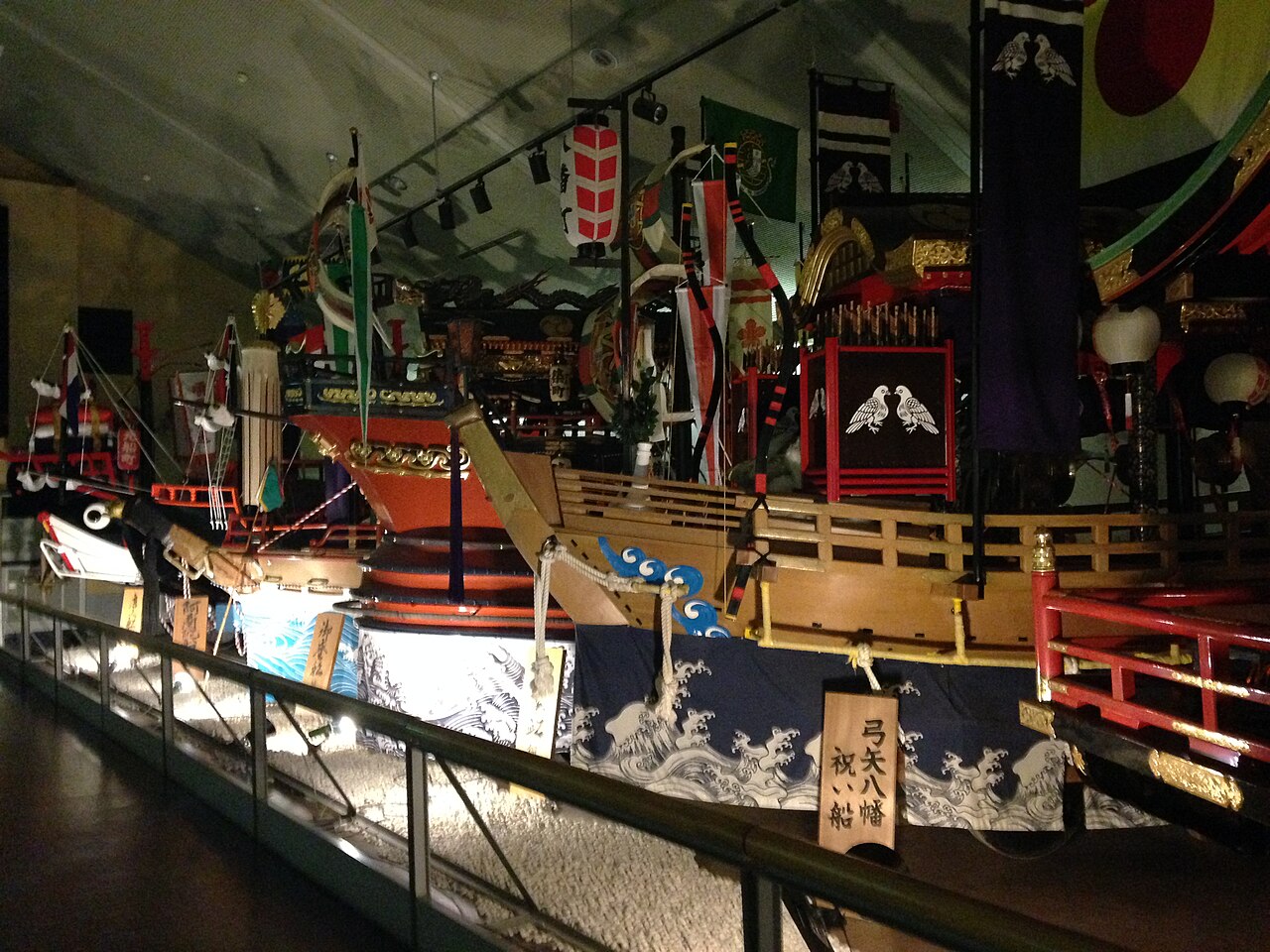
The Masuo Summer Festival 2026 is a vibrant celebration of local heritage held in the Masuo area of Hakusan, Ishikawa Prefecture — a region long celebrated for its deep cultural roots, stunning mountain landscapes, and strong sense of community tradition. Each summer, residents and visitors equally gather to honour the history of this corner of Japan through music, dance, ritual processions, and seasonal food stalls that bring the neighbourhood to life over two colourful evenings. Festivals of this kind form the beating heart of rural Japanese culture, offering an intimate, genuinely local atmosphere that large-scale urban events rarely replicate.
For international tourists, the Masuo Summer Festival is an outstanding opportunity to experience Japan’s matsuri culture away the tourist crowds of major cities. Matsuri festivals have been observed across Japan for centuries, often tied to agricultural cycles, Shintō traditions, or the commemoration of historical events significant to a specific community. The Masuo festival follows this honoured tradition, celebrating the stories, beliefs, and seasonal rhythms that have shaped this Hakusan community across generations. If you’re planning a trip to the Chubu or Hokuriku region and want an authentic cultural encounter, this is one of the Japan festivals firmly worth adding to your itinerary.
Best Time to Visit
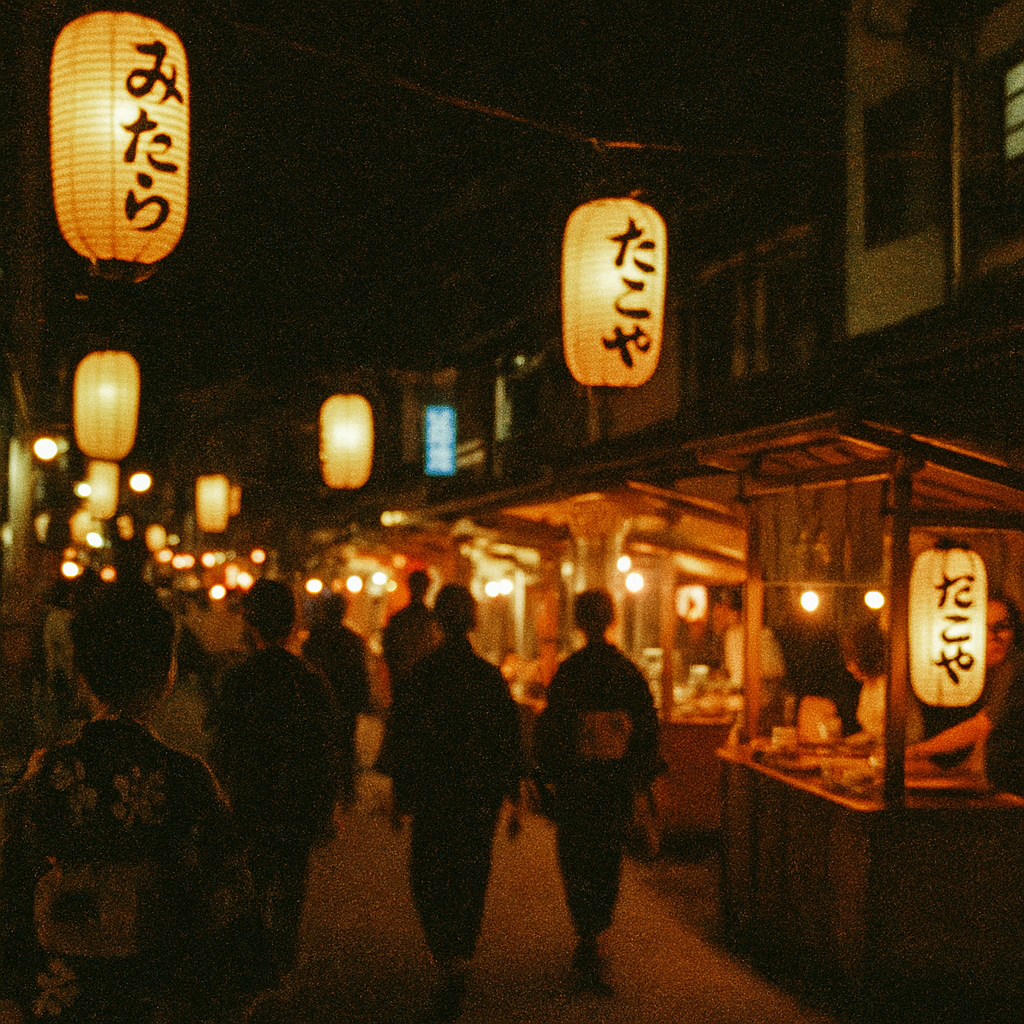
The Masuo Summer Festival 2026 runs across two days — Saturday, 18 July and Sunday, 19 July 2026 — placing it squarely in the heart of Japan’s summer festival season, a time when yukata-clad attendees and lantern-lit streets create some of the country’s most memorable travel experiences. Summer evenings in the Hakusan area tend to be warm and humid, so the festival atmosphere typically peaks as the afternoon cools through to dusk, with lighting and performances becoming increasingly atmospheric after dark. Check the official website at https://www.tif.ne.jp/jp/entry/?type=event for confirmed opening hours, specific venue details, and any schedule updates closer to the event date.
What to Expect
Attending the Masuo Summer Festival means immersing yourself in a programme of traditional Japanese summer celebration. Expect colourful street processions, taiko drumming performances, and folk dance displays that reflect the cultural identity of the Masuo community. Food and drink stalls — known as yatai — typically line the festival area, offering seasonal favourites such as grilled corn, takoyaki (octopus balls), yakisoba noodles, shaved ice (kakigori) while chilled ramune soda. The relaxed, community-centred pace of a rural matsuri is one of its greatest charms, giving visitors space to wander, watch, taste, and engage at their own rhythm.
The festival’s two-day format often means that programming shifts slightly amid the evenings, with the second day sometimes featuring a more elaborate closing ceremony or a fireworks display (hanabi). Communal bon odori dancing is a staple of summer festivals across Japan, and visitors — including first-timers and those attending as tourists — are warmly welcomed to join in. Even a basic understanding of Japanese is not required to enjoy the atmosphere, as the spirit of a matsuri communicates across all language barriers. This is genuinely one of the most accessible and rewarding cultural formats Japan offers, particularly for those visiting rural communities off the standard tourist trail.
Highlights & Must-See Moments
- Traditional Processions: Watch local participants in historical costume or ceremonial dress move through the festival grounds, honouring the area’s heritage in a display that connects present-day Masuo to its ancestral past.
- Taiko Drumming Performances: The thunderous energy of live taiko performances is one of the most electrifying parts of any Japanese summer festival — arrive early to secure a good viewing position near the main stage area.
- Bon Odori Dancing: Join the circular folk dance that has been performed at Japanese summer festivals for centuries. Movements are slow, repetitive, and welcoming — no experience needed, and locals are always happy to guide newcomers through the steps.
- Yatai Street Food Trail: Graze your way along the food stall corridor, sampling regional and seasonal specialities. This is often the most sociable and flavourful part of any matsuri experience, and a wonderful way to interact with local vendors and families.
Admission & Budget
Free admission. Community festivals of the Masuo Summer Festival’s scale are traditionally open to the public at no entry cost, in keeping with the inclusive spirit of Japanese matsuri culture. Your main expenditure will be at the food and drink stalls, at which individual items typically cost a modest amount per serving — budgeting around ¥1,000–¥2,000 per person for snacks, drinks, and perhaps a festival souvenir or two is a reasonable approach. Some festivals also feature games stalls or craft vendors. Check the official website for current details on any specific ticketed events or seated performances that may form part of the 2026 programme.
Practical Tips for Visitors
Wearing a yukata — the lightweight summer kimono widely associated with matsuri attendance — is entirely optional for tourists but makes for a wonderful cultural experience if you have access to one via a rental service in Kanazawa or another nearby city. Otherwise, dress in light, breathable clothing suitable for warm summer evenings, and bring a small hand towel and a folding fan to manage the July heat. Arrive at least thirty minutes ahead of the main evening programme to find your bearings and claim a comfortable viewing spot. Cash is recommended, as many yatai stalls operate without card payment facilities. Insect repellent can be useful for outdoor summer events in the Hakusan mountain region, and carrying a compact umbrella is sensible given Japan’s unpredictable July weather. Respectful behaviour — keeping noise low near shrine areas, disposing of waste in designated bins, and following any local signage — ensures a positive experience for everyone present.
How to Get There
The Masuo Summer Festival takes place in the Hakusan area of Ishikawa Prefecture, in the Hokuriku region of central Honshu. The most practical major city access point is Kanazawa, one of Japan’s most celebrated cultural cities and a well-connected hub for the wider Ishikawa Prefecture area. Kanazawa is accessible via the Hokuriku Shinkansen bullet train, reaching it in approximately two and a half hours departing Tokyo, or roughly one hour and forty minutes departing Nagoya by limited express. Via Shinkansen and local connections, the journey suits visitors arriving out of either the Kanto or Kansai regions. Accessible via Kanazawa Station — check the official website and current local transport services for the most accurate route through to the Hakusan area, as rural festival venues often require a bus connection or a short car journey beyond the main rail corridor. Visitors with a rental car will find the Hakusan region straightforward to navigate via national routes, and parking is often available at or near rural festival sites. Check the official website for confirmed parking and shuttle bus details for the 2026 event. Explore more Japan travel tips to plan your wider Hokuriku itinerary.
Frequently Asked Questions
When exactly does the Masuo Summer Festival 2026 take place?
The Masuo Summer Festival 2026 is scheduled across two days: Saturday, 18 July and Sunday, 19 July 2026. Check the official website for confirmed daily opening hours and any programme changes closer to the event.
Is the Masuo Summer Festival free to attend?
Yes — free admission applies to this community festival, in keeping with traditional Japanese matsuri practice. Food, drinks, and optional souvenirs will be your primary on-site expenses.
Can foreigners attend the Masuo Summer Festival?
Absolutely. Japanese summer festivals are open and welcoming to all visitors regardless of nationality or language ability. The sensory and cultural experience of a matsuri communicates universally, and locals in smaller communities are often delighted to welcome international guests. English-language information at the venue may be limited, so reviewing the Masuo Summer Festival English guide availability via the official website ahead of your visit is advisable.
How do I get to the Masuo Summer Festival via train?
Masuo Summer Festival access via train in Hakusan is best planned via Kanazawa as your main arrival point, which is served by the Hokuriku Shinkansen. Accessible via Kanazawa Station, you will then need a local bus or taxi to reach the Hakusan area. Check the official website and local transport services for the most current route guidance and any festival-period shuttle services.
The Masuo Summer Festival 2026 is a genuine and unhurried celebration of Japanese community culture — the kind of local matsuri experience that many tourists travel the length of Japan hoping to find. Whether you’re making it the centrepiece of a Hokuriku adventure or weaving it through to a broader Ishikawa itinerary alongside Japan events in Kanazawa, these two July evenings in Hakusan promise colour, warmth, and memories that endure long after the lanterns go out.