Ishizuchi Mountain Opening Festival 2026: Guide & Tickets
What is the Ishizuchi Mountain Opening Festival?
The Ishizuchi Mountain Opening Festival 2026 is one of Shikoku’s most spiritually charged and visually dramatic annual events, drawing pilgrims, hikers, and curious travellers equally to the slopes of Mount Ishizuchi — the highest peak in western Japan. Rooted in ancient Shintō tradition, the festival is organised by Ishizuchi Shrine and marks the official opening of the sacred mountain for the summer climbing season, a ritual that has been observed for well over a thousand years. The mountain is revered as a divine dwelling, and this ceremony transforms a rugged alpine ascent through to a profound act of devotion.
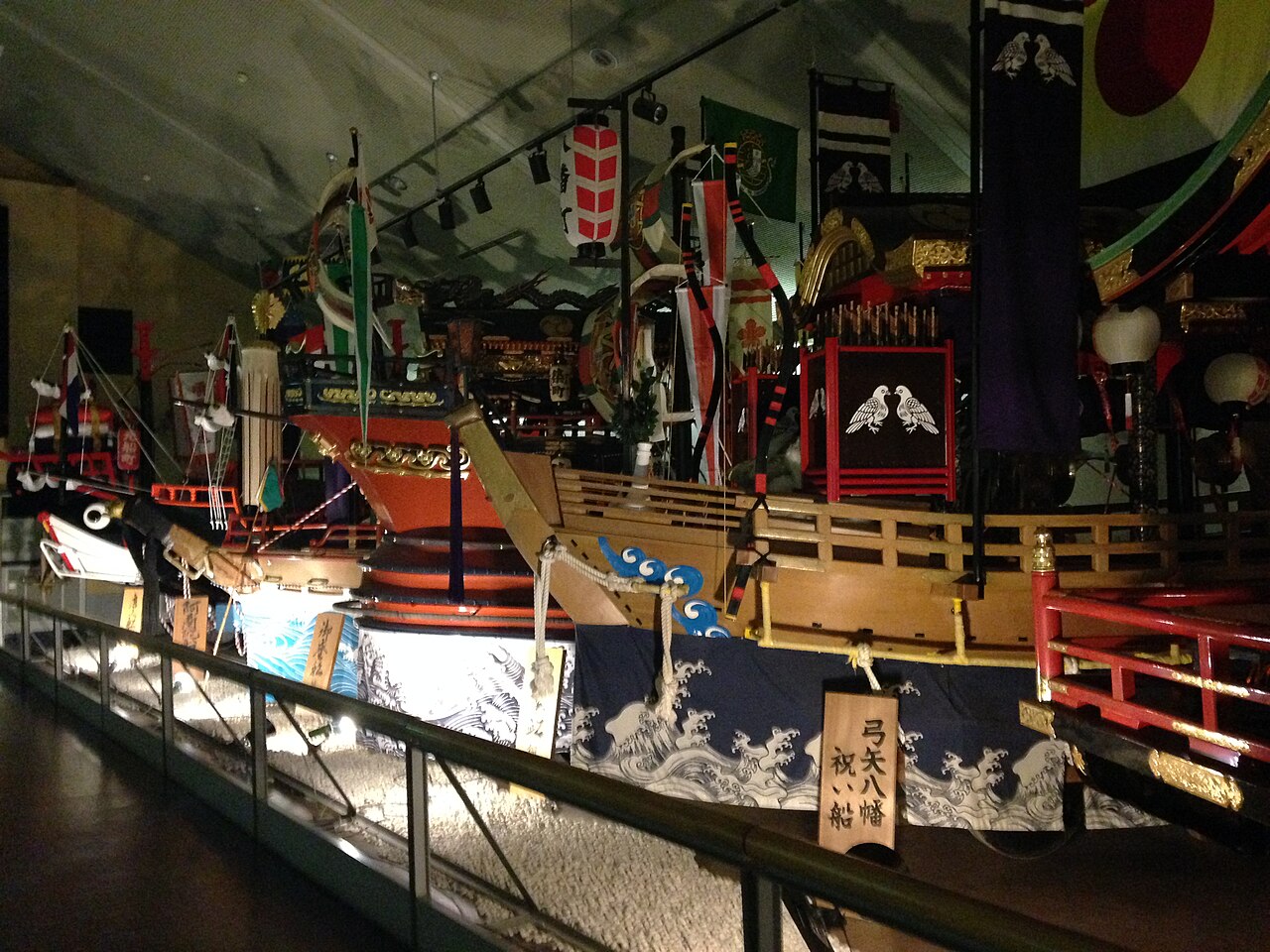
What makes this festival genuinely extraordinary — and increasingly popular among international visitors — is the centrepiece ritual: Shintō priests carry portable mikoshi (portable shrines) housing sacred deity statues in a race up the mountain in the early hours of the morning. The combination of misty mountain air, flickering torchlight, chanting priests, and the raw power of the landscape creates an atmosphere in contrast to anything else on the Japan festivals calendar. For those interested in living religious tradition rather than staged spectacle, this is an unmissable encounter with authentic Japanese spiritual culture.
When and at which to Go
The Ishizuchi Mountain Opening Festival 2026 runs for ten days, spanning 1 July to 10 July 2026, with the most sacred and dramatic ceremonies taking place in the early morning hours of the opening days. The festival is centred on Ishizuchi Shrine, located in the Saijo area of Ehime Prefecture on the island of Shikoku. The mountain itself has multiple approach routes and shrine complexes at various elevations, so check the official Ishizuchi Shrine website or the Ehime tourism portal (iyokannet.jp) for precise ceremony timings, access points, and any updated schedules before you travel.
What to Expect
Arriving in the pre-dawn darkness is part of the experience. As the festival’s most sacred rituals unfold in the early morning, the atmosphere on the mountain is dense with incense, rhythmic prayer, and the sound of conch shell horns echoing off ancient cedar trees. Watching robed priests — some moving with remarkable speed despite their ceremonial dress and the weight of sacred objects — make their way up steep mountain paths is both humbling and exhilarating. Fellow participants range in age considerably, and you will find elderly pilgrims in white robes ascending alongside younger hikers, all united by reverence for the mountain deity.
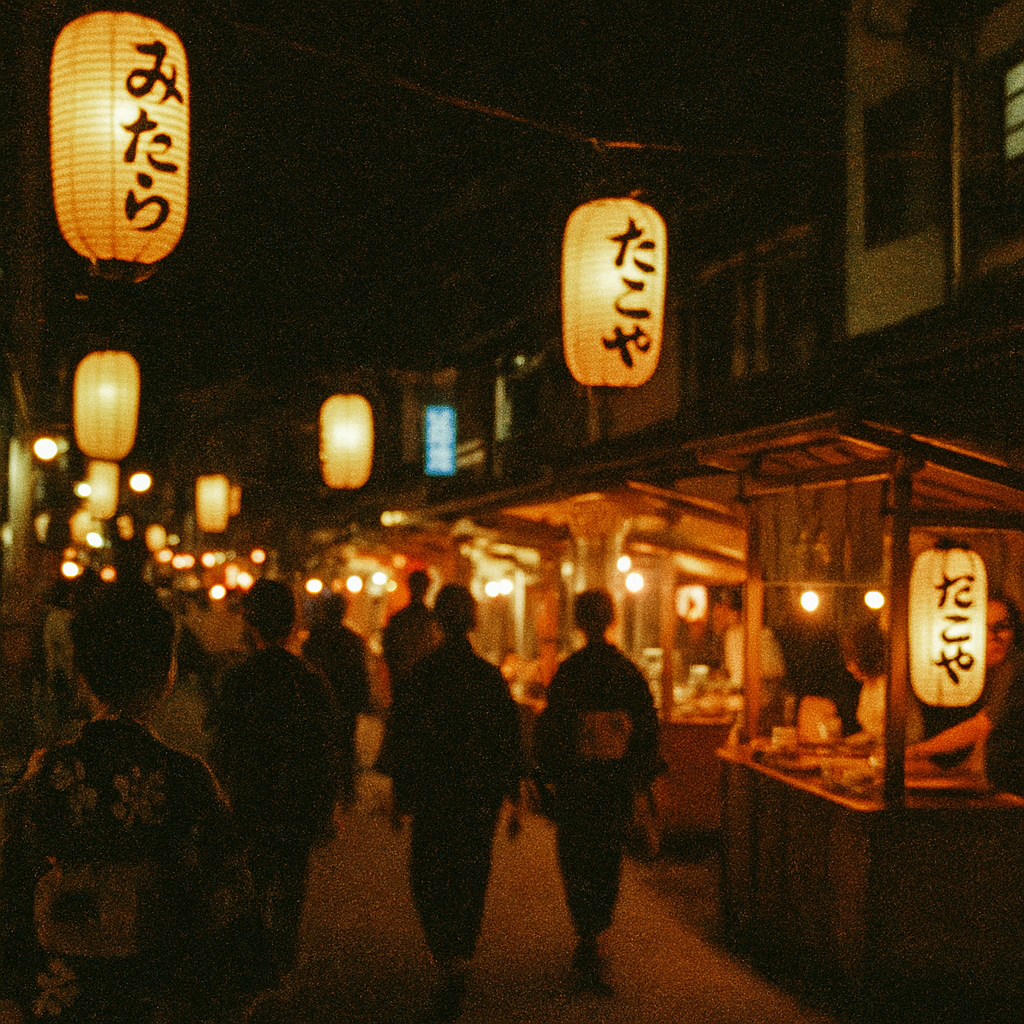
Beyond the priestly procession itself, the ten-day festival period offers a broader experience of mountain Shintō culture. Stalls, prayer stations, and subsidiary rituals animate the lower shrine precincts throughout the festival, making even a daytime visit worthwhile. The surrounding Saijo city area is also deeply connected to water culture — famous for its artesian spring water — so expect a refreshingly unhurried regional atmosphere in contrast to the intensity on the mountain itself.
Highlights & Must-See Moments
- The sacred deity procession at dawn: The defining moment of the entire festival — Ishizuchi Shrine priests carrying mikoshi housing sacred deity statues in a racing ascent of the mountain peak in the early morning. Position yourself along the route before first light for the most powerful view of this deeply atmospheric Shintō ritual.
- The formal mountain-opening ceremony: The official rites that declare the mountain open for the summer season are conducted with full priestly regalia, chanting, and offerings. This is a rare chance to witness high-level Shintō ceremony in a genuine mountain sacred space rather than a city shrine setting.
- The pilgrimage atmosphere throughout the ten days: Even outside the headline ceremonies, the festival period sees a steady procession of white-robed pilgrims ascending Ishizuchi, creating a living tableau of Japanese religious devotion that resonates deeply with anyone interested in Japan travel beyond the tourist trail.
Admission & Budget
Attendance at the festival’s outdoor ceremonies and pilgrimage routes is generally accessible without a specific event ticket, though access to certain shrine precincts or ropeway facilities on the mountain involves separate fees. Ropeway fares apply to that section of the ascent, and visitors who choose to hike will need to be mindful of any trail access conditions. For the most accurate and up-to-date admission fee information — including any 2026-specific arrangements for the Ishizuchi Mountain Opening Festival — consult the official Ishizuchi Shrine website directly. Budget additionally for accommodation in or near Saijo, as staying overnight is strongly advisable if you plan to attend the pre-dawn ceremonies.
Practical Tips for Visitors
Dress in layers, as mountain temperatures in early July can be surprisingly cool before sunrise even in the Shikoku summer heat. Sturdy hiking footwear is essential — the paths are steep and uneven. Bring a small torch or headlamp for the pre-dawn ascent, and carry sufficient water and a light rain jacket, as mountain weather can shift quickly. Maintain respectful silence during priestly ceremonies; photography is generally permitted at outdoor sections but always observe the behaviour of those around you and avoid flash photography during rituals. Foreigners are warmly welcomed at this festival, and while English signage is limited on the mountain itself, the experience is largely visual and deeply universal in its emotional impact.
How to Get There
Saijo is accessible via the JR Yosan Line, which runs along the northern Shikoku coast connecting Matsuyama to Takamatsu. Saijo Station is the main rail access point for the city. Visitors travelling out of Osaka or Hiroshima can reach Shikoku via the Seto-Ohashi Bridge rail connections or by ferry, then travel onward along the Yosan Line. Matsuyama, Ehime’s prefectural capital, makes an excellent base for a day trip or overnight visit to the Saijo area during the festival. For specific bus routes connecting Saijo Station to the Ishizuchi Shrine access points and ropeway base station, check the official Ehime tourism site or the shrine’s own access guide, as mountain shuttle services can vary seasonally. Those exploring broader Shikoku events may also enjoy browsing Japan events for neighbouring festivals across the island.
The Ishizuchi Mountain Opening Festival 2026 is a genuinely rare opportunity to witness one of Japan’s most ancient mountain Shintō traditions in full ceremonial glory — book your Saijo accommodation early, set your alarm for before dawn, and prepare for an experience that will stay with you long after you descend.