Hebi No Yu Hot Spring Week 2026: Tickets, Hours & Guide
What is Hebi No Yu Hot Spring Week?
Hebi No Yu Hot Spring Week 2026 is a special promotional hot spring event held at Kodosan Mountain Temple in Yamanashi Prefecture, celebrating the healing and spiritual traditions of Japanese onsen culture in a uniquely sacred mountain setting. The name “Hebi No Yu” — roughly translating to “Snake’s Hot Spring” — hints at an ancient folk tradition connecting serpents, water, and curative powers, a concept deeply embedded in Japanese mythology and rural religious practice. Events of this kind have long served as a bridge amid the spiritual world of mountain temples and the everyday wellness needs of local communities, and this annual celebration brings those two realms together in a way that few other events in Japan manage.
For international visitors, Hebi No Yu Hot Spring Week 2026 offers a rare opportunity to experience Yamanashi’s onsen culture not in a commercial spa resort, but in a setting infused with Buddhist ceremony, mountain air, and seasonal ritual. Yamanashi is already beloved by travellers for its proximity to Mount Fuji and its world-class wine country, yet its quieter spiritual and thermal heritage remains genuinely off the beaten path — making this event an authentic and rewarding addition to any Japan itinerary. If you enjoy Japan festivals that combine nature, tradition, and wellness, this is one to circle on your calendar.
When and at which to Go
Hebi No Yu Hot Spring Week 2026 runs for approximately two weeks, spanning 26 June to 10 July 2026, at Kodosan Mountain Temple in Yamanashi Prefecture. This late-June to early-July window sits in Japan’s early summer season, a time of lush green mountain scenery and — depending on the year — the tail end of the rainy season, which lends the temple grounds an atmospheric, mist-wreathed quality. Exact opening hours for the event have not been confirmed in advance; visitors are strongly advised to check the official Yamanashi tourism website at www.yamanashi-kankou.jp closer to the event date for current schedules and any changes to access arrangements.
What to Expect
Arriving at Kodosan Mountain Temple during this special promotional period, visitors can expect the grounds to be prepared with the kind of ceremonial care typical of Japanese religious festivals. The hot spring element is the centrepiece: the event spotlights the temple’s thermal water traditions, potentially including special bathing access, blessing ceremonies, and curative water rituals that connect ancient Shintō and Buddhist practices with the very Japanese belief in the restorative power of onsen. The mountain temple setting adds a contemplative atmosphere that distinguishes this event sharply at the bustling hot spring towns found at other venues in Japan.
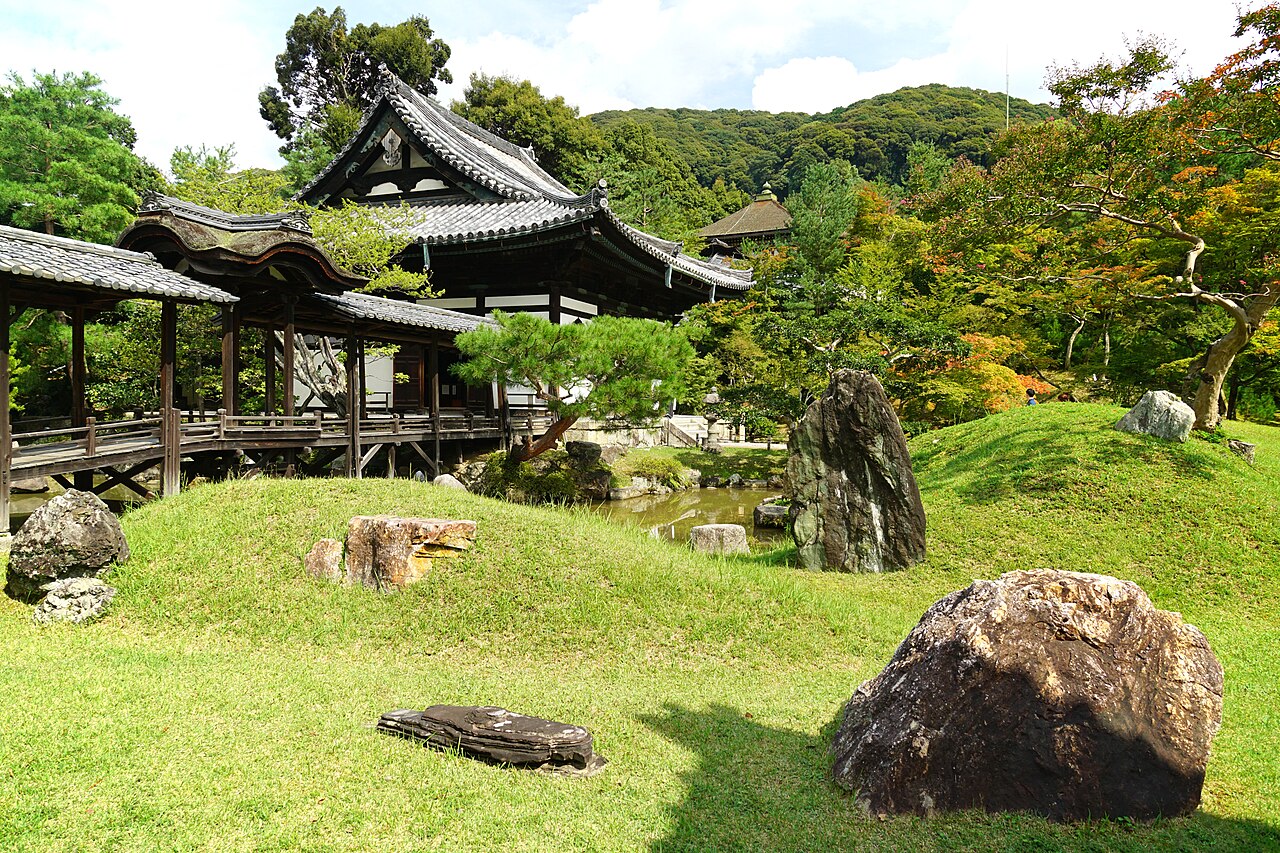
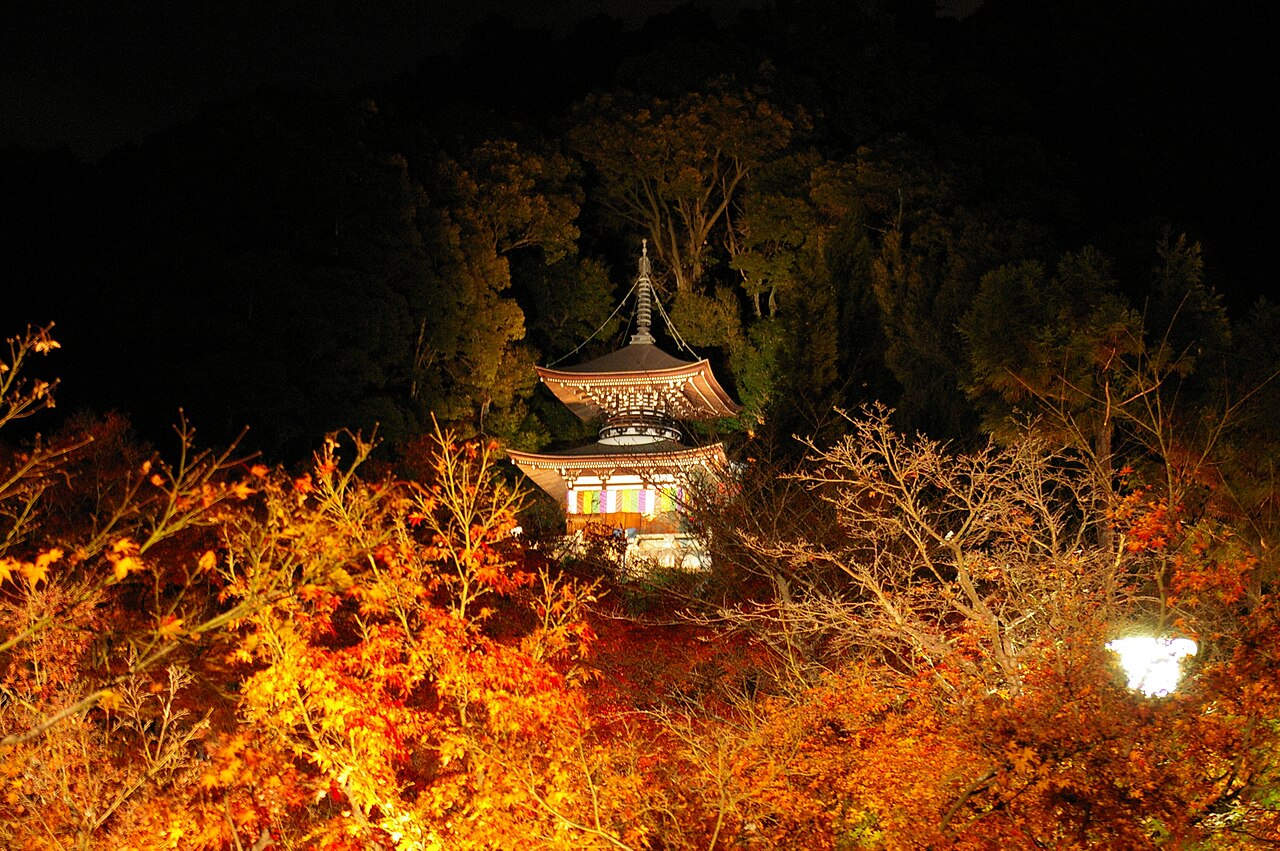
Beyond the hot spring experience itself, visitors should expect the ambient pleasures of a mountain temple in early summer — moss-covered stone lanterns, the scent of incense threading through cool forest air, and the possibility of encountering monks or priests carrying out their daily observances alongside the festival activities. Because this is a spiritually significant site rather than a purpose-built tourist venue, the pace is unhurried and the scale intimate. Think of it as a wellness retreat wrapped in centuries of religious heritage, rather than a crowded urban festival.
Highlights & Must-See Moments
- The Hot Spring Blessing Ritual: The ceremonial heart of Hebi No Yu Hot Spring Week, during which the temple’s thermal waters are consecrated in keeping with traditional practice — a genuinely moving spectacle that connects visitors to Japan’s living spiritual heritage.
- The Mountain Temple Grounds in Early Summer: Kodosan Mountain Temple’s natural setting reaches peak atmospheric beauty amid late June, with verdant forest growth and the possibility of low cloud or light rainfall adding a mystical quality to the stone pathways and garden spaces.
- Seasonal Regional Food and Produce: Yamanashi’s fertile valleys are known for exceptional stone fruit, local miso, and mountain vegetables; festival events in the region frequently feature stalls or offerings showcasing these ingredients — a perfect complement to the onsen wellness theme.
Admission & Budget
Specific admission fees for Hebi No Yu Hot Spring Week 2026 have not been published at the time of writing. Japanese mountain temple festivals of this nature often charge a modest entry or bathing fee — typically in a range analogous to standard onsen admission costs in rural areas — though some ceremonial events maintain free public access to the grounds while charging separately for bathing or special rituals. Visitors should budget for transport costs to Yamanashi, any onsen access fees, and incidental spending on local food or souvenirs. For the most accurate and up-to-date pricing, check the official Yamanashi tourism website before travelling. Explore more Japan travel resources to help plan your overall budget.
Practical Tips for Visitors
Dress in comfortable, easily removable layers suitable for both outdoor temple grounds and potential indoor bathing areas — light summer clothing works well in late June, but a waterproof layer is wise given the rainy season. If you plan to use the hot spring facilities, bring a small towel (or be prepared to rent one on site) while note that traditional onsen etiquette requires bathing without swimwear unless the venue specifically permits otherwise. Arrive early in the day to avoid any midday heat and to enjoy the grounds at their quietest; weekdays will generally be less busy than weekends. As this is an active religious site, respectful behaviour — speaking quietly, following any posted instructions, and not photographing ceremonies without permission — is essential.
How to Get There
Yamanashi Prefecture is accessible via the JR Chuo Line departing Shinjuku Station in Tokyo, making it a practical day trip or overnight destination for travellers based in the capital. Journey times to central Yamanashi vary, but the region is generally reachable in under two hours via limited express services. Kodosan Mountain Temple’s precise access route — including the nearest station and any local bus or taxi connections — is not confirmed in the available event data; visitors are advised to consult the official Yamanashi tourism website or contact the temple directly for detailed directions. Driving is another viable option, particularly useful for reaching mountain temple locations that may sit at some distance off main rail lines. For ideas on combining this trip with other destinations, browse our guide to Japan events in the region.
Hebi No Yu Hot Spring Week 2026 is a genuinely distinctive event that rewards curious travellers willing to venture beyond Japan’s most famous tourist circuits — book your travel to Yamanashi early and check the official website for the latest details as the event approaches.