Hayachiminemine Shrine Festival 2026: Guide & Tickets
What is the Hayachiminemine Shrine Festival 2026?
The Hayachiminemine Shrine Festival 2026 is one of the most spiritually resonant events in the Tono region of Iwate Prefecture, drawing visitors through to the deep heart of Japan’s Shintō traditions. Hayachiminemine Shrine itself is a place of profound reverence, dedicated to a deity whose worship has shaped the cultural landscape of this corner of Tohoku for centuries. The festival, spanning a preliminary ceremony phase and a grand main festival, offers a rare window through to the ceremonial rituals that have been passed down through generations of shrine priests and local communities. For international travellers seeking an authentic encounter with rural Japanese spirituality — well beyond the well-trodden shrine circuits of Kyoto or Tokyo — this event is a genuine hidden gem.
Tono is already celebrated across Japan as a town steeped in folklore and legend, famously associated with supernatural tales and the old ways of the Japanese countryside. The Hayachiminemine Shrine Festival Tono 2026 fits perfectly through to that atmosphere of timeless tradition. Attending this festival means stepping through to a living ceremony, not a tourist performance, and experiencing the kind of community-rooted Shintō worship that defines rural Japan’s spiritual calendar. Whether you are a dedicated shrine enthusiast or simply a curious traveller, the combination of sacred ritual, mountain scenery, and local culture makes this an experience worth travelling a considerable distance to witness. Explore more inspiration via our Japan festivals tag for similar events across the country.
When and at which to Go
The Hayachiminemine Shrine Festival 2026 runs across a seven-day period, starting on 12 July 2026 and concluding on 18 July 2026. The preliminary ceremonies typically occupy the earlier days of this window, building in spiritual intensity toward the main festival rituals that form the climax of the event. The festival takes place at Hayachiminemine Shrine, located in the Tono area of Iwate Prefecture in the Tohoku region of northern Honshu. Specific opening hours and the daily schedule of ceremonial events may vary across the week, so check the official website at iwatetabi.jp for current details and the precise timetable for each day’s ceremonies.
What to Expect
Arriving at the Hayachiminemine Shrine Festival, visitors are immediately enveloped in an atmosphere quite in contrast to anything found at Japan’s busier urban celebrations. The preliminary days of the festival involve purification rites, offerings, and preparatory ceremonies conducted by shrine priests in traditional vestments. These quieter rituals are often the most moving for visitors, providing an intimate glimpse through to Shintō liturgical practice as it has existed for generations. The air carries the scent of incense and cedar, and the surrounding natural landscape — characteristic of Iwate’s mountains and valleys — lends the setting a genuinely sacred quality.
As the festival builds toward its main event days, the atmosphere intensifies with more elaborate ceremonial processions, sacred music, and community participation. Mikoshi (portable shrines) may be carried through the grounds, accompanied by the rhythmic sounds of taiko drumming and traditional wind instruments. Local participants in formal ceremonial dress bring colour and pageantry to the proceedings, while shrine priests conduct the central rituals at the inner sanctum. For first-time visitors wondering how to visit the Hayachiminemine Shrine Festival as a tourist in 2026, simply following the natural flow of the grounds and observing respectfully is entirely appropriate — this is a welcoming community event, not an exclusive ceremony.
Highlights & Must-See Moments
- Preliminary Purification Ceremonies: The opening days feature solemn purification rites that set the spiritual tone for the entire festival. These quieter rituals offer a deeply authentic encounter with Shintō practice and are often overlooked by casual visitors.
- Main Festival Procession: The climax of the Hayachiminemine Shrine Festival 2026 brings elaborate processions, sacred offerings, and communal ceremony together in a visually stunning sequence that is the highlight for most attendees.
- Traditional Music and Performance: Throughout the festival period, traditional instruments and ceremonial performances animate the shrine grounds, providing both auditory and visual spectacle reminiscent of centuries-old court traditions.
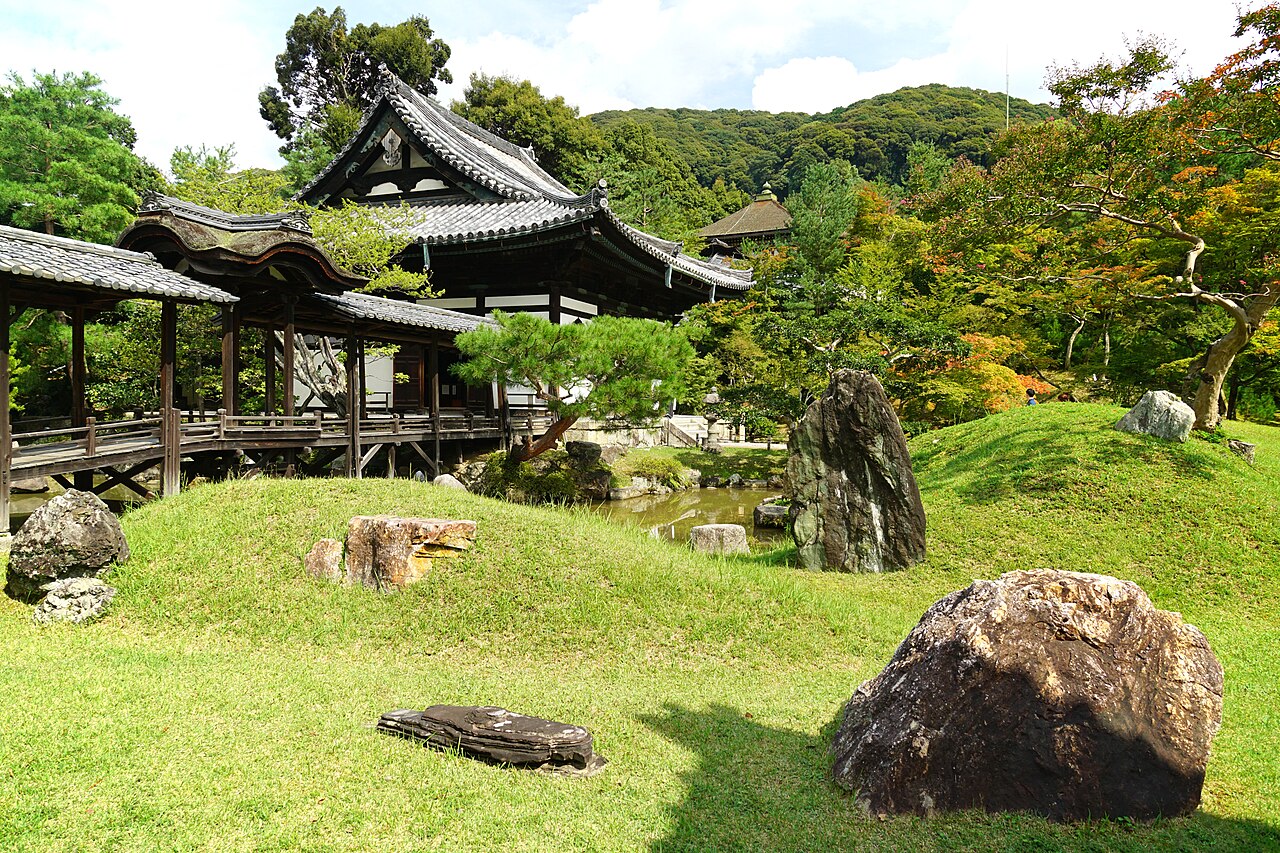
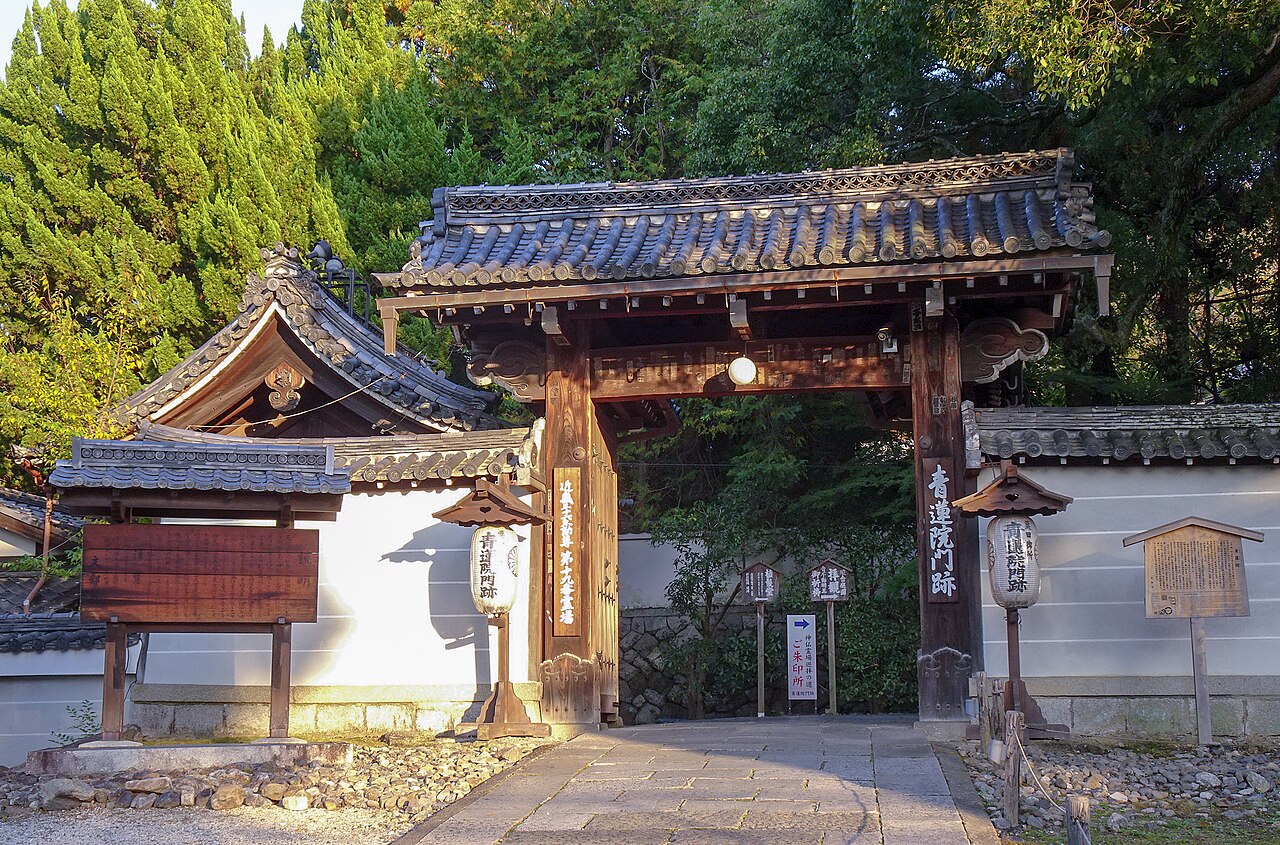
- The Shrine Grounds Themselves: Set against the dramatic natural backdrop of Iwate’s terrain, Hayachiminemine Shrine is a beautiful destination in its own right. Allow time to walk the grounds, appreciate the architecture, and absorb the natural atmosphere that makes this location so spiritually significant.
Admission & Budget
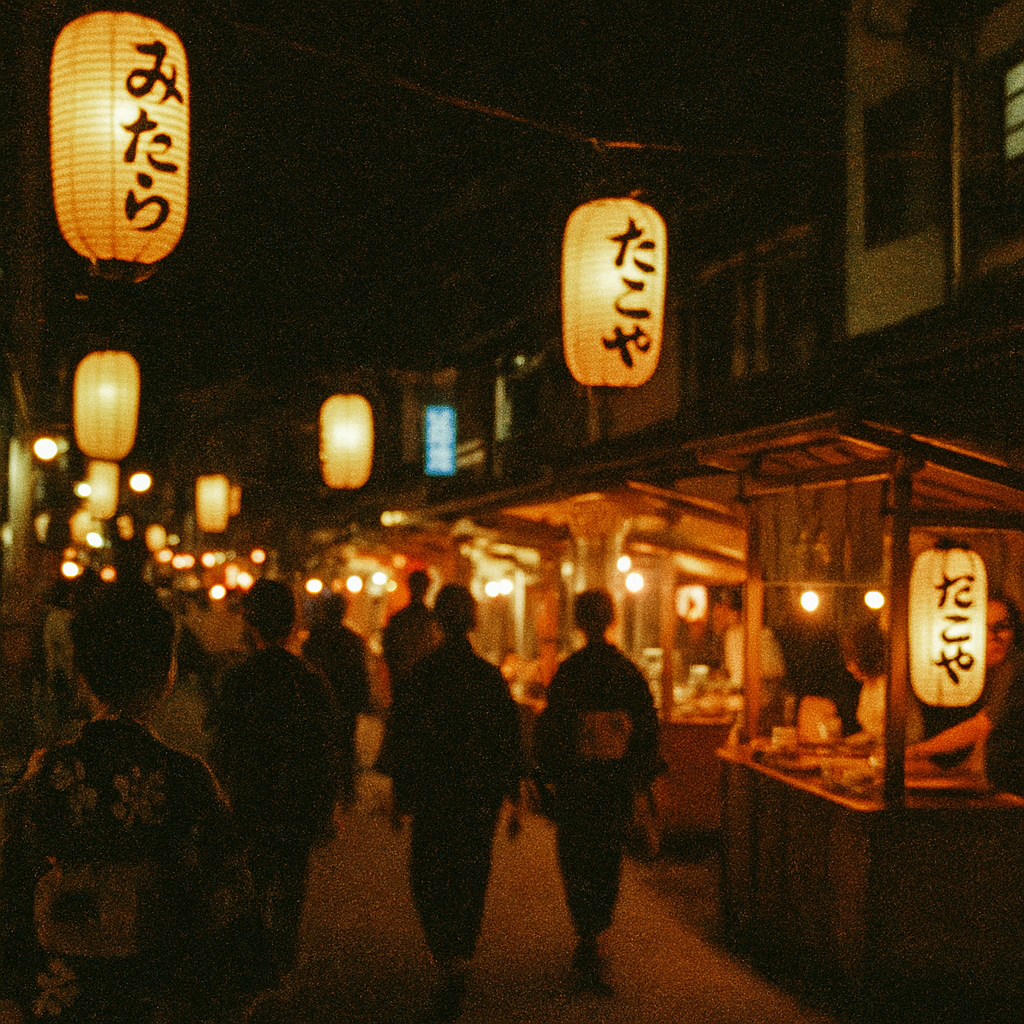
Free admission applies to the Hayachiminemine Shrine Festival, as is customary for traditional Shintō shrine festivals in Japan. Visitors are welcome to observe and participate in the public-facing ceremonial events without paying an entry fee. However, it is always worth budgeting for additional costs during your visit to Tono. Food stalls and local vendors may be present on the main festival days, offering regional snacks, grilled foods, and seasonal treats at modest prices. Purchasing an omamori (protective amulet) or ema (wooden wishing plaque) at the shrine is both a meaningful souvenir and a way to support the shrine community. Check the official website for current details on any special events or ticketed elements that may be added to the 2026 programme.
Practical Tips for Visitors
Dressing respectfully is important at any Shintō shrine festival in Japan — modest, comfortable clothing is ideal, and removing hats when approaching the main shrine building is a sign of courtesy. July in Iwate can be warm and occasionally humid, so lightweight, breathable layers are recommended, along with sturdy footwear suitable for uneven ground. Arriving early on the main festival days (14 to 18 July) is strongly advisable to secure a good vantage point for processions and ceremonies. Bring cash, as smaller vendors and shrine stalls in rural areas rarely accept card payments. Photography is generally permitted in the public areas of the shrine grounds, but always observe any signs restricting photography near the inner sanctum, and never photograph ceremonies at close range without implicit permission. This is, above all, a living religious event — respectful behaviour ensures that the festival remains welcoming to foreign guests for years to come.
How to Get There
The Hayachiminemine Shrine Festival is held in the Tono area of Iwate Prefecture, in the Tohoku region of northern Honshu. Tono is accessible via Shin-Hanamaki or Kamaishi on the regional rail network — the journey departing Tokyo by Shinkansen to Shin-Hanamaki takes roughly two and a half hours, with onward local train services through to Tono adding approximately another hour. Accessible via Tono Station, the town is a manageable base for exploring the shrine and surrounding area. For visitors travelling by car, the Tohoku Expressway provides access through to Iwate Prefecture, with car rental available at major stations in the region — an excellent option given that rural shrine locations often require a short drive off the main routes. Check the official website at iwatetabi.jp for shuttle bus arrangements, parking availability, and any special transport services operating during the festival period. Travellers planning a broader Tohoku itinerary may wish to browse Japan travel resources and Japan events for complementary destinations in the region.
Frequently Asked Questions
When exactly does the Hayachiminemine Shrine Festival 2026 take place?
The festival runs for seven days, spanning 12 July through 18 July 2026. The preliminary ceremonies are held across the earlier part of this period, with the main festival rituals taking place toward the latter days. Check the official website for the precise daily schedule.
Is admission to the Hayachiminemine Shrine Festival free?
Yes — free admission applies to the Hayachiminemine Shrine Festival, in keeping with the open, community-centred nature of traditional Japanese shrine festivals. No entry ticket is required to attend the public ceremonial events.
Can foreigners attend the Hayachiminemine Shrine Festival?
Absolutely. International visitors are warmly welcome at Shintō shrine festivals across Japan, and the Hayachiminemine Shrine Festival is no exception. No Japanese language ability is required to enjoy the visual and spiritual experience of the ceremonies. Behaving respectfully and following the lead of local attendees is all that is needed.
What is the best way to reach Tono for the festival?
The most practical route for international tourists is via Shinkansen departing Tokyo toward Shin-Hanamaki, followed by onward local rail services through to Tono. Accessible via Tono Station, the area is also reachable by car for those preferring greater flexibility. Check the official website for the most current transport and parking guidance specific to the 2026 festival period.
The Hayachiminemine Shrine Festival 2026 is a rare opportunity to witness authentic Shintō ceremonial tradition in one of Tohoku’s most storied and atmospheric communities — if you are planning a trip to northern Japan in July, make Tono a priority on your itinerary.