Imazu Historical Tourism Guide 2026 – Tickets & Tours
What is the Imazu Surrounding Area Historical Tourism Guide?
The Imazu historical tourism guide 2026 is a structured, guided heritage programme that takes visitors on an immersive journey through the rich cultural and historical landscape surrounding Imazu, a charming lakeside town in Takashima City on the western shore of Lake Biwa. Imazu has served as a vital commercial and spiritual hub for centuries, connecting merchants, pilgrims, and travellers along the ancient trade routes that once linked Kyoto to the northern provinces. The town retains a remarkably well-preserved streetscape, with traditional machiya townhouses, shrines, and remnants of its prosperous Edo-period merchant culture still very much in evidence today.
For international tourists, this programme offers something genuinely rare in Japan: a curated, accessible way to explore a region that lies just beyond the typical tourist trail yet rewards curious visitors with authentic atmosphere and deep historical context. Similar to heritage walking programmes in Kyoto’s older neighbourhoods, the Imazu guided tours bring local history to life in ways that independent exploration simply cannot replicate. If you are passionate about Japan travel beyond the obvious highlights, this is an experience that deserves a place on your itinerary.
When and at which to Go
The Imazu Surrounding Area Historical Tourism Guide runs over an extended season, starting on 19 April 2026 and continuing through to 15 November 2026, giving visitors a generous window spanning spring blossoms, summer greenery, and autumn foliage. The programme is centred around Imazu Station in Takashima City, Shiga Prefecture, which serves as the natural gateway through to the town and its surrounding heritage district. Specific tour departure times, days of operation, and any required reservation deadlines are subject to change, so be sure to check the official Biwako Visitors Bureau website at biwako-visitors.jp for the most current scheduling information before you travel.
What to Expect
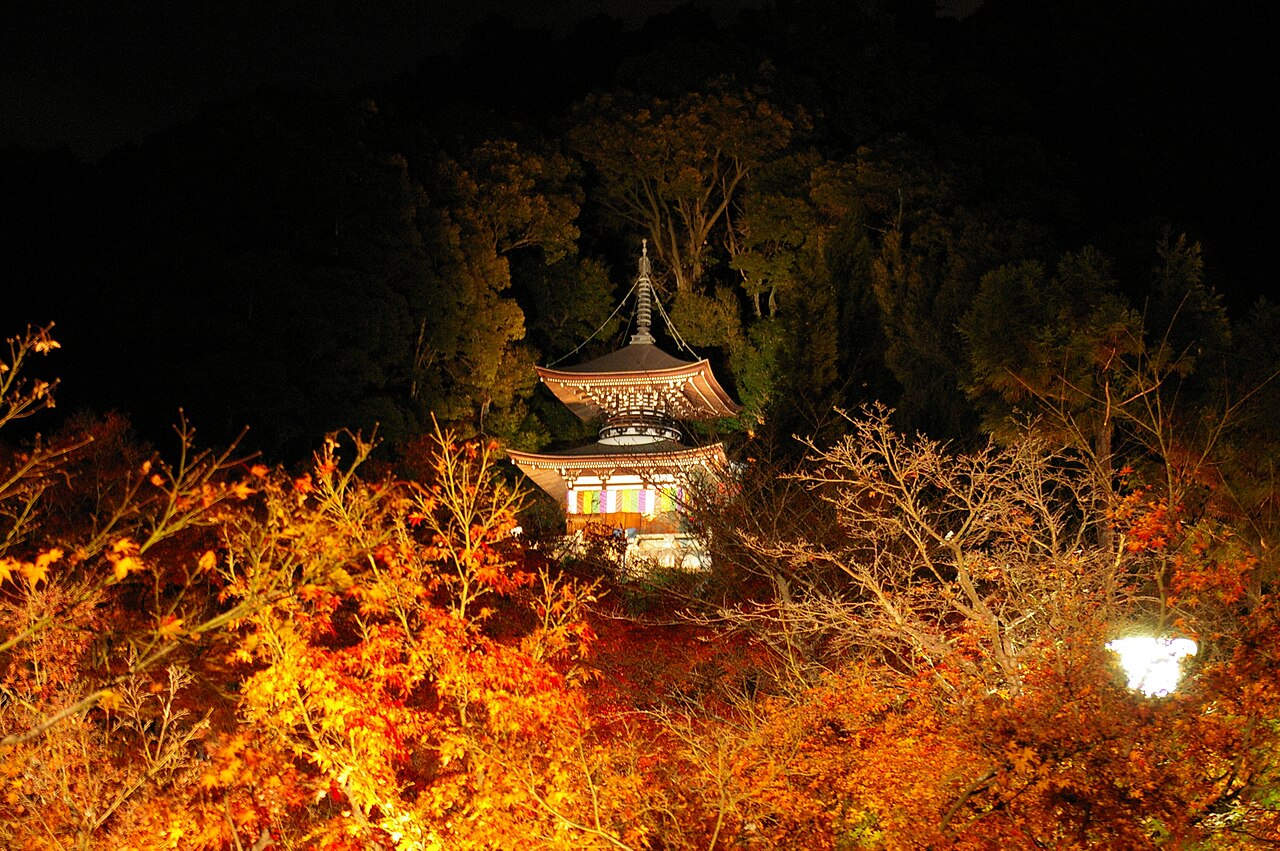
Joining an Imazu Takashima guided tour in 2026 means stepping through to a landscape that feels genuinely lived-in and historically layered. The guided route weaves through areas of the old town noted for their compact rows of traditional buildings, historic temples and shrines, and connections to the lake culture that has defined this coastline for generations. Guides will contextualise the architecture, local customs, and the stories of the merchants and craftspeople who shaped Imazu through to the prosperous community it once was. Expect a pace that is leisurely and reflective rather than rushed — this is about absorbing atmosphere as much as ticking off landmarks.
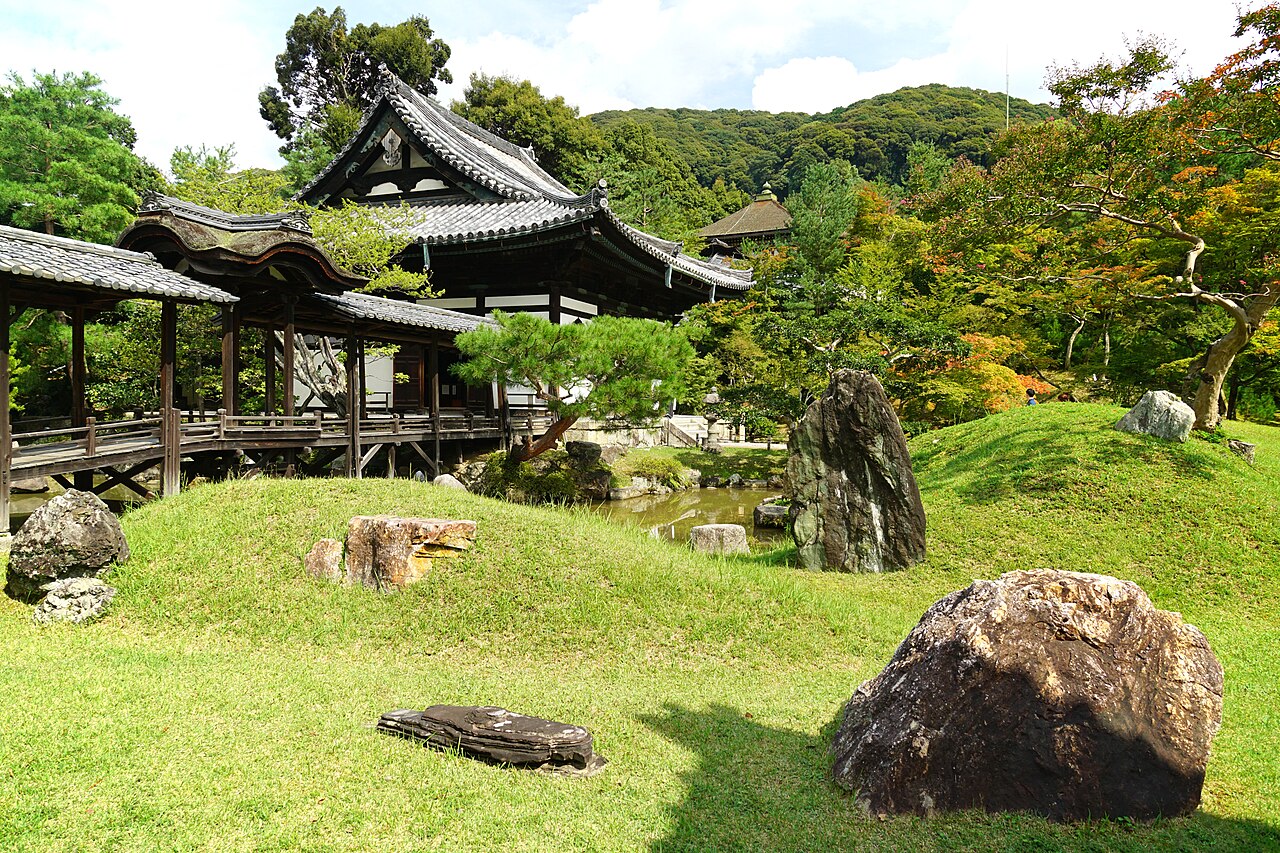
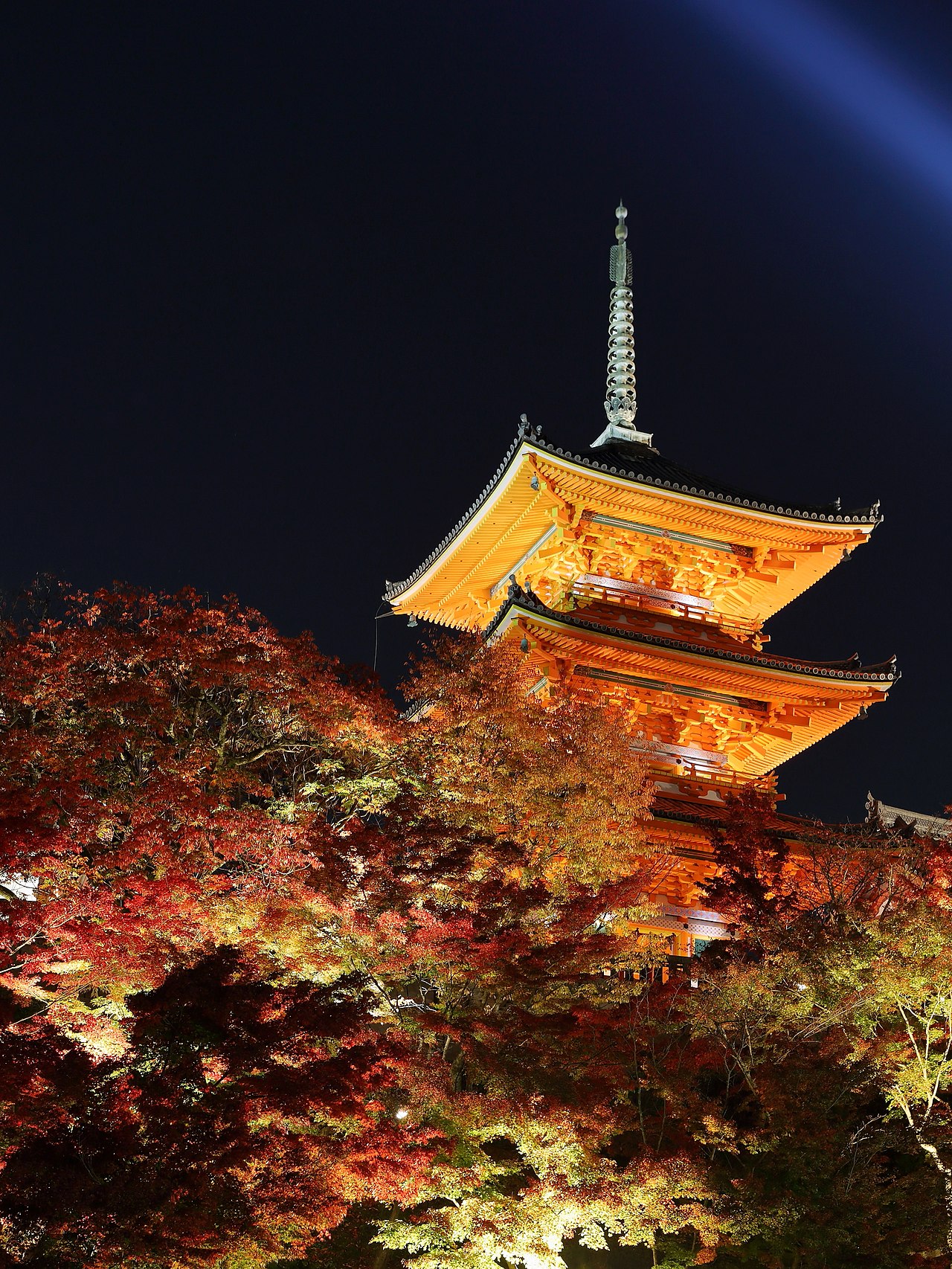
The surrounding countryside adds considerably to the experience. Takashima’s setting — nestled amid forested hills and the vast blue expanse of Lake Biwa — means that even the walking routes offer scenic rewards alongside the historical ones. Depending on the season you visit, the landscape shifts dramatically: cherry blossoms in late April, lush rice paddies through summer, and the warm golden and red tones of autumn foliage through October and through to mid-November. The best time to visit Imazu historical landmarks in 2026 is arguably during the shoulder seasons of late April to early May or mid-October to early November, when both the weather and the scenery are at their most compelling.
Highlights & Must-See Moments
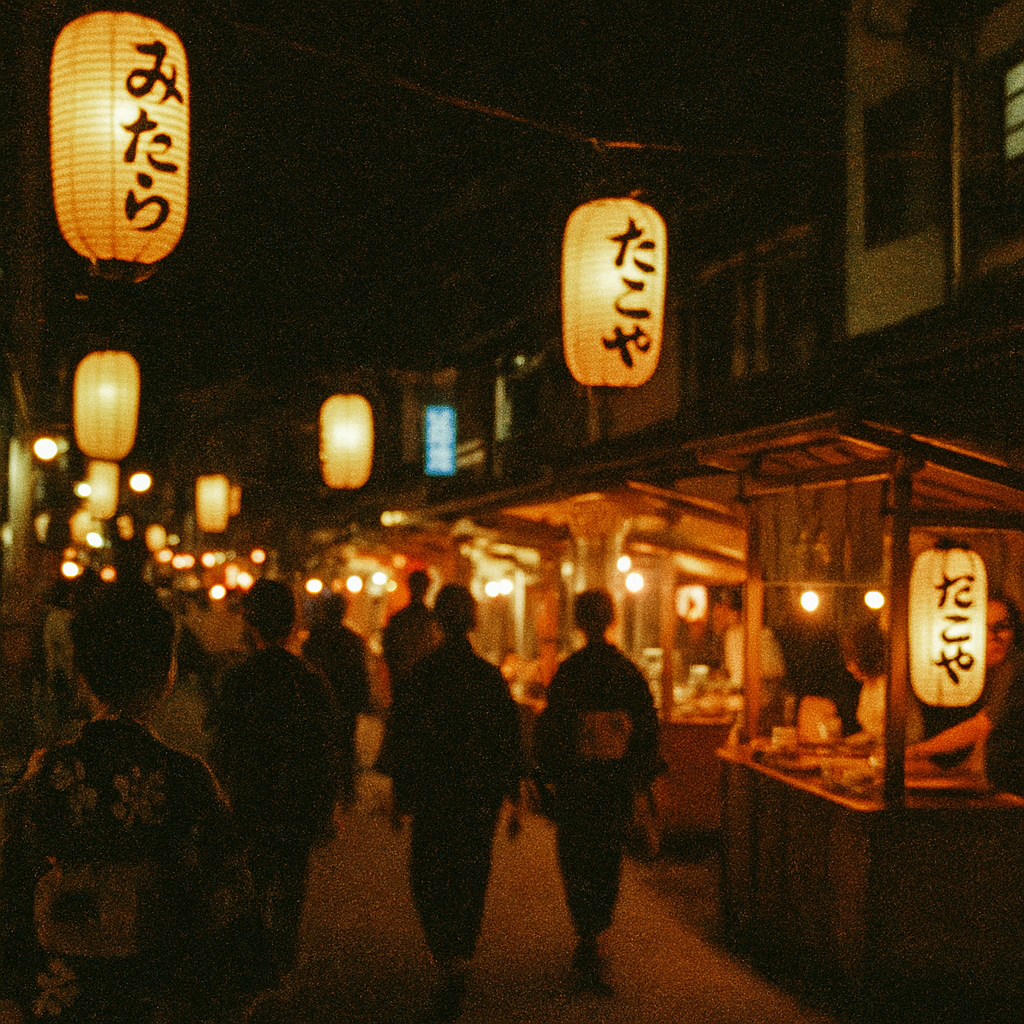
- The Historic Merchant Streetscape: Imazu’s old town area preserves a genuine slice of Edo-period commercial life, with traditional machiya facades and atmospheric alleyways that make for outstanding photography and a strong sense of stepping back in time.
- Lake Biwa Waterfront Views: The guided route incorporates views of and access to the Lake Biwa shoreline, Japan’s largest freshwater lake, offering a serene and visually dramatic backdrop that connects the town’s history to its relationship with the water.
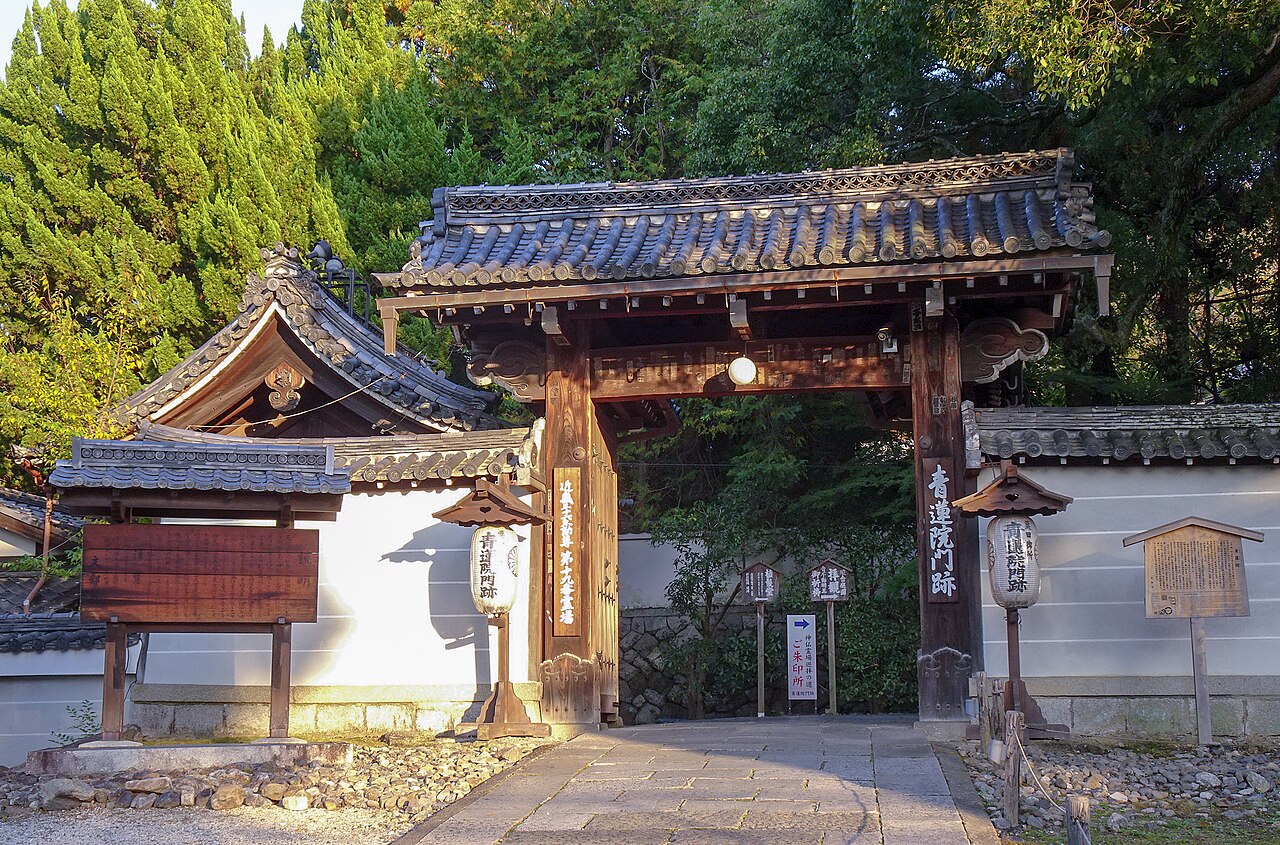
- Local Shrines and Temples: The Imazu area is home to several historical religious sites that reflect the spiritual significance of this corridor for pilgrims and travellers across the centuries — highlights that a knowledgeable guide will bring alive with stories and context.
Admission & Budget
Admission costs and ticket pricing details for the Imazu historical tourism guide 2026 were not confirmed at the time of writing. Guided heritage tours in Japan of this nature typically range in any location amid a complimentary community event and a modest fee of around ¥500–¥1,500 per person, depending on whether professional guides, printed materials, or entry to specific sites are included. To get precise and up-to-date pricing, including any concessions for students or senior visitors, please visit the official Biwako Visitors Bureau website before your trip. Budget additionally for lunch in the town, local transport, and any souvenirs — Takashima is known for its traditional textile crafts and local Lake Biwa produce.
Practical Tips for Visitors
Comfortable, flat-soled walking shoes are strongly recommended, as the tours involve extended time on foot along a mix of pavements, stone paths, and potentially uneven older surfaces. Dress in layers, particularly during the spring and autumn months, as temperatures near Lake Biwa can shift noticeably throughout the day. Bringing a compact umbrella is wise during the rainy season (June to July). English-language support may be limited on some tour dates, so it is worth enquiring in advance via the Biwako Visitors Bureau about English-guided options or whether printed English materials are available — this is entirely manageable as a foreigner joining Imazu historical walking tours with a little advance planning. Cash is advisable for smaller local establishments in the area.
How to Get There
Imazu Station is served by the JR Kosei Line, making it straightforwardly accessible for those travelling out of Kyoto or Osaka. Departing Kyoto Station, take the JR Kosei Line directly toward近江今津 (Omi-Imazu); journey times vary but are typically around 60 to 80 minutes, and the route itself offers lovely lake and mountain scenery. This makes an Imazu Takashima day trip departing Kyoto or Osaka very practical — Osaka travellers can connect via Kyoto. Check the official Hyperdia or JR West journey planner for current timetables and to confirm any JR Pass validity on your chosen services. The tour programme starts in the vicinity of Imazu Station, so arriving early gives you time to orientate yourself and explore the immediate surroundings before your guided session begins.
Whether you are a first-time visitor to Japan or a seasoned explorer hunting out the country’s quieter cultural gems, the Imazu historical tourism guide 2026 offers an enriching and genuinely off-the-beaten-path experience that few international tourists discover. Check the latest details at biwako-visitors.jp, and add this beautiful corner of the Japan festivals and heritage calendar to your Lake Biwa adventure — you will not regret it. For more inspiration across the country, explore our guide to Japan events in 2026.