Jidai Matsuri Kyoto 2027: Complete Guide to Japan’s Historical Costume Parade
What is Jidai Matsuri?
Jidai Matsuri 時代祭 — literally translated as the “Festival of the Ages” — stands as one of Kyoto’s three great festivals and one of the most visually breathtaking historical parades in all of Japan. Established in 1895 to commemorate the 1,100th anniversary of Kyoto’s founding as Japan’s imperial capital, this extraordinary event brings to life over a millennium of Japanese history in a single, sweeping procession. Each year on 22 October, more than 2,000 participants dressed in meticulously researched, museum-quality period costumes march through the ancient streets of Kyoto, representing every major era of Japanese civilisation — spanning the Meiji Restoration all the way back to the Enryaku period of the 8th century. For anyone passionate about Japanese culture, costume, or history, Jidai Matsuri Kyoto 2027 is an unmissable spectacle.
What sets Jidai Matsuri apart as a traditional Japanese festival parade — even amid Kyoto’s extraordinarily rich festival calendar — is its remarkable authenticity. The costumes, props, and accessories used in the procession are not theatrical approximations but painstakingly accurate reconstructions supervised by historians, craftspeople, and curators at the Kyoto City Historical Museum. Imperial court ladies in multi-layered junihitoe robes, samurai warriors in full armour, Heian-era noblemen, Edo-period merchants, and Meiji government officials all march together in reverse chronological order, so the procession travels backwards through time as it moves along the route. It is history made visible, breathing, and alive. The Jidai Matsuri 時代祭 festival is also deeply spiritual in nature — the parade serves as the main ceremony for the annual festival of Heian Shrine, and participants are considered to be honouring the spirits of the first and last emperors enshrined there.
International tourists have increasingly discovered what Kyoto locals have celebrated for over a century: this is a rare opportunity to witness Japanese heritage on a grand, immersive scale. in contrast to performances staged in theatres or museum exhibitions behind glass, the Jidai Matsuri festival Japan experience puts you right beside history — close enough to see the embroidery on a court lady’s sleeve or the lacquerwork on a samurai’s helmet. It is an event that rewards patient, curious, and enthusiastic visitors in equal measure, and planning your trip around Jidai Matsuri Kyoto 2027 is one of the finest decisions any Kyoto traveller can make in autumn.
When and at which to Go
The Jidai Matsuri 2027 schedule times locations are helpfully fixed and predictable. The festival takes place on 22 October 2027, which is the date observed every year regardless of the day of the week. This makes advance planning straightforward for international visitors booking flights and accommodation.
The parade departs Kyoto Imperial Palace (Kyoto Gosho), located within Kyoto Imperial Park in the Kamigyo Ward of central Kyoto. The starting address is: Kyoto Gyoen, Kamigyo-ku, Kyoto 602-0881. The procession sets off at 12:00 noon and travels southward along a designated route through the city’s historic streets, concluding at Heian Shrine (Heian Jingu) at approximately 14:30–15:00, depending on conditions. The shrine’s address is: Okazaki Nishitennocho 97, Sakyo-ku, Kyoto 606-8341. The total parade route covers approximately 4.5 kilometres.
Ticketed grandstand seating is available along the route and within Kyoto Imperial Park. Tickets for reserved seats are typically sold through the Jidai Matsuri Executive Committee and authorised ticketing agents, often becoming available several months in advance. Free public viewing is available along much of the street route, though prime spots fill up rapidly. Check the official Kyoto City tourism channels closer to October 2027 for the latest ticketing and seating updates on how to book tickets for Jidai Matsuri Kyoto 2027.
What to Expect
When you arrive along the Kyoto historical parade route, the atmosphere is electric well before the first participants appear. Crowds gather early along the kerbs, children perch on adults’ shoulders, television camera crews jostle for position, and vendors circulate selling snacks and drinks. Then, announced by the haunting sound of court music drifting through the autumn air, the procession begins. The Meiji-era divisions lead first — men in Western-influenced military dress and early-modern Japanese formal wear, a reminder of Kyoto’s role during Japan’s transformation in the 19th century. As the procession continues, the costumes grow progressively more ancient: Edo-period townspeople in indigo cotton, Azuchi-Momoyama-era warlords in lacquered armour, Muromachi-period nobles in formal court dress, and ultimately the ethereally beautiful Heian court ladies and imperial guards in robes of deep crimson and white. The colour palette shifts across the centuries, and the visual journey is genuinely moving. Photography opportunities are extraordinary — the rich autumn light of October and the vivid jewel tones of the costumes make for outstanding shots at virtually every point along the route.
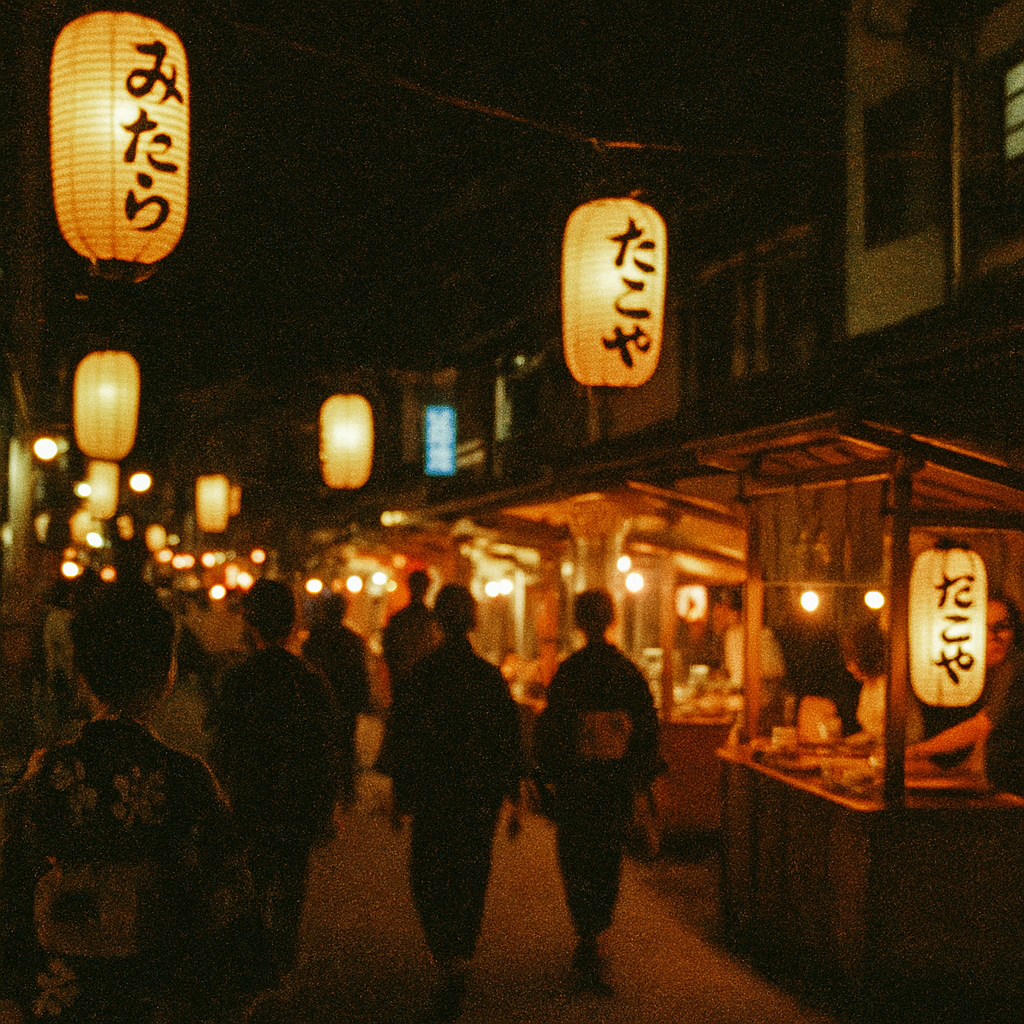
All around you, the sensory experience is layered and rich. The scent of incense drifts out of nearby temple gates; street food vendors offer yakitori (grilled chicken skewers), taiyaki (fish-shaped cakes stuffed with sweet bean paste) while hot cans of matcha tea perfectly suited to a cool autumn afternoon. The sound of gagaku — ancient Japanese imperial court music — played by costumed musicians in the procession creates an otherworldly acoustic backdrop entirely in contrast to anything in modern Japanese life. By the time the procession reaches Heian Shrine and the great torii gate frames the final participants against the shrine’s iconic orange architecture, you will feel as though you have genuinely travelled through a thousand years of Japanese civilisation in a single afternoon. The Heian Shrine festival Kyoto conclusion, at which ceremonies take place inside the shrine precincts, offers one final, deeply beautiful capstone to the day.
Highlights & Must-See Moments
- The Heian Court Ladies’ Division (Heian Jidai Fujin Retsu): Arguably the most photographed section of the entire period costume parade Japan, this group features noblewomen wearing authentic junihitoe — the twelve-layered ceremonial court robes of Heian-era aristocracy. The layering technique, colours, and trailing hems represent centuries-old textile traditions and are assembled by specialist craftspeople. Arrive at a straight section of the route with good sightlines for your best photographs.
- The Samurai Warrior Divisions: Representing the Kamakura, Nanbokucho, and Azuchi-Momoyama periods, the armoured warrior divisions are among the most dramatic participants in the procession. Watch for the ō-yoroi (great armour) of the Kamakura period, with its characteristic boxy form and elaborate silk lacing in crimson and gold — the craftsmanship is extraordinary up close.
- The Procession Start at Kyoto Imperial Palace: Watching the parade assemble and depart the Kyoto Imperial Palace events area is a magical experience. The palace grounds provide a regal, tree-lined backdrop, and the sight of 2,000 participants in full costume preparing within the park is a photographer’s dream. Arrive at the palace by 10:00–10:30 to secure a good vantage point.
- The Arrival at Heian Shrine: The procession’s culmination, as participants pass through Heian Shrine’s massive vermillion torii gate, is a deeply theatrical and emotional moment. The shrine’s gardens are in full late-October colour, providing spectacular natural framing. This is one of the finest photo spots along the entire Jidai Matsuri procession route.
- Oda Nobunaga and Toyotomi Hideyoshi Representations: These famous historical figures are depicted in the Azuchi-Momoyama section and recognisable even to visitors with only casual knowledge of Japanese history. The actors chosen to portray these warlords are chosen with great care, and the detail of their armour and accessories is exceptional.
Practical Tips for Visitors
Understanding how to watch Jidai Matsuri Kyoto as a tourist guide begins with timing. The parade starts at noon, but if you want a viewing spot along the free public sections of the route — particularly near Kyoto Imperial Palace or along Oike-dori — you should be in position by 9:00–10:00 at the latest. Purchased reserved seating alleviates this pressure considerably, so if you know you will attend, invest in grandstand tickets well in advance. For the best places to see Jidai Matsuri parade, the stretch along Karasuma-dori offers wide pavements and relatively uncrowded viewing compared to the palace departure point; the approach to Heian Shrine along Jingu-michi is spectacular but extremely crowded in the final hour.
Dress in comfortable, layered clothing — 22 October in Kyoto is typically pleasant but can be cool, with temperatures ranging amid 12°C and 20°C. Bring a lightweight jacket, comfortable walking shoes (you may cover 2–3 kilometres on foot during the day) while a small backpack with water, snacks, sunscreen, and a portable battery for your phone or camera. A telephoto or zoom lens is an excellent investment for photographing costumes in detail. Be respectful of participants and avoid stepping through to the procession route. The parade is cancelled and rescheduled to 23 October in the event of heavy rain, so monitor weather forecasts the day before and plan accordingly. Japanese is helpful but not essential — staff and volunteers along the route are accustomed to international visitors.
How to Get There
Getting to the start point of the Jidai Matsuri costume parade Kyoto Imperial Palace is straightforward via Kyoto’s excellent public transport network.
To Kyoto Imperial Palace (Parade Start): Take the Karasuma Subway Line to Marutamachi Station or Imadegawa Station, each offering a short 5-minute walk through to Kyoto Imperial Park through the designated park gates. Alternatively, take the Kintetsu or JR lines through to Kyoto Station and transfer to the Karasuma Subway Line northbound. Bus routes 51, 59, 102, and 201 also serve stops adjacent to the Imperial Park.
To Heian Shrine (Parade End): On how to get to Heian Shrine Jidai Matsuri — the simplest option is the Tozai Subway Line to Higashiyama Station, then a 10-minute walk north along Jingu-michi toward the great torii gate. Alternatively, city buses 5, 32, 46, and 100 stop at the Okazaki Jingu-michi bus stop, very close to the shrine entrance. Be aware that on 22 October, buses and trains near both venues will be significantly busier than usual — allow extra travel time, and consider using an IC card (Suica or ICOCA) for faster boarding.
Taxis are available throughout Kyoto but road closures along the parade route will significantly affect journey times; walking or using the subway is strongly recommended on the day of the festival.
Nearby Attractions
Okazaki Cultural Zone: Clustered near the Heian Shrine conclusion point, the Okazaki area is home to the Kyoto Municipal Museum of Art, the National Museum of Modern Art Kyoto, and the Kyoto City Zoo. It is an excellent area to explore before or after the parade arrives, and the tree-lined canal at Okazaki is particularly beautiful in autumn. Several good cafés and restaurants line the canal, offering excellent spots to rest, eat, and wait for the procession to arrive.
Nishiki Market: A short detour along the parade route brings you within easy reach of Nishiki Market — Kyoto’s famous covered food market, stretching along a narrow alley in the heart of the city. This is an ideal spot for breakfast or a pre-parade lunch, sampling Kyoto specialities including pickled vegetables (tsukemono), tofu dishes, grilled skewers, and fresh yuba (tofu skin). It operates throughout the festival day and provides wonderful sustenance for a long afternoon of sightseeing. You’ll discover a dizzying variety of regional produce and street food along its 400-metre length.
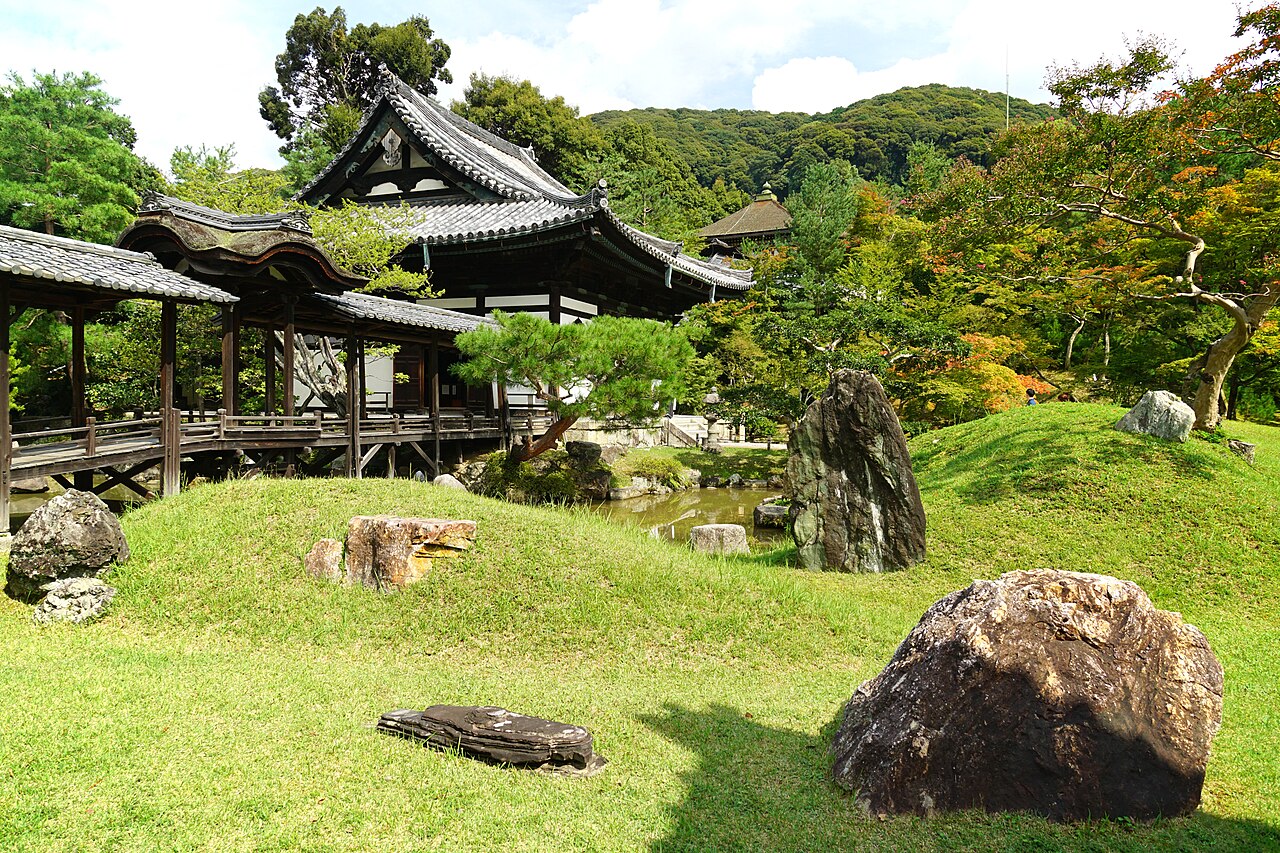
Philosopher’s Path (Tetsugaku no Michi): A 15-minute walk north along the canal path departing Heian Shrine leads to one of Kyoto’s most celebrated strolls. In late October, the canal-side maples begin turning orange and red, making this a gorgeous autumn walk. Small cafés, galleries, and temple gardens dot the route, including the atmospheric Nanzenji Temple at the southern end — one of Kyoto’s most important Zen temples and a wonderful way to close a historic festival day. For more inspiration on planning your trip, explore our guide to Kyoto events.
Frequently Asked Questions
Q: When is Jidai Matsuri 2027 and what are the exact dates and times?
A: Jidai Matsuri Kyoto 2027 takes place on 22 October 2027. The parade departs Kyoto Imperial Palace at 12:00 noon and arrives at Heian Shrine at approximately 14:30–15:00. In the event of significant rain, the event is postponed by one day to 23 October. It is advisable to check official Kyoto tourism channels the morning of the event if rain is forecast.
Q: What is Jidai Matsuri 時代祭 and why is it historically significant?
A: Jidai Matsuri 時代祭 — the “Festival of the Ages” — is an annual historical procession held every 22 October in Kyoto, Japan. First held in 1895 to mark the 1,100th anniversary of Kyoto’s establishment as Japan’s imperial capital, it features over 2,000 participants in meticulously accurate period costumes representing every major era of Japanese history spanning the 8th through 19th centuries. It is one of Kyoto’s three great festivals (alongside Aoi Matsuri and Gion Matsuri) and serves as the primary ceremonial event for Heian Shrine.
Q: How do I book tickets for Jidai Matsuri Kyoto 2027 and is it free to watch?
A: Free viewing is available along most of the public street sections of the parade route — simply arrive early and find a spot along the kerb. Reserved grandstand seating, which provides guaranteed sightlines and seats along the route and within Kyoto Imperial Park, is available for purchase through the Jidai Matsuri Executive Committee and authorised Kyoto ticketing agents. Tickets for reserved seats typically go on sale several months before the event. We recommend checking the official Kyoto City Tourism Association website and your hotel concierge well in advance to secure preferred seating for Jidai Matsuri Kyoto 2027.
Q: What are the best places to see the Jidai Matsuri parade?
A: The best places to see the Jidai Matsuri parade depend on your priorities. For the ceremonial atmosphere of the departure, position yourself within Kyoto Imperial Park by 10:00. For uncrowded street viewing with wide pavements and good sightlines, the stretch along Karasuma-dori and Oike-dori is excellent. For the dramatic finale and the iconic backdrop of Heian Shrine’s vermillion torii gate, take up a position on Jingu-michi by 13:30 at the latest. Grandstand tickets near the palace departure area are particularly popular and sell out quickly.
Q: How does Jidai Matsuri compare to other Kyoto festivals?
A: When comparing Jidai Matsuri vs other Kyoto festivals, each of Kyoto’s three great festivals has a distinct character. Gion Matsuri (July) is the largest and most internationally famous, featuring enormous decorative floats and month-long celebrations. Aoi Matsuri (May) is the oldest, featuring an elegant imperial procession focused on a specific Heian-era aesthetic. Jidai Matsuri is unique in its comprehensive historical sweep — no other festival in Japan presents such a broad, chronologically organised survey of over 1,000 years of costume and cultural history in a single parade. For history and costume enthusiasts, Jidai Matsuri is the standout choice. Browse our Japan festivals guide for deeper comparisons and seasonal planning advice.
Kyoto in late October is one of the great travel experiences available in any location in the world, and anchoring your autumn Japan itinerary around Jidai Matsuri Kyoto 2027 on 22 October will reward you with memories that last a lifetime. The Jidai Matsuri 1000 years Kyoto history parade is not simply a tourist attraction — it is a living connection to Japan’s deepest cultural roots, performed by people who care profoundly about preserving and sharing that heritage. Book your travel and accommodation early, as Kyoto in autumn is one of the most sought-after destinations in all of Asia. Whether you are a first-time visitor or a returning Japan devotee, this is a festival that will leave you moved, inspired, and hungry to explore more. For further ideas on planning your journey, visit our comprehensive guide to Japan travel and discover everything that awaits you in this extraordinary country. Your encounter with a thousand years of history begins on a single magnificent October afternoon in Kyoto — do not miss it.