Shorenin Temple Autumn Illumination Kyoto 2026: Complete Visitor Guide to Momiji Lights
What is the Shorenin Temple Autumn Illumination?
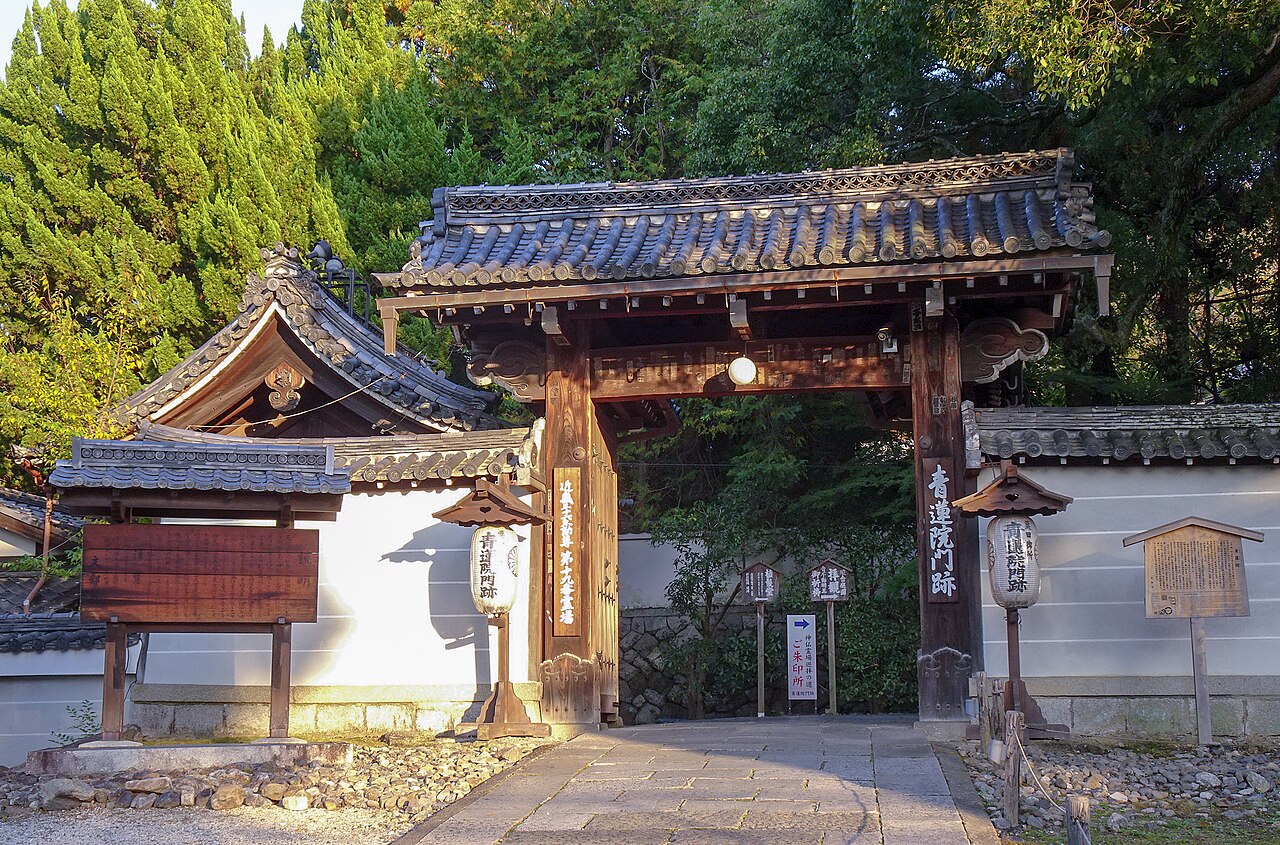
The Shorenin Temple autumn illumination Kyoto 2026 is one of the most eagerly anticipated events in Kyoto’s packed autumn cultural calendar — and this year carries a special significance that sets it apart. Shoren-in (青蓮院門跡), one of Kyoto’s most venerable Tendai Buddhist temples, has reopened its gates to evening visitors after a remarkable five-year renovation hiatus, making the 2026 edition a genuine milestone moment for both devotees of Japanese culture and first-time visitors equally. Founded as a monzeki temple — meaning members of the imperial family have historically served as its head priests — Shoren-in carries an air of aristocratic refinement and spiritual gravitas that infuses every lantern-lit corner of its grounds. The Shorenin Temple reopening 2026 autumn illumination event is not merely a pretty light show; it is a reunion amid a beloved sacred space and the thousands of visitors who have missed its glowing autumn splendour.
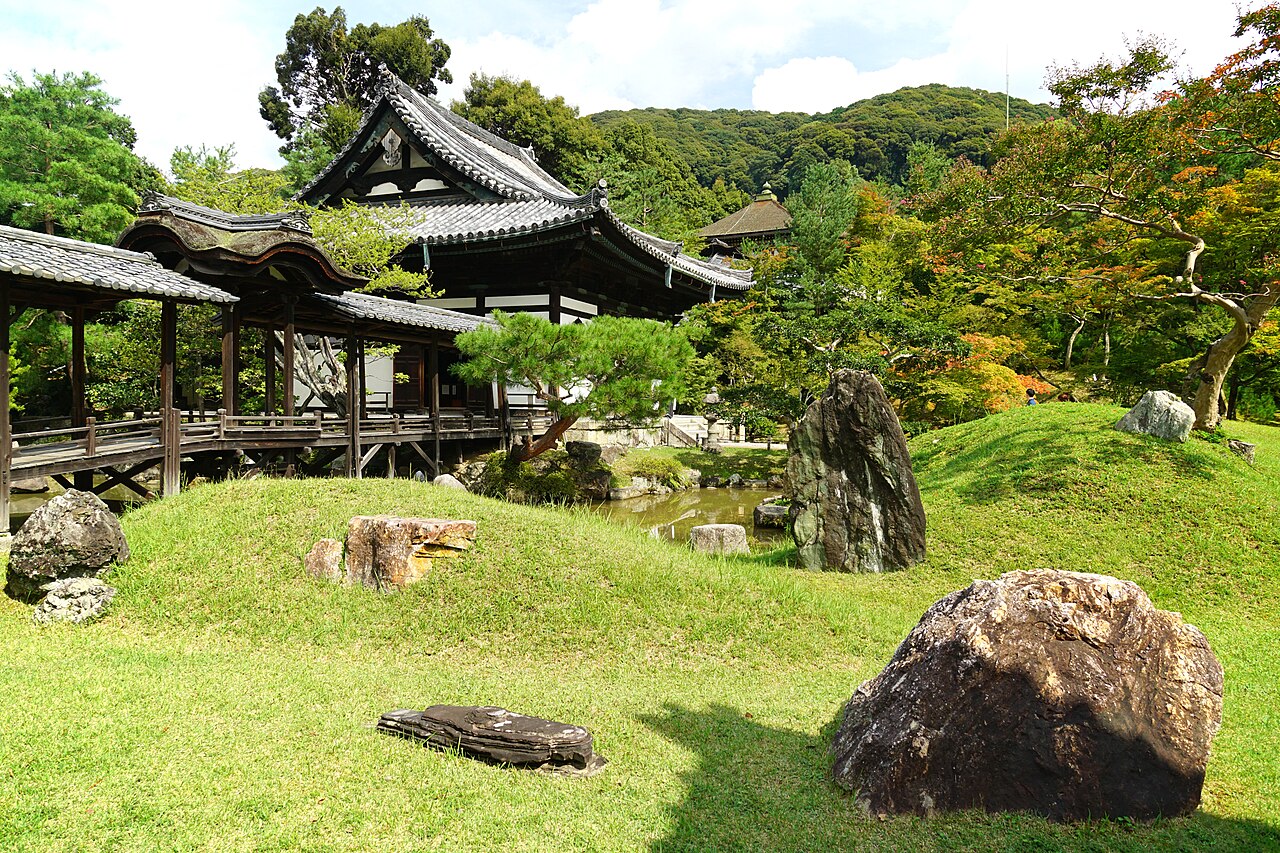
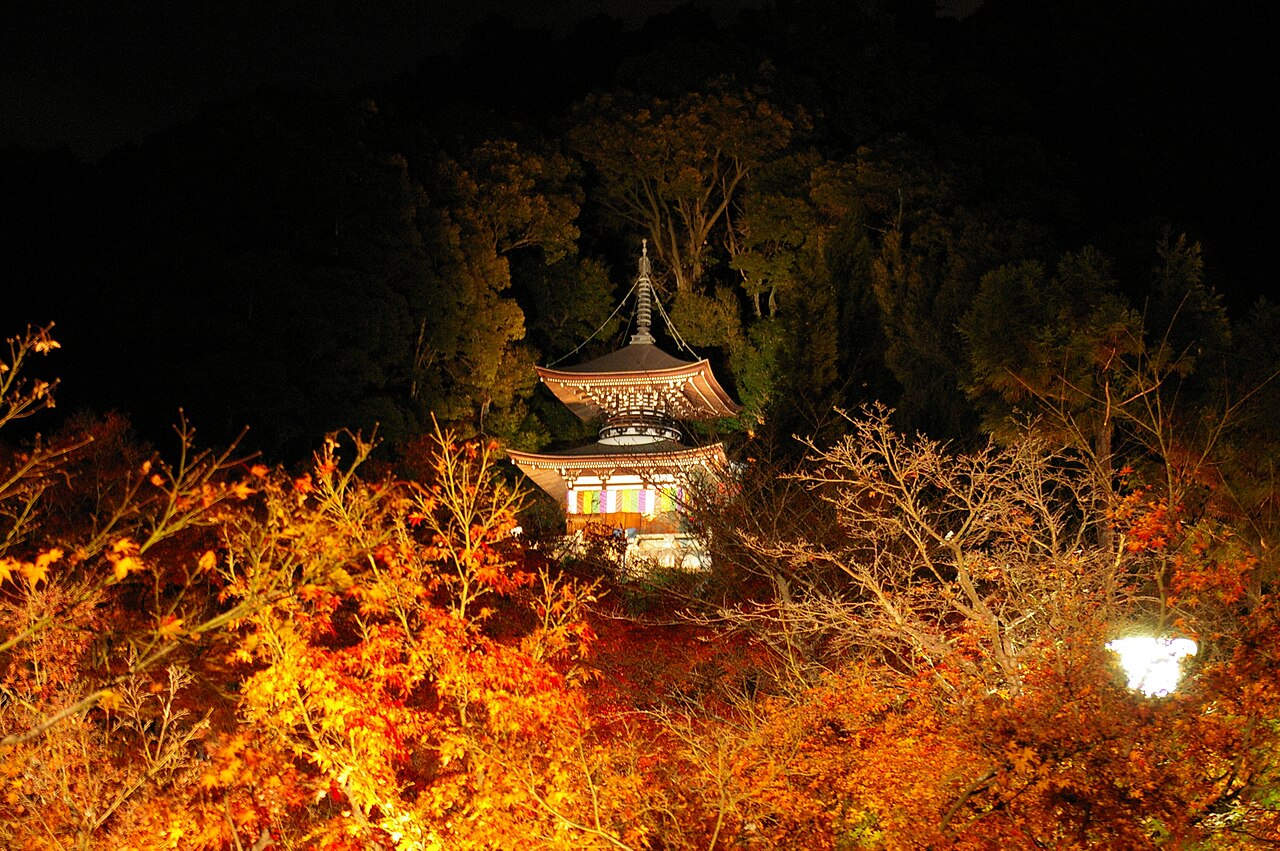
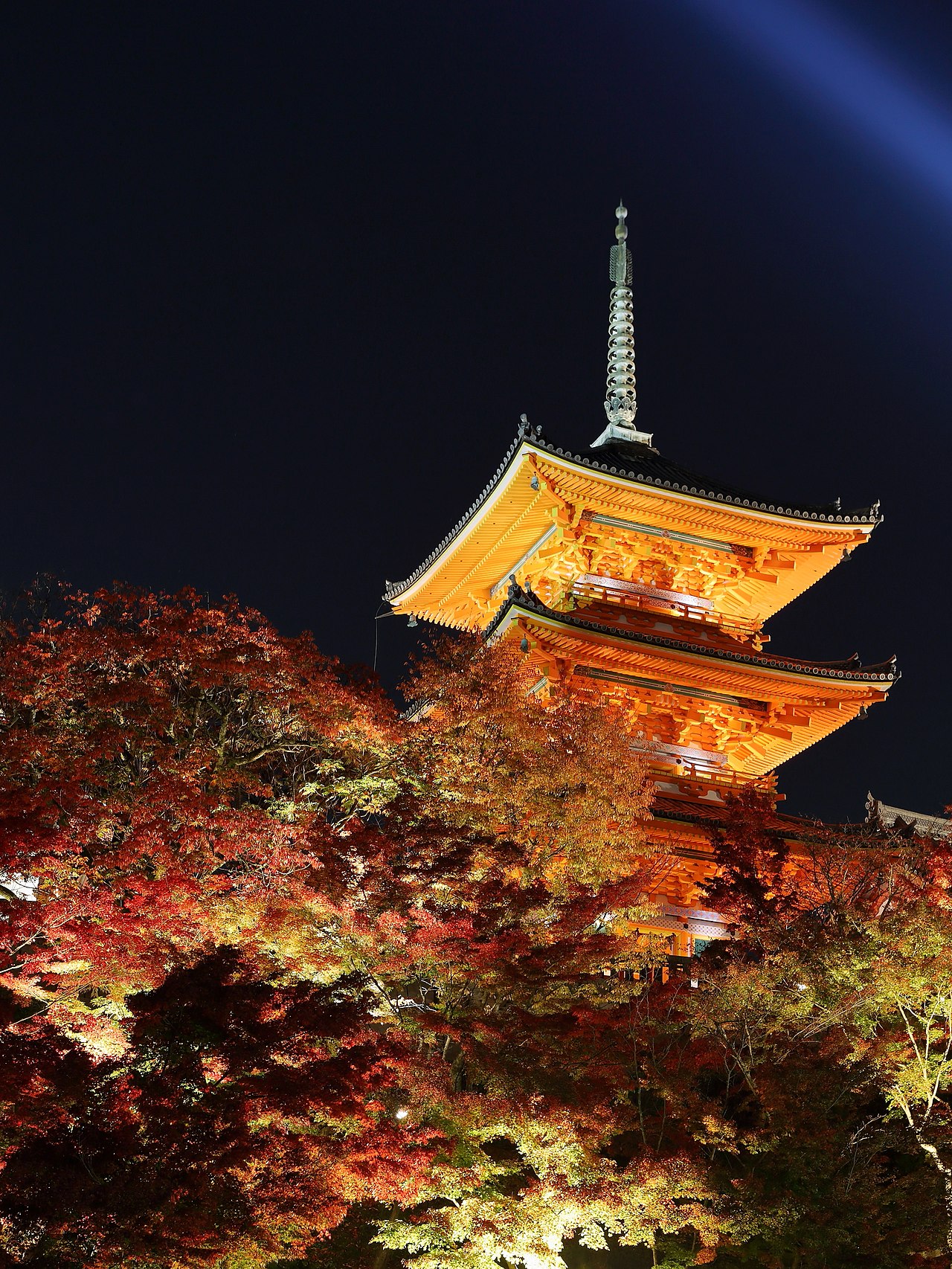
Set at the foot of Higashiyama’s forested slopes, Shoren-in is perhaps best recognised by its extraordinary camphor trees, some estimated to be over 800 years old, whose enormous gnarled canopies arch dramatically overhead at the temple entrance. During the day, these ancient trees lend the temple an almost mythological atmosphere; at night, bathed in soft blue and white illumination, they become something altogether otherworldly. The temple’s garden — a strolling-style composition attributed to the legendary landscape designer Kobori Enshu — features a tranquil pond, stone pathways, and carefully tended maple trees that erupt in fiery crimson and amber during November and early December. This is Kyoto’s famous momiji (autumn foliage) season at its most theatrical, elevated further by the artful use of light and shadow that defines the finest fall foliage illumination Kyoto experiences.
Among the best autumn illumination temples Kyoto 2026 has to offer, Shoren-in holds a particularly intimate and meditative quality. in contrast to some of Kyoto’s larger, more commercialised illumination events, an evening visit here retains a contemplative spirit — the kind that encourages you to slow down, breathe in the cool November air, and absorb the sheer beauty of a tradition stretching back centuries. For anyone planning a journey through to Kyoto’s autumn festivals, this event — sometimes described informally as part of the broader yoake matsuri Kyoto 2026 atmosphere of temple illuminations that light up Higashiyama each evening — is an absolute must-add to your itinerary. You can explore more seasonal happenings via our guide to Kyoto events throughout the year.
When and at which to Go
When is Shorenin Temple autumn illumination 2026? The event runs for a full month, spanning 7 November through 7 December 2026. Illuminations begin each evening at dusk — typically around 17:30 as November deepens — and continue until 21:30, with last entry at 21:00. This generous time window makes it accessible even for visitors with busy daytime itineraries packed with temples, markets, and other Kyoto autumn lights festival 2026 experiences.
Venue: Shoren-in Temple (青蓮院門跡)
Address: 69-1 Awataguchi Sanjobo-cho, Higashiyama-ku, Kyoto, 605-0035
Admission: A fee applies for the evening illumination event; costs are typically in the range of ¥800–¥1,000 per adult (confirm current pricing at the official venue or via the japan-guide.com event listing). Concessions are usually available for children.
Hours: Illumination period approximately 17:30–21:30 (last entry 21:00), spanning the full event run.
Official reference: For updated admission details, visit the japan-guide.com listing at the source URL.
What to Expect
Arriving at Shoren-in as dusk settles over Higashiyama is a genuinely cinematic experience. The approach along Jingu-michi, one of Kyoto’s most atmospheric pedestrian corridors, is flanked by stone lanterns that guide you gently toward the temple’s iconic camphor trees, now dramatically uplit in cool, celestial blue tones that contrast beautifully with the warm ember hues of the surrounding maple canopy. Step through the ancient gate and the noise of the city drops away entirely, replaced by the soft crunch of gravel underfoot and the occasional murmur of fellow visitors pausing to photograph the spectacle overhead. The ancient camphor trees — illuminated to highlight every knotted limb and sweeping branch — are a visual centrepiece in contrast to anything else in Kyoto’s autumn scene, resembling something conjured straight out of a Studio Ghibli film. The scent of cool autumn air, damp earth, and faintly smoky incense drifting across the garden creates a sensory experience that photographs simply cannot fully capture.
Moving deeper through to the garden, you’ll discover the reflection of illuminated maples shimmering across the still surface of the temple pond — one of the most photographed scenes during Shorenin Temple Higashiyama autumn lights season. The colour palette shifts as you wander: deep crimson momiji overhead, gold-toned stone lanterns lining the paths, and the soft blue radiance emanating through the shoji screens of the main hall create a layered, painterly tableau. The illumination design at Shoren-in has historically been thoughtful and restrained rather than flashy or overwhelming, honouring the temple’s sacred character. Expect moments of near-solitude in the garden’s quieter corners, a rarity during Kyoto’s intensely popular autumn season, and be prepared to linger far longer than you initially planned. This is the kind of beauty that demands patience — and rewards it magnificently.
Highlights & Must-See Moments
- The Ancient Camphor Tree Canopy: The towering camphor trees flanking the main gate are the undisputed stars of the illumination. Bathed in luminous blue-white light, their enormous root systems and cathedral-similar to canopies are astonishing. Arrive just as the lights activate at dusk for the most dramatic transition — watching these giants “awaken” in the fading twilight is the best time to see Shorenin Temple autumn foliage illumination effects at their peak.
- The Reflected Maple Garden: Head directly to the strolling garden’s central pond after the main gate. The mirror-similar to water surface doubles the crimson and gold of the surrounding momiji, creating a symmetrical composition that is one of the finest photo opportunities in all of Kyoto’s autumn temple lights Japan season.
- Illuminated Shoji Screens of the Main Hall: The soft amber glow radiating through the paper screens of the Shinden (main hall) provides a warm, intimate contrast to the cooler tones of the garden illumination. Frame a shot with a maple branch in the foreground for a truly iconic autumn image.
- The Stone-Lantern Pathway: The central gravel path through the garden, bordered by glowing stone lanterns, offers a classic Japanese aesthetic moment. Walk it slowly, in both directions — the perspective shifts dramatically, and fewer visitors tend to linger here than at the pond or gate.
- The Quieter Northern Garden Sections: Many visitors concentrate near the entrance; those who explore the full circuit of the strolling garden will find quieter, more secluded spots at which the illumination feels genuinely private — a rare and precious quality during Kyoto’s crowded autumn peak.
Practical Tips for Visitors
What to wear: November evenings in Kyoto can be surprisingly cold, with temperatures often dropping below 10°C by 20:00. Layer up — a warm jacket, scarf, and comfortable walking shoes with grip (gravel paths can be uneven) are essential. December evenings will be colder still, so pack accordingly if you’re visiting in the event’s final week.
Best time to arrive: For the Shorenin Temple autumn illumination Kyoto 2026, aim to arrive right at opening time (around 17:30) for the magical transition dusk experience and the softest crowd levels. Alternatively, visiting on a weekday evening — particularly a Tuesday through Thursday — will significantly reduce congestion compared to weekends. The final two weeks of November represent Kyoto’s peak autumn foliage period, so expect larger crowds during this window.
Photography tips: Bring a tripod or use your phone’s night mode — the illumination is beautifully balanced, but longer exposures yield the sharpest reflections in the pond. A 24–50mm lens range works ideally for the camphor tree canopy. Avoid using flash, both out of respect for other visitors and because the natural illumination is far more photogenic.
Reservations: As of current information, Shoren-in’s evening illumination does not typically require advance booking — entry is on a walk-up basis. However, given the temple’s reopening after its five-year renovation hiatus, demand in 2026 may be exceptionally high. Monitor the official temple website or japan-guide.com for any ticketing updates closer to the event dates.
Refreshments: There are no significant food stalls within the temple grounds during the illumination, so consider dining before or after your visit. The Higashiyama area — particularly the streets off Sannen-zaka — offers excellent options including warm amazake (sweet sake), yudofu (tofu hot pot) while seasonal kuri (chestnut) sweets at nearby machiya teahouses. Grab a cup of hojicha (roasted green tea) to warm up after your visit — several cafés along Jingu-michi remain open through to the evening.
How to Get There
Knowing how to get to Shorenin Temple Kyoto autumn lights is straightforward, with excellent public transport connections making it easy to reach without a car.
Via Kyoto City Bus: The most convenient option for most visitors. Take Kyoto City Bus Route 5 or Route 100 (the Higashiyama Shuttle) and alight at the Jingu-michi bus stop. Shoren-in is a 5-minute walk along the main pedestrian path heading south toward Higashiyama Sanjo. Bus routes depart regularly throughout the evening departing Kyoto Station, Kawaramachi, and Gion.
Via Keihan Railway: Ride the Keihan Main Line to Sanjo Station (Keihan Sanjo). Exit via the east exit and continue on foot heading east along Sanjo-dori — the temple entrance is approximately a 12–15 minute walk along this route, passing through the atmospheric Higashiyama streetscape.
Via Tozai Subway Line: Alight at Higashiyama Station on the Kyoto Municipal Subway Tozai Line. Departing Exit 2, walk north along Jingu-michi for approximately 8 minutes. Shoren-in will appear on your left, immediately identifiable by the dramatic camphor trees marking the entrance.
By taxi: Taxis are readily available throughout central Kyoto and are a sensible option for larger groups or those arriving later in the evening. Simply ask your driver for “Shoren-in” (青蓮院) in Higashiyama — it is a well-known landmark.
at which is Shorenin Temple Kyoto autumn festival? The temple sits at the northern end of the Higashiyama District, adjacent to Heian Shrine and the Okazaki museum district to its north, and within easy walking distance of Chion-in, Maruyama Park, and Yasaka Shrine to its south.
Nearby Attractions
Chion-in Temple: A 5-minute stroll south along the Higashiyama path brings you to Chion-in, the grand headquarters of the Jodo sect of Buddhism and home to Japan’s largest temple gate, the San-mon. Chion-in also holds its own separate autumn illumination events during November, making it an ideal companion visit for a full evening of Higashiyama District temple illumination experiences. The contrast amid Shoren-in’s intimate scale and Chion-in’s monumental grandeur is genuinely striking.
Maruyama Park and Yasaka Shrine: Continue south past Chion-in and you’ll arrive at Maruyama Park, Kyoto’s most beloved public green space, and the orange torii gates of Yasaka Shrine at its western edge. During autumn, the park’s mature trees display spectacular momiji, and Yasaka Shrine’s lantern-lit precinct remains open through to the evening. The area’s yatai (food stalls) occasionally operate during peak autumn season, offering yakisoba, taiyaki, and warm drinks — ideal for a post-illumination snack.
Nanzen-ji Temple: A 15–20 minute walk north along the Okazaki canal path, Nanzen-ji is one of Kyoto’s most prestigious Zen temples and a spectacular autumn destination in its own right. Its iconic red-brick aqueduct — a Meiji-era engineering marvel — is dramatically beautiful amid golden ginkgo and crimson maple trees. If you’re making a full day of your Higashiyama exploration, Nanzen-ji pairs naturally with a Shoren-in evening visit.
For more inspiration across Japan’s seasonal events, explore our curated collection of Japan festivals and Japan travel guides.
Frequently Asked Questions
Q: When is the Shorenin Temple autumn illumination 2026, and how long does it run?
A: The Shorenin Temple autumn illumination Kyoto 2026 runs spanning 7 November through 7 December 2026 — a full month of evening illuminations. Lights are active each evening, typically opening around 17:30 and closing at 21:30, with last entry at 21:00. The event runs every day during this period without breaks.
Q: Why is the 2026 Shoren-in illumination especially significant?
A: The Shorenin Temple reopening 2026 autumn illumination event marks the return of evening illuminations after a five-year renovation hiatus. The temple has been undergoing restoration work during this period, meaning thousands of visitors have been unable to experience the legendary camphor tree and garden illuminations. The 2026 event is therefore a genuinely historic reopening that has generated exceptional excitement among Kyoto autumn foliage enthusiasts.
Q: Do I need to book tickets in advance for the Shoren-in autumn illumination?
A: Historically, Shoren-in’s illumination events have operated on a walk-up, pay-at-the-gate basis without advance reservations. However, given the 2026 reopening’s exceptional demand, visitor numbers may be higher than usual — particularly on weekends in mid-to-late November. It is strongly recommended to check the official temple website or japan-guide.com closer to the event for any updates on ticketing or crowd management procedures. Arriving early in the evening and visiting on weekdays will significantly reduce your wait time regardless.
Q: What is the best time to see the autumn foliage at Shoren-in during the illumination?
A: The best time to see Shorenin Temple autumn foliage illumination at peak colour is typically spanning mid-to-late November — generally the third and fourth weeks of November offer the most vibrant crimson and amber momiji. That said, early December can also be spectacular, particularly if autumn is running slightly late that year due to warmer temperatures. The camphor trees are dramatically lit throughout the entire event period regardless of foliage timing, making any visit worthwhile.
Q: Is the Shoren-in illumination suitable for families with children?
A: Absolutely. The illumination’s gentle lighting, calm atmosphere, and manageable walking distances make it very family-friendly. Children are typically enchanted by the enormous glowing camphor trees — they really do resemble something out of a fairy tale. The grounds are relatively compact and well-lit throughout, with no particularly uneven terrain beyond the gravel paths. Bring a carrier for very young children as prams can be cumbersome on stone paths. Keep in mind the evening chill — layer children warmly, especially for December visits.
The Shorenin Temple autumn illumination Kyoto 2026 is one of those rare travel experiences that effortlessly exceeds expectations — a centuries-old sacred space, ancient camphor trees glowing amid the night sky, crimson maples reflected in still water, and the profound quiet of a Japanese temple garden in full autumn splendour. After five years away, Shoren-in’s return to the evening illumination calendar feels genuinely momentous, and this year promises to draw visitors of all backgrounds through to one of Kyoto’s most moving seasonal spectacles. Whether you’re a first-time visitor discovering Japan’s autumn temple lights tradition or a seasoned Kyoto devotee making a long-awaited reunion, make sure this event sits firmly at the top of your autumn 2026 itinerary. Book your travel, layer up, and let Shoren-in’s ancient light work its magic on you. Browse our full collection of Kyoto events to plan your complete autumn journey.