What is Setsubun? Japan’s Ancient Bean-Throwing Spring Festival

Every year on or around February 3rd, Japan erupts in a joyful, slightly chaotic celebration that marks the end of winter and the arrival of spring. Setsubun — literally meaning “seasonal division” — is one of Japan’s most beloved and visually dramatic traditional festivals, observed at thousands of shrines and temples across the country as well as in homes from Hokkaido to Okinawa. While the Setsubun festival Japan 2026 falls on Tuesday, February 3rd, the celebrations at major venues often span several days, making it one of the most accessible cultural events for international visitors planning a February trip to Japan.

The roots of Setsubun stretch back over a thousand years to the Heian Period (794–1185), when the imperial court performed elaborate purification rituals called tsuina to drive away evil spirits and disease before the new year — since in the traditional lunar calendar, the day before the beginning of spring (Risshun) was considered New Year’s Eve. Over the centuries, these aristocratic court ceremonies evolved into the colourful, community-driven festival we know today, complete with roaring demons, showers of soybeans, and the aroma of sardine smoke drifting through temple precincts. The Oni demon ritual Japan tourists witness today — where costumed demons are chased away by bean throwers — is a theatrical, crowd-pleasing descendant of these ancient protective rites.

What makes Setsubun so special for visitors is the rare combination of deep cultural authenticity and sheer participatory fun. Unlike many traditional festivals that feel like performances to be watched from a distance, Setsubun actively invites everyone — locals and tourists alike — to join in, shout traditional chants, catch flying beans, and laugh at the spectacle of sumo wrestlers and celebrities hurling soybeans into delighted crowds. The mamemaki bean throwing ceremony, the smell of roasted beans in winter air, the demon masks and the boisterous shouts of “Oni wa soto! Fuku wa uchi!” (“Demons out! Good luck in!”) — this is Japan at its most joyfully human. You might also enjoy our guide to Kyoto festivals to plan more cultural celebrations during your trip.

When and Where to Go: Setsubun Festival Dates February 2026

The core question every traveller asks — when is Setsubun celebrated Japan 2026? — has a straightforward answer: Tuesday, February 3rd, 2026. This date is fixed by the solar calendar as the day before Risshun (the official start of spring), making it almost always February 3rd, occasionally February 2nd or 4th depending on slight annual astronomical variations. In 2026, February 3rd is confirmed as Setsubun.

Setsubun is celebrated nationwide, but the most spectacular and tourist-friendly events happen at a handful of iconic venues. Here are the key locations to consider:

  • Naritasan Shinshoji Temple, Narita (Chiba): One of Japan’s largest and most famous Setsubun events, drawing hundreds of thousands of visitors over two to three days (approximately February 2–3). Celebrity guests, sumo wrestlers, and actors throw beans from the main hall steps. Address: 1 Naritasan, Narita, Chiba 286-0023. Events typically run 10:00–16:00.
  • Sensoji Temple, Asakusa, Tokyo: Tokyo’s most beloved temple hosts a dignified yet festive bean-throwing ceremony on February 3rd. Geisha from the Asakusa geisha district participate in the mamemaki, making this one of the most photogenic Setsubun events in the country. Address: 2-3-1 Asakusa, Taito-ku, Tokyo 111-0032. Ceremony approximately 14:00.
  • Yoshida Shrine, Kyoto: The Setsubun matsuri temples shrines experience doesn’t get more atmospheric than Yoshida Shrine, which hosts a three-day festival (February 2–4) including an ancient fire ritual, lantern-lit stalls, and a procession of demons. Address: 31 Yoshida Kasugacho, Sakyo-ku, Kyoto 606-8311.
  • Zojoji Temple, Tokyo: Near Tokyo Tower, this grand temple hosts a popular bean-throwing ceremony drawing large crowds in a photogenic setting. Address: 4-7-35 Shiba Koen, Minato-ku, Tokyo 105-0011.
  • Mibu-dera Temple, Kyoto: Famous for its dramatic Setsubun Kyogen theatrical performances (February 2–4), where masked demons are ritually defeated in comic plays. A quieter, deeply traditional alternative to larger events.

What to Expect: A Sensory Journey Through the Bean-Throwing Festival Japan

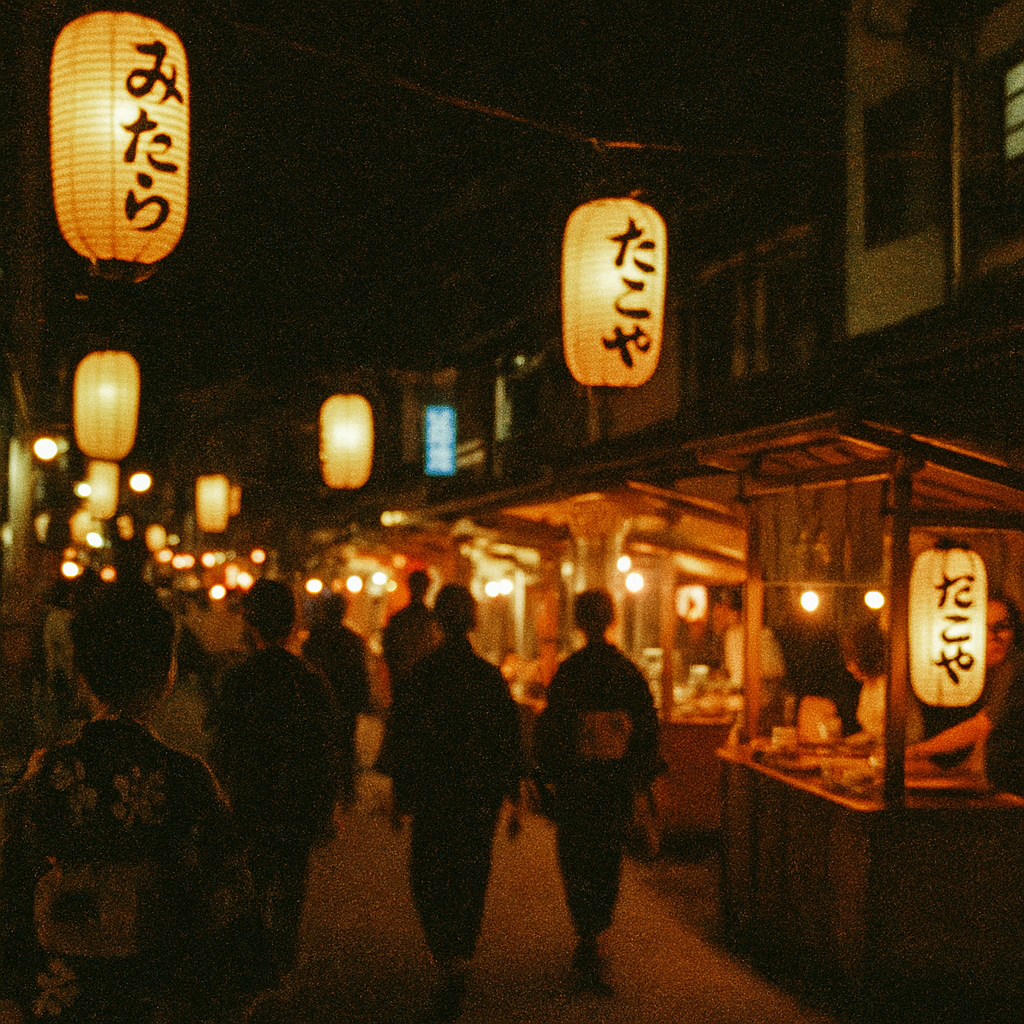
Arrive at any major Setsubun venue on February 3rd and your senses are immediately engaged. The air smells of roasted soybeans and cedar wood smoke, with wafts of grilled sardine (iwashi) — a traditional Setsubun food believed to repel demons — drifting from food stalls lining the approach to the shrine or temple. The sound is remarkable: the deep resonance of taiko drums, the chanting of priests, and then the sudden eruption of hundreds of voices shouting “Oni wa soto! Fuku wa uchi!” in joyful unison. At larger events like Naritasan or Sensoji, the crowd surges forward as celebrities, sumo wrestlers, geisha, or shrine officials appear on elevated platforms and begin hurling sealed packets of lucky beans (and sometimes small gifts, sweets, or lucky coins) into the outstretched hands of the crowd below. It is chaotic, exuberant, and utterly memorable.

Beyond the main mamemaki bean throwing ceremony, Setsubun venues are alive with supporting rituals and activities. At Yoshida Shrine in Kyoto, the Oni demons — performers in terrifying papier-mâché masks and colourful costumes — process through the grounds, growling and gesticulating while children simultaneously shriek in delight and genuine fear. Priests in white robes conduct solemn purification ceremonies with burning torches. Food stalls sell ehomaki — thick, uncut sushi rolls that must be eaten in complete silence while facing the year’s lucky direction (in 2026, this will be determined by the zodiac cycle) — along with roasted beans sold in decorative wooden boxes. You will also see Japanese families performing the home ritual: scattering beans in every room while chanting the demon-expelling chant, a domestic tradition that feels wonderfully intimate to witness. Don’t miss the chance to try irimame (roasted soybeans) from a stall — they are crunchy, subtly sweet, and you’re supposed to eat the number of beans matching your age plus one for good luck in the coming year.

Highlights & Must-See Moments at Setsubun

  • The Mamemaki Bean Throwing Ceremony: The centrepiece of any Setsubun event — watching (and hopefully catching) beans thrown by celebrities, sumo wrestlers, or geisha from temple stages is genuinely thrilling. At Naritasan, famous actors and grand sumo champions participate, drawing enormous crowds. Position yourself early in the inner courtyard for the best chance of catching a lucky packet.
  • Oni Demon Processions: At Yoshida Shrine and Mibu-dera in Kyoto, performers in spectacular demon (Oni) costumes parade through the temple grounds. These creatures — horned, wild-eyed, wielding clubs — represent the evil spirits being expelled for the coming year and make extraordinary photographic subjects. The Setsubun Kyogen performances at Mibu-dera, where comic masked plays enact the defeat of demons, are a unique theatrical experience found nowhere else.
  • The Torchlight Fire Ritual at Yoshida Shrine: On the evening of February 3rd, a massive bonfire ceremony called Okera illuminates the Yoshida Shrine grounds. Priests burn talismans and sacred items from the previous year, and the sight of flames rising against the winter night sky with the sound of sutras being chanted is deeply moving and visually spectacular.
  • Geisha Mamemaki at Sensoji, Asakusa: The participation of Asakusa’s geisha community in the bean-throwing ceremony transforms the event into one of the most photogenic moments in Tokyo’s annual calendar. The sight of kimono-clad geisha and maiko scattering beans with graceful precision against the backdrop of Sensoji’s iconic Kaminarimon Gate is unmissable for photographers.
  • Ehomaki Sushi Roll Eating: Join the Japanese tradition of eating an uncut futomaki sushi roll in complete silence while facing the year’s lucky direction. Every convenience store and sushi restaurant in Japan sells ehomaki during Setsubun week, and participating in this quirky ritual — eyes closed, roll in hand, absolutely no talking — is a delightful way to connect with Japanese culture.

Practical Tips for Visitors: How to Celebrate Setsubun Festival as a Tourist

Understanding how to celebrate Setsubun festival tourist guide-style means being well-prepared for what is often a cold, crowded, but magnificently rewarding experience. Here is everything you need to know:

  • Arrive early: For major events like Naritasan or Sensoji, arrive at least 60–90 minutes before the scheduled mamemaki ceremony. The best spots in the inner courtyard fill up fast. For Yoshida Shrine’s evening fire ceremony, arrive by 17:00 for a good position.
  • Dress warmly: February in Japan means cold temperatures — typically 3–10°C in Tokyo and Kyoto. Layering is essential. Bring hand warmers (kairo), widely available at convenience stores for under ¥100, which are a festival essential. Comfortable, flat shoes are a must as you’ll be standing on stone paths for extended periods.
  • What to bring: A small bag or tote to collect lucky bean packets thrown from the stage. A compact camera or phone with a good zoom for capturing the Oni demons and mamemaki action. Cash for food stalls (many don’t accept cards). A thermos of hot tea or coffee is a welcome comfort.
  • Photography tips: For Sensoji’s geisha mamemaki, a telephoto lens (or phone with zoom) gives the best shots of the platform action. At Yoshida Shrine’s night ceremony, a tripod or image stabilisation is essential for the low-light bonfire scenes. The Oni demon processions at Yoshida make for excellent portrait-style shots — the demons are generally happy to pose briefly for tourist photos.
  • Language: Most major Setsubun events have some English signage, particularly at popular tourist temples. Learning the chant “Oni wa soto! Fuku wa uchi!” and joining in enthusiastically will earn you warm smiles from locals.
  • Food recommendations: Beyond ehomaki and roasted beans, look for stalls selling amazake (sweet warm sake, non-alcoholic) which is perfect for warming cold hands and hearts, and oshiruko (sweet red bean soup with mochi) — a winter festival staple.

How to Get There: Transport Guide for Key Setsubun Venues

Sensoji Temple (Asakusa, Tokyo): Take the Tokyo Metro Ginza Line or Asakusa Line to Asakusa Station. From Exit A4 (Ginza Line) or Exit A1 (Asakusa Line), it is approximately a 5-minute walk through the Nakamise shopping arcade directly to the temple’s Kaminarimon Gate. During Setsubun, the streets will be busy — allow extra walking time.

Naritasan Shinshoji Temple (Narita, Chiba): From Tokyo, take the Keisei Skyliner or Keisei Limited Express from Ueno or Nippori Station to Keisei-Narita Station (approximately 40–75 minutes depending on service). From Keisei-Narita Station, it is a pleasant 10-15 minute walk down the historic Omotesando approach road lined with traditional restaurants and shops — a wonderful warm-up to the temple itself.

Yoshida Shrine (Kyoto): From Kyoto Station, take the Karasuma Subway Line to Imadegawa Station, then take Bus 201 or 203 to Kyodai-Seimon-mae stop. The shrine is approximately a 10-minute walk uphill through the Yoshida area. Alternatively, from Demachiyanagi Station (Keihan Line or Eizan Line), the shrine is about a 20-minute walk through the Kyoto University neighbourhood.

Zojoji Temple (Tokyo): Take the Toei Mita Line to Onarimon Station (Exit A1, 5-minute walk) or the JR Yamanote Line to Hamamatsucho Station (10-minute walk through Shiba Park). The temple’s Great Main Gate (Sangedatsumon) is directly visible from the road with Tokyo Tower rising dramatically behind it.

Nearby Attractions: Extending Your Setsubun Day Trip

Near Sensoji, Asakusa (Tokyo): After the bean-throwing ceremony, the Asakusa neighbourhood rewards leisurely exploration. The Nakamise shopping street leading to Sensoji sells traditional Japanese sweets, crafts, and souvenirs in a beautifully preserved historic setting. Just a short walk away, the Sumida Hokusai Museum offers a world-class collection of the woodblock print master’s work. Across the Sumida River, the iconic Tokyo Skytree (accessible from Asakusa in 10 minutes on foot or by Tobu Line) offers panoramic city views — spectacular on a clear winter day. You might also enjoy our guide to Asakusa temples and shrines to make the most of this historic neighbourhood.

Near Yoshida Shrine, Kyoto: The Yoshida area sits at the eastern foot of the Higashiyama mountains, close to the Okazaki cultural district with its cluster of excellent museums including the Kyoto Municipal Museum of Art and the National Museum of Modern Art. The beautiful Heian Shrine with its expansive gardens is a 20-minute walk south. For traditional Kyoto atmosphere, the Nanzenji Temple complex and its famous brick aqueduct are worth the 30-minute walk through charming backstreets.

Near Naritasan Shinshoji (Narita): The Omotesando approach to Naritasan is one of the best-preserved historic shopping streets in the Tokyo area, lined with unagi (grilled eel) restaurants for which Narita is justly famous — lunch here after the morning ceremonies is highly recommended. The nearby Narita-san Park surrounding the temple is beautiful even in winter, with traditional Japanese garden landscapes. You might also enjoy our guide to Narita day trips from Tokyo for a fuller itinerary.

Frequently Asked Questions

Q: What exactly happens at the Setsubun bean throwing ceremony and how do I participate?

A: The mamemaki bean throwing ceremony involves designated performers — at major temples these are often celebrities, sumo wrestlers, or priests — standing on elevated platforms and throwing packets of roasted soybeans (and sometimes other small lucky gifts) into the crowd below. As a tourist, you simply join the crowd in the temple or shrine courtyard, face the platform, and try to catch falling bean packets. The crowd simultaneously shouts “Oni wa

← All Events Next Event →