What is the Meiji Shrine Hatsumode?
Hatsumode — the first shrine or temple visit of the New Year — is one of Japan’s most cherished and deeply rooted traditions, and nowhere in the country does it unfold on a more magnificent scale than at Meiji Jingu in the heart of Tokyo. Hatsumode Tokyo 2027 at Meiji Shrine is widely regarded as the single most-attended New Year celebration in Japan, drawing an astonishing three million or more visitors across the first three days of January. The ritual of making this pilgrimage at the dawn of a new year dates back centuries, rooted in Shinto belief that visiting a sacred site during the New Year period brings good fortune, health, and blessings for the months ahead. It is a moment when the ancient rhythms of Japanese spiritual life pulse with extraordinary intensity, and the atmosphere is unlike anything else you will experience in this endlessly surprising city.
Meiji Jingu itself is a shrine of immense historical and cultural significance. Dedicated to Emperor Meiji and Empress Shoken — the imperial couple who presided over Japan’s transformation into a modern nation during the Meiji era (1868–1912) — the shrine was completed in 1920 and sits within a vast, forested park of 70 hectares that feels akin to a world apart from the neon-lit chaos of Harajuku and Shinjuku just beyond its borders. The towering wooden torii gates, the gravel pathways lined with giant cedar and camphor trees, and the serene inner garden all conspire to create an atmosphere of profound calm — a calm that is, admittedly, somewhat harder to find during the New Year rush, but which lends the entire experience a sense of sacred ceremony that is genuinely moving. For international tourists, this is not simply a photo opportunity: it is a chance to witness Japan’s living spiritual culture at its most communal and joyful.
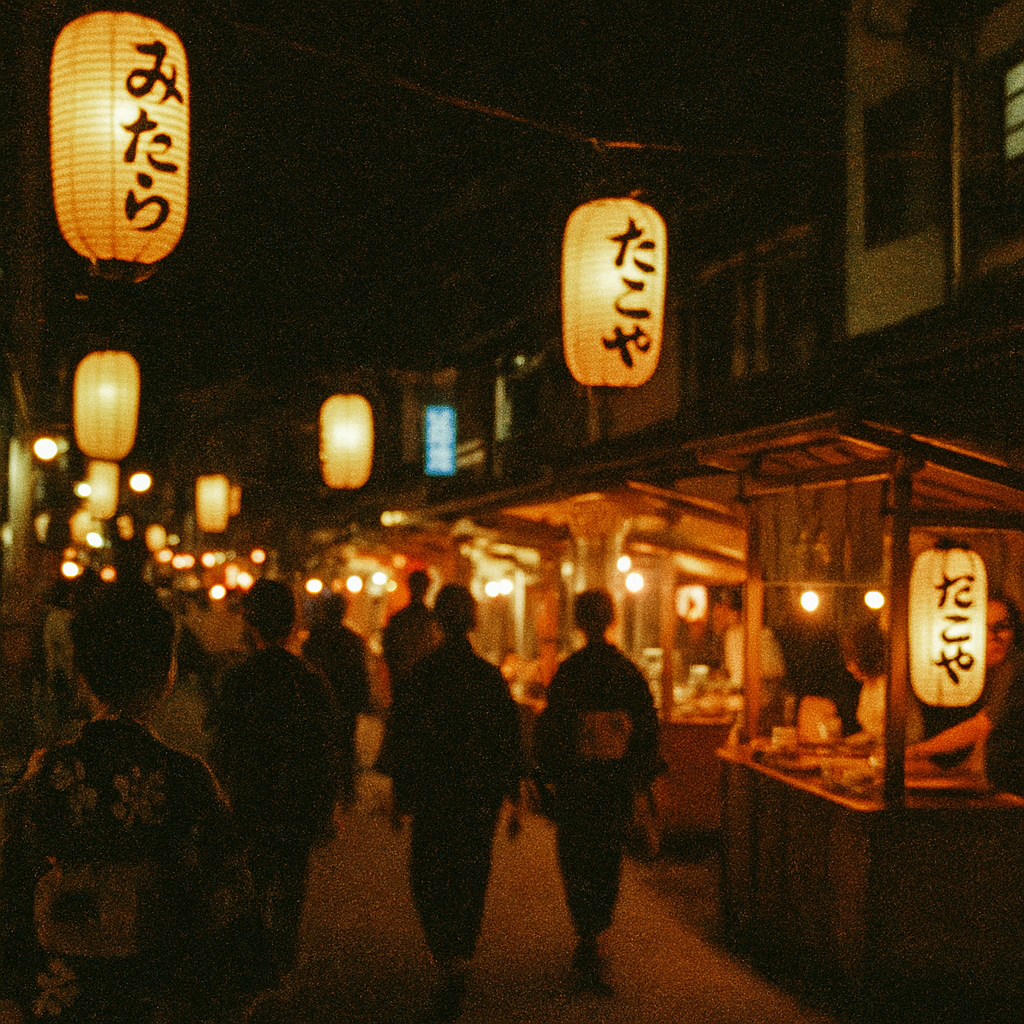
What makes the Meiji Jingu hatsumode festival Tokyo experience particularly special for first-time visitors is the combination of spiritual gravitas and festive energy. Thousands of people dressed in gorgeous traditional kimono and furisode (long-sleeved kimono worn by young women) process slowly through the shrine grounds, incense smoke drifts through the cool winter air, and the sound of wooden sandals on stone pathways mingles with the distant tolling of temple bells. Street food stalls (yatai) line the approach roads, vendors sell traditional New Year charms (omamori) and arrow talismans (hamaya), and the collective sense of hope and renewal is palpable and contagious. Whether you are a seasoned Japan traveller or visiting for the first time, hatsumode at Meiji Shrine belongs on every New Year itinerary.
When and Where to Go
Event Dates: 1 January – 3 January 2027 (the core hatsumode period). The shrine is accessible for midnight entry from 31 December 2026.
Venue: Meiji Jingu (Meiji Shrine)
Address: 1-1 Yoyogikamizonocho, Shibuya City, Tokyo 151-8557, Japan
Opening Hours during Hatsumode 2027:
- 31 December / 1 January (midnight): The shrine opens around midnight on New Year’s Eve to allow worshippers to enter at the stroke of midnight. The exact opening time is typically around 23:40 on 31 December. Access closes around 16:00 on 1 January (sunset).
- 2 January: Opens at sunrise (approximately 06:51), closes at 16:30.
- 3 January: Opens at sunrise, closes at 16:30.
Note that opening times are subject to change; always confirm with the official Meiji Jingu website (meijijingu.or.jp) closer to the date. Admission to the shrine grounds is free, though donations and purchases of charms are entirely at your discretion.
What to Expect
Arriving at Meiji Jingu during the hatsumode period is an experience that engages every one of your senses from the moment you step off the train. The approach along Omotesando Avenue and through the great wooden torii gate at the southern entrance is lined with food stalls selling steaming cups of amazake (sweet, warming fermented rice drink), grilled skewers of yakitori, piping hot nikuman (steamed pork buns), and grilled mochi rice cakes brushed with sweet soy glaze. The smell of charcoal smoke and sizzling food mingles with the crisp, cold January air, creating a sensory cocktail that is unmistakably Japanese winter. As you shuffle forward with the crowd along the gravel path — at peak times this can be a slow, companionable procession — the noise of the city gradually falls away, replaced by the crunch of gravel underfoot, the murmur of thousands of voices, and the occasional deep toll of a bell. The towering camphor and zelkova trees, their bare winter branches reaching overhead, give the procession a cathedral-similar to quality even in the open air.
Once you reach the inner precinct and the main hall (honden), the ceremonies themselves are conducted with quiet reverence. Visitors approach the offering box (saisen-bako), toss in a coin (five-yen coins are considered particularly lucky, as the word for five yen, “go-en,” is a homophone for “honourable connection”), bow twice, clap twice, make a silent wish, and bow once more. Around the shrine’s inner courtyard, stalls are set up where priests and shrine maidens (miko) sell omamori charms for everything from safe travel and academic success to love and good health. The hamaya — a ceremonial arrow said to ward off evil spirits — is another hugely popular purchase. For photographers, the moments just after midnight on New Year’s Day and in the early morning hours of 1 January are extraordinary: the combination of lantern light, kimono-clad visitors, and the atmospheric shrine architecture creates images that feel as though they belong to another century entirely.
Highlights & Must-See Moments
- The Midnight Entry (Joya no Kane): Arriving at the shrine around 23:30 on New Year’s Eve to be part of the crowd that surges forward at midnight is an unforgettable experience. The atmosphere is electric — hushed, expectant, and deeply communal. This is hatsumode Tokyo 2027 at its most raw and authentic.
- Kimono Spotting Along the Main Approach: The gravel avenue (sandō) leading to the main hall is a catwalk of extraordinary traditional dress. Young women in vibrant furisode, couples in matching kimono and hakama, and elderly visitors in subdued but exquisite formal wear make the crowd itself a spectacle worth savouring slowly.
- Purchasing New Year Charms and Omamori: Browsing the stalls of the inner precinct for good-luck charms, hamaya arrows, and ema (wooden wishing plaques) is a genuinely engaging cultural activity. The charm stalls are staffed by white-robed shrine maidens and operate with extraordinary efficiency despite the enormous crowds.
- The Great Torii Gates: The massive wooden torii at the southern entrance — one of the largest in Japan, standing 12 metres tall and constructed from 1,500-year-old cypress wood from Taiwan — is a magnificent photographic subject, especially in the early morning light when the crowd momentarily thins.
- Returning Last Year’s Charms (Oharai): One of the most poignant and culturally interesting rituals is watching visitors return old omamori charms from the previous year to be ritually burned. It is a gesture of closure and renewal that captures the whole spirit of the New Year celebration in miniature.
Practical Tips for Visitors
What to wear: January in Tokyo is cold — daytime temperatures hover between 5°C and 12°C, and nights around midnight on New Year’s Eve can dip to 2–4°C. Layer up with thermal underlayers, a warm coat, scarf, and gloves. If you want to wear a kimono (and you absolutely should, if you have the opportunity — many rental services operate nearby in Harajuku), opt for a wool-lined or padded uchikake over-kimono and bring hand warmers (kairo), available at any convenience store. Comfortable, closed-toe shoes are essential — you will be standing and walking for extended periods on uneven gravel surfaces.
When to arrive: If you want the midnight experience, aim to arrive at the Harajuku station area by 23:00 at the latest, as crowds build rapidly. For a somewhat less hectic visit, try arriving at the shrine on the morning of 2 or 3 January between 07:00 and 09:00 — the crowds are significantly lighter and the atmosphere is serene and beautiful in the early winter light. Avoid arriving between 10:00 and 15:00 on 1 January if possible — this is the peak period and queuing times can exceed two hours.
Cash: Bring small-denomination yen coins for shrine offerings and cash for food stalls — most yatai vendors do not accept cards.
Photography: The southern torii gate at dawn, the inner precinct lit by lanterns at midnight, and the crowd of kimono-clad visitors along the main approach are the three most spectacular shots. A wide-angle lens works beautifully for crowd and architecture shots; a longer focal length lets you capture intimate moments of worship without intruding on people’s privacy. Always ask permission before photographing individuals, particularly those in formal dress.
Bag check: Security bag checks are conducted at peak entry points during the New Year period. Keep your bag easily accessible.
How to Get There
Meiji Jingu is extraordinarily well-connected by Tokyo’s public transport network, making it easy to reach from anywhere in the city — though be aware that trains run special extended New Year schedules to accommodate the millions of hatsumode visitors.
- JR Yamanote Line → Harajuku Station: This is the closest and most convenient station for the shrine’s southern entrance. Exit via the Omote-sando exit and walk straight ahead — the great southern torii is approximately a 2-minute walk. Note that Harajuku Station’s access is restricted and managed by crowd control staff during peak periods.
- Tokyo Metro Chiyoda Line / Fukutoshin Line → Meiji-jingumae (Harajuku) Station: Exit 2 brings you directly to the Omotesando approach, roughly a 3-minute walk from the southern torii gate.
- Odakyu Line → Sangubashi Station: A quieter approach via the western entrance of the shrine. Approximately 5 minutes on foot. This entrance is often less congested and recommended for the 2 and 3 January visits.
- Keio Line → Yoyogi Station: Connects to the northern approach via Yoyogi Park. A 10-minute walk to the northern entrance.
During the New Year period, many Tokyo train lines run through the night on 31 December and 1 January. Check the Toei and Tokyo Metro websites for specific New Year timetables. Taxis will be in extremely high demand and subject to significant delays around midnight — public transport is strongly recommended.
Nearby Attractions
Harajuku and Takeshita Street: Located just outside the shrine’s southern gate, Harajuku’s famous Takeshita Street is a fascinating contrast to the solemnity of the New Year shrine visit — a riot of colourful fashion boutiques, crepe stands, and youth culture. Many shops open on 2 January for the traditional “fukubukuro” (lucky bag) sale, where retailers sell mystery bags of goods at a steep discount. It is a beloved New Year shopping ritual in its own right and well worth exploring after your hatsumode visit.
Yoyogi Park: Immediately adjacent to the shrine grounds, Yoyogi Park offers a quiet, leafy space to decompress after the intense crowd experience of the hatsumode. In January the park is bare and wintry but extraordinarily peaceful, with wide open lawns that are wonderful for a slow winter walk. The park also hosts various New Year events and open-air performances in early January.
Omotesando Hills and Aoyama: A 15-minute walk south from the shrine, Omotesando Avenue is Tokyo’s most elegant shopping boulevard, lined with flagship stores from the world’s leading luxury brands housed in architecturally striking buildings. For a warming break after the shrine, duck into one of the many exceptional cafés and restaurants along the avenue — the Omotesando Hills complex by architect Tadao Ando is particularly worth a look even if you are not shopping.
For more events and experiences in the capital, explore our full guide to Tokyo festivals, and for ideas beyond the city, browse our collection of Japan festivals happening throughout the year.
Frequently Asked Questions
Q: Do I need to book tickets in advance for the Meiji Shrine hatsumode?
A: No advance tickets or reservations are required for the New Year shrine visit Japan experience at Meiji Jingu — entry to the shrine grounds is free and open to all. However, queue management systems are in place during peak hours, and access may be temporarily halted if the inner precinct reaches capacity. Simply joining the queue at the designated entry points is all that is needed.
Q: What is the best day to visit to avoid the largest crowds?
A: The absolute peak is midnight and the early hours of 1 January, followed by the daytime of 1 January. If you want a slightly more relaxed experience while still participating in the full New Year shrine visit Japan atmosphere, visit on the morning of 2 or 3 January, arriving by 08:00. You will still encounter significant crowds — this is, after all, one of the world’s great New Year gatherings — but the queuing times are considerably shorter and the shrine is achingly beautiful in the quiet winter morning light.
Q: Is the Meiji Jingu New Year celebration appropriate for families with young children?
A: The hatsumode festival Tokyo experience is genuinely wonderful for families with older children (roughly 8 and above), but the midnight and early morning crowds on 1 January can be overwhelming and potentially unsafe for very young children or toddlers due to the sheer density of people. For families with small children, we strongly recommend visiting on the morning of 2 or 3 January when the crowds, while still substantial, are far more manageable. The food stalls, kimono-clad visitors, and general festive atmosphere make it a magical and memorable experience for children of all ages.
Q: What should I buy at the shrine, and what do the different charms mean?
A: The most popular purchases during the Meiji Jingu New Year celebration include omamori (fabric amulets for specific blessings — look for ones marked kōtsū anzen for travel safety, kaiun for general good luck, or en-musubi for love and relationships), hamaya (ceremonial arrows to ward off evil), ema (small wooden plaques on which you write a wish and hang in the shrine), and omikuji (fortune slips — draw one and read your New Year fortune). All signage at the stalls includes English explanations, and shrine staff are accustomed to helping international visitors.
Q: Can I wear a kimono to the hatsumode, and where can I rent one near Meiji Shrine?
A: Absolutely — wearing a kimono to the hatsumode is not only acceptable but warmly welcomed, and you will fit right in with the thousands of Japanese visitors who make the same choice. Several kimono rental shops operate in the Harajuku area year-round, including Vasara Harajuku and Kimono Rental Wargo, both within a short walk of the shrine. Book well in advance for the New Year period as availability fills up quickly. Many rental packages include dressing assistance, hair styling, and a walking map of the area — everything you need for the full Japan New Year traditions experience.
Hatsumode Tokyo 2027 at Meiji Shrine is one of those rare travel experiences that genuinely lives up to every expectation — a vast, joyful, profoundly human celebration of hope and renewal that manages to feel both overwhelming in scale and deeply intimate in spirit. Whether you brave the electric atmosphere of the midnight crowd, stroll through the incense-scented precincts on a quiet January morning, or simply stand for a moment beneath those ancient torii gates and let the significance of the occasion wash over you, this is a New Year memory you will carry for the rest of your life. Start planning your trip now — and for more inspiration on what Japan has to offer across every season, explore our comprehensive guide to Japan travel.