What is the Sendai Tanabata Festival?

The Sendai Tanabata Festival — known in Japanese as 七夕祭り Tanabata Matsuri — is one of the most spectacular and beloved summer celebrations in all of Japan, and undeniably the grandest Tanabata festival Japan August has to offer. Rooted in an ancient Chinese legend about two star-crossed lovers, Orihime (the weaver star, Vega) and Hikoboshi (the cowherd star, Altair), who are separated by the Milky Way and permitted to meet only once a year on the seventh day of the seventh month, Tanabata has been woven into the fabric of Japanese culture for over a thousand years. While Tanabata is celebrated across the country, Sendai’s version elevates the tradition into an art form of breathtaking scale, drawing over two million visitors each year to the streets of Japan’s “City of Trees.”

The festival’s origins in Sendai stretch back to the early Edo period, when the city’s feudal lord Date Masamune actively encouraged the arts and courtly traditions among his people. Over the centuries, Sendai’s craftspeople developed a uniquely elaborate style of decoration — enormous, cascading kazari (ornamental streamers) crafted from washi paper, bamboo, and silk, hanging from the arcade shopping streets in explosions of colour that can reach several metres in height. Today, these decorations have become the festival’s defining image: thousands of vivid streamers, each one handmade, billowing gently in the August breeze similar to living waterfalls of colour. For international tourists exploring Japan festivals, Sendai Tanabata offers something genuinely rare — a celebration that is simultaneously ancient and joyfully alive.

What makes the Sendai Tanabata Festival particularly magical for visitors is how seamlessly it blends high culture with everyday community joy. This is not a festival held at a distance behind velvet ropes — it unfolds along the city’s covered shopping arcades (shotengai), meaning you can wander through the heart of the decorations, photograph them up close, shop, eat local delicacies, and chat with locals, all at once. It is immersive, accessible, and utterly unforgettable, making it one of the crown jewels of Japan travel during the summer season.

When and Where to Go

The Sendai Tanabata Festival 2026 is scheduled to take place from 7 August to 9 August 2026, following its traditional calendar of the 6th through 8th of August each year (with the 7th being the spiritual heart of the festival). This timing places it perfectly within Japan’s vibrant summer festival season, making it an ideal anchor event for anyone planning a broader Japan summer festivals 2026 itinerary.

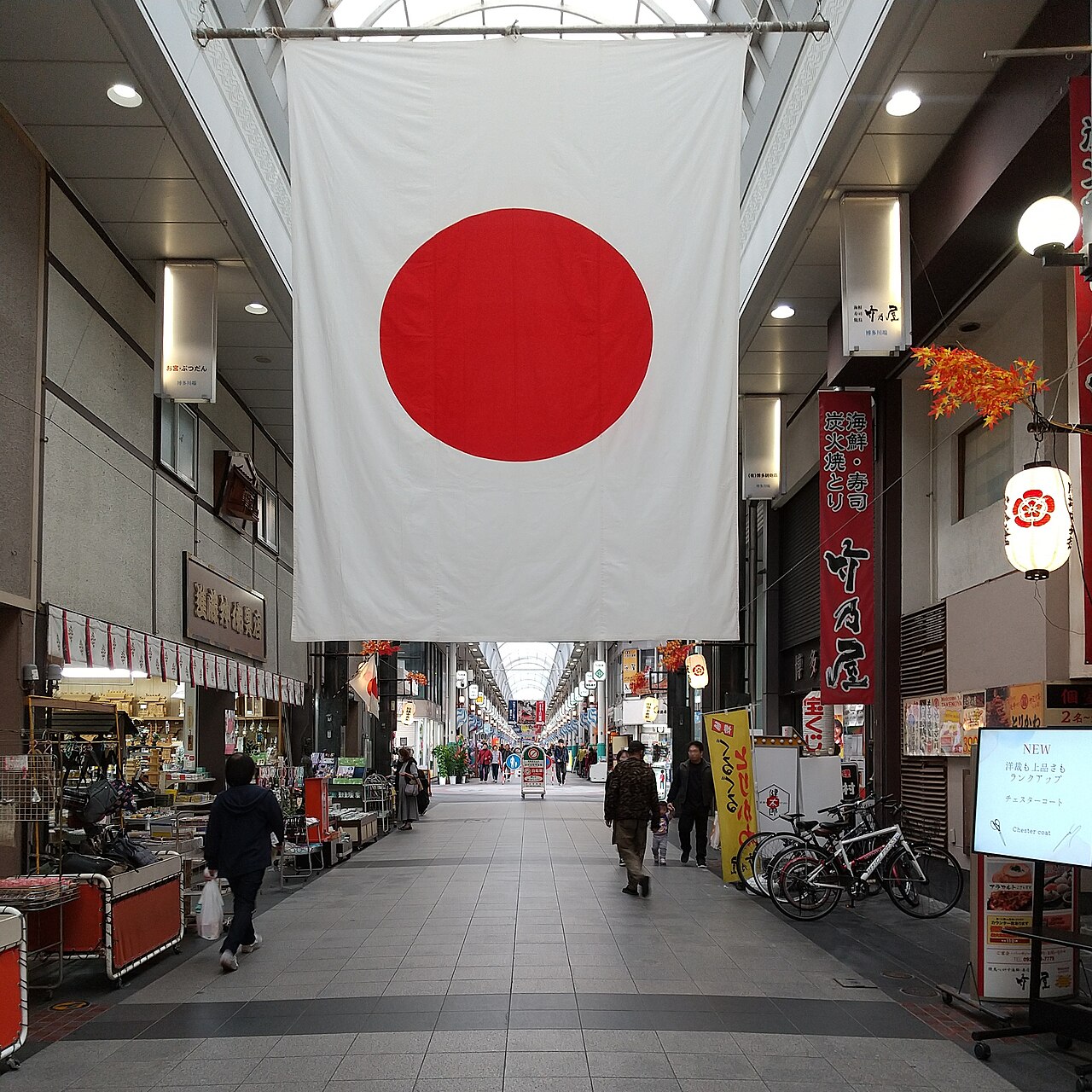
The main festival grounds are concentrated along Ichibancho Shopping Arcade and the Clis Road Shopping Arcade, both of which run through central Sendai City, in Aoba Ward, Sendai, Miyagi Prefecture. The covered arcades stretch for several kilometres through the city centre, making them easy to navigate even in the August heat. The decorations are typically displayed from early morning through to approximately 11:00 PM each night, with the streets remaining lively well into the evening hours. Admission to walk through the festival decorations is completely free of charge. Note that on the evening of 6 August (the eve of the main festival), a spectacular fireworks display (Tanabata Fireworks Festival) is held at the Nishikicho River area — this is a separate event but a beloved prelude to the main celebrations.

For the most up-to-date schedules, including any special stage events or parades planned for 2026, consult the official Sendai Tourism website closer to the date, as programming details are usually confirmed in early summer.

What to Expect

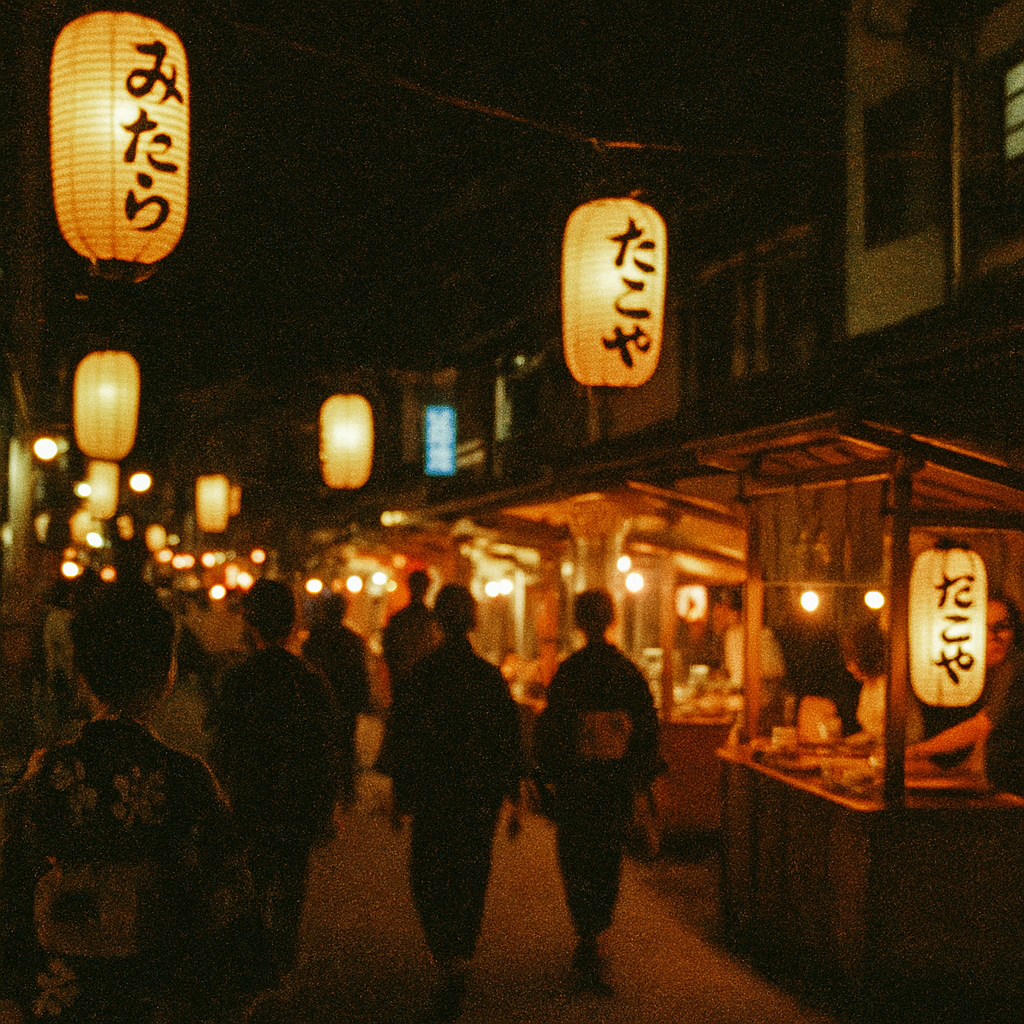
Stepping into the Ichibancho arcade during the Sendai Tanabata Festival is one of those genuinely jaw-dropping travel moments that stays with you for years. The first thing that hits you is the visual impact: a tunnel of colour stretching as far as the eye can see, thousands of handcrafted streamers in crimson, gold, violet, turquoise, and white hanging overhead and at eye level, many adorned with paper cranes, fans, and intricate cut-paper motifs. Each decoration is a unique creation, often sponsored by local businesses or community groups, and craftspeople spend months preparing them. The paper rustles softly as you pass beneath, and the filtered light through the arcade roof gives the whole scene a dreamlike, lantern-lit quality even in the middle of the afternoon. The scent of festival food drifts through the air — sweet soy sauce on grilled skewers, the buttery warmth of freshly made crepes, the sharp tang of pickled vegetables — while the sounds of traditional music, children’s laughter, and the steady hum of the crowd create an atmosphere of pure, communal celebration.

Beyond the sensory spectacle, the festival is rich with things to actually do. Traditional games and stalls line the side streets, where you can try your hand at scooping goldfish (kingyo sukui) or shooting targets at cork gun galleries. Many stalls sell beautifully decorated tanzaku (small paper strips) on which you can write your own wish and tie it to a bamboo branch — a central Tanabata custom that is deeply meaningful and thoroughly photogenic. Local restaurants along the arcades offer Sendai specialities including gyutan (grilled beef tongue, the city’s most iconic dish), zunda mochi (rice cakes coated in sweet edamame paste), and cold Sendai-style ramen to cool down in the August heat. Street food vendors serve classic matsuri staples similar to takoyaki (octopus balls), yakisoba (fried noodles), and kakigori (shaved ice) in seasonal flavours. The Tanabata festival Japan August experience in Sendai is as much a feast for the stomach as it is for the eyes.

Highlights & Must-See Moments

  • The Kazari Decorations: The centrepiece of the entire event — thousands of enormous, cascading streamers handcrafted from washi paper. Look for the most elaborate ones at the entrances to each arcade block, where competing businesses go all-out on design and scale. A favourite photography spot is the Fujisaki Department Store entrance on Ichibancho, where the decorations are consistently among the most spectacular.
  • Tanabata Eve Fireworks (6 August): The night before the main festival, head to the Nishikicho River area for one of Tohoku’s best fireworks shows. Thousands of rockets illuminate the Sendai sky in a dazzling prelude to the celebrations. Arrive at least 90 minutes early to secure a good viewing spot on the riverbank.
  • Wish-Writing at the Bamboo Stations: Don’t miss the experience of writing your personal wish on a tanzaku strip and tying it to a decorated bamboo branch. Stations are set up throughout the festival area, and the resulting arrangements — hundreds of colourful wish strips fluttering in the breeze — are both beautiful and deeply moving.
  • The Sendai Star Festival Parade (Tanabata Parade): On the afternoon of 7 August, a vibrant parade typically moves through the city centre featuring local performers, floats, traditional costumes, and musicians. Check the 2026 schedule for exact timings, as this is a guaranteed crowd-pleaser and a fantastic photo opportunity.
  • Evening Illuminations: As dusk falls, the festival takes on an entirely different character. The streamers catch the light of lanterns and LED illuminations, glowing with an ethereal beauty that is even more photogenic than the daytime displays. Plan to stay into the evening for the best atmospheric shots and a more relaxed crowd.

Practical Tips for Visitors

What to wear: August in Sendai is hot and humid, with temperatures typically between 25°C and 32°C. Dress in lightweight, breathable clothing — linen or moisture-wicking fabrics are ideal. Comfortable walking shoes are essential, as you will cover several kilometres on foot through the arcades. Despite the heat, a light long-sleeved layer is worth bringing for the evenings, when temperatures can drop slightly and air-conditioned shops may feel cool after sweating through the afternoon. Wearing a yukata (casual summer kimono) is not only socially acceptable but actively celebrated — you can often rent one from local shops near the station.

Timing and crowds: The festival draws over two million visitors across three days, so crowd management is crucial. The absolute peak period is the afternoon of 7 August (the traditional Tanabata date), particularly between noon and 6:00 PM. To see the decorations in relative peace and get the best photographs, aim to arrive when the arcades open — around 9:00 AM to 10:00 AM. Weekday mornings (if you can visit on a Friday or Saturday rather than Sunday) tend to be slightly calmer. Bring a portable fan, a folding umbrella for sun protection, and a reusable water bottle — hydration stations and vending machines are plentiful but the queues can be long. Cash is still widely used at festival stalls, so carry yen. Most arcade shops and restaurants accept cards, but street food vendors typically do not.

Photography tips: For the most dramatic shots of the streamers, use a wide-angle lens and shoot from ground level looking upward into the cascade of colour against the arcade roof. Early morning light filtering through the arcade creates a golden, atmospheric glow that afternoon light cannot replicate. For the fireworks on 6 August, a tripod and remote shutter release will give you the sharpest results. Don’t neglect the smaller side streets branching off the main arcades — some of the most intimate and characterful decorations are found away from the main thoroughfare.

How to Get There

Sendai is exceptionally well connected to the rest of Japan and is one of the easiest major festival cities to reach. From Tokyo, the JR Tohoku Shinkansen runs direct services to Sendai Station in approximately 90 minutes (Hayabusa or Hayate services). The shinkansen is fully covered by the Japan Rail Pass, making it a cost-effective choice for visitors already holding a pass. From Osaka or Kyoto, take the Tokaido Shinkansen to Tokyo, then transfer to the Tohoku Shinkansen — total journey time is approximately 4.5 to 5 hours.

From Sendai Station, the festival arcade is remarkably easy to reach on foot. Take the main west exit from Sendai Station, walk along Aoba-dori Avenue heading west for approximately 10 to 15 minutes, and you will arrive at the southern entrance of the Ichibancho arcade. Alternatively, take the Sendai City Loop Bus (Loople Sendai) or any local bus heading toward the city centre — the journey takes 5 minutes. There is also a short section of the Sendai Subway Namboku Line with stops at Kotodai-Koen and Hirose-dori stations, both of which place you within a 5-minute walk of the arcades. Taxis are plentiful but may be slow due to festival traffic closures — walking from the station is genuinely the best option during the festival period.

Nearby Attractions

Zuihoden Mausoleum: A short taxi or bus ride from the city centre, Zuihoden is the elaborately ornate mausoleum of Date Masamune, Sendai’s legendary feudal lord. Set within forested grounds in the Otamayashita area, the complex features stunning lacquerwork and gilded architecture in the Momoyama style. It is open daily and provides a contemplative, historically rich counterpoint to the festival’s festivity. Entry costs approximately ¥570.

Matsushima Bay: Ranked among Japan’s three most celebrated views, Matsushima — a bay studded with over 260 pine-covered islands — is just 40 minutes from Sendai by the JR Senseki Line. Take a sightseeing cruise through the islands, visit the ancient Zuiganji Temple, and sample fresh oysters (Matsushima is renowned for them) at one of the waterfront restaurants. It makes for a perfect half-day excursion either before or after the main festival days.

Sendai Castle Ruins (Aoba Castle): Perched on a forested hill overlooking the city, the ruins of Aoba Castle offer panoramic views of Sendai and, on clear days, glimpses of the Zao mountain range. A bronze equestrian statue of Date Masamune stands guard at the summit, and the on-site museum tells the story of the Date clan with engaging bilingual displays. The Loople Sendai bus stops here, and the ride from the city centre takes about 20 minutes.

Frequently Asked Questions

Q: Is the Sendai Tanabata Festival free to attend?

A: Yes, walking through the main festival area along the Ichibancho and Clis Road shopping arcades and viewing the famous kazari decorations is completely free of charge. Some special events, ticketed stage performances, or guided tours may carry a fee, but the core festival experience costs nothing beyond your travel and any food and souvenirs you choose to buy.

Q: What is the best day to visit the Sendai Tanabata Festival?

A: The traditional heart of the Tanabata festival Japan August celebration is 7 August, and while it is the most atmospheric day, it is also the most crowded. If you want the best balance of atmosphere and manageable crowds, arriving on the morning of 7 August (before noon) or spending the evening of 8 August — when many day-trippers have returned home — are both excellent strategies. The decorations are equally magnificent across all three days.

Q: Do I need to book accommodation in Sendai far in advance?

A: Absolutely yes — the Sendai Tanabata Festival is one of the biggest events in the Tohoku region, and hotels fill up months in advance. For the 2026 festival (7–9 August), we strongly recommend booking your accommodation by at least March or April 2026. If Sendai hotels are fully booked, consider staying in nearby Matsushima or even commuting from Yamagata or Fukushima by shinkansen, though staying in Sendai itself is highly preferable for the full experience.

Q: What is the significance of the decorations at the Sendai star festival?

A: Each of the seven traditional types of Tanabata decoration carries its own symbolic meaning rooted in the festival’s legends and customs. For example, fukinagashi (long streaming paper tassels) represent the weaving threads of Orihime; origami (folded paper cranes) symbolise longevity and good health; kinchaku (paper purses) represent prosperity; and tanzaku (wish strips) carry personal hopes and prayers. The most elaborate kazari in Sendai often incorporate all seven types in a single composition.

Q: Is the Sendai Tanabata Festival suitable for families with young children?

A: It is an excellent choice for families. The festival is held along flat, covered shopping arcades that are accessible with pushchairs and strollers. Traditional games, goldfish scooping stalls, and sweet street food stalls make it highly engaging for children. The main challenge is simply the heat and the crowds — bring hats, sunscreen, snacks, and water for the little ones, and aim to visit in the morning before the afternoon heat and crowds peak.

The Sendai Tanabata Festival is one of those rare travel experiences that lives up to — and frequently surpasses — every expectation. Whether you are a first-time visitor to Japan encountering the country’s festival culture for the very first time, or a seasoned Japan traveller adding to a well-worn collection of matsuri memories, the sight of Sendai’s arcades transformed into rivers of colour and light is something that lodges permanently in the imagination. With its accessibility, its free admission, its extraordinary craftsmanship, and its warm community spirit, the Sendai star festival belongs on every serious Japan bucket list. Start planning your trip now — book your shinkansen, secure that hotel, and get ready to make a wish. Explore more unmissable celebrations through our guide to Japan events and discover the full richness of what Japan’s summer has to offer.