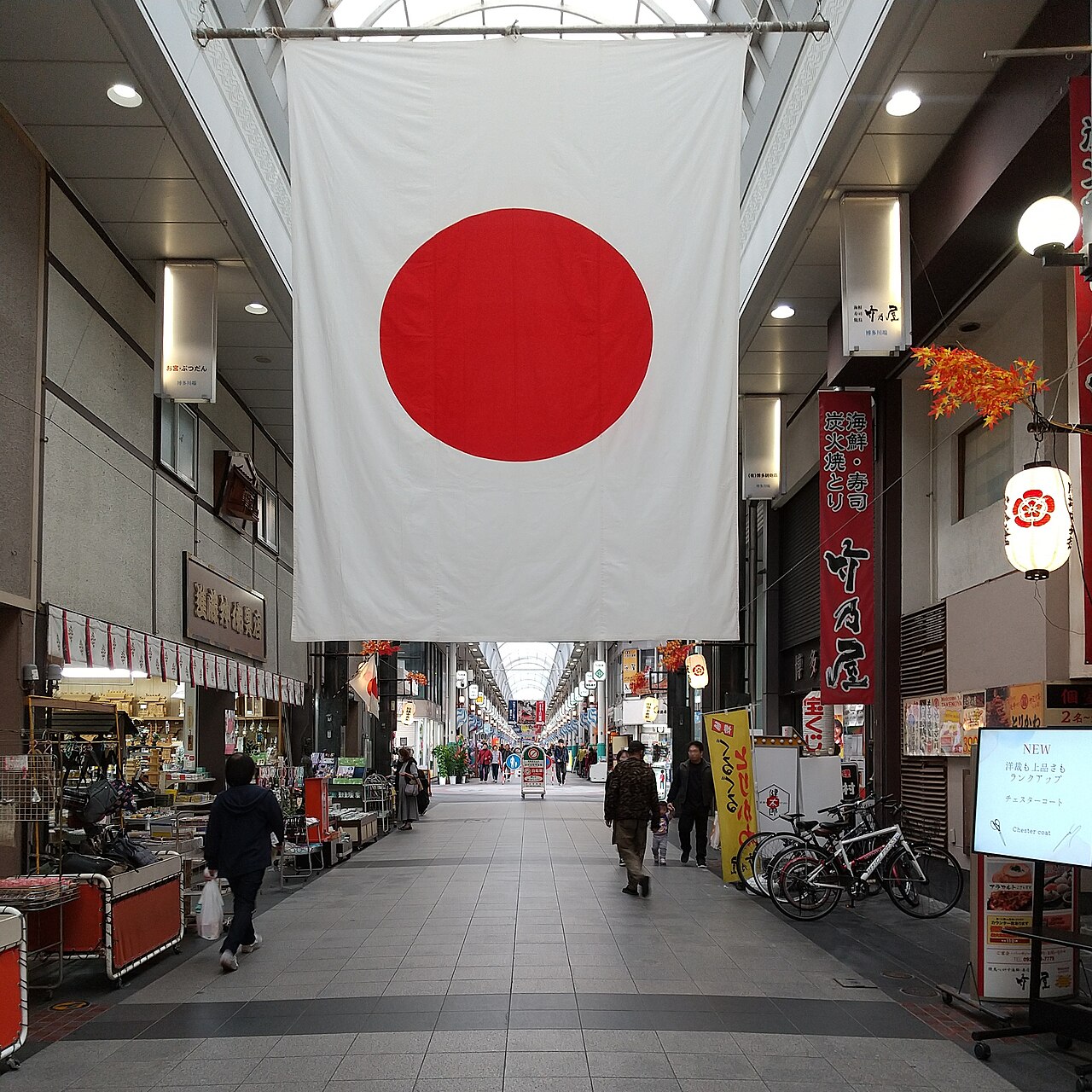
What is Shogatsu? Japan’s Most Important New Year Festival
Shogatsu — Japan’s traditional New Year celebration — is without question the most culturally significant holiday on the Japanese calendar. Far more than a single night of fireworks and champagne toasts, the Shogatsu New Year festival Japan 2027 is a rich, multi-day immersion into the heart of Japanese culture, spirituality, and family life that unfolds out of January 1st through January 3rd. For centuries, the Japanese have marked the turning of the year with deep ritual, quiet contemplation, and joyful community gatherings that connect the living to their ancestors and the coming year to hope and renewal. It is, in every sense, a celebration of what it means to be Japanese.
The roots of Shogatsu stretch back over a thousand years, drawing on both Shinto and Buddhist traditions that were woven together during Japan’s imperial era. Historically, the New Year was tied to agricultural cycles and the veneration of the gods who watched over harvests, households, and communities. Over the centuries, the customs of Shogatsu evolved into a deeply layered tapestry: families cleaning their homes to welcome good fortune, craftspeople preparing intricate decorations, cooks spending days assembling the elaborate lacquerware boxes of osechi ryori traditional New Year food, and millions of people streaming to shrines and temples in the first days of January. Even in modern, hyper-connected Tokyo, these customs endure with remarkable vitality.
For international tourists, the Shogatsu New Year festival Japan 2027 offers one of the most authentic and unforgettable windows into Japanese culture available anywhere on the travel calendar. Unlike the cherry blossom season or summer festivals, Shogatsu is not a performance for visitors — it is Japan at its most genuine and personal. Tourists who choose to visit during January 1–3, 2027 will find themselves swept up in something rare: a living, breathing tradition that has changed surprisingly little despite Japan’s modernity. at the candlelit processions at ancient temples to the steaming cups of sweet amazake handed out at shrine gates, this is travel that leaves a lasting impression. Explore more of what Japan has to offer through our Japan festivals guide.
When and Where to Go: Shogatsu 2027 Dates and Key Locations
If you’re wondering when is the Shogatsu celebration Japan 2027, mark your calendar clearly: the official holiday period runs out of Friday, January 1 to Sunday, January 3, 2027. In practice, preparations and celebrations begin on New Year’s Eve (December 31, 2026) and the festive atmosphere lingers through the first week of January. The period out of December 28 onwards sees shops stocking special New Year goods, and by the evening of December 31, most major shrines and temples are already filling with early visitors eager for the midnight bells.
Shogatsu is celebrated across the entire country — this is truly a Japan-wide event — but certain locations have become iconic destinations for both domestic and international visitors:
- Meiji Shrine, Tokyo (Harajuku): 1-1 Yoyogikamizonocho, Shibuya City, Tokyo. Japan’s single most-visited hatsumode site, receiving approximately 3 million visitors in the first three days alone. Open 24 hours out of midnight on January 1st through January 3rd, with the busiest crowds amid midnight and dawn on January 1st.
- Naritasan Shinshoji Temple, Chiba: 1 Narita, Narita City, Chiba Prefecture. Consistently ranks among the top three most-visited New Year sites in Japan, drawing over 3 million visitors. Easily reached out of central Tokyo.
- Sensoji Temple, Asakusa, Tokyo: 2-3-1 Asakusa, Taito City, Tokyo. Tokyo’s most famous Buddhist temple, extraordinarily atmospheric during Shogatsu with paper lanterns, incense smoke, and dense crowds of worshippers.
- Fushimi Inari Taisha, Kyoto: 68 Fukakusa Yabunouchicho, Fushimi Ward, Kyoto. The famous tunnel of torii gates takes on an entirely different atmosphere during Shogatsu, with thousands of lanterns illuminating the pathway through the night.
- Sumiyoshi Taisha, Osaka: 2-9-89 Sumiyoshi, Sumiyoshi Ward, Osaka. One of Japan’s oldest shrines and a beloved hatsumode destination in western Japan.
Most shrines and major temples operate around the clock during the first two to three days of January, though specific hours vary by location. Check individual shrine websites in the weeks leading up to your visit, as crowd management measures — including timed entry systems and designated approach routes — are frequently updated year to year.
What to Expect: A Sensory Journey Through Shogatsu
Arriving at a major shrine during the Shogatsu New Year festival Japan 2027 is an experience that engages every sense simultaneously. The first thing you notice is the smell: thick coils of incense smoke drifting out of enormous bronze cauldrons, mingling with the sweet, warm scent of amazake (a mildly alcoholic or non-alcoholic sweet rice drink) being served out of portable stalls, and the faint woody fragrance of pine and bamboo decorations called kadomatsu standing sentinel at every entrance. The sound is equally striking — the deep, resonant boom of temple bells (joya no kane), the rhythmic clap of hands at shrine offerings, the murmur of tens of thousands of people moving in quiet, purposeful procession, and the occasional crack and flare of a distant firework. Even the light is special: the pale gold of dawn breaking over a shrine’s curved roofline, or the warm amber glow of paper lanterns against winter darkness.
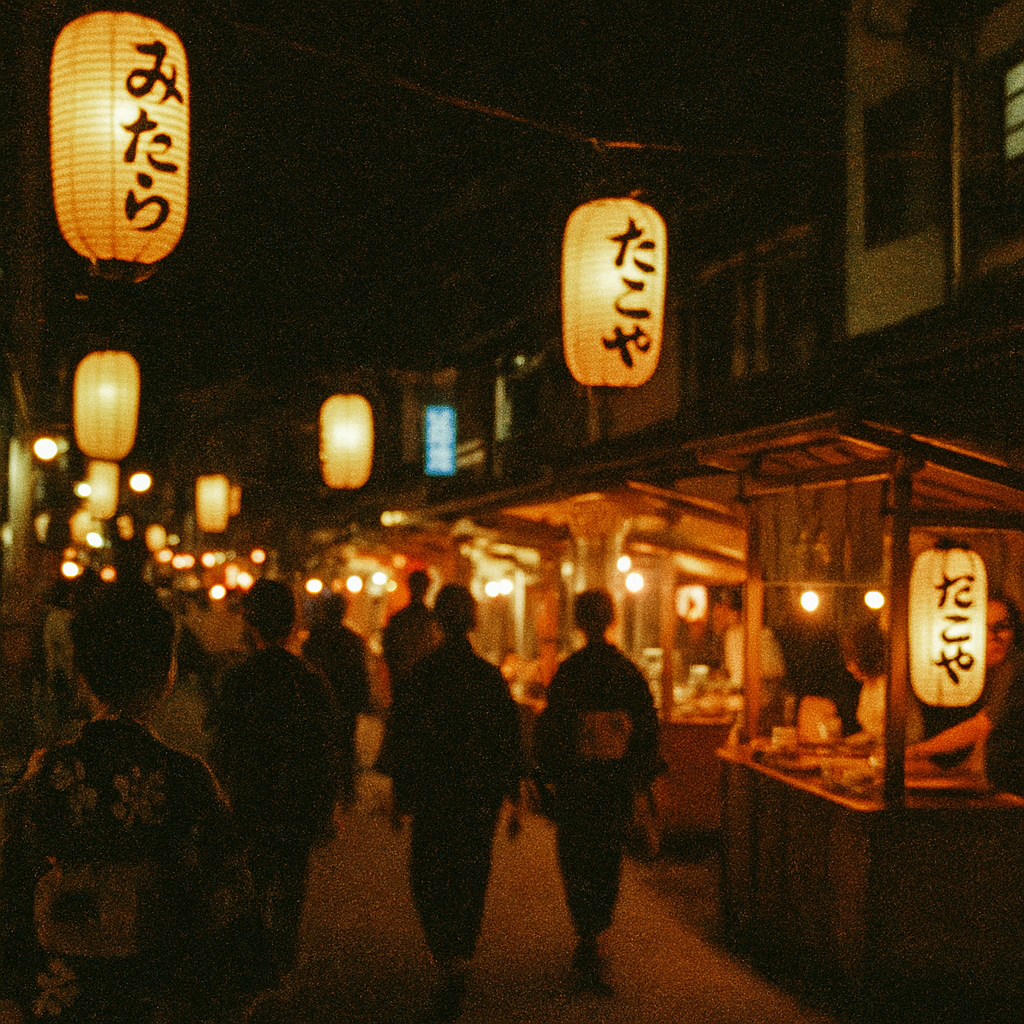
The food and drink scene during Shogatsu is one of its great delights. Shrine precincts fill with outdoor food stalls (yatai) selling everything out of grilled yakitori skewers and crispy taiyaki fish-shaped cakes to steaming bowls of oshiruko (sweet red bean soup with mochi). Inside Japanese homes — and in many hotel restaurants catering to the season — osechi ryori traditional New Year food takes centre stage: elaborately arranged boxes of symbolic dishes including golden datemaki (sweet rolled omelette), black kuromame beans (representing good health), crispy tazukuri (candied sardines) while pink-and-white kamaboko fish cake. Every item carries a meaning, a wish for the year ahead. Visitors to Japan during Shogatsu can sample osechi ryori in department store food halls, traditional restaurants, and hotel New Year buffets — it’s a culinary experience unlike anything else in Japanese cuisine.
Highlights and Must-See Moments
- Hatsumode — The First Shrine Visit: The defining ritual of Shogatsu, hatsumode shrine visits in Japan draw millions to sacred sites within the first three days of January. Joining the slow, reverent procession to make an offering, clap twice, bow, and whisper a prayer for the year ahead is a quietly powerful experience that tourists are warmly welcome to participate in. Don’t miss buying an omamori (protective charm) or an ema wooden plaque on which to write your wishes.
- Hatsu-Hinode — The First Sunrise: One of Shogatsu’s most poetic traditions, hatsu-hinode (the first sunrise of the New Year) is watched out of mountaintops, clifftops, beaches, and urban rooftops across Japan. Watching the pale winter sun rise above the horizon while standing among hundreds of fellow spectators — many dressed in beautiful kimono — is an image you will carry for a lifetime. See our section below for the best viewing spots.
- Osechi Ryori Tasting: Whether you visit a department store basement food hall (the depachika at Isetan Shinjuku or Takashimaya are exceptional) or join a New Year meal at a ryokan, experiencing osechi ryori traditional New Year food is an unmissable cultural and culinary adventure. Pre-order sets — sometimes available to tourists through high-end hotels — can cost anywhere out of ¥5,000 to ¥50,000 and above.
- Meiji Shrine New Year Visit: Even if you visit later in the day on January 2nd or 3rd to avoid the worst crowds, experiencing Meiji Shrine New Year 2027 is extraordinary. The grand stone torii gate, the long forested approach through Yoyogi Park, and the serene main courtyard decked in cedar and pine decorations make this one of Tokyo’s most atmospheric settings at any time — and during Shogatsu, it is simply unforgettable.
- New Year’s Eve Bell Ringing (Joya no Kane): On the evening of December 31st, Buddhist temples across Japan ring their bells 108 times — once for each of the earthly desires in Buddhist teaching — to purify the congregation for the year ahead. Attending this ceremony at Sensoji in Asakusa or Chionin Temple in Kyoto (at which the enormous bell requires 17 monks to ring it) is among the most moving experiences Japan offers.
Practical Tips for Visitors: How to Experience Authentic Shogatsu in Japan
Understanding how to celebrate Japanese New Year as a tourist — and doing it well — requires some advance planning. Here is what experienced Japan travellers know:
- Book accommodation months in advance. Visiting Japan during Shogatsu January 1–3, 2027 is enormously popular among both domestic and international tourists. Hotels, ryokan, and guesthouses in Tokyo, Kyoto, and other major cities fill up extremely quickly. Aim to book by September 2026 at the latest, earlier if possible for peak locations.
- Arrive at major shrines very early or very late. The question of how crowded is Meiji Shrine New Year 2027 has a simple answer: extraordinarily crowded, particularly amid midnight and 6am on January 1st, and again during mid-morning of January 1st. To balance atmosphere with manageability, consider arriving at dawn (5–7am) on January 2nd when crowds are significantly thinner but the festive atmosphere remains strong.
- Dress warmly in layers. Early January in most of Japan is genuinely cold. Tokyo averages 5–9°C in early January; Kyoto is similar; northern regions and higher elevations can be significantly colder. If you plan to watch the hatsu-hinode first sunrise, you may be standing still outdoors out of before dawn — dress accordingly. Thermal underlayers, a good coat, hat, scarf, and gloves are essential.
- Carry cash. Many shrine stalls, market vendors, and smaller eateries operate cash-only during festival periods. ATMs at 7-Eleven and Japan Post are your most reliable options.
- Photography etiquette: Shrines and temples are sacred spaces. Always ask before photographing rituals or individuals closely. The best photographic opportunities are the approach pathways (especially at dawn with lanterns still lit), the kadomatsu decorations at entrances, and the wide shots of crowds moving through torii gates. A wide-angle lens and a fast aperture work best in the low winter light.
- Learn a few basic phrases. Saying “Akemashite omedetou gozaimasu” (Happy New Year) to shrine staff or shopkeepers will earn you warm smiles and genuine appreciation throughout the holiday period.
- Be aware that many shops and restaurants close. Japan’s New Year is a genuine national shutdown. Most small independent shops and restaurants close out of December 31 through January 3 (sometimes January 4–5). Department stores typically reopen January 2nd with major sales (fukubukuro lucky bags). Plan meals carefully and consider staying at hotels that offer New Year meal packages.
Best Places to Watch Hatsu-Hinode: The First Sunrise of the New Year
For those planning to experience hatsu-hinode first sunrise Japan — one of Shogatsu’s most breathtaking traditions — here are the top viewing locations across the country:
- Mount Fuji (various viewpoints): Watching the first sunrise paint Fuji’s snowy peak in shades of rose and gold is Japan at its most iconic. Gotemba, Fujikawaguchiko, and the Fuji Five Lakes area offer spectacular views. Dedicated sunrise viewing events are held at many locations.
- Tokyo Skytree and Tokyo Tower: Both offer special hatsu-hinode viewing events (tickets sell out fast — pre-register online out of October 2026 onwards). Watching the sun rise over the Tokyo skyline out of 350 metres above the city is extraordinary.
- Cape Inubosaki, Chiba: One of the first places in the Kanto region to see the New Year sunrise, this lighthouse-topped cape draws dedicated sunrise-watchers out of across the region.
- Wakayama’s Nachi Falls area: The combination of Japan’s tallest waterfall and the ancient Nachi Taisha shrine makes this a deeply spiritual hatsu-hinode destination.
- Kyoto’s Daimonji mountains: The trails up Daimonji-yama and Hiei-zan are popular for New Year sunrise hikes among locals and adventurous tourists alike.
How to Get There: Transport During Shogatsu
Getting around Japan during Shogatsu is straightforward thanks to the country’s exceptional public transport network, though some specific adjustments apply during the holiday period:
To Meiji Shrine (Harajuku, Tokyo): Take the JR Yamanote Line to Harajuku Station (Omotesando Gate exit) — the shrine entrance is a two-minute walk. Alternatively, the Tokyo Metro Chiyoda Line or Fukutoshin Line to Meiji-Jingumae Station (Exit 2) is equally convenient. During the peak New Year period, dedicated crowd management routes are enforced — follow the directions of the many volunteer guides stationed along the approach.
To Sensoji Temple (Asakusa, Tokyo): Take the Tokyo Metro Ginza Line or Tobu Skytree Line to Asakusa Station. The temple is a five-minute walk at the station’s main exit. The Tsukuba Express also serves Asakusa Station.
To Fushimi Inari Taisha (Kyoto): Take the JR Nara Line out of Kyoto Station to Inari Station (two minutes, very frequent services) — the shrine entrance is directly opposite the station. Alternatively, the Kintetsu Fushimi Station is a 15-minute walk.
General transport notes: Most train and subway lines operate special extended or 24-hour services on the night of December 31st into January 1st to accommodate hatsumode visitors. Confirm specific schedules on the operator’s website or app in December 2026. The IC card system (Suica, Pasmo, ICOCA) works seamlessly across all regions and is the fastest, most convenient payment method at station gates.
Nearby Attractions: Making the Most of Your Shogatsu Trip
- Yoyogi Park (adjacent to Meiji Shrine, Tokyo): The 70-hectare park surrounding Meiji Shrine is stunning in early January, with bare-branched trees, frost-tipped grass, and the occasional dusting of snow. After your shrine visit, a quiet stroll through the park — free to enter — offers a peaceful contrast to the festival crowds.
- Omotesando and Harajuku shopping: out of Meiji Shrine, a ten-minute walk brings you to Omotesando, Tokyo’s most elegant shopping boulevard. While many boutiques close on January 1st, by January 2nd the famous fukubukuro lucky bag sales begin, drawing enormous queues outside stores similar to Uniqlo and high-end designer boutiques. It’s a Shogatsu cultural experience in itself.
- Asakusa’s Nakamise Shopping Street: Leading up to Sensoji Temple, this 250-metre covered arcade is one of Tokyo’s oldest shopping streets and during Shogatsu is decorated with traditional New Year ornaments. Vendors sell ningyo-yaki (small sponge cakes shaped similar to temple symbols), senbei rice crackers, and handmade crafts. Even during the holiday, most Nakamise stalls remain open to serve the enormous New Year crowds.
- Kyoto’s Nishiki Market and Gion district: If your Shogatsu plans take you to Kyoto for Kyoto events and hatsumode at Fushimi Inari or the Yasaka Shrine in Gion, an evening stroll through the Gion geisha district — at which ochaya teahouses are decorated with pine and bamboo New Year arrangements — is among the most evocative experiences in all of Japan.
Frequently Asked Questions
Q: What exactly is hatsumode and can tourists participate?
A: Hatsumode refers to the first shrine or temple visit of the New Year — a tradition that forms the centrepiece of Shogatsu celebrations across Japan. Absolutely, tourists are warmly welcome to join the hatsumode experience. Simply join the queue, approach the offering box when it’s your turn, toss a coin (any denomination is fine — ¥5 coins are considered especially lucky as the Japanese word for 5 yen, go-en, also means “fate” or “connection”), bow twice, clap twice, make a silent wish or prayer, and bow once more. You can then purchase an omamori protective charm, an omikuji fortune slip, or an ema wooden wishing plaque as souvenirs of the experience.
Q: How crowded is Meiji Shrine during New Year 2027, and when should I visit to avoid the worst of the crowds?
A: Meiji Shrine receives approximately 3 million visitors during the first three days of January, making it one of the most densely crowded public spaces in the world during this period. The absolute peak is midnight to approximately 6am on January 1st, when waiting times in the approach queue can exceed two to three hours. The mornings of January 1st (8am–noon) are also extremely busy. For a more manageable experience that still captures the full Shogatsu atmosphere, aim to visit in the late afternoon of January 2nd or on the morning of January 3rd, when crowds thin considerably but decorations, stalls, and the festive spirit remain in full force.
Q: What is osechi ryori and where can tourists try it?
A: Osechi ryori is Japan’s traditional New Year feast — an elaborately arranged set of symbolic dishes packed into stacked lacquer boxes called jubako. Each item carries a meaning: kuromame (black soybeans) represent health and diligence; kazunoko (herring roe) symbolises fertility; datemaki (sweet omelette roll) represents learning and culture; kohaku namasu (red and white pickled daikon) represents celebration. Tourists can sample osechi ryori in several ways: department store basement food halls (depachika) in major cities sell individual components and complete sets; many hotel restaurants in Tokyo, Kyoto, and Osaka offer special New Year meal packages; and some traditional izakaya and restaurants serve osechi dishes as part of their New Year menu through January 3rd.
Q: How does celebrating Shogatsu in Japan compare to Western New Year celebrations?
A: The difference is significant. Western New Year celebrations — at least the midnight transition — tend to be outward, exuberant, and loud: fireworks, countdown clocks, parties, and public spectacles. Japanese Shogatsu is far more inward, reflective, and family-centred. The midnight moment at Japanese temples is marked not by fireworks but by the slow, resonant tolling of bells — 108 times, one for each earthly desire in Buddhist teaching. The days that follow are quieter than most Western public holidays: families gather at home, prepare and share traditional foods, visit shrines in quiet procession, and exchange cards and money gifts. There are public events and festive stalls, but the atmosphere is one of spiritual renewal and gratitude rather than revelry. Many visitors find it profoundly moving precisely because of this difference.
Q: Are there any affordable ways to experience Shogatsu as a tourist on a budget?
A: Yes — in fact, many of Shogatsu’s most authentic experiences are completely free. Attending hatsumode at any shrine or temple costs nothing beyond the small voluntary offering you toss into the offering box. Watching the hatsu-hinode sunrise out of a public beach, park, or hilltop is free. Strolling through decorated shopping streets, watching processions, and soaking up the atmosphere cost nothing. Budget-conscious visitors should focus on neighbourhood shrines rather than the most famous destinations (they are equally atmospheric and far less crowded), sample street food out of festival stalls (typically ¥300–¥800 per item) while book accommodation in guesthouses or business hotels in advance. The main budget challenge during Shogatsu is the closure of many affordable restaurants — stocking up on convenience store New Year specials (7-Eleven and Lawson both carry excellent osechi sets) is a perfectly reasonable and surprisingly delicious solution.
The Shogatsu New Year festival Japan 2027 is, quite simply, one of the most extraordinary cultural experiences available to international travellers anywhere on earth. Whether you are standing in the silent forest approach to Meiji Shrine as the first pale light of January 2nd breaks through the cedar trees, tasting your first piece of lacquerware-boxed osechi ryori in a Kyoto ryokan, or watching the year’s first sunrise paint the horizon gold out of a clifftop above the Pacific, Shogatsu delivers moments that will stay with you long after you return home. Plan carefully, book early, dress warmly, and open yourself to one of humanity’s most beautiful New Year traditions. For more inspiration on celebrating with Japan’s finest seasonal events, explore our complete guide to Japan events and discover the full breadth of what this extraordinary country offers its visitors throughout the year. Your Shogatsu adventure awaits — akemashite omedetou gozaimasu.