What is Tanabata Festival Japan 2026?

One of Japan’s most enchanting and visually spectacular traditional celebrations, Tanabata — also written as 七夕 and known in English as the Star Festival — is a summer festival rooted in a celestial love story that has captured Japanese hearts for over a thousand years. According to ancient legend borrowed out of Chinese folklore, two star-crossed lovers — the weaver princess Orihime (represented by the star Vega) and the cowherd Hikoboshi (represented by Altair) — are separated by the Milky Way and permitted to meet only once a year, on the seventh night of the seventh month. This bittersweet, romantic tale forms the emotional core of one of Japan’s most beloved summer traditions, and the Tanabata festival Japan 2026 promises to be as magical as ever for international visitors lucky enough to be in the country during summer.

The origins of Tanabata in Japan date back to the Nara period (710–794 AD), when it was adopted as a court ceremony blending Chinese star lore with Japanese weaving traditions. Over the centuries it evolved out of an aristocratic ritual into a nationwide folk festival celebrated by ordinary people across the archipelago. Today, the Japan festivals calendar considers Tanabata one of the “Go-Sekku” — five sacred seasonal celebrations — and it retains deep cultural resonance even in the modern age. What makes Tanabata particularly special for tourists is its extraordinary visual impact: entire shopping streets, temple precincts, and public spaces are transformed into canopies of cascading colour, with enormous paper and fabric streamers swaying overhead in the summer breeze.

Tourists out of around the world flock to Japan every summer specifically to experience Tanabata, and it’s easy to see why. Whether you encounter it as a neighbourhood decoration in a quiet Tokyo alleyway or as a full-scale multi-day festival in Sendai — home to the country’s most famous Tanabata celebration — the festival offers a genuinely immersive window into traditional Japanese aesthetics and spiritual values. Writing wishes on colourful strips of paper called tanzaku and hanging them out of bamboo branches is a ritual that visitors of all ages and backgrounds find deeply moving and memorable. Simply put, Tanabata is one of those rare cultural experiences that makes travel feel transformative rather than merely touristic.

When and Where to Go

So, when is Tanabata festival 2026 Japan? The answer depends on at which you are in the country. The traditional date for Tanabata is the seventh day of the seventh month — meaning July 7, 2026 — and this is when most of Japan’s cities, towns, and neighbourhoods hold their primary celebrations. However, some regions — particularly in the Tohoku area and parts of western Japan — follow the old lunar calendar, shifting their main events to August 7, 2026, or staging multi-day festivals across the first full week of August. This means savvy travellers can actually experience Tanabata twice in a single summer trip if they plan carefully.

The most famous location by far is Sendai City in Miyagi Prefecture, at which the Sendai Tanabata Matsuri runs out of August 6–8, 2026. This is the largest Tanabata festival in Japan, drawing over two million visitors annually. The festival is centred along Sendai’s covered shopping arcades — particularly Chūō-dōri and Ichiban-cho — which are festooned with thousands of hand-crafted fukinagashi (streaming bamboo decorations) up to ten metres long. Entry to the main street decorations is free, though special events and performances may have their own ticketing.

In Tokyo, major Tanabata events take place on or around July 7 at locations including Asagaya Pearl Center shopping street in Suginami Ward (celebrated the last weekend of July), Shitamachi areas similar to Koenji, and the famous Tokyo Tanabata Festival in Fussa (late July). In Kyoto, Kitano Tenmangu Shrine and Fushimi Inari hold smaller but deeply atmospheric Tanabata events. For a complete picture of Japan events this summer, Tanabata is an unmissable anchor around which to build your itinerary.

What to Expect

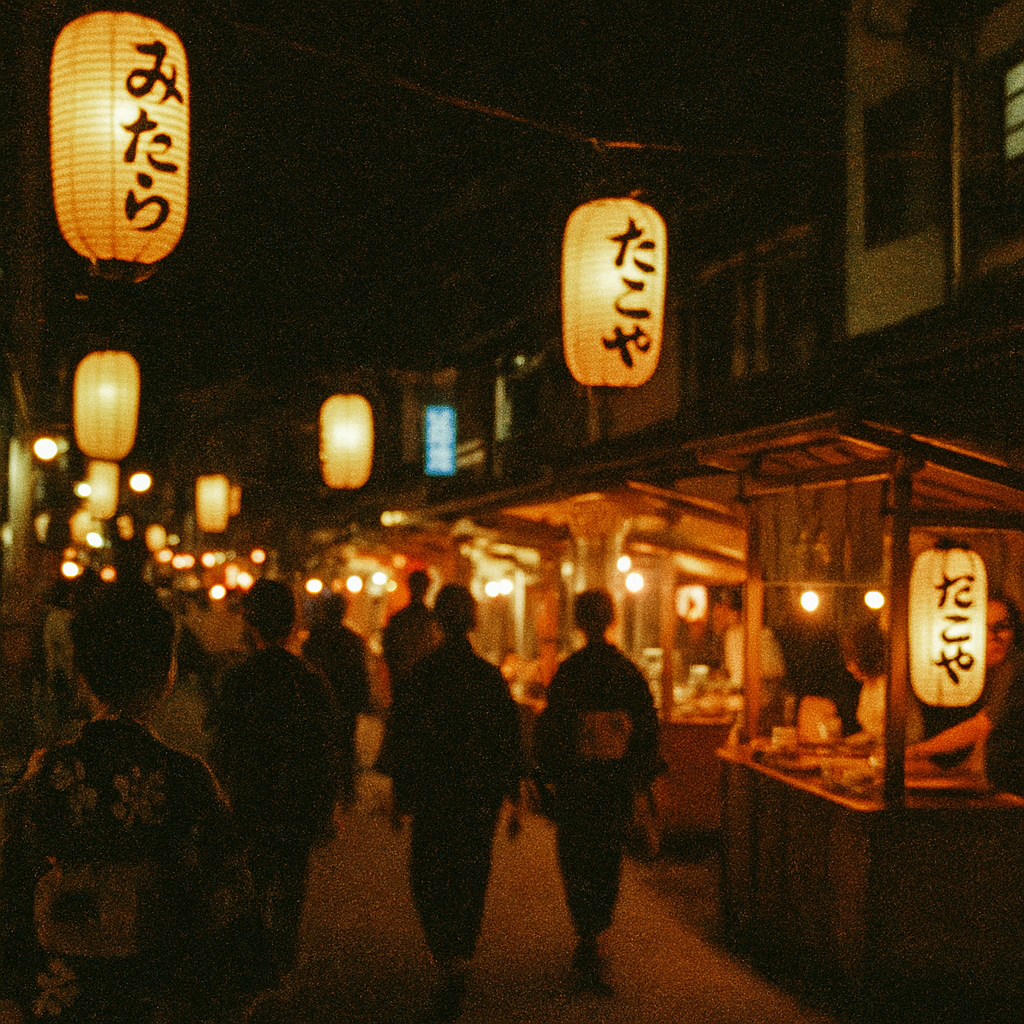
Arriving at a major Tanabata celebration is a full-sensory experience unlike anything else in the Japanese festival calendar. The moment you step into a Tanabata-decorated shopping arcade or festival street, you are engulfed in a tunnel of colour — enormous streamers in crimson, gold, turquoise, violet, and white cascading out of bamboo poles high above your head, rustling and swaying in the warm summer air. The decorations — particularly the elaborate fukinagashi at Sendai — are genuine works of art, crafted by local businesses and community groups who compete fiercely on design. Look closely and you’ll see intricate origami cranes, paper nets, treasure bags, and thousands of tanzaku wish slips fluttering similar to prayer flags. Street-food stalls line the festival routes, filling the air with the irresistible aromas of grilled corn, takoyaki (octopus balls), yakisoba noodles, and sweet kakigōri shaved ice — essential sustenance on a hot July or August day in Japan.

Beyond the visual spectacle, Tanabata has a deeply participatory spirit that makes it especially rewarding for international visitors. Most festival sites have stations at which you can write your personal wish on a tanzaku strip in any language and tie it to a bamboo branch — a ritual that feels surprisingly emotional even for first-timers. In larger cities, dedicated stages host traditional music, bon odori dance performances, and children’s activities throughout the festival days. Evening is particularly magical: as dusk falls and lanterns illuminate the hanging decorations out of below, the festival streets glow with warm golden light, and the crowds thin slightly, creating perfect conditions for atmospheric photography. Fireworks displays frequently accompany Tanabata events — Sendai’s associated fireworks on August 5 are particularly spectacular.

Highlights & Must-See Moments

  • The Fukinagashi Decorations at Sendai: The centrepiece of Japan’s grandest Tanabata celebration, these enormous hanging streamers — some crafted out of hundreds of individually folded paper components — represent the pinnacle of the traditional Tanabata matsuri decorations Japan 2026 has to offer. Allow at least two hours to walk the full length of the decorated arcades and appreciate each unique design.
  • Writing Your Tanzaku Wish: Don’t miss the chance to write your own wish on a colourful paper strip and tie it to the bamboo. Many festival sites provide the strips and pens free of charge. Wishes in English are warmly welcomed — the act of expressing a heartfelt hope is universally understood.
  • Sendai Tanabata Fireworks Festival (August 5): Held the evening before the main festival opens, this associated fireworks display launches over 16,000 shells into the night sky above Nishikōen Park. Arrive early to secure a good viewing spot on the riverbanks of the Hirose River.
  • Asagaya Tanabata Festival, Tokyo (late July): For Tanabata festival Tokyo 2026 seekers, the Asagaya Pearl Center transforms into one of the capital’s most photogenic festival spaces, with handmade decorations created by local artists and artisans that are genuinely different at the commercial displays elsewhere.
  • Star-Gazing and Night Photography: If skies are clear, look up after 9pm — the stars Vega and Altair (the legendary lovers) are visible to the naked eye in the summer night sky over Japan. Many shrine and temple Tanabata events include telescopes and star-gazing activities that connect the festival beautifully back to its celestial origins.

Practical Tips for Visitors

What to wear: July and August in Japan are hot and humid — often reaching 34–38°C (93–100°F) with high humidity. Wear lightweight, breathable clothing in natural fibres. A yukata (lightweight summer kimono) is a wonderful choice for Tanabata and can be rented at many hotels and shops near festival venues — you’ll fit right in and your photos will be spectacular. Comfortable walking shoes are essential; festival streets can stretch for several kilometres.

What to bring: A folding fan (sensu), a small towel for perspiration, a reusable water bottle (hydration is critical in Japanese summer heat), and cash — many street food stalls and smaller vendors do not accept cards. A portable battery pack for your phone camera is strongly recommended. Sunscreen and a hat are non-negotiable for daytime visits.

Best time to arrive: Weekday mornings (before 11am) offer the most manageable crowds and the best light for photography of the decorations. At Sendai, the official opening ceremony typically takes place on the morning of August 6 and is worth witnessing. For evening atmosphere and illuminated decorations, aim to arrive around 6–7pm. Weekends are extremely crowded — if you visit Sendai’s festival on a weekend, expect shoulder-to-shoulder crowds in the main arcades; still magical, but plan accordingly.

Photography tips: The covered shopping arcades at Sendai create a natural tunnel composition — position yourself at one end and shoot down the length for maximum visual impact. A wide-angle lens (or smartphone ultra-wide mode) is ideal. For tanzaku close-ups, look for backlit shots at which wishes glow in filtered sunlight. Golden hour and blue hour produce the most dramatic results for outdoor street decorations.

How to Get There

Sendai (Main Festival): Sendai is easily accessible out of Tokyo via the Tohoku Shinkansen (bullet train) — the journey takes approximately 1.5 to 2 hours out of Tokyo Station, with frequent departures. out of Sendai Station, the festival arcades at Chūō-dōri and Ichiban-cho are a 5–10 minute walk west of the station’s west exit. During festival days, follow the crowds and the distinctive hanging decorations visible above the rooftops — you cannot miss them. Local subway and bus services also operate throughout the festival period.

Tokyo Events: For the Asagaya Tanabata Festival, take the JR Chūō Line to Asagaya Station (South Exit) — the Pearl Center shopping arcade begins immediately outside. For Koenji Tanabata, take the JR Chūō-Sōbu Line to Koenji Station (South Exit). Both stations are 15–25 minutes out of Shinjuku Station on the Chūō Line.

Kyoto: For Tanabata Star Festival Kyoto 2026 events at Kitano Tenmangu Shrine, take the Kyoto City Bus Route 50 or 101 out of Kyoto Station to the Kitano Tenmangu-mae bus stop (approximately 30–40 minutes). For Fushimi Inari events, take the JR Nara Line to Inari Station (2 minutes out of Kyoto Station).

Nearby Attractions

Zuihōden Mausoleum, Sendai: A short taxi or bus ride at the festival streets, this ornate mausoleum of Date Masamune — Sendai’s legendary feudal lord — sits amid cedar forest and is one of the most architecturally striking sites in Tohoku. It pairs beautifully with a Tanabata festival visit as a reminder of the deep history that makes this region so compelling. Open daily; admission approximately ¥570.

Matsushima Bay: Ranked among Japan’s three most celebrated scenic views, Matsushima — a bay scattered with over 260 pine-forested islands — is just 40 minutes out of Sendai by JR Senseki Line train. The boat cruises that weave amid the islands are a wonderful way to decompress after the festival crowds, and the local specialty is fresh oysters grilled on the shell at bayside restaurants.

Aoba Castle Ruins (Sendai): Perched on a forested hill above the city, the ruins of Sendai Castle (Aoba-jo) offer panoramic views over the city and the mountains beyond. The hilltop is also home to a bronze equestrian statue of Date Masamune — one of Sendai’s most iconic photo opportunities. Access by the Loople Sendai sightseeing bus out of Sendai Station. For more inspiration on building your summer itinerary, explore our guide to Tokyo festivals and events throughout the season.

Frequently Asked Questions

Q: What exactly is Tanabata and why is it celebrated in Japan?

A: Tanabata — or the Star Festival — is one of Japan’s five traditional seasonal festivals (Go-Sekku), celebrating the annual reunion of two celestial lovers: Orihime (the weaver star Vega) and Hikoboshi (the cowherd star Altair), who are separated by the Milky Way for most of the year and permitted to meet only on the seventh night of the seventh month. The festival combines this romantic astronomical legend with ancient Japanese weaving traditions and Chinese court ceremonies absorbed during the Nara period. Today it is celebrated with colourful bamboo decorations, paper wish slips (tanzaku), and street festivals across Japan every summer.

Q: When exactly are the Tanabata festival dates 2026 Japan?

A: The core Tanabata date is July 7, 2026 (7/7), when most of Japan’s cities hold their primary events and decorations. However, major festivals follow a different schedule: Sendai Tanabata Matsuri runs August 6–8, 2026 (with associated fireworks on August 5), and many other regional festivals take place across late July to mid-August following the old lunar calendar. This means tourists visiting Japan amid early July and mid-August 2026 are very likely to encounter Tanabata celebrations somewhere in the country.

Q: Is Tanabata free to attend for tourists?

A: In most cases, yes — the main festival streets, decorated shopping arcades, and public Tanabata celebrations are free to enter and enjoy. Writing wishes on tanzaku slips is typically free at public bamboo stations. However, some special exhibitions, ticketed concerts or performances, and shrine inner sanctum access during Tanabata events may involve a small admission fee (usually ¥200–¥600). Street food and shopping are available at your own discretion. The Sendai Tanabata fireworks display on August 5 is free to watch out of public riverside areas.

Q: What is a tanzaku and how do I write one as a tourist?

A: A tanzaku (短冊) is a small, rectangular strip of coloured paper on which festival-goers write their personal wishes or prayers, which are then tied to bamboo branches to flutter in the summer breeze. At most Tanabata celebrations, designated bamboo stations provide free tanzaku strips and pens or brushes. There are no rules about language — writing your wish in English is perfectly fine and welcomed. Common wishes include good health, academic success, love, and travel dreams. After the festival, the wish-laden bamboo branches are traditionally burned or set af

← All Events Next Event →