What is Tenjin Matsuri?

Few experiences in Japan can rival the sheer spectacle and cultural grandeur of Tenjin Matsuri Osaka 2026. Celebrated every year on July 25th at Osaka Tenmangu Shrine, this extraordinary festival is officially ranked as one of Japan’s three greatest festivals — alongside Kyoto’s Gion Matsuri and Tokyo’s Kanda Matsuri — and has been dazzling locals and visitors alike for well over a thousand years. Its roots stretch back to 951 AD, when Osaka Tenmangu Shrine was founded to honour Sugawara no Michizane, the deified scholar and poet revered across Japan as Tenjin, the god of learning and scholarship. That original ritual of carrying a sacred branch from the shrine to the banks of the river has evolved, century by century, into one of the most breathtaking religious processions in all of Asia.

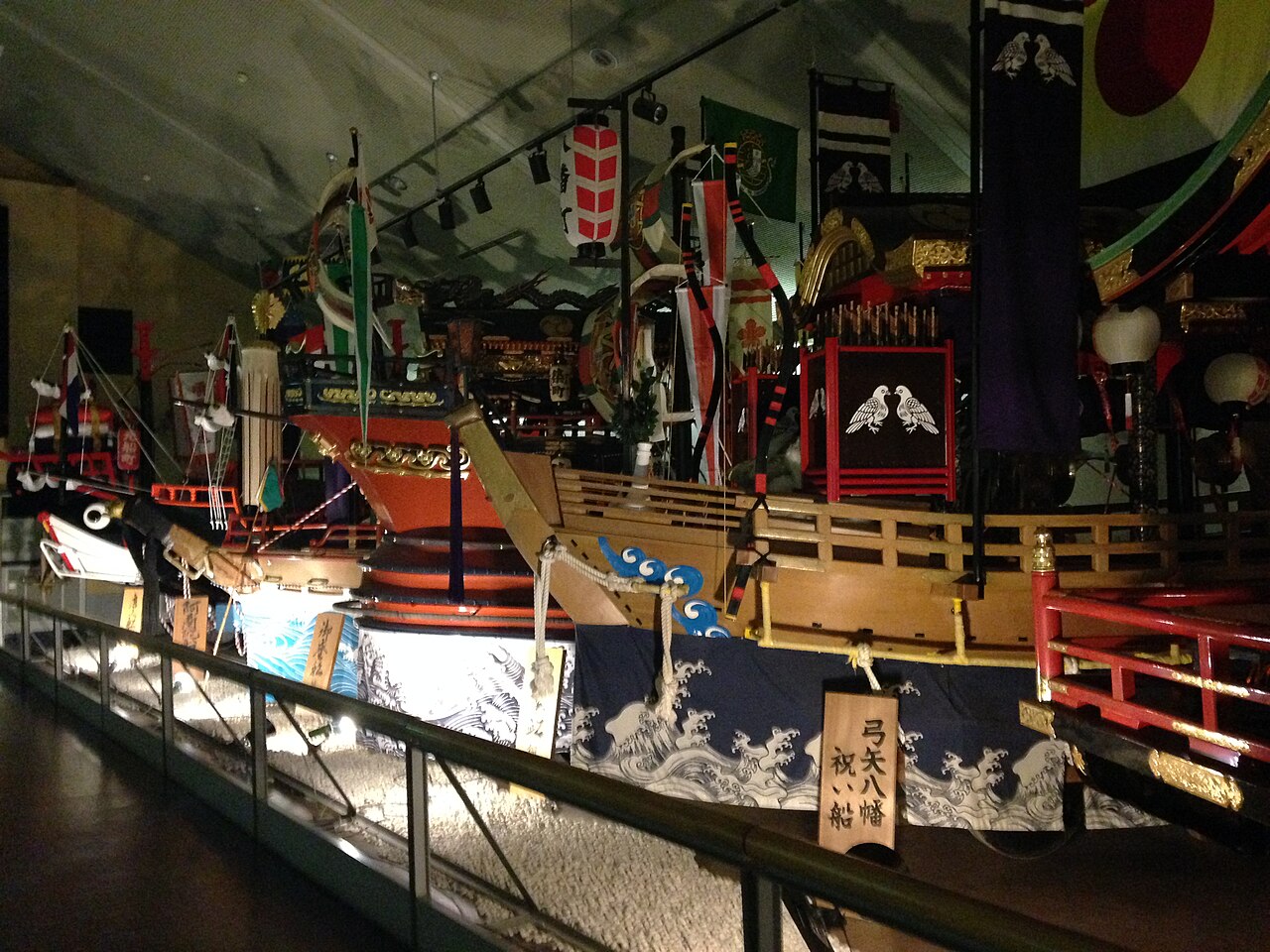
What makes Tenjin Festival Japan so uniquely compelling is the way it fuses solemn Shinto ceremony with jubilant street celebration and jaw-dropping fireworks. On the evening of the 25th, more than 3,000 participants dressed in elaborate Heian-period costumes — flowing robes, lacquered hats, ornate palanquins — process through the streets of Osaka’s Kita district before boarding a fleet of over 100 illuminated river boats that glide along the Okawa River. Above them, fireworks explode in magnificent cascades, reflecting off the dark water below. It is, without hyperbole, one of the most beautiful sights in Japan.

For international tourists, Tenjin Matsuri Osaka 2026 represents a rare opportunity to witness living Japanese history — a festival that has endured wars, floods, and centuries of change, yet remains as vibrant and deeply felt as ever. Whether you’re drawn by the cultural pageantry, the intoxicating festival atmosphere of food stalls and yukata-clad crowds, or simply the promise of a world-class fireworks display over the river, this is an event that belongs on every serious Japan itinerary. You might also enjoy our guide to Kyoto festivals if you’re planning a broader summer trip through the Kansai region.

When and Where to Go

Knowing when is Tenjin Matsuri 2026 Osaka dates is simple: the main festival is held on Saturday, July 25, 2026. However, the celebrations actually begin a day earlier on July 24th with the Yomiya (eve-of-festival) ceremonies at Osaka Tenmangu Shrine, which include traditional music performances and rituals well worth attending if you arrive in Osaka early.

The primary venue is Osaka Tenmangu Shrine (大阪天満宮), located at 2-1-8 Tenjinbashi, Kita-ku, Osaka. The shrine itself is the ceremonial heart of the festival — this is where the procession begins and where the most important Shinto rites take place. The land procession (Rikutogyo) moves through the surrounding Tenjinbashi and Sakuranomiya areas before the participants board boats at the Okawa River for the spectacular water procession (Funatogyo). The fireworks (Hanabi) are launched from the Yodogawa riverbank area and are visible from a wide stretch of the Okawa River and surrounding bridges and parks.

In terms of timing, the land procession typically begins around 3:30 PM, with the boat procession launching in the early evening around 6:00 PM. The fireworks display generally begins around 7:30 PM and continues for roughly an hour, lighting up the sky until approximately 9:00 PM. Note that specific Tenjin Matsuri 2026 schedule and times should be confirmed closer to the date via the official Osaka Tenmangu Shrine website or the Osaka City tourism portal, as minor adjustments do occur year to year.

Admission to the general street and riverside viewing areas is free of charge, though designated paid grandstand seating is available for the fireworks and river procession. These tickets, priced at approximately ¥2,000–¥5,000 per person, tend to sell out weeks in advance, so booking early is strongly recommended.

What to Expect

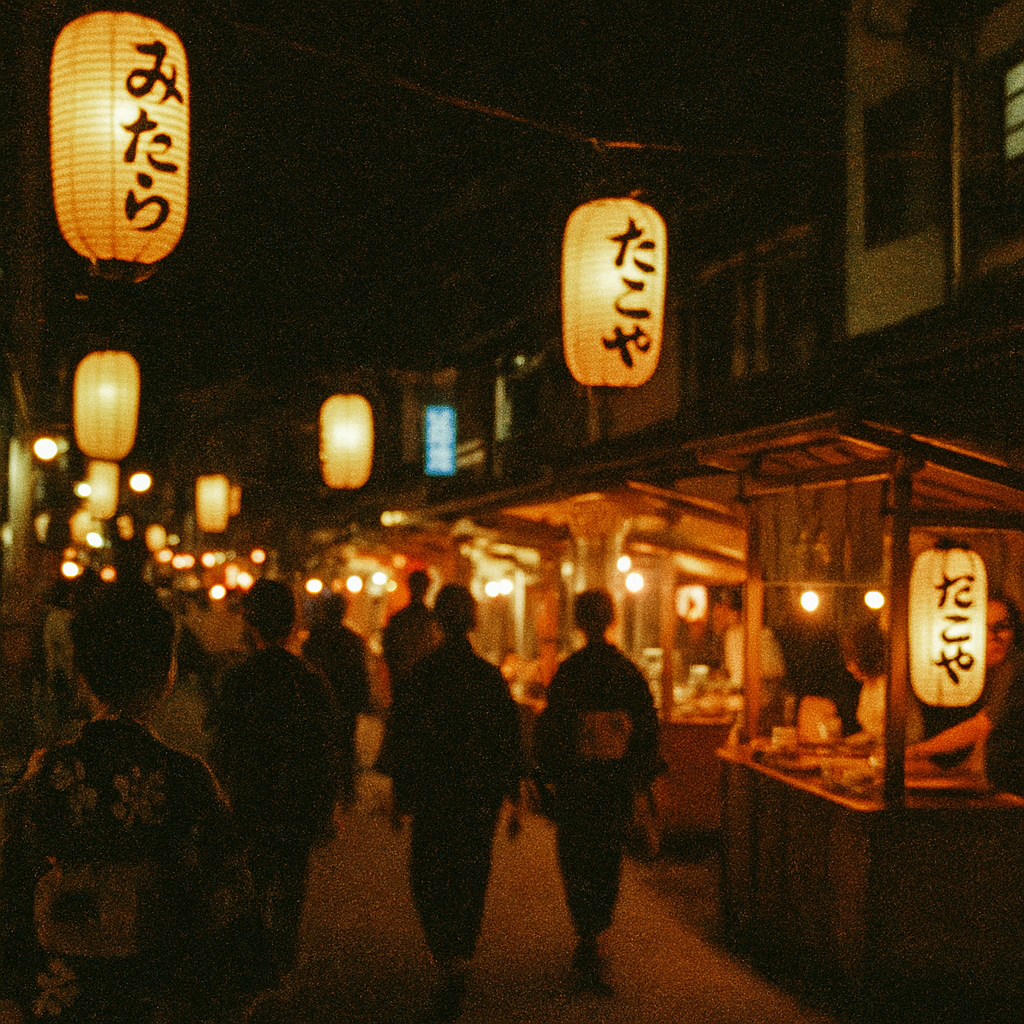
Arriving at an Osaka summer festival 2026 of this magnitude is a full sensory immersion unlike anything else on the Japanese cultural calendar. From mid-afternoon, the streets around Osaka Tenmangu Shrine are already alive with the sweet-savoury smell of takoyaki (octopus balls) sizzling on iron griddles, the buttery waft of yakisoba noodles, and the sugary perfume of kakigori (shaved ice) stalls dressed in red and white bunting. Hundreds of yatai (street food stalls) line the festival route, and the sound of drumming, flutes, and ceremonial chanting drifts through the humid July air as thousands of participants in ornate historical dress begin their solemn procession through the city. Crowds dressed in pastel and indigo yukata (summer kimono) throng every vantage point, and the atmosphere buzzes with a kind of electric communal joy that is quintessentially Japanese — festive yet reverential, chaotic yet choreographed.

As evening falls and the boat procession begins on the Okawa River, the mood shifts into something almost dreamlike. More than 100 vessels, ranging from traditional wooden fune to decorated barges, drift upstream bearing shrine priests, musicians, and torchbearers. The torches throw a warm, dancing glow across the water, and the sound of ancient court music (gagaku) floats across the river. Then, as darkness settles over Osaka, the fireworks begin — about 3,000 fireworks launched in spectacular succession, painting the sky in brilliant chrysanthemum bursts of gold, crimson, and silver, each explosion reflected twice: once in the river and once in the eyes of the rapt crowd below. This is the Yodogawa fireworks display Tenjin Festival moment that photographers and romantics travel across the world to witness.

Highlights & Must-See Moments

  • The Rikutogyo (Land Procession): Beginning in the mid-afternoon, over 3,000 participants in authentic Heian-era court costumes parade through the streets of Kita-ku. Watch for the elaborately decorated mikoshi (portable shrines), ceremonial archers, and ox-drawn carriages — this is living history at its most magnificent and one of the best vantage points Tenjin Festival procession-seekers should arrive early to claim along Tenjinbashi-suji shopping arcade.
  • The Funatogyo (River Boat Procession): The transfer of the festival from land to water is a deeply moving spectacle. Stake out a spot along the Okawa River embankment or on one of the bridges such as Sakuranomiya Bridge for an unobstructed view of the illuminated fleet. This is the defining image of the Tenjin Matsuri river boat procession 2026.
  • The Hanabi Fireworks: Approximately 3,000 fireworks launched from the Yodogawa area make this one of Osaka’s premier hanabi fireworks festival Japan experiences. Arrive at your chosen riverside spot by 5:00 PM at the latest to secure a place before the crowds become impenetrable.
  • The Yatai Street Food Scene: Don’t just walk past the food stalls — this is an essential part of the matsuri experience. Try Osaka specialities like ikayaki (grilled squid), kushikatsu skewers, and the city’s legendary takoyaki. Wash it all down with cold mugicha (barley tea) or a festival beer.
  • Osaka Tenmangu Shrine at Dusk: Before the procession moves away, spend time inside the shrine grounds observing the opening rituals and prayers. The atmosphere here — lanterns lit, incense burning, priests intoning ancient prayers — is profoundly atmospheric and far less crowded than the riverside areas later in the evening.

Practical Tips for Visitors

Understanding what to expect at Tenjin Matsuri festival in practical terms will make the difference between a frustrating and a fantastic experience. Here is what seasoned festival-goers recommend:

  • Dress for the heat: July in Osaka is intensely hot and humid, with temperatures regularly exceeding 35°C. Wear loose, breathable clothing — or better yet, rent a yukata from one of Osaka’s many kimono rental shops to blend in stylishly with the local crowd. Always carry a folding fan and a small towel.
  • Arrive early for prime spots: The best places to watch Tenjin Festival Osaka — particularly along the Okawa River for the fireworks — fill up rapidly. Aim to be in position by 4:30–5:00 PM if you want a front-row riverside view.
  • Stay hydrated: Bring a large water bottle and replenish frequently. Heat exhaustion is a genuine risk. Convenience stores (7-Eleven, FamilyMart, Lawson) near the festival area will run low on cold drinks, so stock up early.
  • Cash is king: Most yatai stalls do not accept cards. Withdraw yen from a 7-Eleven or Japan Post ATM before attending.
  • Photography tips: For the fireworks, a tripod and a camera with manual settings will capture far better images than a smartphone. The best photography spots are on the elevated walkways of Tenjinbashi Bridge and along the grassy Sakuranomiya Park embankment, which offers a clear sightline across the river. For the land procession, position yourself along Tenjinbashi-suji — Japan’s longest covered shopping arcade — where participants pass in full costume.
  • Book accommodation well in advance: Osaka hotels fill up months before Tenjin Matsuri. If you’re searching for rooms in July 2026, start looking in early 2026 at the latest. Staying in the Umeda or Tenjinbashi area puts you closest to the action.
  • Crowd management: Station exits around Minami-Morimachi and Osaka Tenmangu will be extremely congested after the fireworks end. Consider staying in place for 30–45 minutes after the display to let the worst of the crowds disperse.

How to Get There

Getting to Tenjin Matsuri Osaka 2026 by public transport is straightforward, and it is absolutely the recommended approach — driving to the festival area is inadvisable given road closures and parking restrictions in force on the day.

  • Nearest station: Minami-Morimachi Station (Osaka Metro Tanimachi Line and Sakaisuji Line) is the closest station to Osaka Tenmangu Shrine, approximately a 5-minute walk. Exit 4 or 5 leads most directly to the shrine.
  • Alternative station: Osaka Tenmangu Station (JR Tozai Line) is also within easy walking distance of the shrine, roughly 7–10 minutes on foot.
  • From Osaka/Umeda Station: Take the Osaka Metro Tanimachi Line from Higashi-Umeda Station (one stop south to Minami-Morimachi). Journey time: approximately 4 minutes.
  • How to get to Tenjin Matsuri from Tokyo: Take the Tokaido Shinkansen from Tokyo Station or Shinagawa Station to Shin-Osaka Station (approximately 2 hours 30 minutes on the Nozomi service). From Shin-Osaka, connect to the Osaka Metro Midosuji Line toward Namba, transfer at Umeda/Higashi-Umeda to the Tanimachi Line, and ride two stops to Minami-Morimachi. Total journey from Tokyo to the festival site: approximately 3 hours.
  • IC Cards: An IC card such as Suica, Pasmo, or ICOCA is valid on all these rail and metro lines and saves time queuing for tickets on a busy festival day.

Be aware that on festival day, trains serving the Kita/Tenjinbashi area will be extremely crowded, especially between 6:00 PM and 10:00 PM. Allow extra time for travel and expect extended wait times on platforms after the fireworks conclude.

Nearby Attractions

The area around Osaka Tenmangu Shrine is rich with things to see and do, making it easy to build a full day’s itinerary around your festival visit.

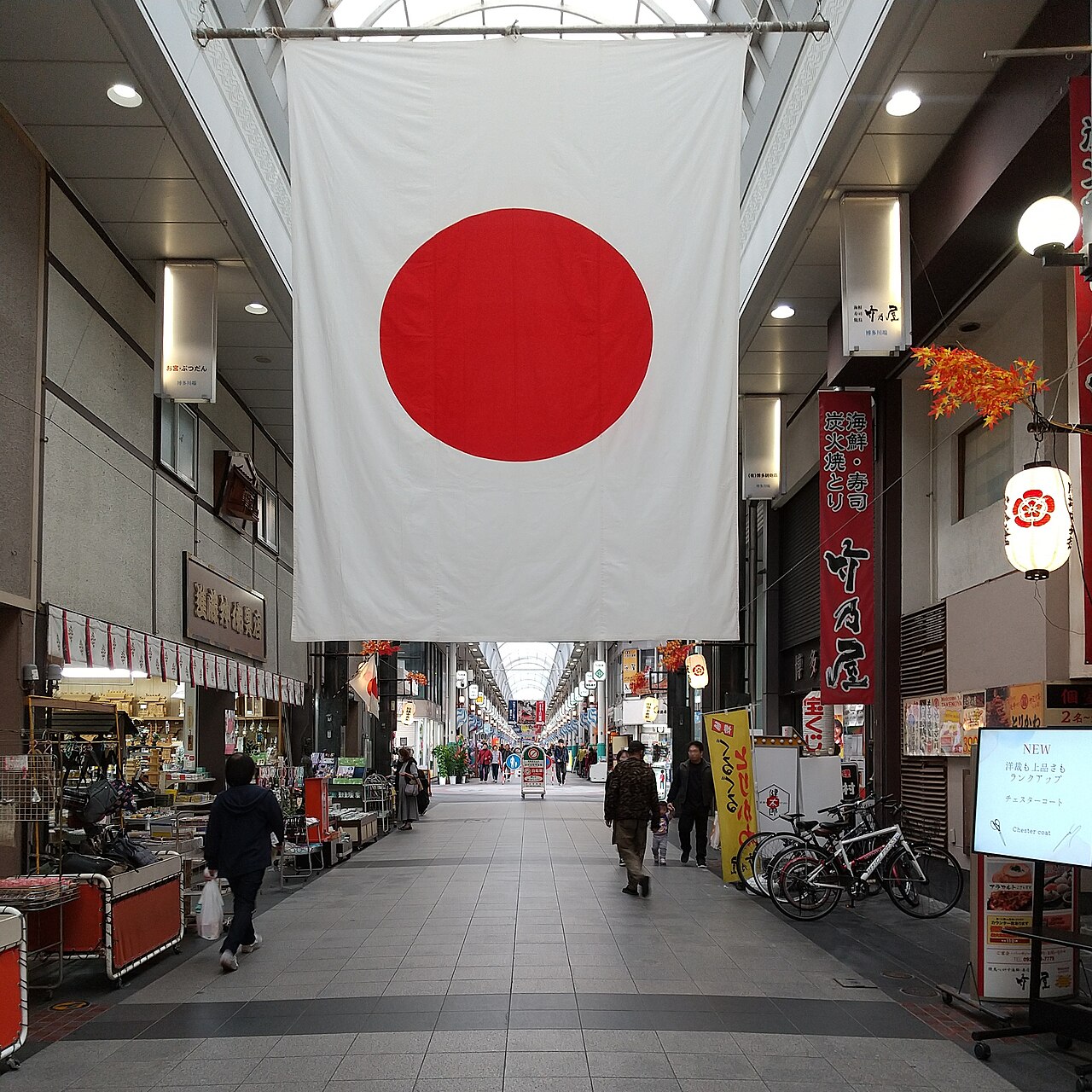
  • Tenjinbashi-suji Shopping Street: Stretching for 2.6 kilometres through the Kita ward, this is Japan’s longest covered shopping arcade — a fascinating mix of traditional craft shops, cheap eateries, 100-yen stores, and vintage clothing boutiques. It’s also one of the key routes for the Tenjin Matsuri land procession, so walking it in the hours before the festival begins serves a double purpose.
  • Osaka Museum of Housing and Living (大阪くらしの今昔館): Located just above Tenjinbashi-suji 6-chome Station, this fascinating museum recreates full-scale Osaka streetscapes from the Edo and Meiji periods. It’s the perfect cultural preamble to the festival, and admission costs only ¥600 for adults.
  • Sakuranomiya Park: Stretching along the west bank of the Okawa River, this long, leafy park is one of the most popular spots for watching the river procession and fireworks. Arrive early to claim a patch of grass, and you’ll have the perfect picnic setup for the entire evening. The park is also famous for its cherry blossoms in spring — a very different but equally beautiful event. You might also enjoy our guide to Osaka attractions for more ideas on what to explore nearby.

Frequently Asked Questions

Q: When is Tenjin Matsuri 2026, and do I need to book tickets?

A: The main event of Tenjin Matsuri Osaka 2026 takes place on Saturday, July 25, 2026, with preliminary ceremonies on July 24th. General admission to street and riverside viewing areas is free, but dedicated grandstand seats for the fireworks and river procession are ticketed and sell out quickly. Check the Osaka Tenmangu Shrine official website or major Japanese ticketing platforms like Ticket Pia for availability, and book as early as possible — ideally several months in advance.

Q: Where are the best places to watch Tenjin Festival Osaka?

A: For the land procession, the stretch of Tenjinbashi-suji arcade near the shrine and the streets immediately surrounding Osaka Tenmangu offer excellent viewing. For the river boat procession and fireworks, Sakuranomiya Park along the Okawa River is the most popular free vantage point. T

← All Events Next Event →