What is Hakata Gion Yamakasa?

Few festivals in Japan ignite the senses quite akin to the Yamakasa festival Fukuoka July — a thundering, centuries-old celebration that transforms the streets of Hakata into a living stage of sweat, devotion, and breathtaking spectacle. Officially known as the Hakata Gion Yamakasa, this is one of Japan’s most iconic summer matsuri, designated as an Important Intangible Folk Cultural Property and even recognised by UNESCO as part of its Intangible Cultural Heritage of Humanity list. Rooted in 780 years of tradition, the festival traces its origins to 1241, when the revered Buddhist monk Shoichi Kokushi is said to have been carried through the streets of Hakata on a portable sedan chair, sprinkling purified water to ward off a devastating plague. That act of spiritual cleansing evolved over the centuries into what we witness today: an electrifying race of enormous wooden floats carried at a full sprint through narrow city streets.

The Hakata matsuri Japan experience is unlike anything else in the country’s already extraordinary festival calendar. What makes Yamakasa particularly captivating for international visitors is the rawness of it — this is not a polished tourist show but a deeply community-driven event. Teams of men from the seven traditional nagare (neighbourhood districts) of Hakata dedicate weeks of preparation to this festival, wearing only fundoshi loincloths and happi coats as they carry floats weighing up to one tonne through the streets. The intensity, the chanting, the smell of cedar wood and summer sweat — it’s the kind of experience that stays with you long after you’ve returned home.

For travellers exploring Japan festivals, this is an absolute bucket-list event. The Yamakasa is not merely a festival — it is Hakata’s soul made visible, a window into the fierce local pride and communal spirit that defines one of Japan’s most dynamic and underrated cities. Fukuoka regularly tops quality-of-life rankings in Japan, and its summer centrepiece deserves far more international attention than it receives.

When and Where to Go

The Yamakasa festival Fukuoka July 2026 runs from Wednesday, 1 July to Wednesday, 15 July 2026. While the entire two-week period is filled with events, rituals, and public displays, the unmissable climax is the Oiyama — the final dawn race — which takes place in the early hours of 15 July 2026.

  • Festival period: 1–15 July 2026
  • Oiyama (final race) date: Wednesday, 15 July 2026
  • Oiyama start time: 4:59 AM sharp (gates and viewing areas open from approximately 2:00 AM)

  • Race route: Starts at Kushida Shrine and winds approximately 5 kilometres through Hakata’s streets, finishing near Canal City Hakata
  • Main venue: Kushida Shrine (櫛田神社), 1-41 Kamikawabatamachi, Hakata-ku, Fukuoka City, Fukuoka Prefecture

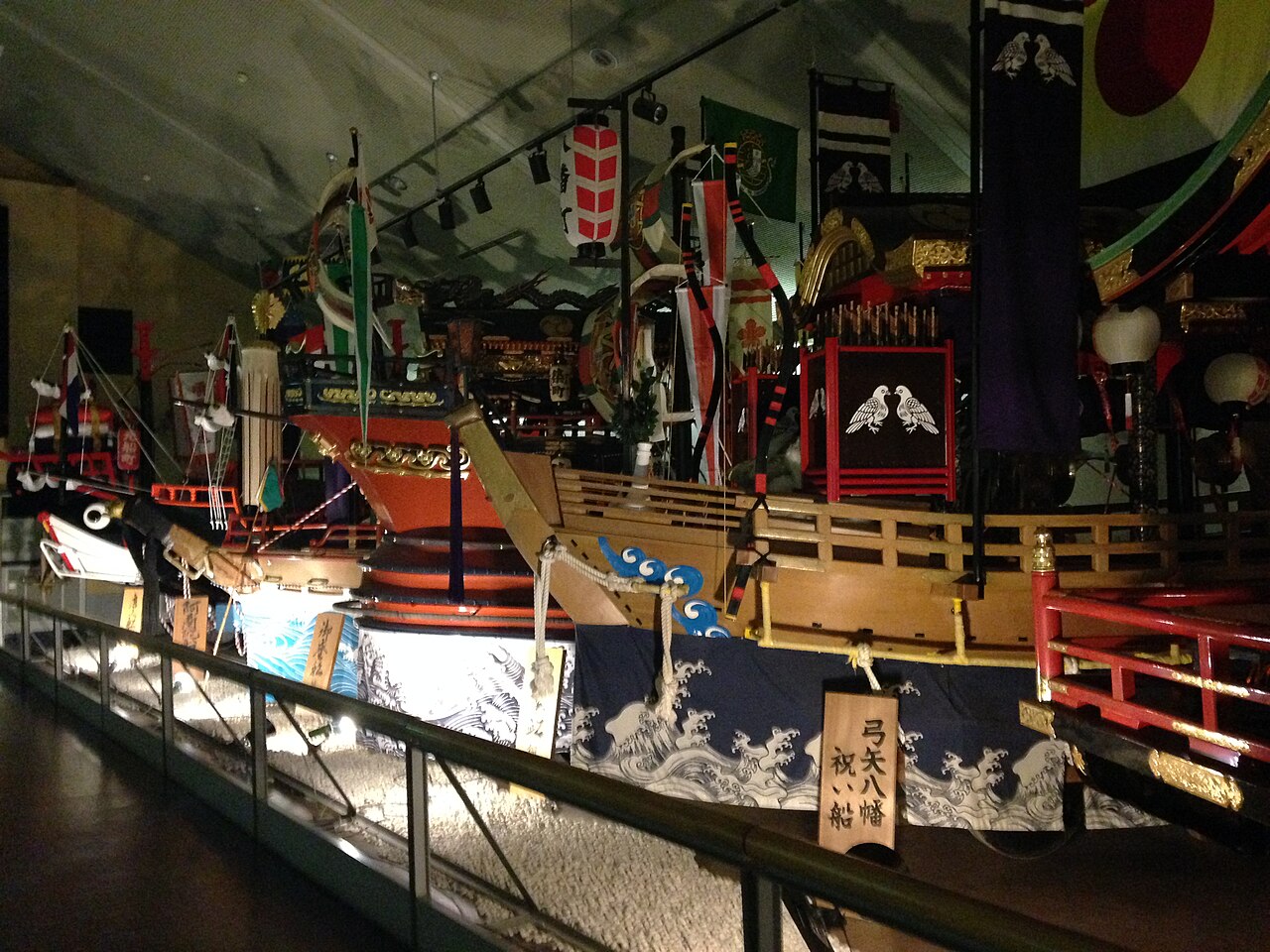
Throughout the festival period, you can view the ornate kazariyama (decorative display floats) at various fixed locations around Hakata and Tenjin. These towering floats — some reaching up to 15 metres in height — are positioned across the city from around 1 July and are free to view at any time of day or night, when they are spectacularly illuminated. Key display locations include the area around Canal City Hakata, Hakata Station, and several spots along Meiji-dori. The Kushida Shrine area is particularly atmospheric for float viewing.

What to Expect

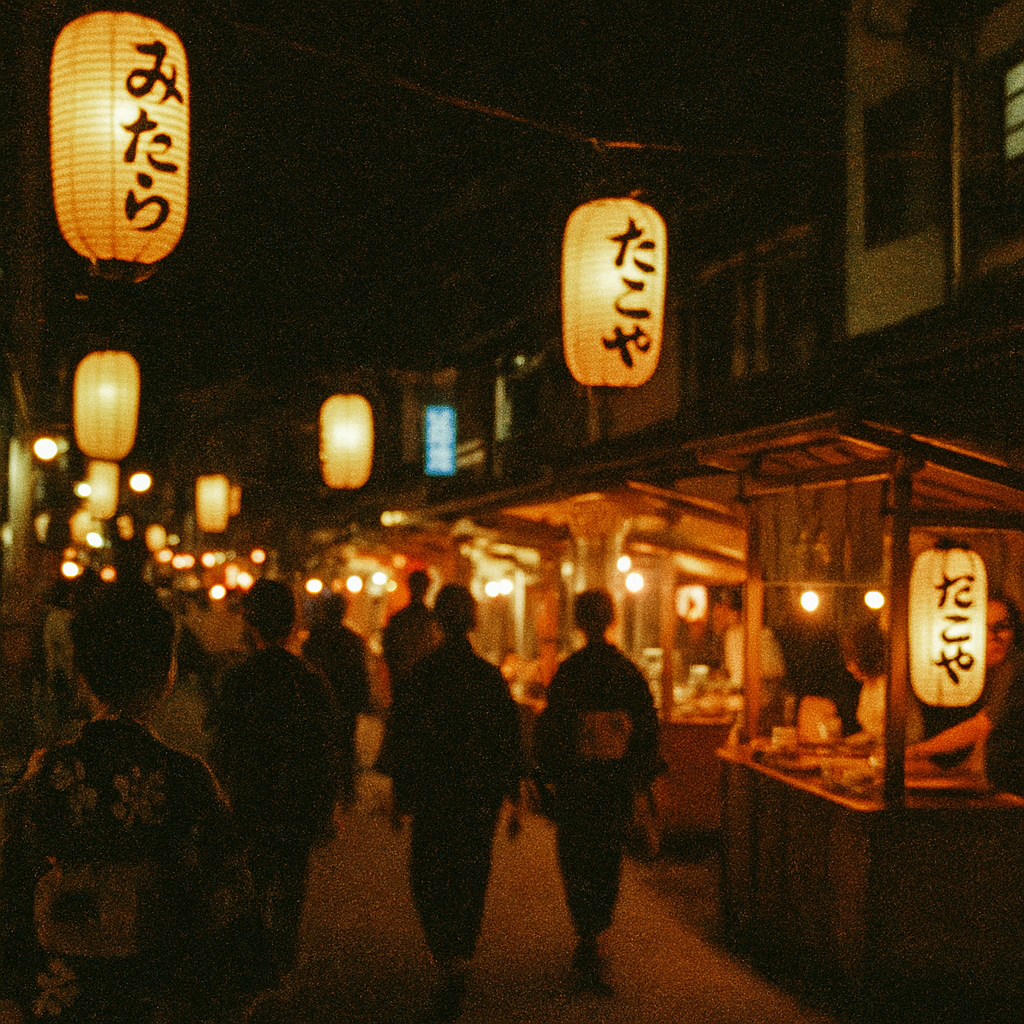
Arriving in Hakata during the first two weeks of July means stepping into a city that is visibly alive with anticipation. The kazariyama display floats are works of extraordinary craftsmanship — towering tableaux depicting scenes from Japanese mythology, history, and popular culture, decorated with intricate lacquerwork, silk textiles, and vivid paint. Walking among them at night, when warm spotlights cast dramatic shadows against the humid Fukuoka sky, is an experience that belongs firmly in the category of unmissable summer festivals Fukuoka 2026. You’ll hear the rhythmic chanting of festival teams during training runs in the early mornings, smell the cedar and pine of freshly constructed floats, and taste the electric energy of a city gearing up for something enormous. Street food vendors cluster near viewing areas, and local izakayas stay open late to accommodate the crowds.

Then comes the Oiyama itself — and nothing quite prepares you for it. Setting an alarm for 3:00 AM, joining the tens of thousands of locals who line the race route in the pre-dawn darkness, listening to the deep, rhythmic chants of “Oissho! Oissho!” growing louder as each team approaches — this is festival travel at its most visceral and extraordinary. The Yamakasa Oiyama time trial race sees seven teams racing the same course in sequence, each trying to beat the fastest time. As the floats thunder past — men running at full sprint, their feet pounding the wet streets, their faces contorted with effort and exhilaration — the crowd surges with them. Helpers dash alongside each float pouring buckets of water over the runners. The atmosphere is part sporting event, part religious rite, part communal catharsis. By the time the sun begins to rise over Hakata Bay and the last team crosses the finish line, you will understand exactly why this float race festival Fukuoka has endured for nearly eight centuries.

Highlights & Must-See Moments

  • The Oiyama Dawn Race (15 July, from 4:59 AM): The undisputed highlight of the entire festival. Position yourself along the race route before 4:00 AM for a good standing spot. The stretch near Kushida Shrine’s entrance offers some of the most dramatic views as teams make their explosive start.
  • Kazariyama Float Illuminations (1–14 July, evenings): The display floats are lit up after dark and accessible for free. The float near Hakata Station is perennially popular for photographs — the juxtaposition of ancient craftsmanship against the modern station backdrop is visually stunning.
  • Morning Training Runs (Early mornings, 1–14 July): Teams practise running with smaller floats through the streets in the early morning hours. These are far less crowded than the main event and offer outstanding close-up photography opportunities.
  • Kushida Shrine Rituals: Visit Kushida Shrine throughout the festival period to witness the religious heart of Yamakasa. The shrine keeps one of the previous year’s festival floats on permanent display inside, giving visitors context year-round. On the morning of the 15th, the atmosphere inside the shrine precincts before the race start is charged with ritual energy and prayer.
  • Nagare neighbourhood events: Each of the seven nagare holds its own events throughout the festival fortnight. Seek out the Oshioi-tsuke ritual (around 10 July), where participants have sacred sand rubbed onto their bodies at Kushida Shrine — a purification rite that reveals the deeper spiritual layers of this extraordinary festival.

Practical Tips for Visitors

Clothing: July in Fukuoka is hot, humid, and unrelenting. For daytime events, wear lightweight, breathable clothing — linen or moisture-wicking fabrics. For the Oiyama at 4:59 AM, the temperature will be considerably cooler than the daytime heat, so bring a light layer. You will almost certainly get wet from the water-throwing during the race, so wear clothes you don’t mind dampening and avoid carrying electronics without waterproof protection.

Photography: A mirrorless or DSLR camera with a fast lens (f/1.8 or wider) is ideal for the low-light Oiyama conditions. If you’re shooting on a smartphone, switch to night mode. The floats are moving fast — burst mode is your friend. For the illuminated kazariyama at night, a small tripod or image stabilisation will dramatically improve results. The best compositional shot of the Oiyama is from a slightly elevated position along the route, so scope out your spot the evening before.

Crowds and arrival times: For the Oiyama, aim to be in position by 3:30 AM at the very latest for a decent viewing spot along the race route. Designated paid grandstand seating is available near the start and finish areas — check the official Fukuoka tourism website for ticket information as the date approaches. Arrive from Hakata Station on foot; taxis will be gridlocked. Avoid trying to watch from multiple spots — pick your position and stay there.

What to bring: Cash (many street vendors don’t accept cards), a portable phone charger, insect repellent, a small towel, comfortable non-slip footwear, and a waterproof bag or case for your valuables.

Food and drink: Look out for Hakata ramen shops open through the night during festival week — eating a steaming bowl at 3:00 AM before the race start is a quintessentially local experience. Mentaiko (spicy cod roe) is the signature Fukuoka flavour; try it on rice balls from convenience stores or as onigiri from street stalls. Yatai (street food stalls) set up along the waterfront at Nakasu are open until late.

How to Get There

Fukuoka is exceptionally well connected and very easy to reach for international visitors. The city is served by Fukuoka Airport (FUK), which sits just two stops on the Fukuoka City Subway Kūkō Line from Hakata Station — one of the most convenient airport-to-city connections in all of Japan (approximately 5 minutes, ¥260).

From Hakata Station to Kushida Shrine:

  • Kushida Shrine is an easy 10–12 minute walk from Hakata Station’s Hakata Exit. Head south along Otokomichi, turning right onto Kamikawabata shopping arcade — the shrine is at the southern end.
  • Alternatively, take the Fukuoka City Subway Kūkō Line one stop from Hakata to Gion Station (¥210), from which the shrine is a 3-minute walk.
  • For the Oiyama race, Gion Station is your best bet, but note that trains begin running from around 5:00 AM — if you wish to be in place before the 4:59 AM start, you’ll need to walk from Hakata or arrive the night before.

By Shinkansen: Hakata Station is a major Shinkansen hub, with direct bullet train connections from Tokyo (approximately 5 hours on the Tokaido/Sanyo Shinkansen), Osaka (approximately 2 hours 15 minutes), and Hiroshima (approximately 1 hour). This makes Yamakasa easily combinable with broader Japan itineraries.

By highway bus: Overnight highway buses connect Fukuoka with Tokyo, Osaka, and many other major cities at budget-friendly prices, arriving at Hakata Bus Terminal adjacent to Hakata Station.

Nearby Attractions

Fukuoka Castle Ruins and Maizuru Park: A short walk or subway ride from Hakata, the ruins of Fukuoka Castle sit atop a hill offering panoramic views over the city and Hakata Bay. Maizuru Park surrounding the ruins is a beloved green space, and its small museum provides excellent context on Fukuoka’s feudal history. A perfect morning excursion before festival preparations begin in earnest.

Nakasu Yatai Street Food District: Situated on a sliver of land between two rivers in central Fukuoka, Nakasu is home to Japan’s most atmospheric concentration of yatai — tiny, canvas-roofed street-food stalls serving Hakata ramen, grilled skewers, oden, and cold Asahi beer. This is essential Fukuoka eating, and the area comes spectacularly alive during festival season. Go after dark for the full experience.

Dazaifu Tenmangu Shrine: About 25 minutes from Hakata Station by train (via the Nishitetsu Tenjin Omuta Line from Tenjin Station), Dazaifu Tenmangu is one of Kyushu’s most sacred and photogenic Shinto shrines, dedicated to the deity of learning and scholarship. The approach is lined with plum trees and souvenir shops selling umegae mochi (rice cakes filled with sweet red bean paste, grilled to perfection). An ideal half-day side trip for visitors exploring Japan travel beyond the festival itself.

Frequently Asked Questions

Q: Is the Yamakasa festival free to attend?

A: The vast majority of the Yamakasa festival Fukuoka July is completely free to attend. Viewing the decorative kazariyama floats around the city costs nothing, and standing spots along the Oiyama race route are free. Paid grandstand seating is available for the Oiyama near the start and finish areas — these tickets sell out quickly, so book as early as possible through the official Fukuoka City tourism channels. Kushida Shrine itself charges a small fee (around ¥300) to enter its treasure hall, but the outer shrine precincts are freely accessible.

Q: Can women participate in or watch the Yamakasa?

A: This is one of the most common questions about the festival, and an important one. Traditionally, the Hakata Gion Yamakasa is an all-male event, and women are not permitted to touch or carry the racing floats. This is a deeply rooted religious tradition connected to the purification beliefs of the festival. However, female visitors are absolutely welcome and encouraged to watch all events, including the Oiyama race. Some aspects of the festival have evolved over the years, and there are junior and community events that are more inclusive — but the core Oiyama race maintains its traditional all-male format.

Q: What is the Oiyama time trial race, and how does it work?

A: The Yamakasa Oiyama time trial race is the climactic event of the entire festival, held at dawn on 15 July. Seven teams from Hakata’s traditional nagare (neighbourhood districts) race the same 5-kilometre route through the streets, each carrying a one-tonne wooden float called a kakiyama. The teams set off in sequence at 5-minute intervals, starting at 4:59 AM, each trying to complete the course in the fastest time. The route begins at Kushida Shrine, and teams must run through the shrine’s ceremonial gateway — where a stop to recite a traditional song is observed — before racing through the city streets to the finish. Times are typically around 30 minutes, and the team with the fastest time is celebrated as the winner, though all seven teams are honoured for their participation.

Q: Where should I stay in Fukuoka during the Yamakasa festival?

A: Book your accommodation as early as humanly possible — ideally six to twelve months in advance for the July 13–15 period. Hotels in the Hakata district put you closest to the action and within walking distance of Kushida Shrine and the race route. Tenjin is another excellent base, slightly further west but extremely well connected. Budget travellers will find excellent hostels around the Hakata and Gion subway station areas. Note that room prices during the peak festival weekend (July 13–15) can be two to three times their usual rate. If you’re flexible, arriving a few days earlier to see the kazariyama and training runs while avoiding peak pricing is a smart strategy.

Q: Is Yamakasa suitable for children and families?

A: Absolutely — the Yamakasa festival Fukuoka July is a wonderful family experience, with plenty to engage children of all ages throughout the two-week festival period. The towering decorative floats, often featuring beloved characters from Japanese mythology and folklore, are genuinely awe-inspiring for young visitors. The early-morning Oiyama race can be challenging for very small children due to the 4:59 AM start time and dense crowds, but older children who can handle the logistics tend to find it thrillingly exciting. There are also smaller-scale children’s Yamakasa events held at various points during the festival where local children carry their own miniature floats — an enchanting sight and a wonderful photo opportunity.

The Hakata Gion Yamakasa is the kind of event that travel memories are made of — raw, ancient, joyful, and completely unlike anything you’ll find elsewhere in Japan or the world. Whether you’re a dedicated festival hunter making the Yamakasa festival Fukuoka July the centrepiece of your Japan itinerary, or a traveller who happens to be passing through and stumbles onto the pre-dawn electricity of the Oiyama, this is an experience that will redefine what you think a summer festival can be. Fukuoka is one of Japan’s great undiscovered cities for international tourists — warm, welcoming, absurdly delicious, and deeply proud of its traditions. Book early, arrive with an open heart, and let Hakata do the rest. For more extraordinary events across the country, explore our guide to Japan events and discover what else awaits you on the islands.