What is Takayama Matsuri?

Widely regarded as one of the most spectacular festivals in all of Japan, the Takayama Matsuri is a centuries-old celebration that transforms the beautifully preserved Edo-period streets of Hida Takayama into a living theatre of tradition, craftsmanship, and community pride. Held twice a year — once in spring and once in autumn — this festival is consistently listed among Japan’s top three most beautiful festivals, alongside Kyoto’s Gion Matsuri and Chichibu’s Yomatsuri. For international tourists seeking an authentic, deeply moving cultural experience, this is one event that genuinely deserves the word “unmissable.”

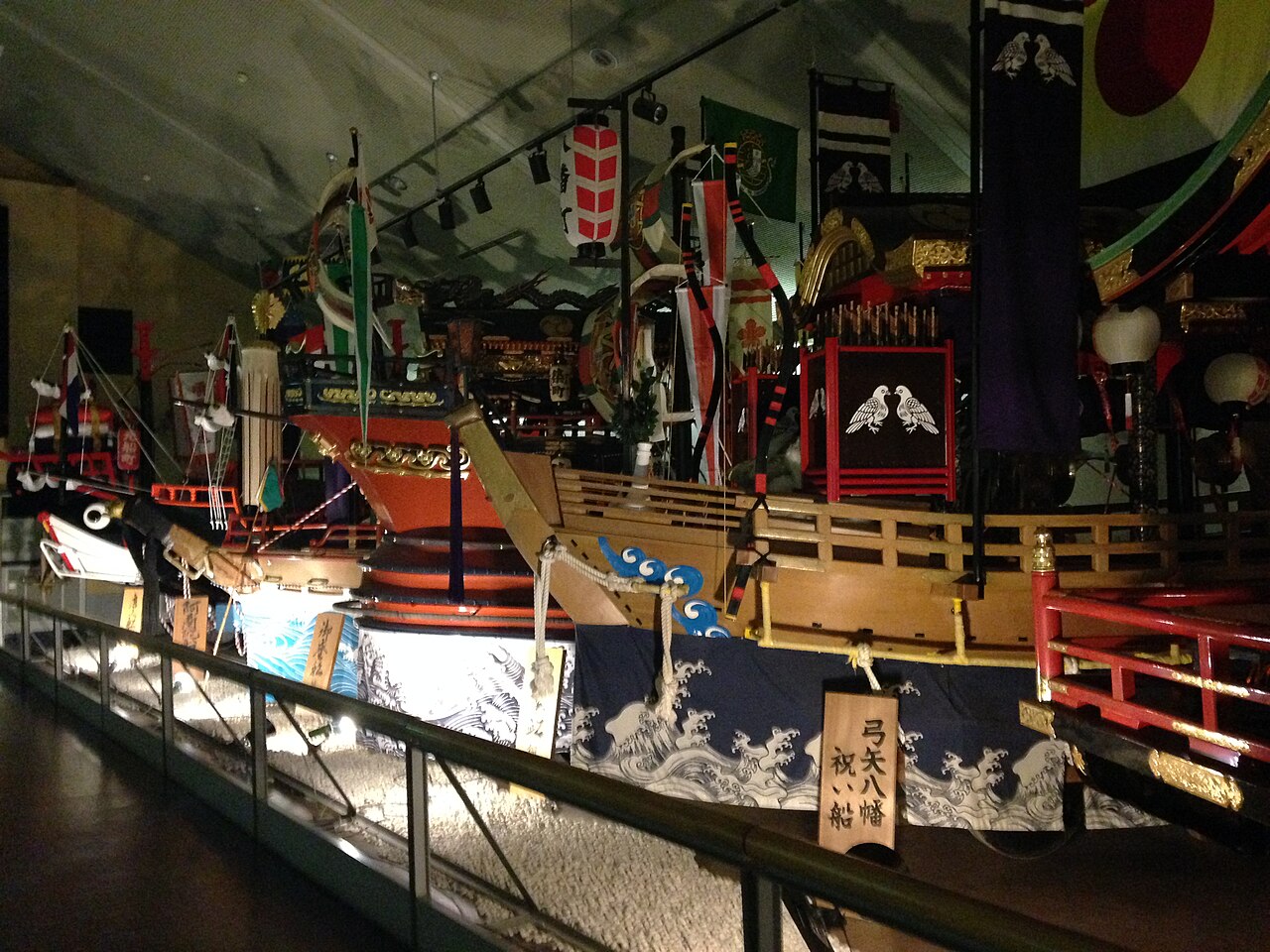
The origins of the Takayama festival Japan travellers know today stretch back to the late 16th century, when the festival was first established to pray for the peace and prosperity of the city. Over the following centuries, Takayama’s wealthy merchants and master craftsmen — the city was long a centre of exceptional carpentry and lacquerware — poured their considerable skill and resources into constructing the festival’s most iconic feature: the yatai, elaborately decorated wooden floats that are among the finest examples of traditional Japanese craftsmanship anywhere in the world. Each float is a rolling museum piece, adorned with intricate carvings, gilded metalwork, embroidered tapestries, and, in some cases, incredible mechanical puppets called karakuri ningyo that perform acrobatic routines to the delight of crowds.

What makes the Hida Takayama festival so beloved by visitors from around the world is the remarkable sense of continuity it offers. Unlike many urban festivals that have grown increasingly commercialised, Takayama Matsuri retains an almost meditative authenticity. The old town itself — a network of narrow lanes lined with dark-timbered sake breweries, craft shops, and traditional inns — provides a backdrop that feels wholly unchanged from centuries past. Walking through it during festival days, with the sound of flutes and drums drifting through cool mountain air, is genuinely transporting.

When and Where to Go

The spring edition of Takayama Matsuri — officially known as the Sanno Matsuri — is held annually on 14 and 15 April. The 2025 dates are 14–15 April 2025, and the 2026 spring festival is expected to follow the same dates: 14–15 April 2026 (always confirm closer to the time on the official Takayama tourism website). The autumn edition, the Hachiman Matsuri, takes place on 9–10 October each year.

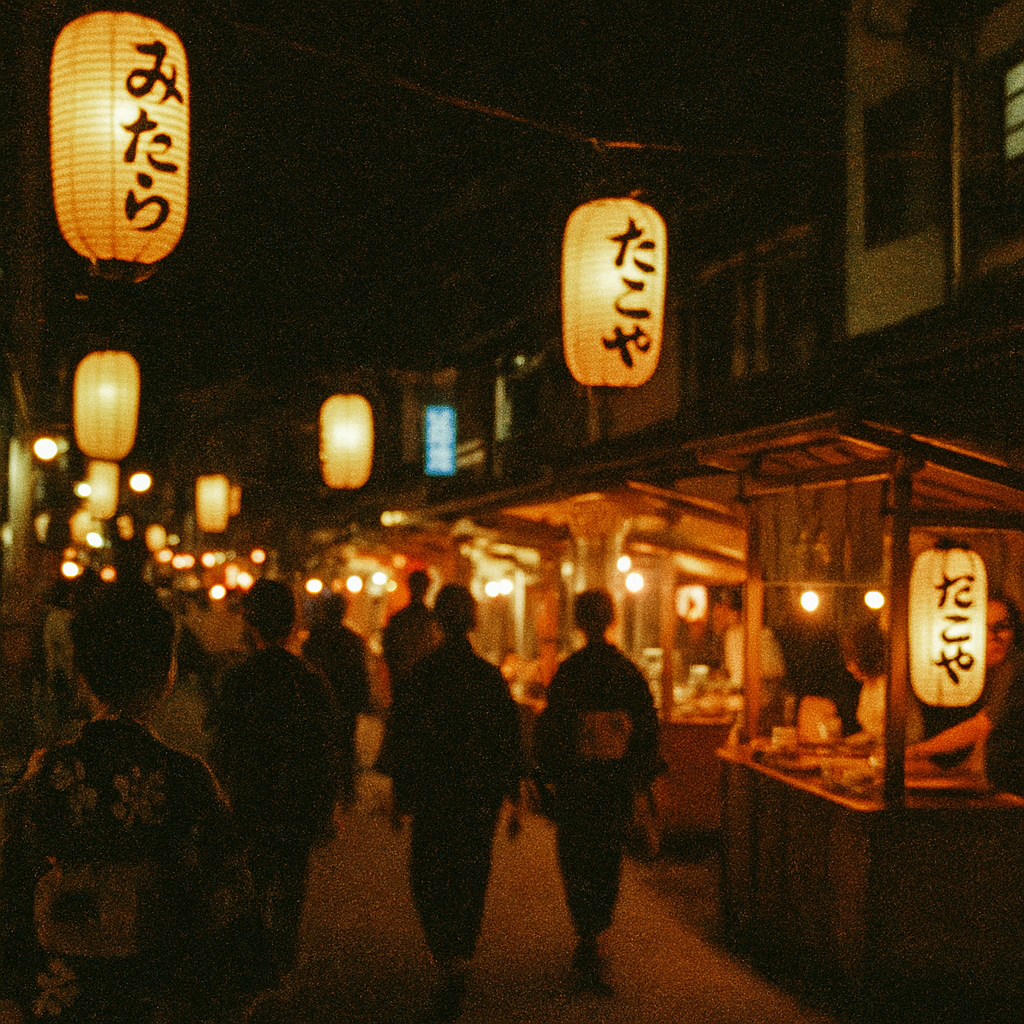
The centrepiece of the spring festival is Higashiyama Shrine (also written as Hi’una Jinja), but the procession routes wind through much of Takayama’s famous Sanmachi Suji historic district — the old merchant quarter near the centre of the city. The main float procession travels through the heart of the Takayama old town festival zone, generally along routes near Kokubunji-dori and the riverside Miyagawa area. At night, the floats are lit by hundreds of paper lanterns and displayed near the shrines — an experience that rivals the daytime parade for sheer drama.

Most events run from approximately 9:00 AM to 9:00 PM across both days, with the main daytime procession typically beginning around 10:00 AM. The evening lantern display (yomatsuri) begins around dusk — usually 6:00–6:30 PM in April.

What to Expect

Arriving at the Takayama festival Japan for the first time is a genuinely overwhelming sensory experience — in the very best possible way. The morning air in April carries a mountain chill, carrying with it the warm, resinous scent of cedar from the floats themselves and the occasional drift of grilled skewers from street food stalls lining the route. As the procession begins, the deep resonance of taiko drums and the haunting, high-pitched melody of fue flutes fill the narrow streets. The yatai — twelve floats are used in total for the spring festival, and eleven in autumn — are pulled by teams of festival participants dressed in traditional Edo-period costumes, their movements coordinated with impressive precision as they navigate the tight corners of the old town. Rising several metres above the crowd, each float is a breathtaking composition of red lacquer, gleaming copper fittings, and silk brocade tapestries imported centuries ago from China and Europe.

Beyond the parade itself, the festival transforms the entire Takayama old town festival atmosphere into something magical. Street food vendors set up stalls offering local Hida specialities including mitarashi dango (skewered rice dumplings glazed with soy sauce), Hida beef skewers (a local wagyu variety of exceptional quality), soba noodles, and warm sake from Takayama’s famous breweries — look for the cedar balls (sugidama) hanging above doorways, the traditional sign of a sake producer. The Miyagawa morning market, held daily but especially lively during festival days, is a perfect place to browse local produce, pickles, and crafts. Photographers will want to position themselves along the riverside for reflections of the floats in the Miyagawa River, and at night, the lantern-lit floats near the shrines create images that look almost impossibly cinematic.

Highlights & Must-See Moments

  • The Karakuri Ningyo Performances: Several of the spring festival floats feature extraordinary mechanical puppets that perform elaborate acrobatic sequences. Operated by teams of skilled puppeteers using an intricate system of strings, these performances take place at designated times during the festival — check the official schedule and arrive early for a good viewing spot.
  • The Yomatsuri (Evening Lantern Display): As dusk falls on both days, the floats are illuminated by dozens of warm paper lanterns and displayed near the shrines. This is arguably the single most photogenic moment of the entire Takayama Matsuri spring autumn calendar — arrive before 6:00 PM to secure a good position.
  • The Main Daytime Procession: Watching the full parade of decorated floats moving through the Sanmachi Suji district is the heart of the festival experience. Position yourself near one of the corners on the route to watch the skilled teams manoeuvre the massive floats through tight turns.
  • Hida Beef Tasting: The festival is a superb occasion to try Hida beef, one of Japan’s finest regional wagyu varieties. Multiple stalls and nearby restaurants offer grilled skewers during festival days — this is a genuine highlight for food lovers.
  • Exploring the Yatai Kaikan (Float Exhibition Hall): If you want a close-up look at the floats outside of festival days, the Takayama Festival Floats Exhibition Hall displays several originals year-round. During the festival itself, seeing them out on the streets is extraordinary — but a pre-visit to the hall gives invaluable context.

Practical Tips for Visitors

Book accommodation months in advance. This cannot be overstated. Takayama is a small city, and festival weekends — particularly the spring edition — see accommodation sell out many months ahead. Aim to book your ryokan or hotel at least three to four months before the festival. Staying in a traditional ryokan in the old town area is strongly recommended for the full immersive experience.

Dress warmly for April. Takayama sits at altitude in the Hida mountains, and mid-April mornings can be genuinely cold — often between 5–12°C. Layer up, bring a scarf, and wear comfortable walking shoes, as you’ll cover a lot of ground on foot over the two days. For the evening lantern display, temperatures drop further, so bring an extra layer or a light jacket.

Arrive early for the best spots. The prime viewing positions for the daytime procession fill up quickly, particularly on day two. Being in position by 9:00–9:30 AM gives you time to choose your spot and soak in the atmosphere before the floats begin moving. The inner Sanmachi Suji lanes are narrower and more atmospheric, but the wider riverside streets offer better photography angles.

Go cashless but keep some yen. Many of the smaller food stalls and craft vendors at the festival operate on cash only. ATMs are available at the Japan Post office near the station and at 7-Eleven convenience stores in town. Withdraw cash before you arrive at the festival area, as queues at ATMs can be long during busy festival days.

Photography tips: A mid-range zoom lens (24–70mm equivalent) works beautifully for both parade shots and detail work on the floats. For the evening lantern display, a tripod or image-stabilised camera is helpful. The Miyagawa riverside at dusk, with the old merchant buildings reflected in the water and the lantern-lit floats in the background, is the single best photo location in the city during the festival.

How to Get There

Takayama is served by the JR Takayama Line, which connects the city to both Nagoya (to the south) and Toyama (to the north). The journey from Nagoya takes approximately 2 hours 20 minutes on the limited express Hida train, which runs several times daily. From Toyama (on the Hokuriku Shinkansen line from Tokyo or Osaka), the journey to Takayama takes around 1 hour 20 minutes.

From Tokyo, the recommended route is: Tokyo → Toyama (by Hokuriku Shinkansen, approximately 2 hours 8 minutes) → Toyama → Takayama (by JR limited express Hida, approximately 1 hour 20 minutes). Alternatively, travel Tokyo → Nagoya (by Tokaido Shinkansen, approximately 1 hour 45 minutes) → Nagoya → Takayama (by JR Hida limited express).

From Takayama Station, the old town festival area and the Sanmachi Suji historic district are an easy 10–15 minute walk east of the station. The route is well signposted in English. During festival days, some roads are closed to vehicles, so walking is genuinely the best way to navigate the area. There is also a scenic rickshaw service operating near the historic district during festival season.

For visitors using the Japan Rail Pass, the limited express Hida trains are covered, making this an excellent value stop on a broader Japan itinerary. For more inspiration on Japan festivals that pair well with a Takayama trip, explore our dedicated festival guides.

Nearby Attractions

Hida Folk Village (Hida no Sato): Located about 2 kilometres from central Takayama, this outstanding open-air museum features over 30 traditional gassho-zukuri farmhouses — the distinctive steeply pitched thatched-roof buildings of the Hida region — relocated from surrounding mountain villages. It’s a superb half-day excursion, particularly beautiful in spring when cherry blossoms frame the historic buildings. A shuttle bus runs from near Takayama Station.

Shirakawa-go: One of Japan’s most iconic UNESCO World Heritage Sites, this mountain village — famous for its spectacular gassho-zukuri farmhouses — is approximately 50 minutes from Takayama by direct bus. Day trips from Takayama are easily arranged, and the combination of Shirakawa-go with the Takayama Matsuri makes for one of the most culturally rich two- to three-day itineraries in all of Japan. Check out our guide to Japan travel itineraries for more inspiration.

Takayama Jinya: A short walk from the Sanmachi Suji district, the Takayama Jinya is the only surviving example of a provincial government office from the Edo period in Japan — a fascinating glimpse into how the Tokugawa shogunate administered its territories. The complex includes a rice warehouse, administrative offices, and interrogation rooms, and is beautifully preserved. Entry costs just a few hundred yen and can easily be combined with a morning stroll through the historic district. Also worth exploring are the many regional sake breweries open for tastings year-round — a perfect complement to learning about the area’s rich Japan events culture.

Frequently Asked Questions

Q: Is there an entrance fee for Takayama Matsuri?

A: No — attending the main festival procession and watching the floats is completely free of charge. You can line the streets and watch the parade, visit the evening lantern display, and soak in all the festival atmosphere without paying anything. Some indoor viewing areas or special seats may have a small fee, but the vast majority of the experience is open to all. You will, of course, want to budget for food, drinks, and shopping at the many stalls along the route.

Q: What is the difference between the spring and autumn Takayama Matsuri?

A: The spring festival (Sanno Matsuri, 14–15 April) is associated with Hie Shrine in the southern part of the old town and features twelve floats. The autumn festival (Hachiman Matsuri, 9–10 October) is associated with Sakurayama Hachiman Shrine in the northern district and uses eleven floats. Both festivals follow a similar format — daytime processions and evening lantern displays — but the seasonal settings are quite different. Spring brings cherry blossoms and cool mountain air; autumn offers spectacular foliage in reds and golds. Both are equally beautiful, and your choice will likely depend on when you can travel.

Q: What happens if it rains during the Takayama Matsuri?

A: In the event of heavy rain, the outdoor procession may be cancelled or significantly modified to protect the irreplaceable floats and their precious decorations. The evening display may still proceed under covered areas near the shrines. Light rain typically does not cancel the event. It is always worth checking the official Takayama City tourism website or the Hida Takayama Tourism Association for real-time updates during the festival period. Bringing a compact umbrella or packable rain jacket is wise regardless — April weather in the mountains can be unpredictable.

Q: How far in advance should I book accommodation for the Takayama Matsuri?

A: As early as possible — ideally three to six months in advance. Takayama has a limited number of hotels and ryokan, and the festival weekends (particularly the spring edition) are among the most popular travel dates in the entire Chubu region. If you are travelling from overseas, it is not unusual for visitors to plan their Japan itinerary around these specific dates and book accommodation almost immediately after confirming their flights. If you find central accommodation fully booked, consider staying in nearby Hida-Furukawa (about 15 minutes by train) and commuting in for the festival days.

Q: Can I visit Takayama as a day trip from Nagoya or Osaka during the festival?

A: Technically yes — the train journey from Nagoya is around 2 hours 20 minutes each way, making a day trip feasible. However, it is strongly recommended to stay overnight if at all possible. The evening lantern display is one of the festival’s most magical experiences and is impossible to enjoy on a day trip. Additionally, arriving the evening before and leaving the morning after allows you to experience Takayama when the day-tripping crowds have departed and the old town returns to its serene, atmospheric best. Staying in a traditional ryokan — often with an incredible Hida kaiseki dinner — is itself a highlight of any visit to this remarkable region.

Whether you are a first-time visitor to Japan or a seasoned traveller making your third or fourth trip to discover the country’s deeper layers, the Takayama festival Japan experience offers something genuinely rare: a living tradition that has endured for centuries, practiced with care and passion by an entire community, in one of the most beautiful historic townscapes in East Asia. Plan ahead, book early, dress warmly, and prepare to be moved. The floats of Hida Takayama have been rolling through these ancient streets for over 400 years — and watching them pass, lantern-lit against a darkening mountain sky, is the kind of travel memory that stays with you for a lifetime. Start planning your visit to the Takayama Matsuri spring autumn festival today — and discover for yourself why this extraordinary event continues to captivate visitors from every corner of the world.