Shimotshke Tousakura Lantern Festival 2026: Guide & Tickets
What is the Shimotshke Tousakura Lantern Festival 2026?
The Shimotshke Tousakura Lantern Festival 2026 is a captivating summer illumination event held at Kokubunji temple in the Shimotshke region of Tochigi Prefecture, northern Kanto. Now in its eighth edition, this festival has rapidly established itself as one of the most atmospheric warm-weather events in the region, transforming an ancient Buddhist temple precinct through to a sea of glowing light. The name “Tousakura” — meaning lantern cherry blossoms — evokes the poetic image of paper lanterns blooming in the summer darkness, creating a visual echo of spring’s most beloved flower long after the petals have fallen. It is a celebration that fuses Japan’s deep reverence for impermanence and beauty with the timeless ritual of candlelight and prayer.
Kokubunji temples hold a special place in Japanese cultural history. Established during the Nara period (710–794 CE) under imperial decree, these temples were constructed in each province as centres of Buddhism, scholarship, and regional administration. Visiting Kokubunji during the Tousakura Festival is therefore not merely a night out — it is a genuine journey through to Japan’s ancient past, with 6,000 lanterns casting their amber glow across stone pathways and timber structures that have stood for over a thousand years. International tourists who discover this event consistently describe it as one of the most quietly extraordinary experiences available in regional Japan, well away at the well-trodden tourist circuits of Tokyo or Kyoto. Explore more Japan festivals to discover similar hidden gems across the country.
Best Time to Visit
The Shimotshke Tousakura Lantern Festival 2026 takes place across two evenings: Sunday 19 July and Monday 20 July 2026, at Kokubunji temple in the Shimotshke area of Tochigi Prefecture. As a lantern illumination event, the festival is inherently an after-dark experience, and the atmosphere intensifies as evening deepens and natural light fades. Arriving around sunset allows you to witness the dramatic transition as daylight gives way to the warm, flickering glow of thousands of lanterns — a genuinely magical spectacle. Check the official website at www.tochigiji.or.jp for precise opening hours, last entry times, and any updates to the 2026 programme, as these details may be confirmed closer to the event date.
What to Expect
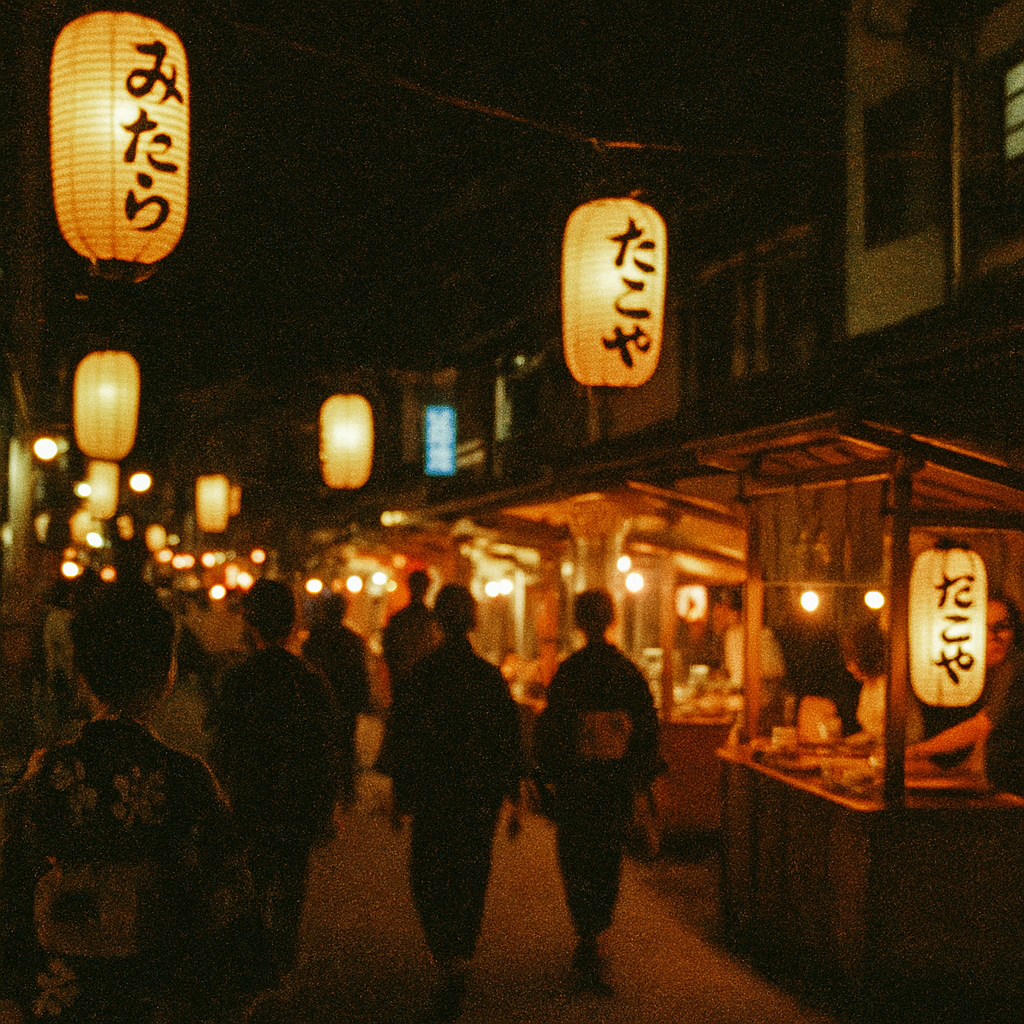
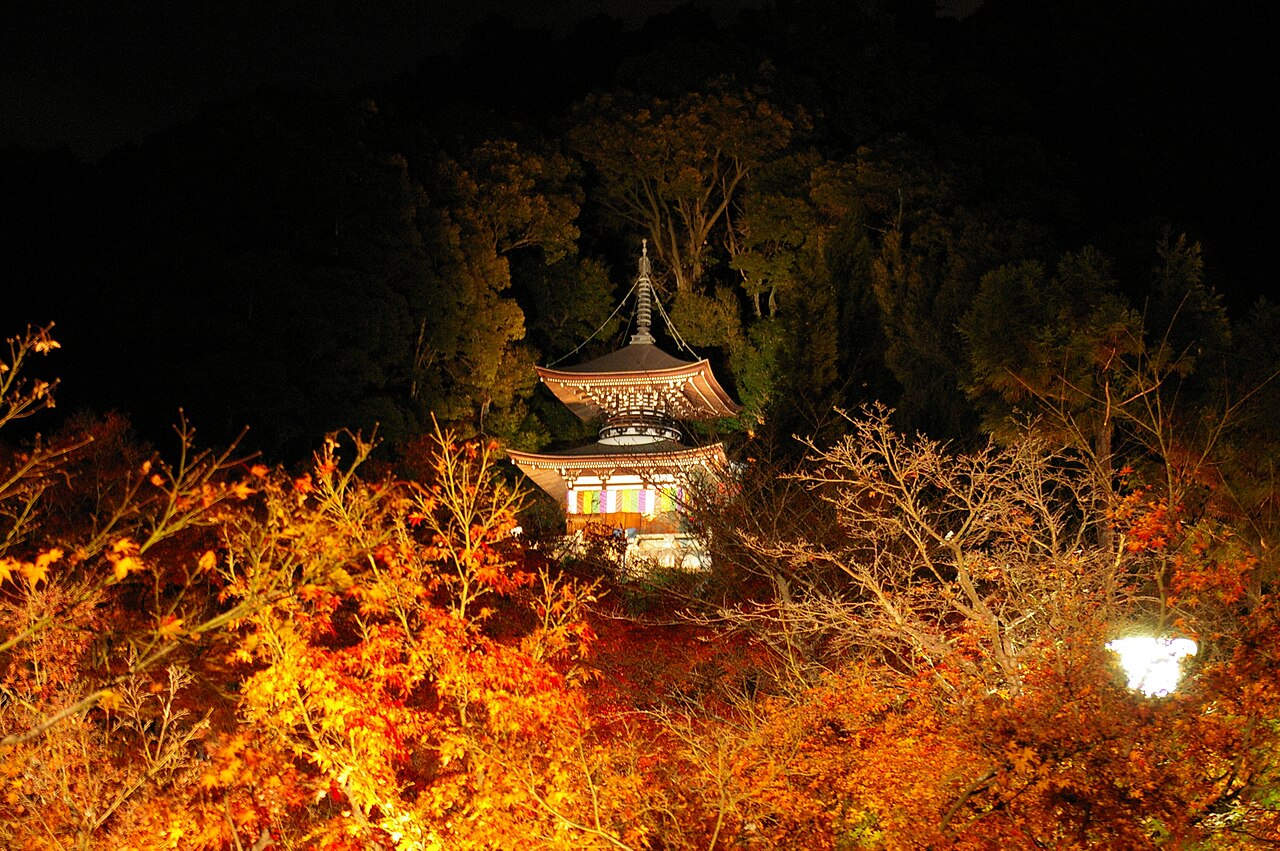
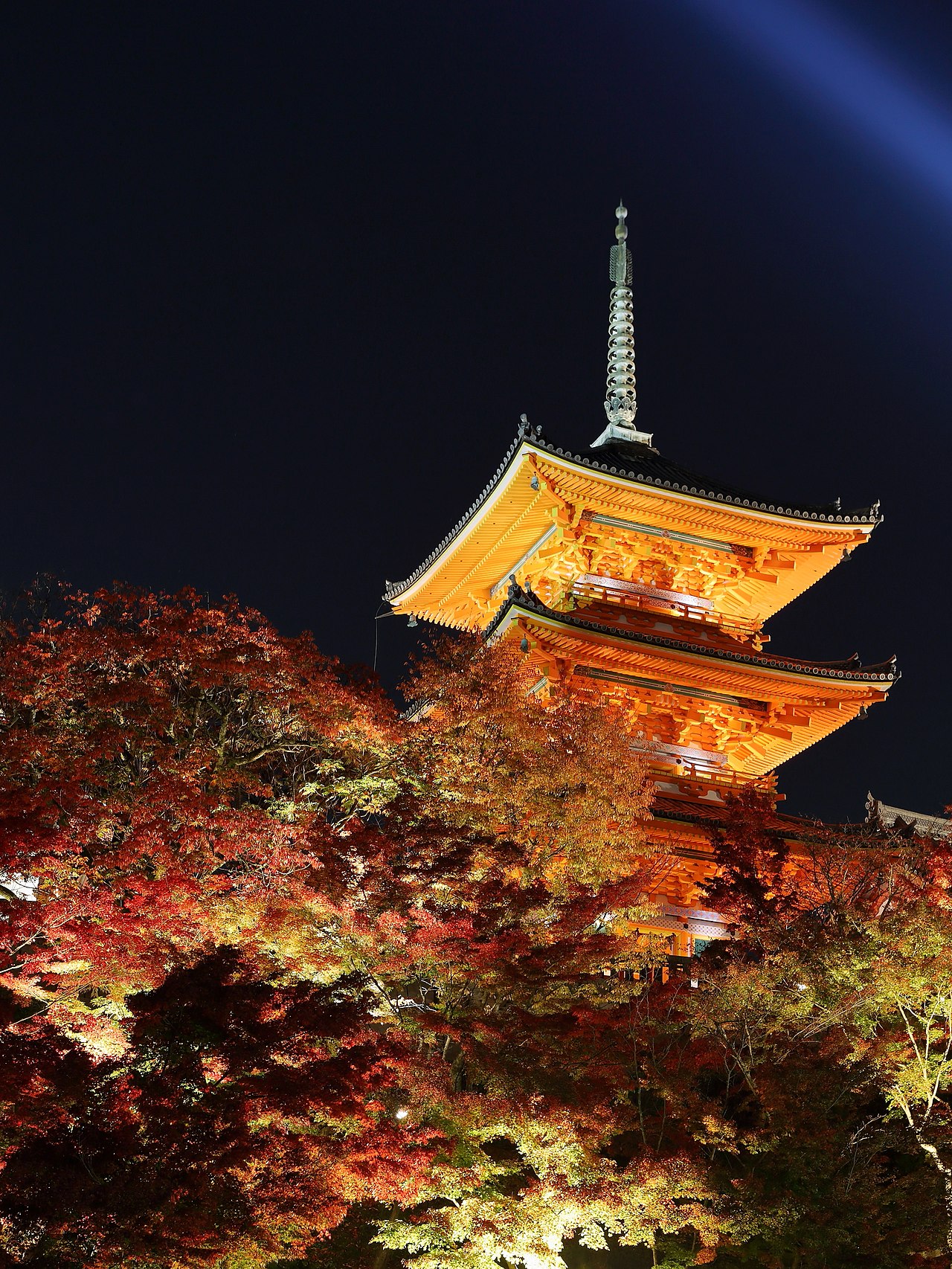
The centrepiece of the festival is undeniably the installation of 6,000 lanterns arranged throughout the Kokubunji temple grounds. These are not simply lights dotted along a path — they are thoughtfully placed to follow the contours of the temple’s ancient architecture, cascading along stairways, pooling around pagoda bases, and lining the ceremonial approaches in a way that recalls the grandeur of the Nara period’s imperial Buddhist ceremonies. The overall effect is both meditative and breathtaking: a hushed, reverent atmosphere settles over the crowd as the lanterns do their quiet work, making even the most bustling visitor slow their pace and simply look.
Beyond the visual spectacle, the festival carries genuine cultural depth. The Nara-period atmosphere evoked by the organisers is not mere decoration — Kokubunji temples were once the beating heart of provincial Japan, and the act of illuminating this space with lanterns echoes centuries of Buddhist offerings and memorial rites. Visitors may also encounter traditional music, ceremonial elements, or local cultural performances depending on the year’s programme; check the official website for current details. Food and craft stalls are typically present at summer festivals of this scale in Japan, offering local specialities and handmade goods that provide a taste of Tochigi’s regional identity. Whether you are a dedicated cultural traveller or simply someone in search of an unforgettable evening, this event delivers on every level.
Highlights & Must-See Moments
- The 6,000-Lantern Illumination: The sheer scale of the lantern installation is the festival’s defining experience. Walk slowly through the temple grounds and take time to appreciate how the soft light transforms each architectural element, revealing details invisible in ordinary daylight.
- The Nara-Period Temple Atmosphere: Kokubunji’s historical significance adds a layer of meaning to every glowing corner. Standing amid ancient stone foundations bathed in lantern light is a genuinely transporting experience, reminiscent of stepping through to a woodblock print.
- Sunset Arrival for the Perfect Transition: Arriving just before dusk lets you watch the lanterns come to life gradually. The shift spanning full daylight to deep twilight is considered by many visitors to be the most photographically and emotionally rewarding part of the entire evening.
- Local Food Stalls and Regional Flavours: Summer festivals in Tochigi offer access to local delicacies you won’t easily find at other venues. Sampling regional street food under the lantern glow is one of the simple pleasures that makes Japanese festival culture so deeply enjoyable for international visitors.
Admission & Budget
Admission: Check the official website for current pricing. As this is the eighth edition of a regional temple festival, entry arrangements may include a small admission fee to support the temple and the considerable logistical effort involved in installing 6,000 lanterns. Budget additionally for food and drink at stalls within the festival grounds, and consider bringing cash, as many smaller festival vendors in rural Japan do not accept card payments. Nearby accommodation in the Tochigi area can range considerably depending on the type of lodging, so booking in advance is strongly advised given that both festival evenings fall on a Sunday and Monday in peak summer — a period of high domestic travel demand in Japan. Discover more about planning your trip via our Japan travel guides.
Practical Tips for Visitors
July in Tochigi Prefecture is firmly within Japan’s summer season — expect heat and humidity even after dark, so dress in lightweight, breathable clothing and carry a folding fan or small portable fan. Insect repellent is a sensible addition to your bag for any outdoor evening event in rural Japan during summer. Comfortable walking shoes are essential as temple grounds typically feature uneven stone pathways. Arrive early to secure the best viewing spots and avoid the densest crowds, which tend to build significantly in the hour following sunset. Photography enthusiasts should bring a tripod or ensure their smartphone is set to a night mode, as lantern light is beautiful but subtle. Be respectful of the temple environment: speak quietly, follow any marked pathways, and observe signage regarding restricted areas. As a foreign visitor, you are warmly welcome — the Tousakura Festival, similar to most Japanese temple events, is designed to be inclusive and accessible to all guests regardless of background.
How to Get There
The festival is held in the Shimotshke area of Tochigi Prefecture, which sits in the northern Kanto region and is accessible via Utsunomiya, the prefecture’s largest city and main transportation hub. Utsunomiya is roughly 50 minutes by shinkansen departing Tokyo Station, making this an entirely feasible day trip — or more accurately, an evening trip — directly out of the capital. The Kokubunji temple site is located in the broader Shimotshke area; accessible via Utsunomiya Station and onward local transport. Check the official website at www.tochigiji.or.jp for shuttle bus arrangements, parking availability, and specific access instructions for the 2026 festival, as special transport provisions are often put in place for large evening events. Visitors travelling by car will find Tochigi well connected via major expressways departing Tokyo and the wider Kanto area; check the official website for shuttle bus or parking details. For those travelling regionally, Tochigi is also reachable via rail services connecting the broader Tohoku and Nikko corridors — check current train services for the most up-to-date options.
Frequently Asked Questions
When exactly does the Shimotshke Tousakura Lantern Festival 2026 take place?
The festival runs on two evenings: Sunday 19 July and Monday 20 July 2026, at Kokubunji temple in the Shimotshke area of Tochigi Prefecture. Check the official website for precise opening and closing times.
Is the Shimotshke Tousakura Festival free to attend in 2026?
Admission: Check the official website for current pricing. Entry fees, if applicable, are typically used to support the temple and the costs of staging the lantern installation. Always confirm pricing ahead of your visit at www.tochigiji.or.jp.
Can foreigners attend the Shimotshke Tousakura Festival?
Absolutely. International visitors are welcome at the Tousakura Festival, and no Japanese language ability is required to enjoy the visual spectacle of 6,000 lanterns illuminating an ancient temple. Staff and volunteers at Japanese regional festivals are generally helpful and accustomed to welcoming overseas guests.
What are the best tips for first-time visitors to the Shimotshke Tousakura Festival?
Arrive around sunset for the most dramatic atmosphere, bring cash for food stalls and any admission fees, wear lightweight summer clothing suitable for a warm evening outdoors, and consider booking accommodation in Utsunomiya in advance if you plan to stay overnight rather than returning to Tokyo the same evening.
The Shimotshke Tousakura Lantern Festival 2026 is a rare opportunity to experience Japan’s living temple culture through one of the most visually stunning summer illumination events in the Kanto region — an evening amid 6,000 glowing lanterns at an ancient Nara-period site is an experience that will stay with you long after the lights go out. Browse our Japan events calendar to plan the rest of your Japanese adventure.