Aizuwakamatsu Shrine Festival 2026: Guide & Tickets
What is the Aizuwakamatsu Shrine Festival?
The Aizuwakamatsu Shrine Festival 2026 is a deeply rooted celebration of spiritual heritage and religious tradition held in one of Japan’s most historically rich cities. Aizuwakamatsu, tucked through to the mountains of Fukushima Prefecture in the Tohoku region, carries a profound legacy shaped by samurai culture, feudal history, and enduring local customs. Shrine festivals — known in Japanese as matsuri — are among the most authentic cultural experiences available to visitors in Japan, and this summer celebration draws both devoted locals and curious international travellers seeking a genuine encounter with the country’s living traditions.
Understanding what is the Aizuwakamatsu Shrine Festival means appreciating the broader context of Japanese shrine culture. These festivals honour the enshrined deities (kami) of the local shrine, giving thanks for protection, good harvests, and community wellbeing. Rituals passed down across generations come alive in the streets, with processions, sacred music, and communal celebrations that reveal a Japan far removed at the polished surfaces of Tokyo or Osaka. For Japan festivals enthusiasts and first-time visitors equally, this event offers a rare window through to the soul of regional Japanese identity.
Best Time to Visit
The Aizuwakamatsu Shrine Festival 2026 runs across three days, spanning 22 July to 24 July 2026. Mid-July in Aizuwakamatsu falls within Japan’s peak summer season, bringing warm temperatures and vibrant festival energy to the city’s streets and shrine grounds. The festival typically reaches its most spectacular moments in the evening hours, when lanterns and portable shrines (mikoshi) illuminate the surrounding area with a warm, celebratory glow. Check the official website at https://www.tif.ne.jp/jp/entry/?type=event for current details on daily opening hours, specific ritual timings, and any updates to the 2026 programme schedule.
What to Expect
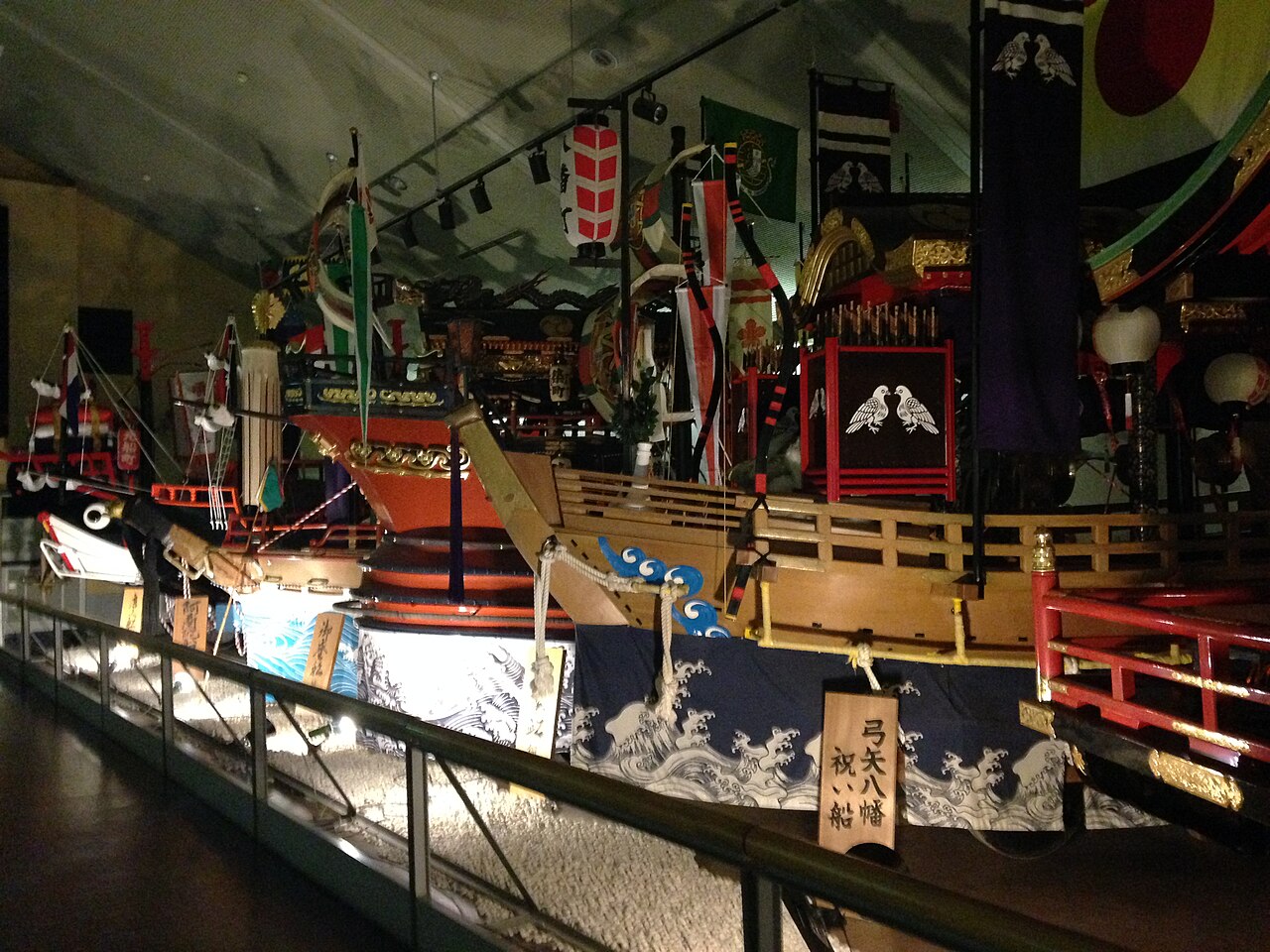
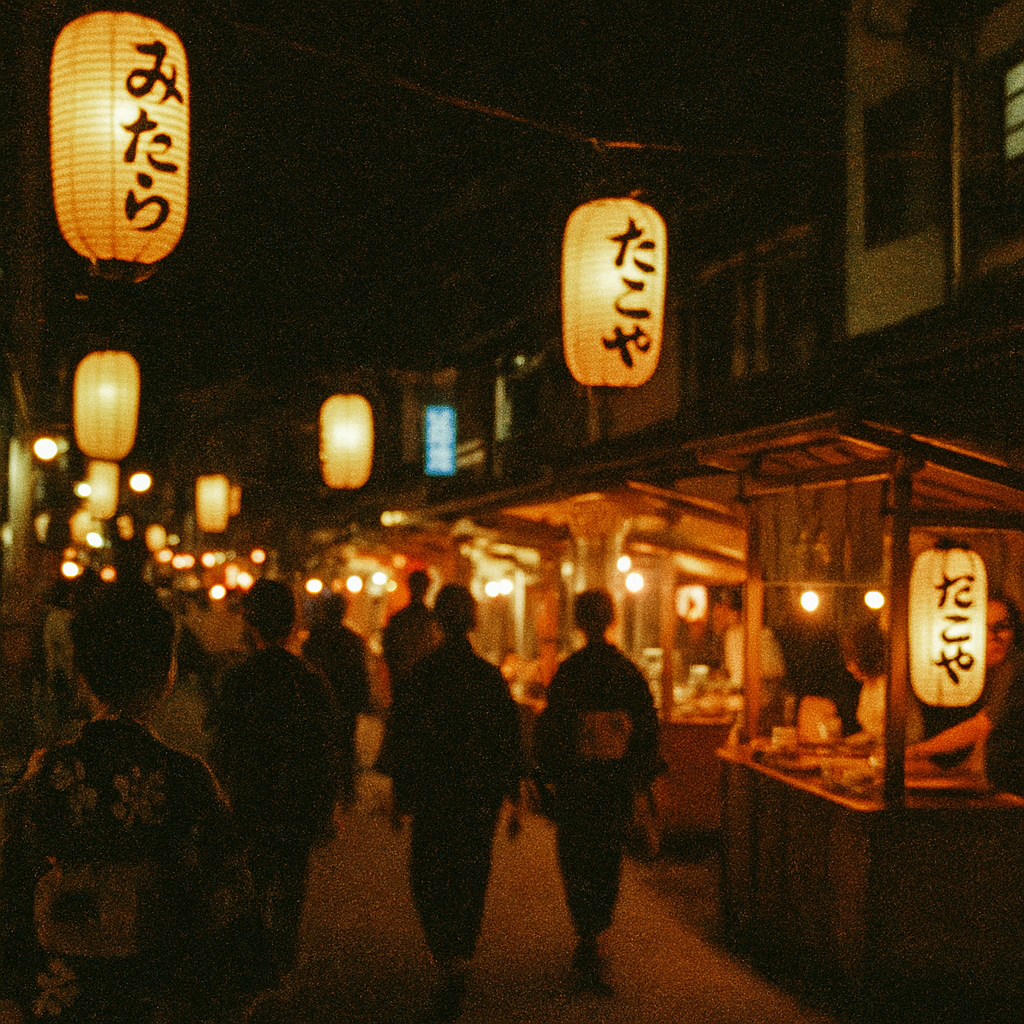
Visitors attending the Aizuwakamatsu Shrine Festival can anticipate a rich sensory experience that blends solemn religious observance with lively community celebration. The heart of the festival is the mikoshi procession, in which a sacred portable shrine is carried through the streets by teams of spirited participants dressed in traditional festival attire. Rhythmic chanting, the beat of taiko drums, and the sound of flutes create an atmosphere reminiscent of centuries-old Japan. Alongside the procession, the surrounding streets typically fill with stalls offering grilled foods, cold drinks, and seasonal treats that are integral to the Japanese summer festival experience.
Beyond the processions, the shrine grounds themselves become a focal point for ritual ceremonies conducted by Shintō priests in formal robes. These ceremonies may include purification rites, sacred dances (kagura) while offerings presented to the enshrined deity. For international tourists visiting the Aizuwakamatsu Shrine Festival for the first time, the atmosphere is simultaneously festive and reverent — a combination that makes Japanese shrine festivals genuinely in contrast to any other cultural event. The surrounding historic city of Aizuwakamatsu, famous for Tsuruga Castle and its samurai-era streetscapes, provides a magnificent backdrop that enhances the entire experience.
Highlights & Must-See Moments
- The Mikoshi Procession: Watch teams of dedicated bearers carry the ornate portable shrine through the city streets, accompanied by chanting and percussion that builds to an electrifying crescendo. This is the emotional centrepiece of the entire festival.
- Taiko Drum Performances: Powerful taiko drumming groups perform at various points throughout the festival days, delivering performances that are both thrilling and deeply ceremonial in character.
- Shrine Rituals and Kagura Dance: Shintō priests perform purification ceremonies and sacred music at the shrine precincts, offering visitors a rare chance to witness authentic religious observance up close.
- Festival Food Stalls: The surrounding stalls serve quintessential Japanese summer festival fare — takoyaki, yakitori, kakigori (shaved ice) while regional Aizu specialities — making the area a paradise for food lovers attending the event.
Admission & Budget
Free admission applies to the public areas of the Aizuwakamatsu Shrine Festival, as is customary for most traditional Japanese shrine festivals. Visitors can watch processions, explore the festival atmosphere, and observe ceremonies without purchasing a ticket. That said, budgeting for food stall purchases and any optional souvenirs is wise — a typical evening of festival snacks and drinks might cost amid ¥1,000 and ¥3,000 per person depending on appetite and interest. If you are planning to visit nearby attractions in Aizuwakamatsu such as Tsuruga Castle or the Nisshinkan samurai academy ruins, separate admission fees apply to those sites. Check the official website for current details on any special events or ticketed performances that may be announced closer to the 2026 festival dates. For a broader overview of Japan travel costs, planning a daily budget of ¥5,000–¥8,000 is sensible for a full festival day including transport, food, and sightseeing.
Practical Tips for Visitors
Summer in Aizuwakamatsu is warm and humid, so dressing in light, breathable clothing is strongly recommended — many visitors choose to wear a casual yukata (summer kimono), which can be rented in the city and adds a wonderful sense of participation to the experience. Arrive early on the main festival day to secure a good vantage point for the procession, as popular viewing spots fill quickly among locals and visitors equally. Carry cash, as many food stalls and smaller vendors do not accept credit cards. Sunscreen and a folding fan are essential daytime companions, while a light jacket is useful for cooler evening hours. Photography is generally welcomed during public processions, but always observe respectfully during religious ceremonies — step back, lower your camera when priests are conducting rituals, and follow the lead of locals around you. Bringing your own reusable water bottle is a practical step given the summer heat.
How to Get There
Aizuwakamatsu is accessible via train services departing Tokyo, with an approximate travel time ranging amid two and a half to three hours depending on the service and connection used. The city is served by Aizuwakamatsu Station, which acts as the main rail hub for the area. Accessible via Aizuwakamatsu Station — check the official website and current JR timetables for the most up-to-date train service information, as routes and transfer points can vary. Visitors travelling by car will find Aizuwakamatsu reachable via expressway connections; the city has parking facilities available, though spaces near the festival venue may be limited on busy festival days, so arriving early or using public transport is advisable. For travellers already exploring the Tohoku region, Aizuwakamatsu also makes an excellent addition to an itinerary that includes other Japan events in Fukushima Prefecture and the wider north of Japan.
Frequently Asked Questions
When does the Aizuwakamatsu Shrine Festival 2026 take place?
The Aizuwakamatsu Shrine Festival 2026 runs over three days, spanning 22 July to 24 July 2026. Check the official website at https://www.tif.ne.jp/jp/entry/?type=event for confirmed daily schedules and any updates to the programme.
Is the Aizuwakamatsu Shrine Festival free to attend?
Yes, free admission applies to the general festival grounds and public procession routes. Visitors can enjoy the main celebrations without purchasing a ticket, though spending on food stalls and souvenirs is part of the fun and supports local vendors.
How do I get to the Aizuwakamatsu Shrine Festival via train out of Tokyo?
Aizuwakamatsu Shrine Festival access via train out of Tokyo is straightforward, with the journey taking approximately two and a half to three hours. Accessible via Aizuwakamatsu Station — check current JR train services and timetables for the best route options and any seasonal express services operating in July 2026.
What are the best tips for first-time visitors to the Aizuwakamatsu Shrine Festival?
Aizuwakamatsu Shrine Festival tips for first-time visitors include arriving early to secure good viewing positions, wearing light summer clothing or renting a yukata, carrying cash for stall purchases, and approaching the shrine ceremony areas with quiet respect. An English guide or information leaflet may be available at the tourist information office near Aizuwakamatsu Station — check the official website for current details.
The Aizuwakamatsu Shrine Festival 2026 is a truly unmissable encounter with Japan’s living spiritual and cultural traditions, set against the magnificent backdrop of one of the country’s finest historic cities. Plan your visit, pack your summer essentials, and prepare to be swept up in an experience that captures everything magical about Japanese summer festivals.