Kasuga Jizo Ceremony 2026: Nara’s Cultural Unveiling Guide
What is the Jizo Ceremony with Robe Change at Denkoji Temple?
The Kasuga Jizo Bodhisattva ceremony 2026 Nara is one of the most intimate and spiritually resonant events in the Nara cultural calendar. Held at Denkoji Temple, this special occasion brings together Buddhist ritual and artistic heritage in a ceremony centred on the carefully preserved Kasuga Jizo Bodhisattva — a statue designated as an Important Cultural Property of Japan. The Jizo Bodhisattva is venerated throughout Japan as a compassionate protector, particularly of children, travellers, and souls in transition. Seeing this revered statue unveiled and ritually reclothed is a privilege that connects visitors directly to centuries of living Japanese religious tradition.
For international tourists, this event offers something genuinely rare: access to a sacred ceremony that blends fine craftsmanship, monastic devotion, and cultural stewardship in a single afternoon. The robe-changing ritual — known in Japanese as kinu-kake — involves priests carefully removing the statue’s existing ceremonial garments and dressing the deity in fresh robes, symbolically renewing the divine relationship amid the community. Events of this nature are not staged for tourism; they are authentic religious observances that happen to open their doors to respectful visitors. That openness makes the Kasuga Jizo Bodhisattva ceremony 2026 Nara an exceptional opportunity for anyone seeking to move beyond the surface of Japanese culture and experience something genuinely meaningful. Explore more Japan festivals of a similarly contemplative character throughout the year.
Best Time to Visit
The ceremony is scheduled for a single day: 23 July 2026, at Denkoji Temple in Nara. As a one-day-only event, planning your visit carefully is essential — there are no alternative dates if you miss it. July in Nara sits squarely in the height of summer, with warm, humid conditions typical of the Kinki region. Early morning or late afternoon visits are generally more comfortable than midday. Opening hours for the ceremony and any associated viewings of the Important Cultural Property are best confirmed via the official Nara Tourism website at narashikanko.or.jp — check the official website for current details on specific timings as the date approaches.
What to Expect
Arriving at Denkoji Temple on the day of the Kasuga Jizo Bodhisattva ceremony 2026 Nara, visitors enter a space suffused with incense, quiet devotion, and the soft murmur of Buddhist chanting. The centrepiece of the day is the formal unveiling of the Kasuga Jizo Bodhisattva statue — ordinarily kept in protective storage or behind closed altar doors — allowing the public a direct and rare view of this Important Cultural Property. The statue itself is a masterpiece of classical Japanese Buddhist sculpture, and being in its presence during an active religious ceremony adds a dimension of experience that no museum display can replicate. Priests perform the robe change with meticulous reverence, handling the elaborate silk vestments as sacred objects in their own right.
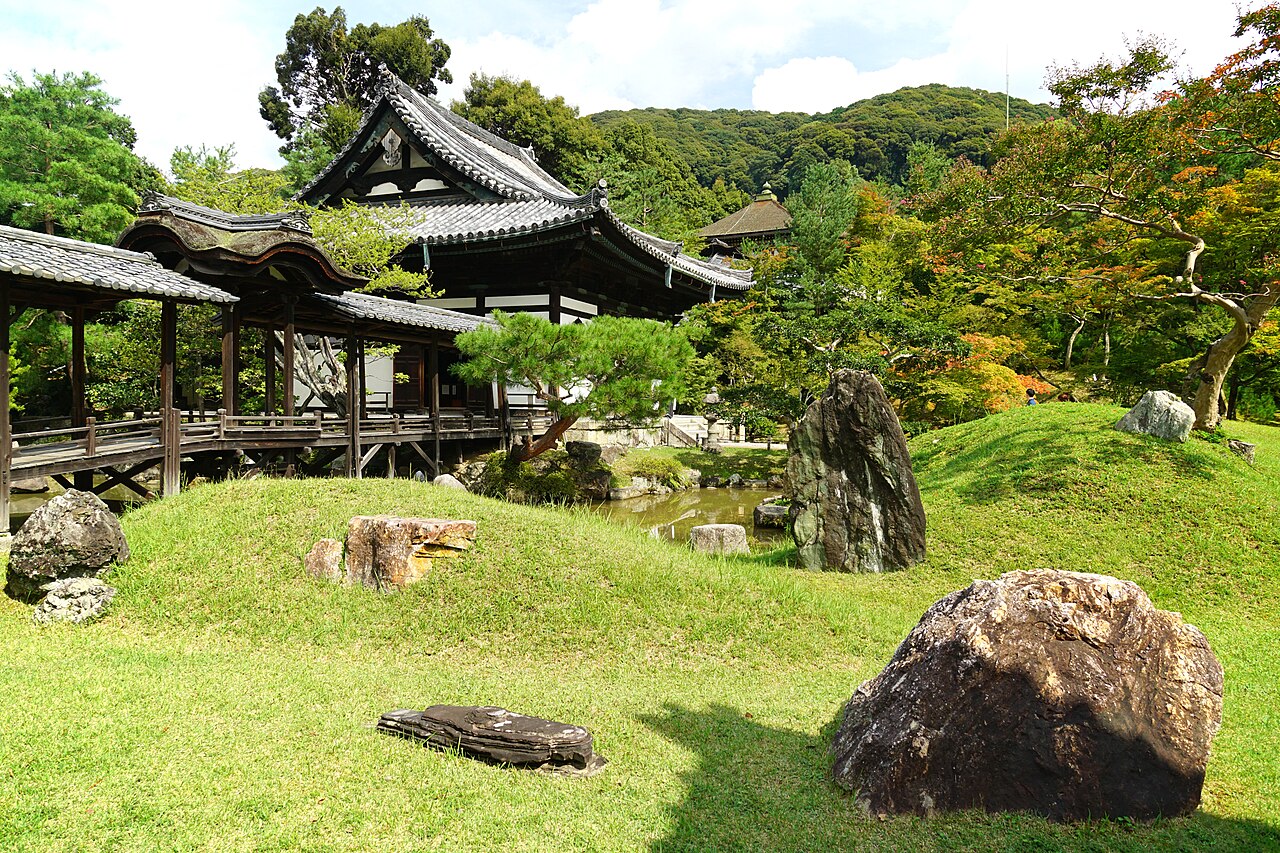
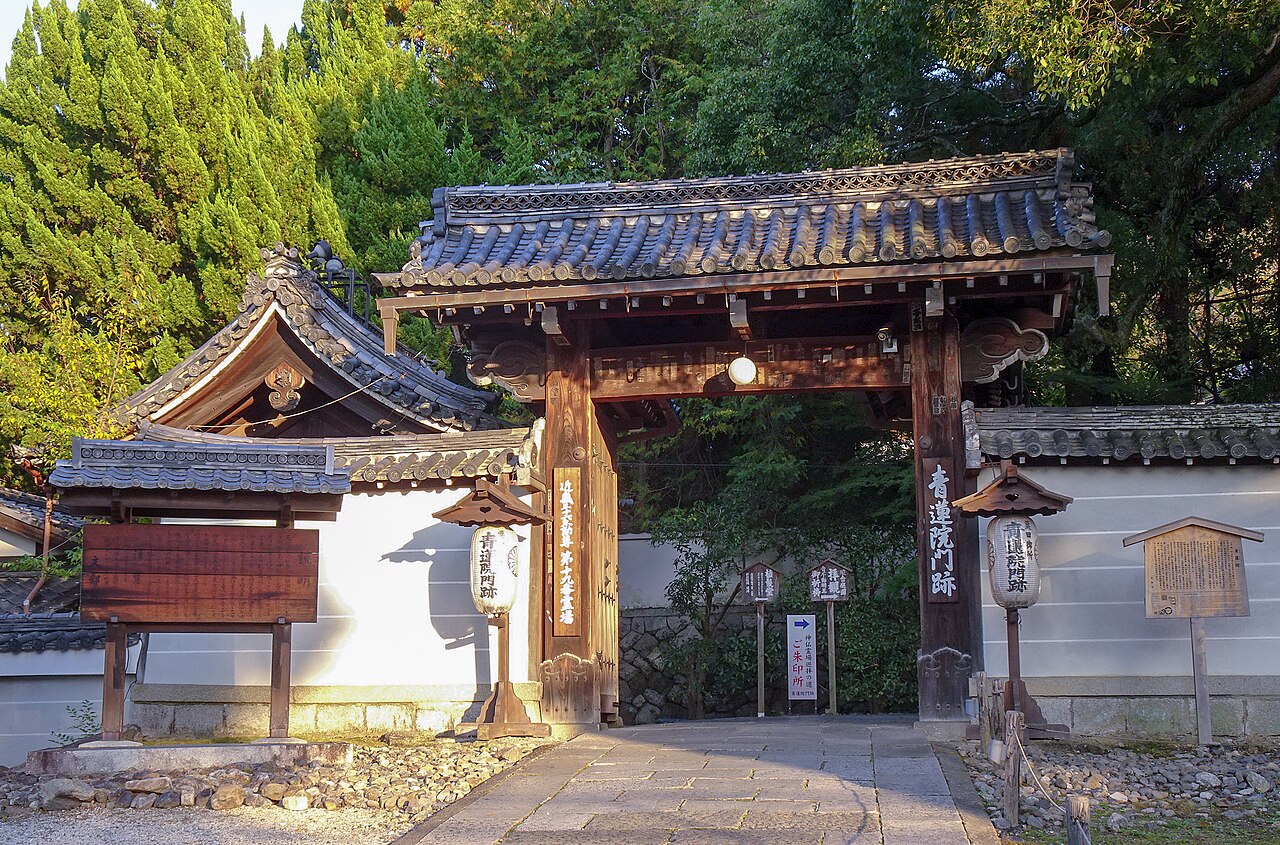
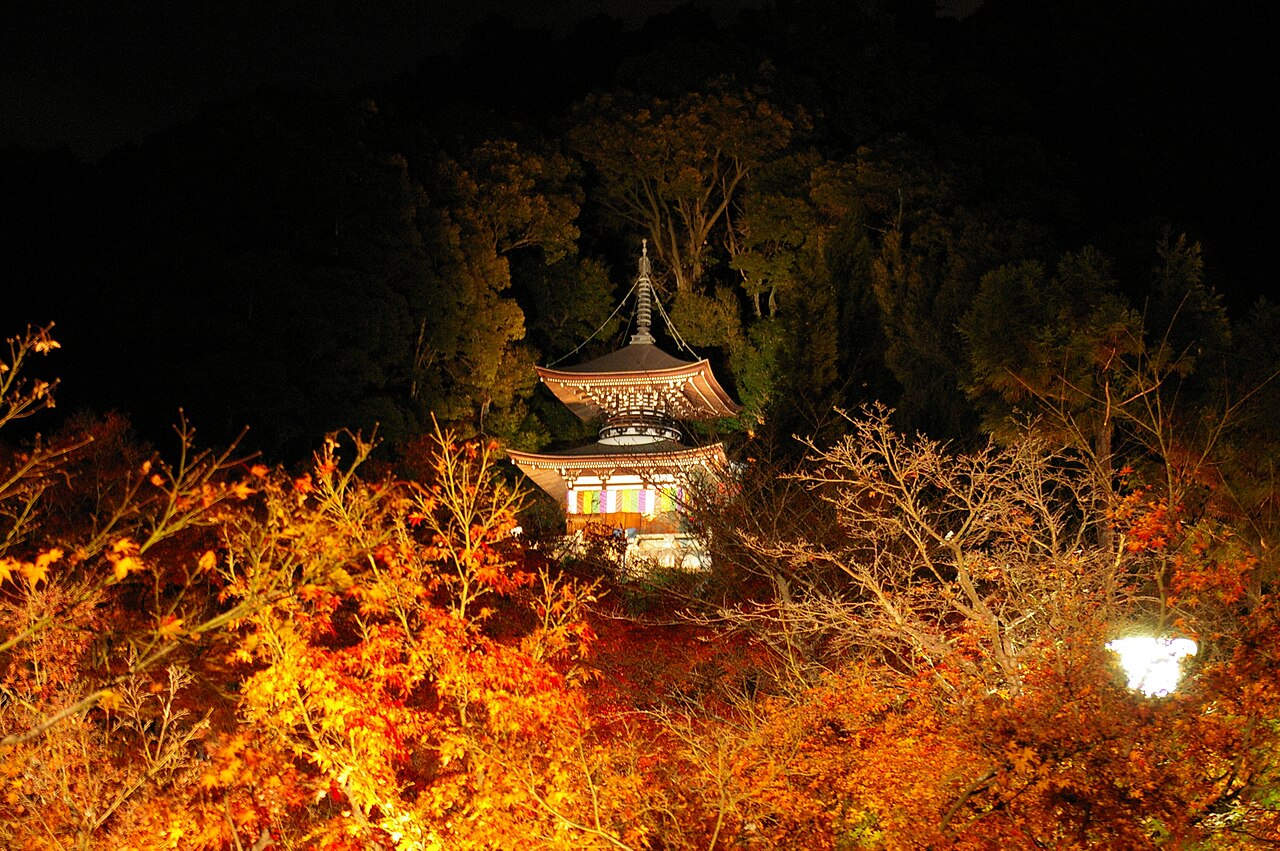
Beyond the central ritual, the atmosphere of Denkoji Temple itself rewards patient exploration. Visitors can observe temple architecture, admire the carefully tended grounds, and absorb the meditative stillness of a working Buddhist institution going about its most important annual business. Photography etiquette is important here: always follow temple guidance on cameras and devices, and prioritise respectful observation over capturing content. For first-time visitors to a Jizo ceremony, the experience can be quietly profound — these are not theatrical performances but genuine acts of spiritual care, and the sincerity of the participants adds considerably to the atmosphere.
Highlights & Must-See Moments
- The Unveiling of the Important Cultural Property: The Kasuga Jizo Bodhisattva is made accessible to the public only on occasions such as this. Witnessing the statue revealed in person, rather than through a photograph, is the single most memorable moment of the day.
- The Robe-Changing Ritual: Watching the priests methodically and reverently change the deity’s garments is a rare glimpse through to the living craft traditions of Japanese Buddhism, combining textile artistry with centuries of liturgical practice.
- Buddhist Chanting and Incense Offerings: The ceremonial atmosphere is heightened by sutra chanting and the rich fragrance of temple incense, creating a multi-sensory experience that firmly anchors visitors in sacred space.
- The Temple Grounds in Midsummer: Denkoji Temple in July offers lush greenery and the soft sounds of Nara’s natural surroundings, providing a peaceful contrast to the bustle of the city’s more famous deer parks and major shrines nearby.
Admission & Budget
Admission: Check the official website for current pricing. Some temple unveiling events of this nature in Nara carry a modest entry donation or offering, while others are open to all at no cost — the official Nara Tourism site will carry confirmed details closer to the 23 July 2026 date. Beyond admission, budget for standard Nara day-trip expenses: lunch at a local restaurant in the Nara area will typically run ¥1,000–¥2,000 per person, and small temple-related souvenirs or omamori protective charms are available at most active Buddhist temples for ¥500–¥1,000. Travel costs will vary depending on your departure point — see the transport section below for regional context. For a full picture of the Kasuga Jizo Bodhisattva ceremony admission fee cost, check the official website for current details before planning your budget.
Practical Tips for Visitors
Dress modestly and conservatively for this ceremony — lightweight, breathable clothing in neutral tones is ideal for Nara’s July heat, and covered shoulders and knees show appropriate respect for the sacred setting. Arrive early: even one-day temple ceremonies can draw considerable interest, and positioning yourself comfortably before proceedings begin makes a significant difference to the quality of your experience. Remove your shoes if directed to do so upon entering certain temple buildings, and silence your phone completely. Bringing a small hand towel and a water bottle is strongly recommended for July heat in Nara; portable fans (uchiwa) are widely sold in the area and make outdoor waiting far more comfortable. Non-Japanese-speaking visitors are warmly welcomed at events of this nature — respectful behaviour communicates across all language barriers, and temple staff are generally patient and helpful with international guests wondering how to visit the Kasuga Jizo ceremony as a tourist.
How to Get There
Denkoji Temple is located in Nara City, making it readily accessible via one of Japan’s best-connected heritage destinations. Nara sits roughly 45 minutes by train departing Osaka and approximately 60 minutes departing Kyoto, making it an ideal day trip via either city. Accessible via Nara Station — check current train services and route options through a journey planner such as Hyperdia or Google Maps before your visit, as multiple rail options serve the Nara area. Denkoji Temple is within the broader Nara historic district; once at Nara Station, local buses serve the temple area, or a taxi is a comfortable option given the July heat. If visiting by car, parking availability in central Nara is limited during busy summer periods — check the official website for shuttle bus or parking details. The Kasuga Jizo ceremony day trip via Osaka or Kyoto is highly practical, and combining it with a morning or evening visit to Nara’s famous deer park and major shrines makes for a deeply satisfying full day. Discover more Japan travel ideas for the Kinki region throughout the year.
Frequently Asked Questions
When exactly is the Kasuga Jizo Bodhisattva ceremony in 2026?
The ceremony takes place on 23 July 2026 at Denkoji Temple in Nara. It is a single-day event, so mark your calendar well in advance and check the official Nara Tourism website for confirmed timings as the date approaches.
Is the Kasuga Jizo ceremony free to attend in 2026?
Check the official website for current pricing. Admission may be free or involve a small temple offering; confirmed details will be published by Nara Tourism closer to the event date at narashikanko.or.jp.
Can foreigners attend the Jizo ceremony at Denkoji Temple?
Yes — international visitors are welcome at events of this nature in Nara. The ceremony is a public religious observance, not a private rite. Respectful behaviour, modest dress, and following temple guidance on photography are all that is required. No advance registration has been indicated, but check the official website for current details on any ticketing or capacity limits.
What should I bring to the Jizo ceremony in Nara?
Bring comfortable, modest clothing suitable for July heat, a water bottle, a small hand towel, and a portable fan if possible. Comfortable walking shoes are essential for navigating temple grounds. A small amount of cash is useful for any optional temple offerings or souvenir purchases, as card payment facilities may not be available at all temple stalls. Japan events of this cultural significance reward visitors who arrive prepared and unhurried.
The Kasuga Jizo Bodhisattva ceremony 2026 Nara is the kind of encounter with living Japanese tradition that stays with you long after you’ve departed — a single July day at Denkoji Temple that offers more genuine cultural depth than many a packed itinerary. If your travels bring you to the Kinki region in late July, this is a ceremony absolutely worth rearranging your schedule to attend.