Niko Shrine Matsuri 2026: Festival Guide & Visitor Info
What is Niko Shrine Matsuri?
The Niko Shrine Matsuri 2026 is a deeply rooted local festival celebrating one of the most meaningful milestones in a shrine’s spiritual life — the moment it gained independence and stood on its own as a place of worship. Niko Shrine, located in the Nagaoka and Kashiwazaki region of Niigata Prefecture, marks the historical occasion of its separation and establishment as an autonomous shrine during the development of the Otari area. This kind of matsuri, commemorating a shrine’s founding independence rather than simply the turning of the seasons, carries a rare and touching cultural weight that sets it apart on the Japanese festival calendar.
For international tourists curious about authentic, community-centred Japanese festivals, the Niko Shrine Matsuri offers a genuine window through to rural Niigata’s spiritual heritage. in contrast to the enormous, tourist-heavy matsuri held in Japan’s major cities, festivals similar to this one tend to be intimate, warmly welcoming to visitors, and rich in local character. Shrine festivals of this type typically involve purification rituals, processional ceremonies, and communal celebrations that have been passed down across generations. If you are interested in exploring Japan festivals beyond the well-worn tourist circuit, this event deserves a prominent place on your itinerary.
When and at which to Go
The Niko Shrine Matsuri 2026 takes place over three days, running Friday 17 July through Sunday 19 July 2026. The festival is held at Niko Shrine in the Nagaoka and Kashiwazaki area of Niigata Prefecture, a region along Japan’s Sea of Japan coastline known for its deep seasonal culture and historical depth. July falls in the heart of Japan’s summer festival season, and the warm, humid atmosphere adds to the atmosphere of lantern-lit evenings and open-air ceremonies. Check the official website at niigata-kankou.or.jp for confirmed opening hours, specific daily schedules, and any updates to the 2026 programme.
What to Expect
Arriving at Niko Shrine during the matsuri, you will step through to a space transformed by centuries of ritual and community pride. Shrine festivals in Japan of this type typically open with formal Shintō ceremonies conducted by the shrine’s priests, involving offerings, prayers, and the recitation of ancient norito (liturgical words). The shrine grounds are decorated with paper lanterns, banners, and sacred rope adorned with white paper streamers called shide. The air carries the scent of incense, grilled festival food, and summer cedar. A spirit of reverence and celebration coexists naturally, and visitors — including foreign tourists — are generally welcome to observe the outer ceremonies and explore the festival grounds respectfully.
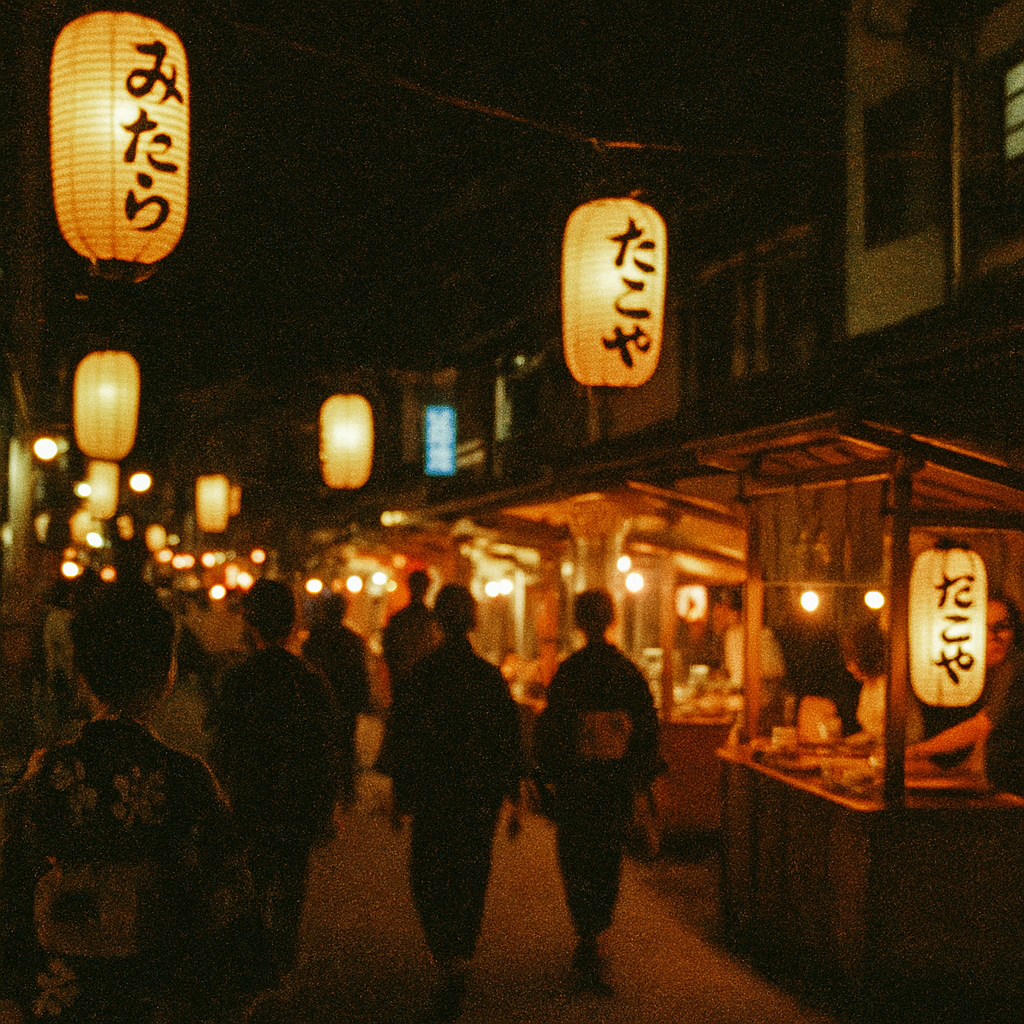
As the day progresses through to evening, the atmosphere at festivals similar to this one typically shifts through to a warmer, more communal mood. Local food stalls (known as yatai) line the approaches to the shrine, offering classics similar to yakitori skewers, takoyaki, shaved ice (kakigori) while cold beer — all essential components of a proper summer matsuri experience. On one or more of the three evenings, you may encounter traditional dance performances, taiko drumming, or a mikoshi portable shrine procession, in which community members carry the deity’s palanquin through the local streets in a joyful, rhythmic display of devotion. These processions are among the most visually striking moments any summer festival can offer.
Highlights & Must-See Moments
- The Opening Shintō Ceremony: The first day typically begins with formal ritual proceedings at the main shrine hall. Watching priests in traditional white and coloured robes perform the opening rites is a quietly powerful experience and a genuine insight through to living Shintō practice.
- The Mikoshi Procession: If a portable shrine procession is part of the programme, position yourself along the route early to watch community members carry the mikoshi through the neighbourhood. The energy, chanting, and coordinated movement make this a highlight of any matsuri.
- Festival Food Stalls: The yatai experience is an essential part of summer festival culture in Japan. Take your time sampling regional Niigata flavours alongside festival classics — this is one of the most delicious and sociable ways to connect with local life.
- Evening Lantern Atmosphere: As dusk falls over the shrine grounds, paper lanterns cast a warm, amber glow that transforms the space entirely. The evening hours of a three-day summer matsuri similar to this one are often the most atmospheric and memorable for visitors.
Admission & Budget
Free admission. Entry to the shrine grounds and the festival itself is free of charge, as is typical for community shrine matsuri throughout Japan. Your main expenses will come at the food stalls, and a comfortable budget of ¥1,000–¥2,500 per person will cover a satisfying round of festival snacks and drinks across an evening. If you plan to purchase any handmade charms (omamori), votive tablets (ema), or local souvenir items sold at or near the shrine, set aside an additional ¥500–¥1,500. Overall, this is one of the more budget-friendly ways to experience an authentic Japanese festival — a genuine local celebration that costs very little beyond getting there. For any ticketed events that may be added to the 2026 programme, check the official website for current pricing details.
Practical Tips for Visitors
Mid-July in the Niigata region is warm and humid, so dress in light, breathable clothing — a cotton yukata (traditional summer robe) is both practical and a lovely way to blend in with the festive spirit if you have access to one. Comfortable shoes are essential, as festival grounds involve standing and walking on a variety of surfaces. Arrive during the early evening hours on the second or third day to experience the full lantern-lit atmosphere without the thickest crowds, which often gather at peak hours. When approaching the main shrine hall, follow the lead of other visitors: bow slightly at the entrance torii gate, avoid cutting in front of anyone performing prayers, and keep your voice low in the immediate vicinity of the altar. Photography of the general festival atmosphere and food stalls is usually welcomed, but be discreet during formal ceremonies and always follow any posted guidelines. Carry some cash, as many food stall vendors at smaller regional festivals do not accept cards.
How to Get There
The festival is held in the Nagaoka and Kashiwazaki area of Niigata Prefecture, on the Sea of Japan coast of Honshu. The nearest major transportation hub is Nagaoka City, accessible via Niigata — itself roughly 2 hours by Shinkansen bullet train departing Tokyo on the Joetsu line. Kashiwazaki is accessible via Nagaoka Station or directly via Niigata, and local train and bus services connect the two cities. Visitors exploring Japan travel in the Chubu and Tohoku-adjacent regions will find Niigata Prefecture easy to include in a broader itinerary. The Nagaoka and Kashiwazaki area is also reachable by highway bus or private car; parking availability at or near the shrine during a festival weekend can be limited, so arriving early or using public transport is advisable. Accessible via Nagaoka Station — check the official website at niigata-kankou.or.jp for shuttle bus options, local bus routes, and parking details specific to the 2026 event.
Frequently Asked Questions
When does the Niko Shrine Matsuri 2026 take place?
The Niko Shrine Matsuri 2026 runs across three days: Friday 17 July, Saturday 18 July, and Sunday 19 July 2026. Check the official website for the daily schedule and any changes to the programme.
Is the Niko Shrine Matsuri free to attend?
Yes — entry to the festival grounds is free of charge. Your main costs will be food and drink at the yatai stalls and any souvenir or shrine charm purchases you choose to make.
Can foreigners attend the Niko Shrine Matsuri?
Absolutely. Community shrine festivals in Japan are open to all visitors, and foreign tourists are warmly welcomed. Basic etiquette — such as bowing at the torii gate, remaining quiet during ceremonies, and following posted guidelines — is all that is required. No Japanese language ability is needed to enjoy the atmosphere.
How do I plan a day trip to the Niko Shrine Matsuri via Niigata?
For a Niko Shrine Matsuri day trip via Niigata, travel to Niigata City first by Shinkansen departing Tokyo, then connect onward to the Nagaoka or Kashiwazaki area by local rail or bus service. The journey is manageable as a day trip departing Tokyo, though staying overnight in Nagaoka or Niigata City allows you to enjoy the full evening atmosphere across more than one festival day. Check the official website for transport details closer to the event date.
The Niko Shrine Matsuri is a quietly special summer celebration — intimate, historically resonant, and thoroughly authentic in ways that larger Japanese festivals can rarely match. If you are looking for a festival that connects you to the real rhythms of community life in regional Japan, plan your visit and discover one of Niigata’s most heartfelt summer traditions. For more inspiration across the country, explore our guide to Japan events throughout 2026.